
Main Courses
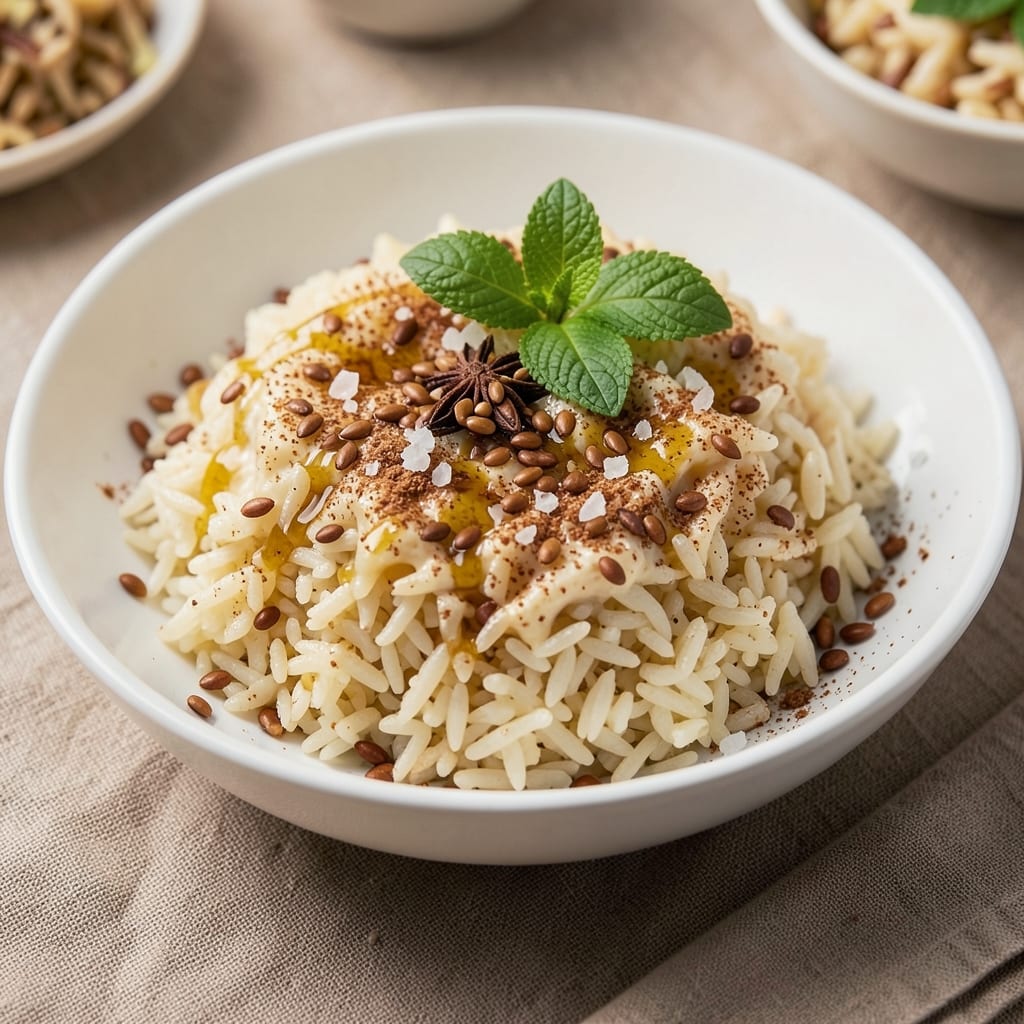
This Asian seasoned rice recipe transforms simple grains into a fragrant, aromatic dish that elevates any meal. The secret lies in toasting sesame seeds and infusing the rice with five-spice powder, creating layers of nutty warmth and earthy depth. I developed this technique after years of experimenting with Japanese and Chinese rice dishes, and it consistently delivers restaurant-quality results at home.
What sets this recipe apart is the balance of textures and flavors—crispy toasted sesame seeds add crunch, while the five-spice blend (star anise, cinnamon, clove, fennel, and pepper) creates a warm, aromatic base. The rice absorbs the seasoning perfectly, resulting in grains that are tender yet distinct, with each bite offering a harmonious blend of savory, sweet, and umami notes.
This method works beautifully with jasmine or basmati rice, though any long-grain variety will suffice. The process is straightforward: toast the sesame seeds until golden, infuse the rice with the five-spice blend during cooking, and finish with a drizzle of sesame oil. The result is a dish that pairs effortlessly with grilled proteins, stir-fried vegetables, or even as a standalone side.
For added depth, consider incorporating optional variations like coconut milk for a tropical twist or furikake for a Japanese-inspired finish. The possibilities are endless, but the foundation remains the same—flavorful, aromatic, and impossible to resist. Let’s get started!
Ingredients for asian seasoned rice
Twelve ingredients transform ordinary rice into restaurant-quality Asian seasoned rice with nutty crunch and aromatic depth.
| Ingredient | Amount | Notes |
|---|---|---|
| Long-Grain Jasmine Rice 🍚 | 1 ½ cups | Uncooked, rinsed thoroughly |
| White Sesame Seeds 🥜 | ¼ cup | Toasted until golden brown |
| Five-Spice Powder 🌶️ | 1 ½ tsp | Homemade or quality store-bought |
| Toasted Sesame Oil 🫒 | 1 tbsp | For finishing drizzle |
| Water 💧 | 3 cups | Filtered preferred for clarity |
| Salt 🧂 | ½ tsp | Diamond Crystal kosher salt |
| Star Anise 🌿 | 1 whole | Optional for deeper aroma |
| Cinnamon Sticks 🍃 | 1 whole | For infusing aroma |
| Light Soy Sauce 🥢 | 1 tbsp | Kikkoman preferred |
| Honey 🍯 | 1 tsp | For subtle sweetness |
| Fresh Ginger 🧅 | 1 tsp | Finely grated, aromatic |
| Green Onions 🧅 | 2 whole | Thinly sliced for garnish |
The five-spice powder is the heart of this dish—look for blends containing star anise, cinnamon, clove, fennel, and pepper at specialty stores like Whole Foods or H Mart. If making your own, toast whole spices briefly to deepen their aroma. Sesame seeds should be white, not black, for authentic texture. Toast them in a dry pan over medium heat until golden, about 3-4 minutes, stirring constantly to prevent burning. Costco sells sesame seeds in bulk, which is ideal for frequent use. For the rice, jasmine or basmati are ideal, but any long-grain variety will work—just ensure they're freshly milled for optimal texture.
No five-spice powder? Create your own blend with 2 parts cinnamon, 1 part clove, 1 part fennel, 1 part star anise, and 1 part black pepper—grind whole spices in a coffee grinder for maximum potency. Substitute sesame oil with toasted peanut oil if needed, though the flavor will differ slightly. For a sweeter touch, swap honey for maple syrup. The star anise and cinnamon sticks can be removed after infusing the water, but leaving them in adds subtle depth. If you're short on time, pre-toasted sesame seeds from the bulk section work perfectly—just check they're labeled 'toasted' to skip the step.
Toasted sesame seeds lose their crunch within 24 hours, so store them in an airtight container away from light. The five-spice powder retains flavor for up to 6 months in a sealed jar. Cooked rice keeps for 3 days in the fridge, but the sesame seeds will soften—best to toast fresh before serving. For meal prep, cook the rice without the sesame seeds, then toast and mix them in just before eating. This dish reheats beautifully—cover with a damp paper towel to prevent drying out, and warm in a steamer basket over simmering water for even moisture distribution.
Why You'll Love This Recipe
- Five-Ingredient Magic: I swear, this rice needs nothing but those five things—no chopping, no fussing, just dump-and-stir. The five-spice powder does all the heavy lifting while I’m still debating what to eat for dinner.
- Nutty Crunch Perfection: That first bite of toasted sesame seeds? It’s like a little flavor explosion. The rice stays fragrant and light, but the seeds add this addictive crunch that makes it feel like a restaurant dish.
- Meal Prep MVP: I make a big batch on Sundays—it reheats beautifully, pairs with anything (stir-fries, grilled fish, even eggs), and my kids actually ask for it. Honestly, it’s the one thing I never skip planning for.
- Budget-Friendly Luxury: Jasmine rice is cheap, five-spice powder lasts forever, and a little sesame oil goes a long way. It’s the kind of dish that makes frugal eating feel special without breaking the bank. (Yes, even on a Tuesday night.)
Step-by-step instructions for Asian seasoned rice
Transform simple jasmine rice into aromatic, crunchy perfection with this fragrant technique.
Toast the Sesame Seeds and Aromatics
Heat a dry skillet over medium heat and add the 0.25 cup white sesame seeds. Toast them for 3-4 minutes until they turn a rich golden brown color and release their nutty aroma. Watch closely—they burn quickly once they reach the right temperature. Immediately transfer the toasted seeds to a small bowl and set aside.
In the same skillet, add the 1 whole star anise and 1 whole cinnamon stick. Toast for 30 seconds until fragrant, then remove and discard the whole spices. This step infuses the rice with subtle warmth and depth that will develop as it cooks. The aroma should be delicate but noticeable—this is your flavor foundation.
Infuse the Cooking Liquid
In a medium saucepan, combine the 3 cups water, 1 tbsp light soy sauce, 1 tsp honey, 1 tsp finely grated fresh ginger, and 1.5 tsp five-spice powder. Bring to a boil over high heat, then immediately reduce to medium-high heat. Let it simmer for 2 minutes to allow the spices and aromatics to fully meld.
The liquid should develop a subtle golden hue and a complex aroma blending sweet, spicy, and umami notes. Taste the infusion—it should be lightly seasoned, with a balance of saltiness from the soy sauce and warmth from the spices. If you prefer more depth, you can simmer for an additional 30 seconds, but don't over-reduce or the rice will absorb too much flavor.
Cook the Jasmine Rice
Add the 1.5 cups rinsed long-grain jasmine rice to the infused liquid along with the 0.5 tsp salt. Stir gently once to distribute the rice evenly. Bring the mixture back to a boil over high heat, then immediately reduce to low heat. Cover tightly with a lid and cook for 15 minutes without disturbing it.
After 15 minutes, check the rice. It should be tender but still slightly firm in the center with a thin layer of water remaining at the bottom of the pan. If the rice is fully cooked too soon, reduce the heat to lowest setting and let it steam for an additional 5 minutes covered. The goal is perfectly cooked rice with just enough moisture to create steam and prevent drying.
Rest and Finish
Remove the pan from heat and let the rice rest, covered, for 10 minutes. This resting period allows the rice to absorb any remaining liquid and develop its signature fluffy texture. During this time, thinly slice the 2 whole green onions for garnish.
After resting, gently fluff the rice with a fork, then drizzle evenly with the 1 tbsp toasted sesame oil. Toss lightly to distribute the oil and incorporate the toasted sesame seeds. The rice should now have a delicate sheen from the oil and visible crunchy specks from the seeds. Serve immediately with the sliced green onions sprinkled on top for freshness and color contrast.
Serve with Confidence
This rice should be fragrant with a complex blend of sweet, spicy, and nutty notes from the five-spice powder and toasted sesame. Each grain should be tender yet distinct, with a subtle crunch from the seeds. The aroma should be inviting—warm spices with a hint of ginger and honey. Serve as a side dish to complement Asian proteins or use as a flavorful base for rice bowls.
For best results, serve within 30 minutes while the rice maintains its ideal texture. If storing, keep covered at room temperature for up to 2 hours, but reheat gently to preserve the delicate flavors and textures. The crunch from the sesame seeds will diminish slightly when reheated, so enjoy fresh for maximum impact.
Pro Tips For Making Asian Seasoned Rice
- STEAM IT RIGHT: I learned this the hard way—don’t just boil jasmine rice for this dish. Rinse it first (twice, cold water), then cook it in a 1:1.25 rice-to-water ratio with a tight lid. After the initial boil, drop heat to lowest setting and let it steam undisturbed for 15 minutes. That’s when the grains turn fluffy and separate properly.
- TOAST SESAME SEEDS: Skip the pre-packaged toasted sesame seeds—they’re often stale. Instead, dry-toast your own in a small pan over medium-low heat for 2-3 minutes, shaking constantly until they’re golden and smell nutty. Add them to the warm rice right before serving; they’ll stay crisp and release their flavor instantly.
- DON’T OVERMIX FIVE-SPICE: Five-spice powder is bold, and it’s easy to overdo it. Start with ½ teaspoon per cup of rice, then taste the raw rice before cooking. Sprinkle it in lightly and mix with a fork—just until you see specks, not a uniform color. Overmixing makes the rice taste bitter instead of aromatic.
- USE COLD SESAME OIL: I was skeptical until I tried it—adding toasted sesame oil to hot rice kills its flavor. Wait until the rice is just off the heat, then drizzle 1 teaspoon (or more to taste) while stirring gently. The oil will bloom instantly, giving that rich, nutty aroma without burning. (Yes, even if you’re impatient like me.)
Troubleshooting this recipe
Burnt Sesame Seeds
If your sesame seeds turn dark brown or black while toasting, they’ve burned. This happens when you lose focus or use high heat. Immediately remove them from the pan and set aside—burnt seeds add bitterness rather than nutty crunch. For best results, toast over medium heat and stir constantly. If you’ve already burned them, reduce the amount used by half or omit entirely. 🔥
Mushy Rice Texture
Overcooking or disturbing the rice while it steams leads to mushy results. After the initial 15 minutes of cooking, avoid lifting the lid to check—this releases steam and prevents even cooking. If your rice is still firm after 20 minutes, reduce heat to low and let it steam for 5 more minutes covered. Use a fork to gently fluff instead of stirring vigorously. 💫
Weak Flavor Infusion
The five-spice powder and aromatics need proper infusion time to develop flavor. If your rice tastes bland, simmer the cooking liquid for 3-4 minutes before adding rice, not just 2 minutes. Also, ensure your five-spice blend is fresh—old spices lose potency. For extra depth, add the star anise and cinnamon sticks back into the pot while rice cooks. ✨
Uneven Cooking
If some rice grains remain hard while others are mushy, your heat source isn’t consistent. Use a medium-low heat after boiling to maintain even cooking. A rice cooker solves this issue entirely—just adjust the water ratio to 1.25 cups per 1 cup rice for this recipe. For stovetop, avoid high heat fluctuations by using the back burner. 🌡️
Sesame Oil Overpowering
Too much sesame oil can make the rice taste bitter. Start with 1 tbsp and adjust to taste—½ tsp at a time. If the flavor is still too strong, balance it with a squeeze of lemon juice or extra green onions. For a lighter touch, use peanut oil instead, though the nutty profile will differ. 💡
Sticky or Gummy Rice
This happens when the rice absorbs too much liquid or sits too long after cooking. After resting for 10 minutes, fluff immediately and spread the rice on a tray to cool. If it’s already sticky, mix in 1 tsp toasted sesame seeds to add texture and absorb excess moisture. For prevention, use 3 cups water for 1.5 cups rice—no more. 💪
Nutrition facts
Frequently asked questions
Can I use brown rice instead of jasmine rice?
Brown rice works but requires adjustments for texture and timing. Use a 1:1.5 rice-to-water ratio and increase cooking time to 30-40 minutes (covered on low heat). The grains will be chewier, so reduce five-spice powder to 1 tsp to avoid overpowering. Toast sesame seeds separately and mix in at the end.
How do I make this rice nut-free?
Omit sesame seeds and oil completely. Replace with 1 tsp poppy seeds (toasted) or 2 tbsp chopped cilantro for garnish. Use 1 tsp avocado oil instead of sesame oil for finishing. The five-spice blend and ginger will still provide rich Asian flavors without nuts.
What's the best way to reheat this rice?
Reheat gently to preserve texture: spread on a microwave-safe plate with 1 tsp water, cover with a damp paper towel, and microwave for 45-60 seconds. For stovetop, use a steamer basket over simmering water for 3-5 minutes. Avoid direct heat—it dries out the grains. Add fresh sesame seeds after reheating for crunch.
Can I make this rice in an Instant Pot?
Yes! Use the high-pressure setting for 4 minutes after natural release. Combine 1.5 cups rice, 1.25 cups water, 1.5 tsp five-spice, 1 tbsp soy sauce, and 1 tsp honey. After cooking, let sit covered for 10 minutes, then fluff and mix in toasted sesame seeds and oil. The pressure cooker keeps grains separate.
What are good protein pairings?
This rice complements grilled salmon, teriyaki chicken, or stir-fried tofu beautifully. For vegetarian options, try mushroom and pea stir-fry or spicy edamame. The nutty sesame and five-spice flavors balance rich proteins perfectly. Serve with pickled vegetables for acidity contrast.