
Side Dishes
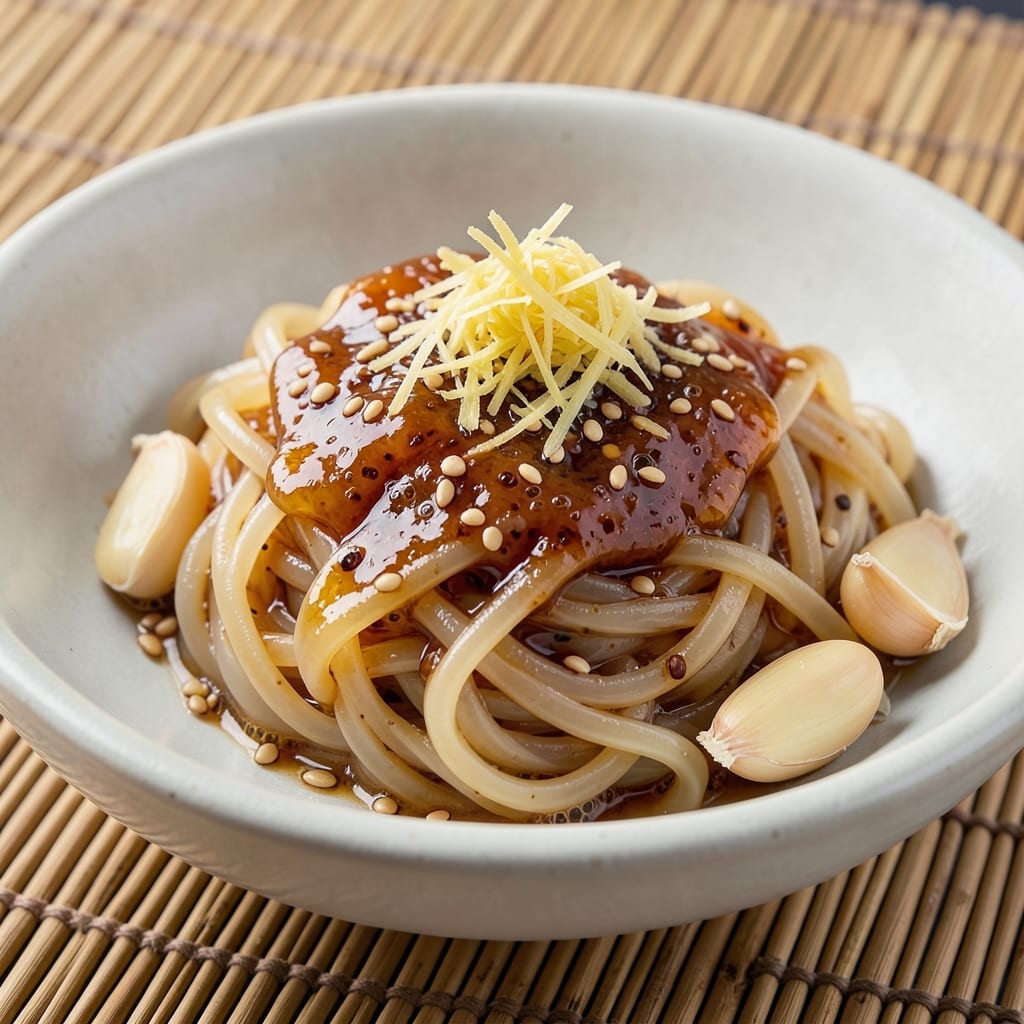
This Asian rice noodle side dish delivers restaurant-quality umami crunch in just 15 minutes, perfect for elevating any meal. The secret lies in a bold soy-ginger marinade that transforms simple rice noodles into a flavor-packed, textured dish with crispy edges and tender centers. I developed this recipe after searching for a quick yet sophisticated side that could stand alone or complement grilled proteins—it’s become a staple in my rotation for its balance of savory, tangy, and slightly sweet notes.
The magic happens in the wok, where high heat quickly sears the noodles while preserving their bite. A quick soak in warm water softens them just enough, then a toss with garlic, sesame oil, and a splash of rice vinegar adds layers of complexity. Optional additions like toasted peanuts or fresh herbs take it to the next level, but the core recipe remains foolproof—no fancy techniques required. The result? A dish that’s crispy, aromatic, and packed with umami depth, ready in the time it takes to cook rice.
What sets this apart is its versatility—serve it chilled as a refreshing salad, warm as a side, or even as a light main with a protein like shrimp or tofu. The noodles absorb the marinade perfectly, ensuring every bite is flavorful without being overwhelming. Whether you’re prepping for a weeknight dinner or a weekend feast, this recipe delivers restaurant-quality results with minimal effort.
Pair it with grilled meats, stir-fried vegetables, or enjoy it solo for a satisfying, textured bite. The key to success? Don’t overcook the noodles—keep them al dente for that perfect crunch. Let’s get cooking!
Ingredients for asian rice noodle side dish
Simple ingredients, bold flavors—this wok-tossed noodle dish is a game-changer for quick meals.
| Ingredient | Amount | Notes |
|---|---|---|
| Rice Noodles 🍜 | 8 oz | Stir-fry or rice noodles, uncooked |
| Low-Sodium Soy Sauce 🥢 | ¼ cup | For umami depth |
| Rice Vinegar 🍶 | 2 tbsp | For tangy brightness |
| Sesame Oil 🫒 | 1 tbsp | Toasted for nutty aroma |
| Fresh Ginger 🌿 | 1 tbsp | Finely grated, fresh preferred |
| Garlic Cloves 🧄 | 3 cloves | Minced for aromatic punch |
| Toasted Sesame Seeds 🌰 | 1 tbsp | For crunchy texture |
| Vegetable Oil 🫒 | 2 tbsp | High smoke point for wok |
| Honey 🍯 | 1 tbsp | For subtle sweetness |
| Green Onions 🧅 | 3 whole | Thinly sliced for garnish |
| Toasted Peanuts 🥜 | ¼ cup | Optional crunchy topping |
| Salt 🧂 | ½ tsp | Adjust to taste |
| Black Pepper 🌶️ | ¼ tsp | Freshly ground for heat |
| Lime Juice 🍋 | 1 tbsp | Freshly squeezed for zing |
The noodles are the star, so grab stir-fry or rice noodles—the thinner, the better for that perfect crunch. Martins or Nong Shim brands are my go-tos, but any Asian market will have great options. Fresh ginger and garlic are non-negotiable here; pre-minced garlic from jars lacks the punch. For the soy sauce, low-sodium versions let you control the saltiness better. Toast your sesame seeds in a dry pan for 2 minutes—they’ll smell amazing and add serious texture. If you’re short on time, store-bought toasted sesame seeds work too, just skip the toasting step.
No sesame oil? Avocado oil or neutral oil will work, but add a pinch of toasted sesame seeds at the end for that authentic flavor. Swapping honey for maple syrup keeps it vegan, though the color won’t be as golden. The peanuts are optional but add a crunchy contrast—grab the dry-roasted kind from Trader Joe’s for convenience. Fresh lime juice is ideal, but bottled works in a pinch (just add a splash of water to mimic freshness). The green onions can be subbed with chives if that’s what you’ve got, but they’re the perfect pop of color and freshness at the end.
Prep the marinade first—it only takes 2 minutes. The noodles should soak in warm water for 8-10 minutes max—any longer and they’ll turn mushy. Store the dry marinade mix (soy, vinegar, honey, ginger, garlic) in a jar for up to 2 weeks in the fridge. The cooked noodles keep for 3 days in the fridge, but they’re best fresh. For meal prep, toss the cooked noodles with a little oil to prevent sticking, then reheat in a dry pan over medium heat—add a splash of water to revive the crispiness.
Why You'll Love This Recipe
- No-Fuss Pantry Staples: I swear by this recipe because it uses what I already have—no last-minute grocery runs. Toss in pre-cooked rice noodles, a splash of soy sauce, and a thumb of ginger, and you’re done. The sesame oil adds that je ne sais quoi without extra shopping.
- Umami-Packed Punch: That balance of salty soy, bright vinegar, and nutty sesame oil? It’s the kind of flavor that lingers. The ginger gives it a little kick, but it’s never overpowering—just enough to make your taste buds sit up and take notice.
- Meal Prep MVP: Between us, this is my go-to for lunch prep. Cook a big batch, store it in the fridge, and reheat with a splash of water—no soggy noodles here. It’s perfect for work lunches, potlucks, or even a quick dinner when you’re too tired to think.
- Budget-Friendly Flex: Honestly, this recipe won’t break the bank. Rice noodles are cheap, and the other ingredients stretch far. Plus, leftovers taste just as good the next day—no sad, dry noodles here. It’s the kind of dish that makes me feel smart about my grocery bill.
Instructions for wok-tossed rice noodles with umami crunch
Here's how to make this quick, flavor-packed side dish that's ready in under 15 minutes.
Prepare the Rice Noodles
Rinse the 8 oz rice noodles under cold water until the water runs clear. This removes excess starch that can make them gummy. Soak them in warm water for 8-10 minutes until pliable but still slightly firm—you want them to finish cooking in the wok, not turn mushy. Drain well and set aside.
While the noodles soak, make your flavor base. In a small bowl, whisk together the 0.25 cup low-sodium soy sauce, 2 tablespoons rice vinegar, 1 tablespoon honey, 1 tablespoon lime juice, 0.5 teaspoon salt, and 0.25 teaspoon black pepper. This tangy-sweet sauce is the heart of the dish. Taste it now—it should balance salty, sweet, and acidic perfectly.
Cook the Aromatics
Heat the 2 tablespoons vegetable oil in a large wok or skillet over medium-high heat until shimmering. Add the 3 minced garlic cloves and 1 tablespoon freshly grated ginger, stirring constantly for 30 seconds until fragrant but not browned. Watch closely—ginger burns faster than you think.
Push the aromatics to one side of the wok and add 1 tablespoon sesame oil. Immediately add the drained rice noodles, spreading them evenly across the pan. Toss gently for 1-2 minutes until the noodles start to soften and take on a slight sheen from the oil. This is where they'll finish cooking through.
Toss with Sauce and Toppings
Pour the prepared sauce over the noodles and toss vigorously for 2-3 minutes until everything is evenly coated and the noodles are tender but still hold their shape. You're looking for al dente texture—slight resistance when you press with chopsticks or a fork. If they feel too firm, add 1-2 tablespoons hot water and toss again.
Stir in the 1 tablespoon toasted sesame seeds and 0.25 cup toasted peanuts, tossing just until distributed. The peanuts add that satisfying crunch, while the sesame seeds bring nutty depth. Keep tossing over medium heat for another 30 seconds—this keeps everything hot and prevents the peanuts from getting soggy.
Finish and Serve
Remove the wok from heat and quickly stir in the 3 thinly sliced green onions. The heat will wilt them just enough to soften their sharpness while keeping them bright. Taste and adjust seasoning if needed—you might want a touch more soy sauce for saltiness or lime juice for acidity.
Serve immediately while hot and tossing. The noodles should be tender but still have a slight bite, coated in that glossy sauce with crunchy peanuts and seeds peeking through. This dish works as a quick side for grilled meats, a light lunch, or even a vegetarian main with extra veggies tossed in. The balance of textures and flavors makes it irresistible.
Pro Tips For Making Asian Rice Noodle Side Dish
- SOAK NOODLES UNTIL FLEXIBLE: Rice noodles turn mushy when overcooked, but soggy is worse. Soak them in warm water (not boiling) for 10-15 minutes until they’re pliable but still hold shape—like wet spaghetti, not limp noodles. Drain and rinse immediately with cold water to stop cooking; they’ll finish in the pan.
- GRATE GINGER FINE: I used to chop ginger and wonder why it tasted like it was hiding. For this dish, grate it so fine you can barely see the pieces—it dissolves into the sauce instead of sitting as chunks. A microplane works best, and trust me, your tongue will notice the difference.
- STIR-FRY IN BATCHES: Crowding the pan steams the noodles instead of searing them. Cook half the noodles first, push them to one side, then add the rest to the dry pan with a little sesame oil. This gives them real color and texture before tossing everything together.
- SALT THE SOY SAUCE: Low-sodium soy sauce needs a boost. Add ½ teaspoon of salt per tablespoon of sauce to the pan while cooking—it balances the vinegar and rounds out the flavor. I learned this after tasting a dish that felt flat, even though I’d used "low-sodium."
Common mistakes when making your asian rice noodle side dish
Over-Soaking Noodles
I’ve ruined more noodle dishes than I’d admit by letting them soak too long—10 minutes max is key. Rice noodles absorb water like sponges, and after 12 minutes, they’ll turn mushy and lose that perfect al dente bite. Test them by pressing with chopsticks: they should feel tender but still resist slightly. If you’re prepping ahead, drain and rinse them with cold water to stop cooking, then store in an airtight container with a damp paper towel. 🌊
Skipping the Oil Toss
The 2 tablespoons vegetable oil before adding sauce isn’t just about flavor—it creates a barrier that prevents the noodles from sticking together. Without it, you’ll end up with a clumpy mess that’s impossible to toss evenly. I learned this the hard way when I rushed and skipped this step. Use a high-smoke-point oil like avocado or peanut oil if you’re worried about sesame oil’s strong flavor overpowering the dish.
Using Cold Noodles
Drained noodles straight from the fridge are a textural nightmare—they’ll absorb the sauce unevenly and stay tough. Always let them sit at room temperature for 2-3 minutes after draining before tossing in the wok. This small step makes all the difference in achieving that silky-yet-crisp finish. Pro tip: If you’re making this ahead, reheat the noodles in a dry pan over medium heat for 1-2 minutes before adding the sauce to revive their texture.
Overcrowding the Wok
Packing too many noodles into your pan will steam them instead of searing, resulting in a soggy, flavorless mess. Work in two batches if needed—your wok should only be half-full when tossing. I use a 12-inch carbon steel wok for this recipe, but a nonstick skillet works too. The key is constant movement: keep those noodles tossing so they cook evenly and develop that beautiful caramelized sheen from the high heat. 🔥
Ignoring the Sauce Balance
The marinade’s soy-vinegar-honey-lime combo is what makes this dish sing, but many home cooks either over-salt (from too much soy) or under-season (by skipping the lime). Taste your sauce before tossing the noodles—it should be tangy, slightly sweet, and salty, with a bright finish from the lime. Adjust in ½ teaspoon increments until it’s perfect. Trust me, this small step elevates the entire dish from "good" to "restaurant-quality."
Adding Peanuts Too Early
Peanuts are delicious, but adding them before the final toss means they’ll soak up the sauce and turn soggy. Toss them in only in the last 30 seconds of cooking to maintain that crunchy contrast we all love. If you’re worried about burning, keep the heat at medium during this step. For extra crunch, toast your peanuts in a dry pan for 2-3 minutes before adding them to the noodles—this amplifies their nuttiness and prevents them from getting greasy. 🥜
Nutrition facts
Frequently asked questions
Can I use this recipe for cold noodle salads?
For a refreshing cold salad, cook the noodles al dente (just slightly underdone), then rinse with cold water to stop cooking. Toss with the sauce, peanuts, and sesame seeds while still warm, then chill for 30 minutes before serving. Add sliced cucumber, shredded carrots, or fresh herbs like cilantro or Thai basil for extra freshness. The texture will be lighter and crunchier when served cold.
What's the best way to store leftover rice noodles?
Store cooked noodles in an airtight container with a damp paper towel to prevent drying out. They'll keep in the fridge for 3 days. To reheat, toss in a dry pan over medium heat for 1-2 minutes with a splash of water—this revives their texture. For freezing, spread them on a tray to freeze individually first, then transfer to a bag. Thaw overnight in the fridge before reheating.
Can I make this gluten-free?
Yes! Use tamari or coconut aminos instead of soy sauce, and check that your rice noodles are certified gluten-free. The rest of the ingredients are naturally gluten-free. For extra flavor, add a dash of fish sauce or more lime juice. Always verify labels, as some sesame oils may be processed in gluten-containing facilities. The dish will still be packed with umami flavor.
How do I adjust the spice level?
The recipe is mild, but you can easily adjust it. For heat, add ½ teaspoon red pepper flakes or 1 teaspoon sriracha to the sauce. For smoky depth, stir in ½ teaspoon smoked paprika with the aromatics. If you prefer less spice, reduce the black pepper to ¼ teaspoon or omit it entirely. Taste as you go—this sauce is very forgiving!
What proteins pair well with this dish?
This versatile side works beautifully with grilled shrimp, chicken satay, or tofu. For a vegetarian option, pan-sear extra-firm tofu with a sprinkle of cornstarch and soy sauce. It also complements steamed fish or seared scallops. The umami-rich noodles balance rich proteins perfectly. For a complete meal, double the recipe and serve with steamed bok choy or quick-pickled vegetables.