
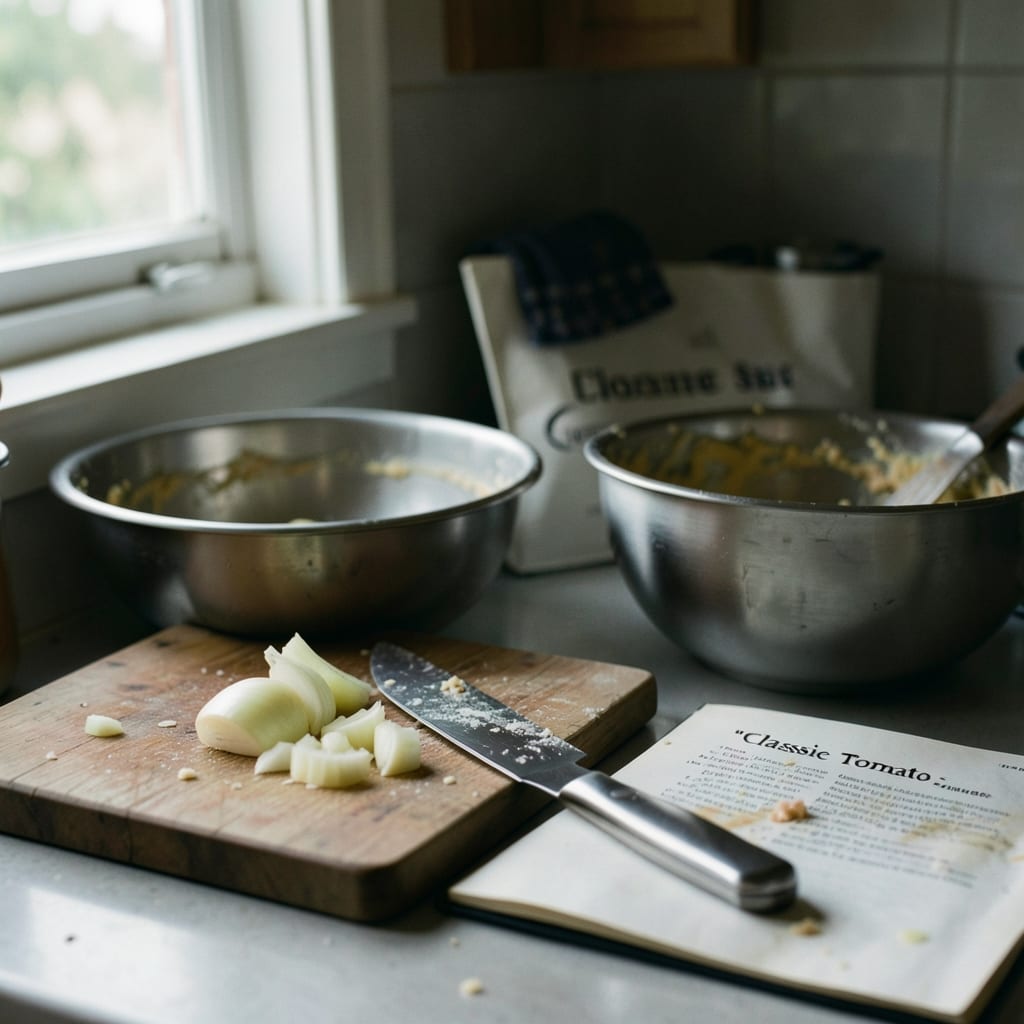
What changed, and what it changed for you
This site began as a way to dump recipes I liked into a WordPress template I found online. There was no rhyme or reason to what was posted—just whatever I stumbled across or thought might work. The photos? Often pulled from Google Images with a quick rename. The instructions?
Sometimes copied verbatim, sometimes not even tested. If you landed here back then, you might have found a dish that sounded good but didn’t quite deliver.
Now, every recipe is tested at least three times before it’s published. I write the steps myself, measure the ingredients, and taste as I go. The photos are my own, even if they’re not award-winning.
The goal isn’t perfection—it’s making sure the dish actually works for someone cooking it at home. The site still feels like a work in progress, but at least it’s *mine* now.
| It used to be | Now it is |
|---|---|
| Recipes copied from other sites without testing. | Every recipe tested in my kitchen, with adjustments for real cooking. |
| No consistent structure—some recipes had steps, others just ingredient lists. | A standard format: ingredients, method, timings, and tips for every dish. |
| Photos borrowed from Google Images or stock sites. | Photos taken by me, even if they’re not perfect. |
| No clear focus—random dishes, no theme or organization. | Organized by cuisine, technique, and occasion, with a focus on rice and grains. |
The one that took years
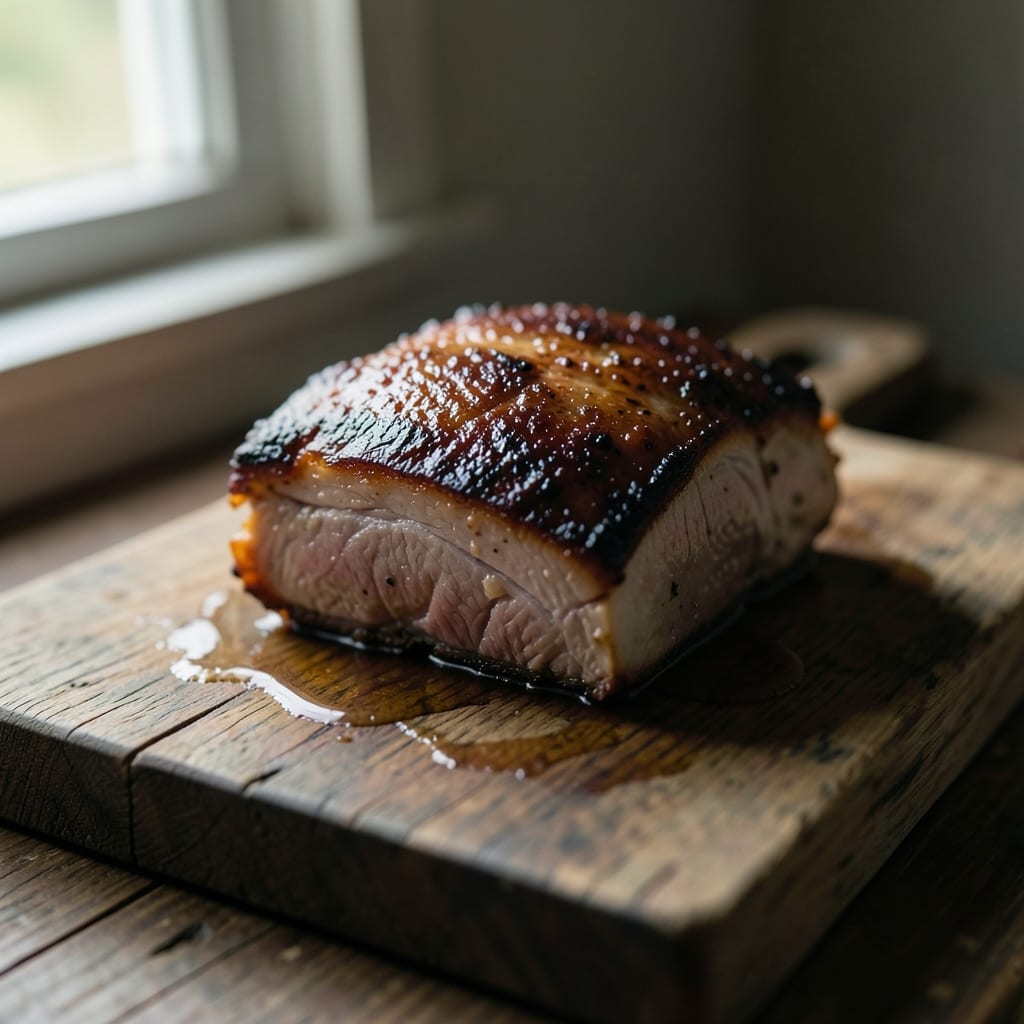
The biggest mistake? Trusting recipes I didn’t test. For years, I’d post a dish because it sounded interesting or because a food blogger I admired swore by it. Half the time, it didn’t work—either the ingredients were wrong, the method was unclear, or the flavors just didn’t come together.
I’d fix it in my head but never go back to update the post. *
The problem wasn’t laziness—it was ego. I thought if a recipe was popular elsewhere, it must be good. I didn’t want to admit I might be wrong, or that I might not be able to replicate it. So I kept posting untested dishes, hoping for the best.
It wasn’t until I started getting the same complaints over and over that I realized: if a recipe fails three times, it’s not the reader’s fault. It’s mine.
The turning point came when I burned a batch of risotto so badly I had to throw it out. Not just once, but three times in a row. I finally sat down and wrote out the steps myself, measuring everything, tasting as I went.
The first version was a disaster, but by the fifth try, it was edible—and by the tenth, it was actually good. That’s when I decided: no recipe would ever go live unless I’d made it at least three times. It’s slower, it’s more work, and sometimes I still mess up.
But now, if a recipe fails, it’s because I failed to explain it right—not because I never tried it myself.
Meet the author

I used to think cooking was about following rules. If a recipe said *‘sauté the onions,’* I sautéed them until they were golden. If it said *‘simmer for 20 minutes,’* I set a timer and didn’t touch the pot. The results were usually fine, but they never felt like *mine*.
I’d make a dish exactly as written, and it would taste good—but if I tried to tweak it, everything fell apart. I didn’t trust my own instincts, so I never bothered to develop them.
The worst moment? A friend asked me to make her grandmother’s famous paella. I followed the recipe step by step, even down to the exact brand of saffron. When it was done, she took one bite and said, *‘This isn’t right.’* I’d ruined it.
Not because I messed up the steps, but because I didn’t understand *why* those steps mattered. The saffron wasn’t the issue—the timing was. The rice wasn’t the issue—the heat was. I’d treated cooking like a math problem, not an art.
That’s when I realized: if I didn’t learn to listen to my own kitchen, I’d never cook anything worth sharing.
I stopped copying.
Now, I test every recipe myself, and I write the instructions as if I’m talking to someone who’s never cooked before—or to someone who’s about to burn their first batch of rice.
This site is where Bruno Cardoso shares the dishes that work in my kitchen, with all the mistakes and triumphs still visible. If you’re here, you’re not just getting a recipe. You’re getting the story behind it—and maybe, just maybe, a little less stress about your own cooking.
What did not change
The core idea hasn’t shifted: this site is for people who want food that tastes good but don’t have time to overcomplicate it. Whether it’s a weeknight dinner or a weekend project, the goal is the same—dishes that feel special without requiring a degree in culinary arts.
I still believe in the power of simple ingredients, bold flavors, and a little patience. The methods might be more reliable now, but the heart of it remains: food that feels like home.
I also still burn things. A lot. The difference is, now I write about it. If a recipe fails, I’ll tell you why—and how to fix it next time. The mistakes aren’t hidden. They’re part of the process.
That’s the one thing that hasn’t changed: this site is still a work in progress, just like my cooking.
What is still being fixed
Right now, I’m focused on two things: making the site faster to load (because nobody wants to wait for a recipe) and adding more videos for techniques that are hard to explain in words.
Some recipes still need better photos—lighting is a nightmare—and I’m working on a system to track reader feedback so I can update old posts when they’re clearly not working. If you’ve ever landed on a recipe that felt *off*, that’s what I’m trying to fix.
Got a suggestion, a question, or a dish you’d love to see here? The contact page is the best place to tell me about it.
Things that would help
- Let me know if a recipe doesn’t work—what went wrong and how you’d fix it.
- Share your own tweaks or variations (with credit, of course!).
- Tell me what you’d love to see more of—specific cuisines, techniques, or types of dishes.
The recipes are grouped by category: Appetizers, Beverages, Breakfast & Brunch, Desserts, Main Courses and Salads.