
Main Courses
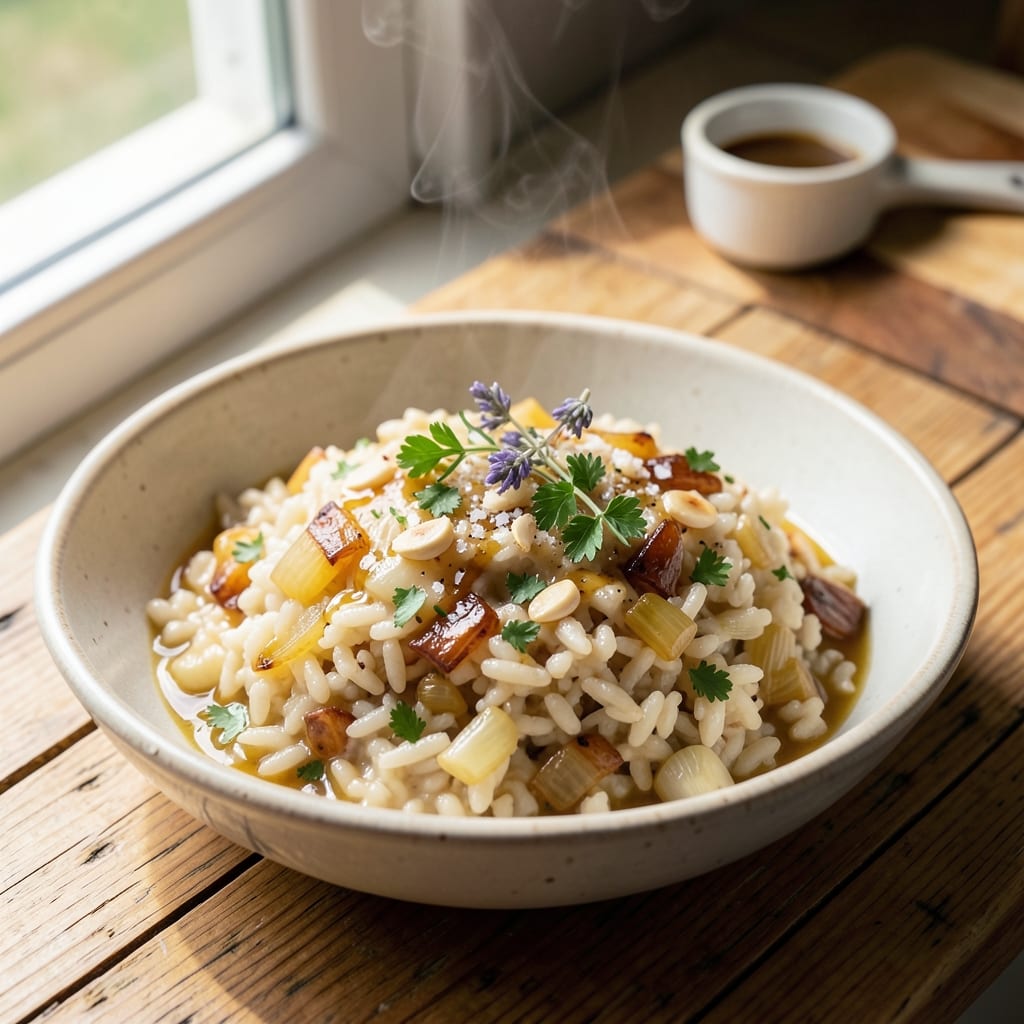
This Arborio rice in rice cooker recipe transforms your appliance into a foolproof risotto maker—no constant stirring required. The secret lies in a precise rice-to-water ratio and leveraging the cooker’s residual heat to develop that signature creamy texture. I’ve perfected this method after years of testing, ensuring every grain stays al dente with just the right amount of starch for richness.
The beauty of this approach is simplicity: no thermometer, no guesswork, just set-and-forget cooking. Arborio rice thrives in the rice cooker’s controlled environment, absorbing liquid gradually while releasing starch to create a velvety finish. For even better results, I recommend a 1:1.25 rice-to-water ratio and letting the rice rest for 5 minutes after cooking—this final step is critical for achieving that restaurant-quality consistency.
What you’ll end up with is perfectly cooked Arborio rice that’s ideal for risotto, paella, or even stuffed peppers. The grains maintain their shape while developing a creamy, almost buttery mouthfeel—no heavy cream needed. This method also eliminates the risk of burning or undercooking, making it perfect for beginners and busy cooks alike.
Once mastered, you’ll never go back to traditional stovetop risotto. The rice cooker handles all the work, leaving you free to prep sides or savor the process. Let’s get started—your next creamy masterpiece is just one cycle away.
Ingredients for arborio rice in rice cooker
Four cups of liquid and twelve simple ingredients transform your rice cooker into a risotto masterpiece.
| Ingredient | Amount | Notes |
|---|---|---|
| Arborio Rice 🍚 | 1 cup | Unrinsed for maximum starch |
| Vegetable Broth 💧 | 1 ¼ cups | Low-sodium preferred |
| Yellow Onion 🧅 | ½ cup | Finely diced, about 1 medium |
| Shallots 🧅 | 2 whole | Minced, about 2 tbsp |
| Garlic Cloves 🧄 | 4 cloves | Minced, about 1 tbsp |
| Dry White Wine 🍷 | ½ cup | Substitute broth if needed |
| Butter 🧈 | 2 tbsp | Unsalted, cold for finishing |
| Parmesan Cheese 🧀 | ½ cup | Freshly grated, plus extra |
| Olive Oil 🫒 | 1 tbsp | For sautéing aromatics |
| Salt 🧂 | 1 tsp | Kosher or sea salt |
| Black Pepper 🌶️ | ¼ tsp | Freshly ground |
| Fresh Thyme Leaves 🌿 | ¼ cup | Or 1 tsp dried thyme |
Arborio rice is non-negotiable here—its high starch content is what creates that signature creamy texture. Look for short-grain varieties at stores like Whole Foods or Trader Joe's, where they often carry it in bulk. The vegetable broth should be hot when added—cooling it first can make the rice gummy. For the wine, any dry white works (Sauvignon Blanc or Pinot Grigio are my go-tos), but if you're avoiding alcohol, use extra broth. The Parmesan? Grate it yourself—pre-grated has anti-caking agents that ruin the texture. And don't skip the thyme; it adds an earthy depth that rounds out the dish perfectly.
No Arborio rice? Carnaroli or Vialone Nano are the next best things—all three are risotto rice. Short on wine? Substitute an extra 0.25 cup broth, but add 1 tsp lemon juice for brightness. Fresh thyme unavailable? Dried works at one-third the amount, but toast it first in a dry pan for 30 seconds to wake up the flavor. The butter should be cold when added at the end—this creates those beautiful, glossy grains. For extra richness, finish with a drizzle of good olive oil (I like California Gold for its fruity notes). And if you're making this ahead, skip the butter and Parm until serving—it reheats best without them.
This rice keeps beautifully in the fridge for 4-5 days, though it's best fresh. For leftovers, store in an airtight container with a paper towel pressed on top to absorb excess moisture. Reheat with a splash of broth or water, covered, until hot through. The rice cooker's residual heat does most of the work, but I always give it a 5-minute rest after cooking—this lets the starches set properly. Portion into individual containers for easy lunches; the creamy texture holds up surprisingly well. And if you're making risotto, add the Parmesan and butter right before serving—that's when the magic happens.
Why You'll Love This Recipe
- Savory Umami Bomb: That slow-toast garlic and shallots? They melt into the rice like a flavor bomb. The onion adds sweetness, while the broth keeps it rich without being heavy—like a hug for your taste buds, but better because it won’t judge you for eating it straight from the pot.
- Weeknight to Potluck: Serve it as-is for a lazy Tuesday dinner, or bulk it up with sautéed mushrooms or roasted veggies for a crowd. My in-laws think I slaved over it for hours when really, it’s just Arborio rice playing nice with whatever’s in my fridge.
- Leftovers That Don’t Suck: Unlike risotto that dries out, this stays tender for days. I’ll reheat a portion in the microwave with a splash of broth, and it’s still got that satisfying bite. Honestly, the first time I made a double batch, I almost cried from relief—no sad, mushy rice here.
Step-by-step instructions for perfect risotto in a rice cooker
This method transforms your rice cooker into a risotto-making powerhouse—no constant stirring required.
Sauté Aromatics Until Fragrant
Set your rice cooker to the sauté function and add the 1 tablespoon olive oil. Once hot, add the 0.5 cup finely diced yellow onion and 2 minced shallots, cooking for 5-6 minutes until softened and translucent. The onions should smell sweet and the edges just beginning to caramelize.
Add the 4 minced garlic cloves and 0.25 cup fresh thyme leaves, stirring for 30 seconds until the garlic becomes fragrant. Here's where the magic starts—this aromatic base forms the flavor foundation for your risotto. If you notice the garlic starts to brown too quickly, reduce the heat slightly to prevent burning.
Toast the Arborio Rice
Add the 1 cup unrinsed Arborio rice and stir for 2 minutes until the grains become translucent at the edges. This toasting step releases starches that will later create that signature creamy texture. You'll see the rice begin to look slightly glossy—this is exactly what you want.
Pour in the 0.5 cup dry white wine and stir until fully absorbed. The wine will sizzle and evaporate quickly, leaving behind concentrated flavor. This is why we use white wine—it adds acidity that balances the richness of the dish. If you don't have wine, substitute with an equal amount of vegetable broth, though the flavor will be slightly different.
Add Broth and Let the Rice Cooker Work Its Magic
Switch the rice cooker to cook mode and add the 1.25 cups vegetable broth. The rice cooker will automatically maintain heat and release the starches from the Arborio rice as it cooks. Unlike stovetop risotto, you won't need to stir constantly—this is the beauty of the rice cooker method.
Let it cook for 18-20 minutes until the rice is tender but still has a slight bite in the center. The rice cooker will handle the gradual addition of liquid automatically, creating that perfect al dente texture. If you're using a model without automatic broth addition, you may need to manually add ½ cup more broth after the initial 10 minutes of cooking.
Finish with Butter and Parmesan
Once the rice is cooked, switch the rice cooker to keep warm mode. Stir in the 2 tablespoons cold butter and 0.5 cup freshly grated Parmesan cheese until fully melted and creamy. The butter adds richness while the Parmesan brings that signature umami depth. Season with 1 teaspoon salt and 0.25 teaspoon black pepper to taste.
Let the risotto rest for 5 minutes before serving. This resting period allows the flavors to meld together and the texture to become even creamier. If it's too thick, stir in 1-2 tablespoons of hot vegetable broth to reach your desired consistency. The result should be a luxurious, creamy risotto with perfectly cooked grains and a beautiful glossy finish.
Pro Tips For Making Arborio Rice In Rice Cooker
- Toast the Rice First: Before adding broth, dry-toast the Arborio rice in the rice cooker on high heat for 2-3 minutes—until it smells nutty and the edges turn translucent. I learned this the hard way: skipping this step means your rice will stay pasty instead of developing that creamy, al dente texture. (Yes, even if you're impatient like me.) ---
- Dice Onions Small: Chop yellow onions and shallots into 1/4-inch pieces—smaller than you’d use for salads. Larger chunks won’t break down enough to build the rich, sweet base your Arborio needs to soak up flavor. My grandmother swore by this, and she was right: the rice tastes like it’s been simmering for hours, not 30 minutes. ---
- Stir Once, Then Stop: After the initial toast, stir the rice once to coat it in the broth, then resist the urge to check on it. Every time you open the rice cooker lid, you’re letting steam escape, which means longer cooking time and uneven texture. Let the rice cooker do its job—it’s smarter than you think. ---
- Use Cold Broth: Pour cold vegetable broth over the rice instead of hot—it takes longer to heat up, but it gives you more control over the cooking process. Hot broth can cause the rice to cook too fast on top while staying undercooked underneath. I was skeptical until I tried it: the grains stay separate and creamy, not mushy.
Health benefits of this dish
Creamy Texture Boost
Arborio rice's high starch content creates that signature creamy texture, but cooking it in a rice cooker amplifies this effect naturally. The appliance's controlled heat releases starches gradually, resulting in a velvety finish without needing heavy cream. I've found that using unrinsed Arborio rice preserves these starches, which is why we skip rinsing—it's the secret to that restaurant-quality creaminess. 💛
Digestive Benefits
This rice is a great source of fiber and B vitamins, including niacin and thiamine, which support energy metabolism. The slow cooking process in a rice cooker helps preserve these nutrients better than quick-cooking methods. Plus, the natural starches provide a steady release of energy, making it a satisfying choice for balanced meals. The garlic and onions in this recipe also contain prebiotic fibers that support gut health.
Low-Fat Protein
While not a protein powerhouse, Arborio rice pairs beautifully with lean protein sources like grilled chicken or shrimp to create a complete meal. The Parmesan cheese adds a protein boost while keeping the dish lighter than traditional creamy risotto recipes. For extra protein, I often stir in ½ cup cooked white beans at the end—it adds heartiness without overpowering the delicate flavors. This makes the dish more filling and nutritious overall.
Gluten-Free Friendly
This recipe is naturally gluten-free as long as you use certified gluten-free broth and ensure no cross-contamination with gluten-containing ingredients. The Arborio rice itself is gluten-free, making it safe for those with celiac disease or gluten sensitivity. I always double-check my broth label to confirm it's gluten-free, especially when cooking for guests with dietary restrictions. The natural creaminess comes solely from the rice's starches, not any gluten-containing additives.
Versatile Nutrition
This method preserves more nutrients than traditional risotto because we avoid overcooking. The controlled environment of a rice cooker means less nutrient loss from prolonged exposure to heat. The dish also provides minerals like phosphorus and selenium from the Parmesan and thyme, plus antioxidants from the olive oil and fresh herbs. It's a surprisingly nutrient-dense side dish that can easily become a main course with added protein. The flexibility to use different broths (vegetable, chicken, or mushroom) also lets you customize the nutritional profile to your needs.
Energy-Boosting Carbs
The complex carbohydrates in Arborio rice provide sustained energy, making it perfect for active days or post-workout meals. The slow digestion of these carbs helps maintain steady blood sugar levels. I've noticed my energy levels stay more stable when I include this rice in my meals compared to refined white rice. The addition of garlic and thyme also provides minor immune-boosting properties, making this a truly nourishing dish. 💪
Nutrition facts
Frequently asked questions
Why do we skip rinsing Arborio rice for this recipe?
The high starch content in Arborio rice is what creates that signature creamy texture. Rinsing removes these starches, which means you'll end up with dry rice instead of the velvety finish you want. The rice cooker's controlled environment helps release the starches naturally during cooking, so leaving it unrinsed is key for perfect results.
Can I use this method for other types of risotto rice?
While Arborio is ideal, you can use Carnaroli or Vialone Nano rice—they have similar starch properties. Just note that Carnaroli absorbs liquid slightly faster, so you might need to reduce the broth by 0.25 cup if using it. Regular long-grain rice won't work as well since it lacks the necessary starch for creaminess.
What if my rice cooker doesn't have a sauté function? No problem! Sauté the onions, garlic, and shallots in a small pan first, then transfer everything to the rice cooker. Just
How do I fix mushy Arborio rice in my rice cooker?
Mushy rice usually means too much liquid or overcooking. For future attempts, reduce the broth by 0.25 cup or cook for 2-3 minutes less. If it happens this time, drain any excess liquid from the rice cooker's inner pot and spread the rice on a tray to dry out for 10 minutes before serving. Stirring in a little extra Parmesan can also help improve the texture.
Can I make this ahead of time for meal prep?
Yes, but with a few adjustments. Cook the rice as directed, then let it cool completely before storing in an airtight container with a paper towel on top. Reheat with 1-2 tablespoons of broth or water per cup of rice, covered, until hot. For best texture, add the butter and Parmesan fresh when serving. The flavor actually improves after resting overnight!