
Salads
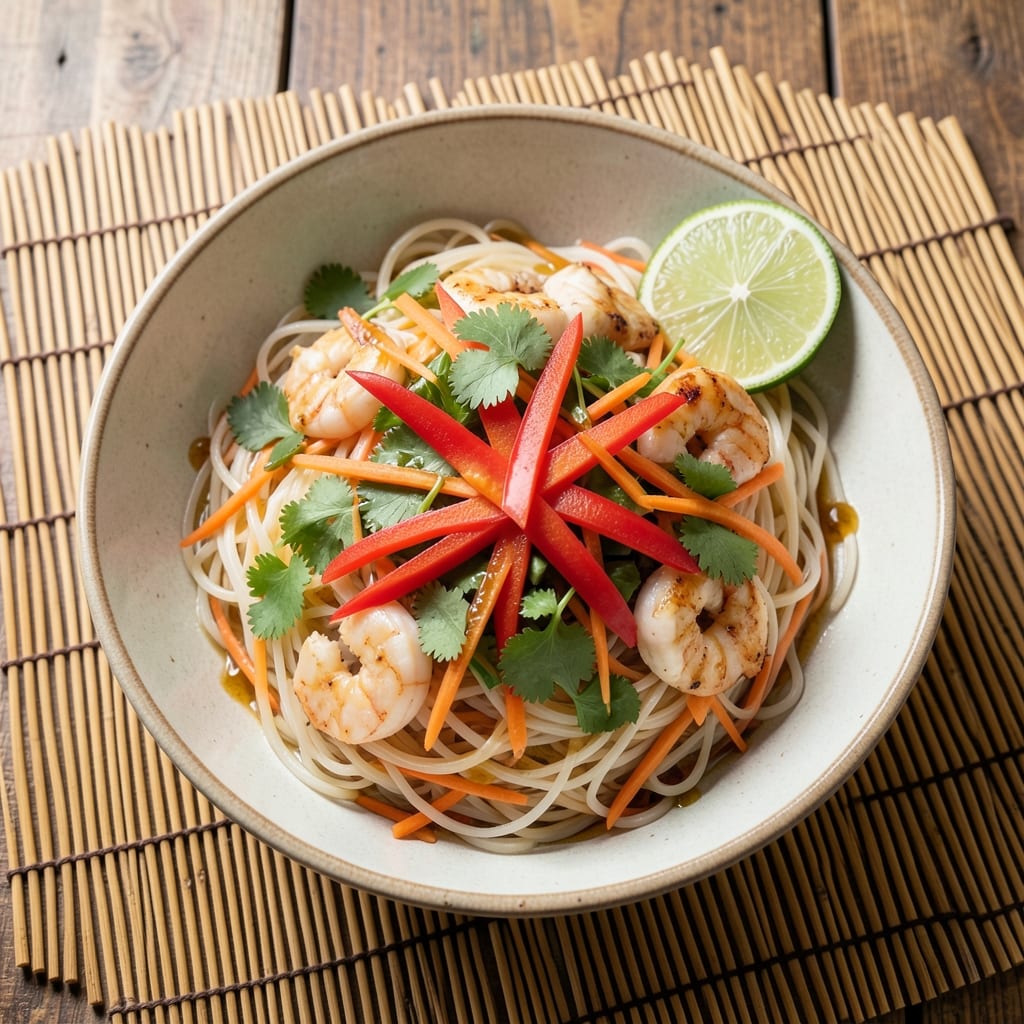
This Asian rice noodle salad recipe delivers the perfect balance of crisp-tender vermicelli and bright, zesty flavors in every bite. The secret lies in properly cooking the noodles until they're just al dente, then tossing them with a vibrant lime dressing that keeps them from turning mushy. I've perfected this dish over years of testing, and it consistently earns rave reviews—whether served as a light lunch or a refreshing side.
The foundation starts with rice noodles that hold their texture while absorbing the dressing beautifully. We'll stir-fry fresh vegetables like bell peppers and carrots to maintain their crunch, then combine everything with a protein of your choice—grilled shrimp, chicken, or tofu all work wonderfully. The lime dressing, made with fish sauce, garlic, and a touch of chili, adds that signature tangy kick that makes this salad unforgettable.
What you'll end up with is a dish that's restaurant-quality yet simple enough for weeknight dinners. The noodles stay crisp-tender, the vegetables retain their crunch, and the dressing coats everything perfectly without overwhelming the natural flavors. This salad is versatile enough for picnics, office lunches, or elegant gatherings—it always delivers.
Ready in just 25 minutes, this recipe proves you don't need complicated techniques to create something special. The key is balancing textures and flavors at every step, ensuring each bite is as satisfying as the first. Let's get started on this refreshing, flavor-packed salad that's perfect for any occasion.
Ingredients for asian rice noodle salad
Eight essential ingredients plus your choice of protein create this restaurant-worthy salad.
| Ingredient | Amount | Notes |
|---|---|---|
| Rice Noodles (Vermicelli) 🍜 | 8 oz | Flat rice noodles, uncooked |
| Red Bell Pepper 🧅 | 1 whole | Thinly sliced, any color |
| Carrots 🥕 | 2 medium | Julienned or matchstick cut |
| Fresh Cilantro 🌿 | ½ cup | Chopped stems and leaves |
| Lime Juice 🍋 | ½ cup | Freshly squeezed, strained |
| Fish Sauce 🍶 | 2 tbsp | Red Boat preferred |
| Garlic Cloves 🧄 | 4 cloves | Minced or finely chopped |
| Fresh Chili 🌶️ | 1 whole | Thinly sliced, like serrano |
| Sesame Oil 🫒 | 1 tbsp | Toasted, for aroma |
| Peanuts 🥜 | ¼ cup | Crushed or chopped |
| Protein of Choice 🍗 | 1 lb | Grilled shrimp, chicken, or tofu |
| Vegetable Oil 🫒 | 2 tbsp | For stir-frying |
| Salt 🧂 | ½ tsp | Diamond Crystal preferred |
| Sugar 🍬 | 1 tsp | White or brown |
The rice noodles are non-negotiable—Thai Kitchen brand or Vermicelli rice noodles from the Asian aisle hold their texture best. Look for flat, not round, and make sure they're 100% rice. The Red Boat fish sauce is worth the splurge if you can find it, but any good-quality brand works. Fresh garlic and chili are key here: garlic should smell pungent, and the chili should have a little heat. I usually grab serrano peppers at Trader Joe's—they're consistent and affordable. For the protein, if you're using shrimp, frozen tail-on works great—just thaw and grill them first.
No fish sauce? Soy sauce or coconut aminos in a pinch, but the flavor will be different. Skip the chili? Extra lime juice and a pinch of sugar will compensate. The carrots can be baby carrots if that's what's in the fridge—just cut them into matchsticks. For the peanuts, unsalted is best so you control the seasoning, but salted works if you reduce the salt in the dressing. The lime juice is crucial—always use fresh. Bottled lime juice has no brightness. If you're prepping ahead, make the dressing first and store it separately until ready to toss with the noodles.
This salad tastes even better the next day—the noodles absorb the dressing perfectly after a few hours. Store components separately in airtight containers for 3-4 days. The dressing keeps for 1 week in the fridge. For extra crunch, toast the peanuts in a dry pan for 2 minutes before adding. Double the dressing if you're making this for a crowd—it's that good. The noodles will soften slightly when refrigerated, so cook them 1 minute less than package instructions if prepping ahead.
Why You'll Love This Recipe
- No-Soaking Needed: I swear by the quick-soak method—just 10 minutes in hot water, then rinse—and those noodles stay tender without turning mushy. No fancy equipment, no waiting hours, just ready-to-go freshness.
- Bright & Tangy Kick: That lime juice doesn’t just brighten—it transforms the dish. The citrus cuts through the sweet carrots and pepper, while cilantro adds a fresh herbal punch that makes every bite feel like a little vacation.
- Lunchbox Legend: Between us, this is my go-to for packed lunches. The noodles hold up for days, the veggies stay crisp, and the dressing clings perfectly. Honestly, my coworkers think I’m a meal-prep genius.
- Budget Crunch Saver: I buy noodles in bulk, use whatever bell peppers are on sale, and stretch it into three meals. For under $5, I’ve got a salad that feels fancy but costs next to nothing—perfect for when the wallet’s tight.
Step-by-step instructions for crisp-tender vermicelli with zesty lime dressing
Here's how to achieve perfectly tender rice noodles and a vibrant dressing that balances sweet, salty, and spicy notes.
Prepare the Protein and Vegetables
Start by cooking your 1 lb protein of choice according to package instructions until fully done. For shrimp, this means 2-3 minutes per side in a hot skillet with 2 tbsp vegetable oil until pink and opaque. For chicken, grill or pan-sear for 6-8 minutes per side until internal temperature reaches 165°F. Let the protein rest for 5 minutes before slicing or chopping into bite-sized pieces.
While the protein cooks, prepare the vegetables. Thinly slice the 1 whole red bell pepper into ¼-inch strips and julienne the 2 medium carrots into ¼-inch matchsticks. Thinly slice the 1 whole fresh chili and finely chop the 4 cloves garlic. Chop the 0.5 cup fresh cilantro into small pieces, leaving some leaves whole for garnish. Keep all prepped ingredients separate until ready to combine.
Cook the Rice Noodles to Al Dente Perfection
Bring a large pot of water to a rolling boil. Add the 8 oz rice noodles (vermicelli) and cook for exactly 2 minutes. The noodles should be tender but still slightly firm to the bite—this is crucial for that crisp-tender texture. Drain immediately in a colander and rinse under cold water for 10 seconds to stop the cooking process. Shake off excess water and transfer to a large mixing bowl.
Here's the thing—overcooking rice noodles makes them mushy. You want them to hold their shape when tossed with the dressing but still be tender enough to eat. If they feel too firm after 2 minutes, add 30 seconds more, but don't go beyond 2 minutes 30 seconds.
Create the Signature Lime Dressing
In a small bowl, whisk together the 0.5 cup lime juice, 2 tbsp fish sauce, 1 tsp sugar, 0.5 tsp salt, and 1 tbsp sesame oil. Taste and adjust the balance—you want a harmonious blend of sweet, salty, tangy, and umami. The dressing should coat the back of a spoon but still be pourable.
I like to add the 1 tbsp sesame oil last because it's delicate and can overpower the other flavors if added too early. The toasted aroma will infuse the dressing as you whisk. If the dressing seems too thick, add 1 teaspoon water at a time until it reaches your desired consistency.
Assemble and Toss the Salad
Add the cooked protein, red bell pepper, carrots, garlic, and chili to the drained rice noodles. Pour the lime dressing over everything and gently toss with clean hands or tongs until everything is evenly coated. The noodles should glisten with the dressing, but don't overmix or they'll break.
Real talk: This is the moment that matters. The dressing should cling to the noodles and vegetables, creating a vibrant, flavorful coating. If it looks dry, add 1 tablespoon lime juice or water to loosen it up. Sprinkle the 0.25 cup crushed peanuts and reserved cilantro leaves over the top just before serving.
Serve Immediately for Maximum Freshness
Transfer the salad to serving plates and garnish with additional cilantro leaves and a sprinkle of crushed peanuts. Serve immediately while the noodles are still crisp-tender and the dressing is vibrant. Each bite should deliver a perfect balance of textures—crisp vegetables, tender noodles, and a zesty dressing that brightens every mouthful.
Don't skip the immediate serving—rice noodles lose their crispness as they cool. If you need to prepare ahead, cook the protein and vegetables separately, store them in the fridge, and assemble the salad just before serving. The dressing can be made up to 24 hours in advance and stored in an airtight container.
Pro Tips For Making Asian Rice Noodle Salad
- SOAK NOODLES SEPARATELY: Dump the entire bag of rice noodles into boiling water and you’ll end up with a mushy, gluey mess. Split them into two batches—soak half for 5 minutes, drain, rinse in cold water, then repeat with the rest. This keeps them firm and easy to handle, especially when tossing with veggies later.
- JULIENNE CARROTS FAST: Slice carrots into matchsticks by cutting them in half lengthwise first, then stack two halves and slice thinly—no mandoline needed. For extra crunch, shock them in ice water after cutting. (Yes, even if you’re impatient like me.)
- TOSSED NOT SOGGY: Drain the noodles well, then spread them on a tray to cool for 10 minutes before mixing. Wet noodles turn to paste when combined with dressing, and no one wants a sad, limp salad. (Your future self will thank you.)
- LIME JUICE FIRST: Mix lime juice with a splash of water and salt before adding to the salad. This balances the acidity and prevents the noodles from absorbing all the liquid at once. (I learned this the hard way—overly tangy, watery salads are a nightmare.)
Common mistakes when making this dish
Overcooked Noodles
This is the #1 mistake I see—rice noodles that turn into a mushy mess. The secret is cooking them for exactly 2 minutes in boiling water. They should be tender but still slightly firm to the bite. I've ruined countless batches by letting them sit in hot water too long. Drain immediately and rinse under cold water for 10 seconds to stop the cooking process. 🍜
Dressing Too Thick
When the dressing is too thick, it clumps instead of coating the noodles evenly. I've learned the hard way that 1 tbsp sesame oil should be added last and whisked gently. If it's still too thick, add 1 teaspoon water at a time until it reaches a pourable consistency. The dressing should coat the back of a spoon but not be glue-like.
Skipping the Cold Water Rinse
Many people forget to rinse the noodles under cold water after draining. This crucial step stops the cooking process immediately and prevents them from becoming gummy. I now make it a point to always rinse for 10 seconds—it makes all the difference in texture. Never skip this step if you want that perfect crisp-tender bite.
Overmixing the Salad
Tossing the salad too vigorously breaks the noodles into tiny pieces. Instead, use clean hands or tongs to gently fold everything together. The goal is to coat the noodles evenly without shredding them. I've seen beautiful salads ruined by enthusiastic mixing—less is definitely more here. 💫
Using Bottled Lime Juice
Bottled lime juice lacks the brightness and complexity of fresh. I used to make this mistake when I was lazy, but now I always use freshly squeezed lime juice. The flavor profile changes dramatically—fresh lime adds that essential tangy kick that makes the salad sing. If you must use bottled, add an extra ½ teaspoon of sugar to compensate.
Adding Peanuts Too Early
Peanuts should be sprinkled on top just before serving to maintain their crunch. Adding them earlier makes them soggy from the dressing. I've learned to always add them last—this simple trick keeps the texture perfect. The same goes for fresh herbs like cilantro—they should go on top right before eating to preserve their freshness. 🥜
Nutrition facts
Frequently asked questions
Can I use other types of rice noodles for this recipe?
This recipe is specifically designed for flat rice noodles (vermicelli), which hold their shape beautifully. Round rice noodles or thicker varieties like pad Thai noodles won't work as well—they'll turn mushy when tossed with the dressing. If you can't find vermicelli, rice stick noodles (like those used in pho) can be substituted, but you may need to adjust cooking time to 3-4 minutes instead.
What if I don't have fresh fish sauce?
Fish sauce is essential for that signature umami depth, but you can substitute with soy sauce or coconut aminos in a pinch. Use the same amount (2 tbsp) and add an extra ½ teaspoon of sugar to balance the saltiness. The flavor won't be identical, but it'll still taste delicious. For best results, try to find a good-quality fish sauce—Red Boat is my top recommendation.
How do I make this salad gluten-free?
This recipe is naturally gluten-free as long as you use certified gluten-free fish sauce. Always check labels, as some brands contain wheat. For extra safety, use tamari instead of soy sauce if substituting, and ensure your peanuts are processed in a gluten-free facility. The noodles themselves are made from rice, so they're safe for most gluten-free diets.
Can I make this salad ahead of time?
For best texture, prepare components separately and store them in airtight containers in the fridge for up to 3-4 days. Cook the protein and chop vegetables ahead, but keep the dressing separate until ready to serve. When assembling, cook the noodles fresh (they won't reheat well) and toss everything together just before eating. The dressing can be made up to 24 hours in advance.
What's the best way to reheat leftovers?
This salad isn't ideal for reheating because the noodles lose their crisp-tender texture when warmed. If you must reheat, use a microwave for 30 seconds and toss with 1 teaspoon lime juice to revive the flavors. For best results, always make fresh—it takes just 25 minutes and tastes even better when served immediately. The flavors actually improve after 30 minutes of resting, though!