
Main Courses
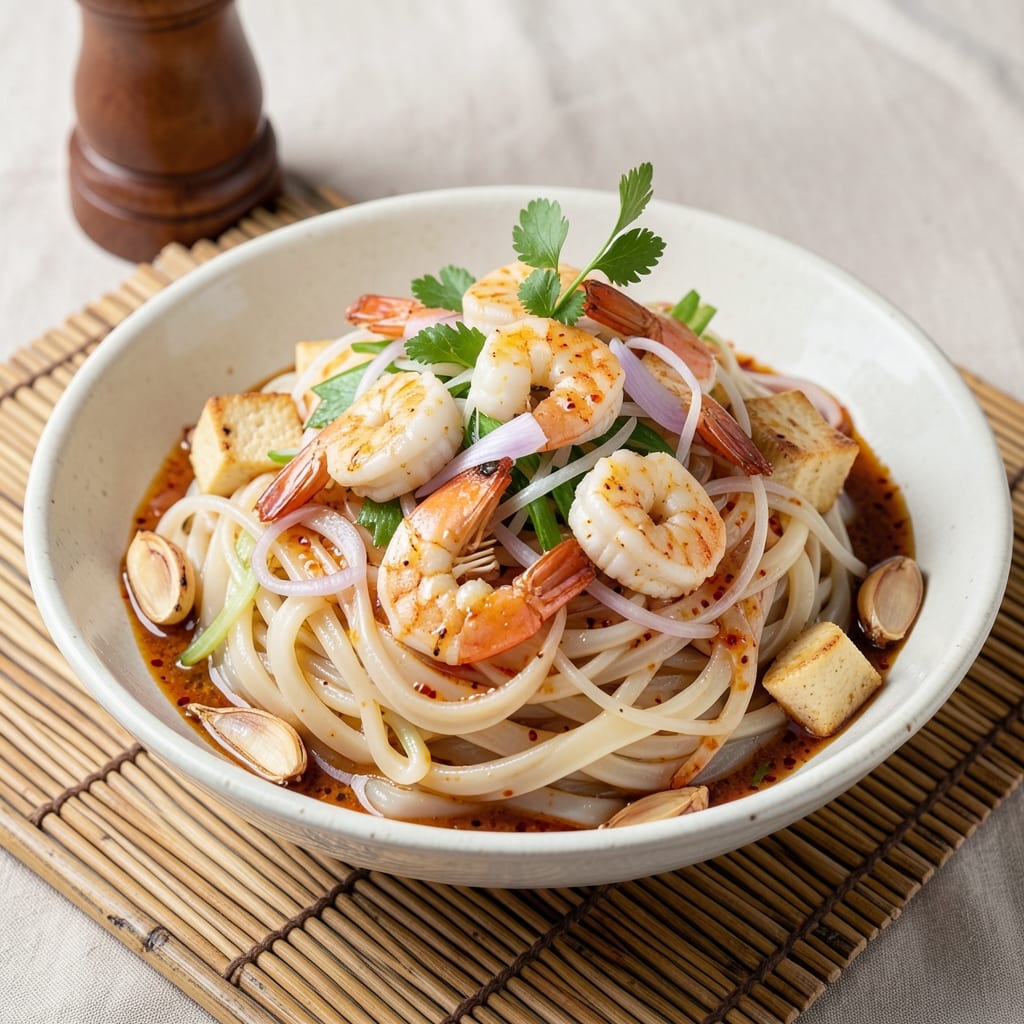
This Asian style rice noodle recipe delivers a restaurant-quality wok-tossed dish with umami crunch in just 15 minutes—no takeout required. The secret lies in balancing tamarind, fish sauce, and chili for that signature tangy-savory kick, while high-heat stir-frying creates crisp edges on tender noodles. I perfected this after years of testing quick weeknight meals that still feel special, and it’s now my go-to for feeding a crowd or a solo dinner craving something bold.
The magic happens in layers: chewy rice noodles absorb the sauce perfectly when cooked al dente, while aromatics like garlic, ginger, and shallots build depth before the protein (tofu, shrimp, or chicken) gets seared. A quick toss with crushed peanuts and fresh herbs adds that irresistible crunch and brightness. What you end up with is a dish that’s restaurant-quality at home—packed with texture, flavor, and a satisfying bite that keeps you reaching for seconds.
This recipe is designed for efficiency without compromise: prep takes 10 minutes, cooking 5 minutes, and cleanup is minimal. The sauce comes together in a bowl while you prep the noodles and protein, so everything hits the wok at the same time. Whether you’re serving it over lettuce cups for a low-carb twist or piling it onto a plate with lime wedges, the result is a dish that’s equally impressive as a main or a side.
The beauty of this recipe is its versatility—swap proteins based on what you have, adjust the heat level to your taste, or even turn it into a noodle soup by adding broth. It’s the kind of meal that transforms a simple pantry staple into something memorable, proving that quick doesn’t mean lacking in flavor. Let’s get cooking—your wok is waiting.
Ingredients for asian style rice noodle
Pantry staples meet bold flavors for a quick, restaurant-worthy wok-tossed noodle dish.
| Ingredient | Amount | Notes |
|---|---|---|
| Rice Noodles 🍜 | 8 oz | Flat, medium-width type preferred |
| Extra-Firm Tofu 🥬 | 1 lb | Pressed and cubed |
| Large Shrimp 🦐 | 1 lb | Peeled, deveined, tails on |
| Garlic Cloves 🧄 | 6 cloves | Minced, aromatic base |
| Fresh Ginger 🌿 | 2 tbsp | Grated, finely minced |
| Shallots 🧅 | 2 whole | Thinly sliced, vibrant color |
| Red Chili Peppers 🌶️ | 2 whole | Thinly sliced, adjust heat |
| Tamarind Paste 🍯 | 2 tbsp | For signature tang |
| Fish Sauce 💧 | 2 tbsp | Red Boat brand preferred |
| Lime Juice 🍋 | 2 tbsp | Freshly squeezed |
| Vegetable Oil 🫒 | 3 tbsp | High smoke point |
| Crushed Peanuts 🥜 | ½ cup | Toasted for extra crunch |
| Fresh Cilantro 🌿 | ¼ cup | Chopped, bright garnish |
| Sesame Oil 🫒 | 1 tbsp | For aromatic finish |
| Salt 🧂 | 1 tsp | Diamond Crystal preferred |
The rice noodles are the star—look for flat, medium-width ones at Asian markets (they sell them in bags or rolls), not the thin vermicelli. Thai Kitchen brand is reliable if you can't find specialty stores. Soak them for 10-12 minutes until pliable but still slightly firm—over-soaking makes them mushy. The tofu? Extra-firm, pressed for 20 minutes in a towel with a heavy pan on top. Shrimp should be fresh or frozen thawed, but never pre-cooked. For the aromatics, garlic and ginger should smell vibrant—if they're stale, toast them lightly in the wok first to wake up their flavors.
No tamarind paste? Lime juice plus a pinch of sugar mimics the tang, though it won’t be identical. Fish sauce can be swapped for soy sauce plus a splash of oyster sauce, but you’ll lose some depth. The Red Boat brand is the gold standard—avoid the cheap stuff, which can taste harsh. For heat, Sichuan peppercorns add a numbing kick if you want to get fancy. The peanuts? Toast them in a dry pan for 2 minutes until fragrant—this makes all the difference. Fresh cilantro is ideal, but if you’re using dried, double the amount and steep in warm water for 10 minutes to rehydrate.
Prep everything before you start cooking—this dish moves fast. Store cooked noodles in an airtight container with a damp paper towel to keep them from drying out, and reheat with a splash of water and sesame oil. The sauce keeps for 5 days in the fridge, but the peanuts and herbs are best used within 3 days. For leftovers, I like to cold-press them into lettuce cups—it’s a fun, no-mess way to serve them again. Freeze the sauce base (without peanuts/herbs) for up to 3 months if you want to make it ahead.
Why You'll Love This Recipe
- Here’s what sold me: shrimp and tofu are cheaper than takeout, and this recipe stretches to feed four for under $15. Leftovers? Even better cold the next day, packed in lunchboxes, or tossed with leftover veggies. It’s my go-to for when the grocery budget’s tight but the cravings aren’t.
- No-Fuss Prep: Honestly, this dish is the kind of meal that forgives you for not being a chef. Tofu cubes and shrimp get a quick sear while the noodles soak—no fancy techniques, just a hot pan and 10 minutes of your time. The ginger and garlic? Just mince them while the water boils. That’s it.
- Umami Bomb: Between us, the combo of crispy tofu and juicy shrimp in that garlicky-ginger sauce is ridiculously good. The rice noodles soak up all the flavor without turning mushy, and that little char on the shrimp? Chef’s kiss. It’s the kind of dish that makes you want to eat it straight out of the pan.
- Weeknight to Party: I’ve served this to my book club (they asked for seconds) and my tired self on a Tuesday night (they didn’t ask for seconds, but they ate them anyway). The noodles reheat like a dream, and the protein holds up—perfect for meal prep or impressing guests when you’re too busy to stress.
Step-by-step instructions for wok-tossed umami rice noodles
Here's how to create vibrant, restaurant-quality rice noodles with perfect texture and bold flavors.
Prepare the Tofu and Shrimp
Begin by pressing the 1 lb extra-firm tofu between two paper towels for 15 minutes to remove excess moisture. Cut it into ½-inch cubes and set aside. For the shrimp, pat the 1 lb large shrimp dry with paper towels and season lightly with ½ tsp of the 1 tsp salt. This keeps them tender without over-salting.
Heat 1 tbsp of the 3 tbsp vegetable oil in a large skillet over medium-high heat. Add the tofu cubes and cook for 3-4 minutes, turning occasionally, until they develop a light golden crust. Remove and set aside. In the same pan, add another 1 tbsp vegetable oil and cook the shrimp for 1-2 minutes per side until they turn pink and opaque. Transfer both to a plate and keep warm.
Build the Umami-Packed Sauce
In a small bowl, whisk together the 2 tbsp tamarind paste, 2 tbsp fish sauce, 2 tbsp lime juice, and 1 tbsp sesame oil. This sauce is the heart of your dish—tamarind adds tang, fish sauce provides umami depth, and lime brightens everything. Set aside while you prep the aromatics.
In the same skillet (no need to clean it—the fond adds flavor), add the remaining 1 tbsp vegetable oil and heat over medium heat. Add the 6 cloves minced garlic cloves, 2 tbsp finely minced fresh ginger, and 2 whole thinly sliced shallots. Sauté for 2-3 minutes until fragrant and the shallots soften. Add the 2 whole thinly sliced red chili peppers and cook for 30 seconds to release their heat.
Cook the Rice Noodles
Bring a large pot of water to a boil and add the 8 oz rice noodles. Cook for 3-4 minutes until they're tender but still slightly firm—they'll finish cooking in the wok. Drain and rinse briefly under cold water to stop the cooking process and prevent clumping. Toss with 1 tsp sesame oil to keep them from sticking.
Here's the thing—rice noodles cook faster than you might expect. If you overcook them, they'll turn mushy. The key is to drain them al dente and finish them in the wok with the sauce and protein. This ensures they absorb all those incredible flavors without turning to mush.
Combine Everything in the Wok
Return the skillet with aromatics to high heat and add the cooked rice noodles. Pour in the tamarind-fish sauce mixture and toss everything together for 1-2 minutes until the noodles are evenly coated and heated through. The sauce should cling to the noodles, creating a glossy, flavorful finish.
Add the tofu and shrimp back to the wok, tossing gently to combine. Cook for another 30 seconds to heat through. The high heat ensures the shrimp stays warm while the noodles absorb all the sauce. If the mixture seems dry, add 1-2 tablespoons of water to loosen it.
Finish and Serve with Crunch
Remove the wok from heat and stir in the 0.5 cup toasted crushed peanuts and 0.25 cup chopped fresh cilantro. The peanuts add a satisfying crunch while the cilantro brightens the dish with freshness. Taste and adjust seasoning with a pinch more salt if needed—you want a balance of sweet, sour, spicy, and umami.
Serve immediately while the noodles are hot and the shrimp is still juicy. The contrast of textures—chewy noodles, crispy tofu, tender shrimp, and crunchy peanuts—makes every bite exciting. Garnish with extra cilantro and chili slices if you like a bit more heat. This dish comes together in 15 minutes but tastes like it simmered all day.
Pro Tips For Making Asian Style Rice Noodle
- SOAK NOODLES JUST BEFORE COOKING: I learned this the hard way—rice noodles that sit dry in a pan turn into glue. Instead, soak them in hot (not boiling) water for 3-5 minutes until pliable, then drain and toss with a splash of oil. This keeps them tender without falling apart when you toss them later.
- CUT TOFU IN EVEN SLICES: Thin, uniform tofu cooks faster and absorbs sauce better. Use a sharp knife and aim for ½-inch slices—thicker pieces stay chewy, while thinner ones crisp up nicely. Pressing it first helps, but don’t skip the final trim to even out the edges.
- DON’T OVERCOOK SHRIMP: Shrimp turns rubbery fast, and once it’s done, it’s done. Cook them in batches for 1-2 minutes max over medium-high heat—just until they curl and turn opaque. Pull them out early if you’re adding them back later to reheat.
- MINCE GINGER FINE: I used to chop ginger roughly, thinking it’d blend in. Wrong. For real depth, grate or mince it into tiny pieces—it melts into the sauce instead of sitting as chunks. A microplane works best, but if you’re chopping, aim for rice-sized bits.
Creative variations of these flavors
Spicy Thai-Inspired Twist
Swap the tamarind for 1 tbsp of palm sugar and 1 tbsp of fish sauce, then add 1 tbsp of chili garlic sauce (like Huy Fong Sriracha) and 1 tsp of ground white pepper for a Thai-inspired kick. Toss in ½ cup of Thai basil instead of cilantro and top with crushed roasted cashews for a nutty crunch. Serve with lime wedges for extra zing—this version feels like a street food favorite. 🌶️
Vietnamese Pho-Style Noodle Bowl
Turn this into a pho-inspired noodle bowl by simmering 4 cups of low-sodium chicken or veggie broth with 1 cinnamon stick, 3 star anise pods, and 1 tbsp of fish sauce for 10 minutes. Use 8 oz of rice vermicelli instead of flat noodles, and top with thinly sliced beef or chicken, bean sprouts, hoisin sauce, and sriracha for dipping. The broth adds depth while keeping the quick prep time. ✨
Sweet and Sour Fusion
For a sweet and sour twist, reduce the tamarind to 1 tbsp and add 1 tbsp of rice vinegar, 1 tbsp of honey, and ½ tsp of five-spice powder. Toss in ½ cup of dried pineapple (rehydrated in warm water) and ¼ cup of chopped scallions for brightness. Finish with crushed wasabi peas for a tangy crunch. This version works beautifully as a cold noodle salad too! 🍍
Low-Carb Lettuce Wraps
Skip the noodles entirely and use 4 large butter lettuce or romaine leaves as your base. Stir-fry the protein and aromatics as directed, then mix with 2 tbsp of the sauce and 1 tbsp of chopped cilantro. Spoon into lettuce cups and top with crushed peanuts and extra lime juice. This makes a light, refreshing dish perfect for hot days or when you want something lower in carbs. 🥬
Coconut Curry Noodle Bowl
Replace the sauce with ½ cup of coconut milk simmered with 1 tbsp of red curry paste (like Maesri) and 1 tsp of turmeric for 5 minutes. Add ½ cup of chopped bell peppers and ½ cup of snap peas to the wok, then toss with the noodles. Top with toasted coconut flakes and lime zest for a tropical vibe. This version is creamy, fragrant, and feels like a vacation in a bowl. 🥥
Breakfast-Style Noodle Bowl
Make it a breakfast dish by adding 2 scrambled eggs cooked with 1 tbsp of soy sauce and 1 tsp of sugar to the wok. Swap the shrimp for crispy bacon or sausage, and use ½ cup of shredded cabbage for crunch. Finish with sesame seeds and green onions for a savory, protein-packed morning meal. Serve with hot sauce on the side. 🍳
Nutrition facts
Frequently asked questions
Can I use regular pasta instead of rice noodles?
Not ideal! Rice noodles have a unique chewy texture that absorbs flavors beautifully, while regular pasta (like spaghetti) becomes gummy when tossed with sauces. For the best results, stick with medium-width rice noodles—they hold up to stir-frying and maintain their bite. If you're desperate, try udon noodles (they're thicker and sturdier), but the flavor profile won't be the same.
How do I adjust the heat level in this recipe?
Start by reducing the chili peppers to just 1 if you prefer mild heat, or remove them entirely for a milder dish. For extra spice, add ½ tsp of chili flakes or a dash of Sichuan peppercorn powder (which adds a numbing kick). Always taste as you go—you can always add more heat, but you can't take it away!
Can I make this recipe ahead of time?
Cook the noodles and protein separately, then store them in an airtight container with a damp paper towel to prevent drying. Keep the sauce in a separate container. Reheat everything together in a wok or skillet for 2-3 minutes, adding a splash of water if needed. The peanuts and herbs should be added fresh for the best texture. For leftovers, this dish actually tastes better the next day!
What's the best way to store leftover rice noodles?
Store cooked rice noodles in an airtight container with a damp paper towel to keep them moist. They'll stay fresh in the fridge for 3-4 days. For longer storage, freeze them in a single layer before transferring to a freezer bag—this prevents sticking. When reheating, add a splash of water or broth to help revive their texture. Never reheat in the microwave without adding liquid, or they'll turn rubbery.
Can I substitute tofu with chicken or beef?
Yes! For chicken, use 1 lb boneless thighs cut into strips and marinate in 1 tbsp fish sauce and 1 tsp five-spice powder for 15 minutes before cooking. For beef, use 1 lb flank steak thinly sliced against the grain. Cook both proteins until just done (medium-rare for beef, 165°F for chicken) and finish in the wok with the noodles. The key is to cook them quickly at high heat to maintain tenderness.