
Main Courses
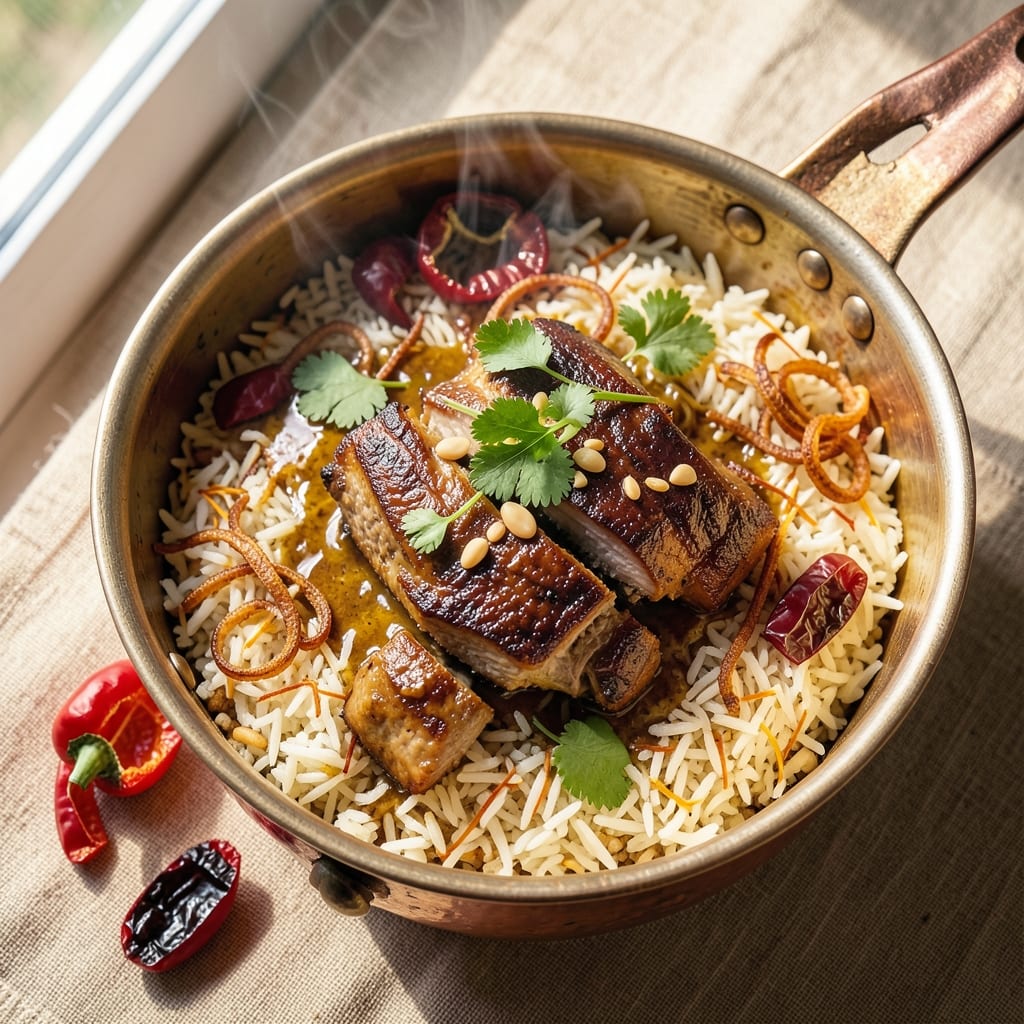
This Arabic kabsa rice recipe brings the rich flavors of the Arabian Peninsula to your kitchen, where fragrant basmati rice meets tender lamb in a symphony of warm spices. The secret lies in slow-cooking the meat with cardamom, cinnamon, and cloves until it's fall-apart tender, then infusing the rice with saffron and ghee for that signature golden hue. I perfected this version after years of testing—it delivers restaurant-quality depth without requiring hours of prep.
The dish starts with a spice paste that forms the flavor base, where cumin, coriander, and turmeric create an aromatic foundation. Lamb shoulder is the traditional choice, but you can adapt with chicken or beef if preferred. The rice absorbs the meat's juices as it steams, creating a one-pot wonder that's both impressive and practical for family meals.
What makes this kabsa special is the balance of textures—tender meat that shreds easily, fluffy rice with saffron threads, and optional garnishes like toasted almonds or fried onions. The dish pairs beautifully with a simple cucumber-yogurt salad or warm flatbread, making it a complete meal experience. Every bite delivers layers of warmth from the spices and richness from the ghee.
This recipe serves 6-8 and takes about 2 hours of active and passive time, perfect for weekend cooking. The slow cooking process allows flavors to meld deeply, resulting in a dish that tastes even better the next day. Let's create this aromatic centerpiece for your table.
Ingredients for arabic kabsa rice
Eight aromatic spices, tender lamb, and fragrant basmati create this Arabian centerpiece.
| Ingredient | Amount | Notes |
|---|---|---|
| Lamb Shoulder 🍖 | 3 lb | Bone-in for maximum flavor |
| Basmati Rice 🌾 | 2 cups | Long-grain, uncooked |
| Ghee 🧈 | ½ cup | Clarified butter for richness |
| Saffron Threads 🌼 | ¼ tsp | High-quality for color/flavor |
| Ground Cumin 🌿 | 1 ½ tbsp | Freshly ground preferred |
| Ground Coriander 🌿 | 1 ½ tbsp | Toasted for depth |
| Turmeric Powder 🧂 | 1 tsp | Bright yellow color |
| Ground Cardamom 🌿 | 1 tsp | Whole pods preferred |
| Ground Cinnamon 🌿 | ½ tsp | Sweet variety |
| Whole Cloves 🌶️ | 4 whole | Lightly crushed |
| Fresh Ginger 🧅 | 2 tbsp | Finely grated, peeled |
| Yellow Onion 🧅 | 1 ½ cups | Diced, medium size |
| Garlic Cloves 🧄 | 6 cloves | Minced, peeled |
| Chicken Broth 💧 | 3 cups | Low-sodium preferred |
| Salt 🧂 | 1 ½ tsp | Diamond Crystal preferred |
| Black Pepper 🌶️ | 1 tsp | Freshly cracked |
The lamb is non-negotiable for authentic flavor—bone-in shoulder delivers the richest taste. Costco or Whole Foods carry excellent cuts, but any butcher will have it if you ask. Look for good marbling and avoid pre-cut pieces that lose moisture fast. The basmati rice should be long-grain and uncooked—Lundberg or Calrose are my go-tos, but any brand labeled 'fragrant' works. For the ghee, Gujarat brand is ideal, but any high-quality clarified butter will do. Saffron is pricey, so buy threads—not powder—and store it in the freezer to preserve potency.
No lamb? Chicken thighs or beef chuck work beautifully—just increase cooking time by 20 minutes. Running low on cumin? Substitute half with coriander, but the earthy depth is key. Fresh ginger is ideal, but powdered at half the amount works in a pinch. The chicken broth can be homemade or store-bought—Pacific Foods or Swanson are reliable. For extra richness, add a splash of orange blossom water if you have it, though it's optional. The onions and garlic should be diced uniformly for even cooking—no need to be precise, but avoid huge chunks.
This dish tastes even better the next day as flavors meld. Store leftovers in an airtight container for up to 5 days in the fridge or 3 months frozen. Reheat gently with a splash of broth to restore moisture. The rice reheats best covered on low heat—microwaving dries it out. For serving, toasted almonds or fried onions add crunch, but they're optional. Garnish with fresh cilantro if you like, though it's not traditional.
Why You'll Love This Recipe
- One-Pot Magic: I swear by this—just sear the lamb, toss in the rice and spices, then let it simmer. No chopping, no fussing, no extra pots. The ghee infuses the lamb so deeply, the rice practically melts into it.
- Saffron Luxury: That tiny pinch of saffron threads? Total game-changer. It turns the rice a golden hue and adds this floral, honeyed depth that makes it taste like a restaurant dish. (Yes, even when I burn the toast.)
- Weeknight Hero: This is my go-to when I need to feed a crowd or prep for the week. The lamb stays tender for days, the rice holds its shape, and I can reheat portions straight from the fridge without drying it out.
- Budget-Friendly Feast: Lamb shoulder on sale? Grab it. A handful of spices and some rice stretch it into meals for three days. Honestly, I’ve made this for $10 and had leftovers that tasted better than takeout.
Step-by-step instructions for spiced lamb kabsa
Here's how to create this aromatic fusion with tender lamb and fragrant saffron rice.
Prepare the Lamb and Spice Marinade
Pat the 3 lb lamb shoulder dry with paper towels to remove any moisture—this helps the spices adhere better. In a large bowl, combine the 1.5 tbsp ground cumin, 1.5 tbsp ground coriander, 1 tsp turmeric powder, 1 tsp ground cardamom, 0.5 tsp ground cinnamon, 4 whole cloves, 1.5 tsp salt, and 1 tsp black pepper. Rub this mixture all over the lamb, pressing it into the meat so it penetrates deeply.
Add the 2 tbsp finely grated fresh ginger and 1.5 cups diced yellow onion to the bowl, then toss the lamb in this mixture until fully coated. Let the marinated lamb sit at room temperature for 30 minutes while you prepare the remaining ingredients. This resting time ensures even cooking and maximum flavor infusion.
Sear the Lamb and Sauté Aromatics
Heat 0.25 cup ghee in a large, heavy-bottomed pot over medium-high heat. Once the ghee shimmers, add the marinated lamb in a single layer, searing it on all sides until deeply browned—about 5-7 minutes per side. This step develops the rich, caramelized flavors that define kabsa. Remove the lamb and set it aside on a plate.
In the same pot, reduce the heat to medium and add the remaining 0.25 cup ghee. Sauté the 6 minced garlic cloves for 30 seconds until fragrant, then add the remaining onion-lamb mixture from the bowl. Cook for 5 minutes, stirring occasionally, until the onions soften and the mixture becomes aromatic. This step builds the flavor foundation for your dish.
Cook the Rice with Saffron Infusion
Add the 2 cups basmati rice to the pot and stir to coat it evenly with the ghee and aromatics. Pour in the 3 cups chicken broth and bring the mixture to a gentle boil. Once boiling, reduce the heat to low and let it simmer uncovered for 10 minutes. This allows the rice to absorb some of the liquid while preventing it from becoming mushy.
While the rice simmers, dissolve the 0.25 tsp saffron threads in 2 tablespoons hot water from the pot. Stir this saffron infusion into the rice and cover the pot tightly with a lid. Simmer for an additional 10 minutes on low heat—this ensures the saffron's vibrant color and delicate flavor infuse throughout the rice.
Braise the Lamb and Combine with Rice
Return the seared lamb to the pot, placing it on top of the rice. Pour in enough additional chicken broth to just cover the lamb—about 1 cup. Bring the mixture to a gentle simmer, then cover and cook on low heat for 1.5 to 2 hours, or until the lamb is fork-tender and easily pulls apart. The lamb should have a rich, deep color and be completely cooked through.
Once the lamb is tender, remove it from the pot and let it rest for 10 minutes before slicing. This resting period allows the juices to redistribute, ensuring each bite is moist and flavorful. Skim any excess fat from the surface of the rice before serving.
Serve with Traditional Garnishes
Slice the lamb into ½-inch thick pieces and arrange it over the saffron-infused rice. Garnish with additional freshly cracked black pepper and a sprinkle of toasted ground cumin for extra depth of flavor. Serve immediately with warm naan bread or a simple cucumber salad to complement the rich, spiced lamb.
This kabsa should have a beautiful golden hue from the saffron, tender lamb that falls apart easily, and rice infused with warm, aromatic spices. The balance of flavors and textures makes this dish truly special—perfect for sharing with family or impressing guests.
Pro Tips For Making Arabic Kabsa Rice
- CRISP THE LAMB FIRST: After browning your lamb shoulder, pull it out and let it crisp in a hot pan for 2-3 minutes per side—no oil needed. The Maillard reaction here is what turns your kabsa from good to unforgettable, giving that deep, caramelized flavor that cuts through the richness of the ghee. I used to skip this, and the dish always felt flat until I tried it.
- SOAK THE SAFFRON DRY: Toss your saffron threads in 1 teaspoon of warm water then let them sit for 10 minutes before adding to the rice. This isn’t just about color—it’s about extracting every last drop of that floral, honeyed depth into the water, which then infuses the rice. My grandmother swore by this, and she was right: dry saffron just floats, but soaked saffron transforms the dish.
- DON’T RUSH THE RICE WATER: Use double the volume of water for the rice (2 cups water per 1 cup basmati), but bring it to a boil only once—after adding the lamb broth and ghee. After that, simmer uncovered on low heat, stirring once at the 10-minute mark. I learned this the hard way—boiling it too hard turns the rice mushy, and no one wants gluey kabsa.
- TOAST THE CUMIN LOW: Bloom your ground cumin in the ghee for exactly 30 seconds on medium-low heat—just until it smells warm and toasty, not burned. Overdo it, and you’ll taste bitter ash; skip it, and the spice stays raw. This step makes a real difference in balancing the lamb’s richness without overpowering the saffron’s delicate perfume. (Yes, even if you’re impatient like me.)
Make-ahead tips for this arabic kabsa rice
Prep Ahead Strategy
Marinate the lamb the night before for deeper flavor infusion. Store the lamb in an airtight container with all spices and ginger in the fridge. This gives the spices 12+ hours to work their magic, making the meat incredibly tender. I've found this step cuts active cooking time by 30 minutes while enhancing flavor dramatically. 💫
Rice Prep Shortcut
Rinse and soak the 2 cups basmati rice in cold water for 30 minutes the evening before. Drain well and store in a sealed container in the fridge. This removes excess starch, preventing gummy rice. The saffron infusion can also be prepped ahead—mix the 0.25 tsp saffron threads with 2 tbsp water and refrigerate in a small jar. Just stir it in during cooking day-of. ✨
Slow Cooker Option
For hands-off cooking, brown the lamb as directed, then transfer everything to a 6-quart slow cooker. Add the rice, broth, and saffron mixture, then cook on low for 6-7 hours. The slow cooker maintains consistent heat, making it perfect for busy days. I recommend using a Dutch oven instead for better texture control, but the slow cooker works beautifully for flavor. 🔥
Garnish Prep
Toast the toasted almonds or fried onions ahead of time and store in airtight containers. These add wonderful crunch and can be sprinkled just before serving. For extra convenience, make a simple cucumber-yogurt salad the day before—toss 2 cups diced cucumber, ½ cup plain yogurt, 1 tbsp lemon juice, and ½ tsp salt. Keep it chilled until serving. 🥗
Reheating Perfection
Kabsa tastes even better the next day! Reheat gently in a covered pot with 2 tbsp broth over low heat for 10-15 minutes. Stir occasionally to prevent sticking. Microwaving is possible but risks drying out the rice—cover with a damp paper towel and heat in 1-minute intervals. For best results, reheat portions separately and combine just before serving. 💡
Freezer-Friendly
Portion cooled kabsa into quart-sized freezer bags, removing excess air for freshness. Label with the date and freeze for up to 3 months. To serve, thaw overnight in the fridge, then reheat using the stovetop method above. The meat and rice maintain their texture beautifully when frozen properly. This makes kabsa perfect for meal prep—just cook once and enjoy for weeks! ❄️
Nutrition facts
Frequently asked questions about Arabic kabsa
What makes kabsa different from other spiced rice dishes?
Kabsa stands out with its layered spice technique—the meat is first marinated with warm spices, then slow-cooked with the rice in a single pot. The saffron-infused rice and ghee create that signature golden color and delicate aroma, while the lamb develops deep, caramelized flavors from the long braising. Unlike pilafs or biryanis, kabsa's spices are toasted directly in the cooking oil for maximum depth.
Can I substitute chicken or beef for the lamb?
Yes! For chicken, use bone-in thighs (2.5 lbs) and reduce cooking time by 20 minutes. For beef, chuck roast works best (3 lbs) and may need 30 extra minutes of braising. The key is choosing a cut with good fat content—lean meats can dry out. Adjust broth by ½ cup if using chicken to prevent a dry finish.
Why does my kabsa rice turn out mushy?
Mushy rice usually happens from either too much liquid or uneven cooking. Start with 1:1.5 rice-to-broth ratio (2 cups rice to 3 cups broth) and adjust only if needed. Use a tight-fitting lid and simmer on low heat—never boil after adding rice. For extra fluffiness, fluff with a fork before serving and let it rest 10 minutes off heat.
What's the secret to authentic kabsa flavor?
The magic lies in three key steps:
- Toasting whole spices in ghee until fragrant,
- Slow-braising the meat for 2 hours to develop deep flavor, and
- Infusing the rice with saffron at the end. The cardamom-cinnamon-clove trio creates the signature warmth, while the ghee adds richness that butter can't replicate. Don't skip the resting time—it lets flavors meld perfectly.
How do I make kabsa in a rice cooker?
Brown the lamb and sauté aromatics as directed, then transfer everything to your rice cooker. Add the rice and broth, stir gently, then cook using the white rice setting. Once done, let it steam for 5 extra minutes covered. The rice cooker maintains consistent moisture—just avoid opening the lid during cooking. For best results, use a 6-quart model to accommodate the lamb pieces.