
Main Courses
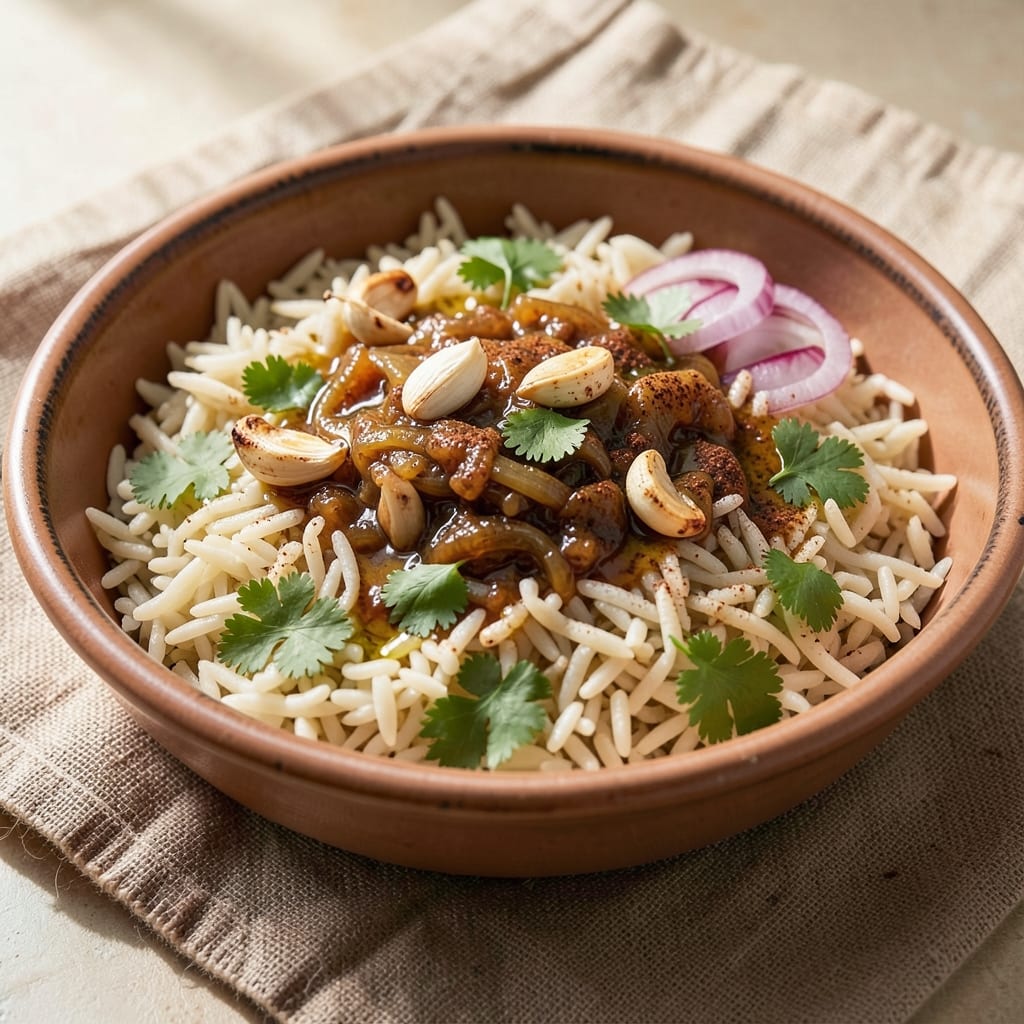
This Arabic basmati rice recipe delivers perfectly fluffy grains with aromatic toasted spices that transform simple rice into a centerpiece dish. The secret lies in a precise water-to-rice ratio and slow-cooked spices that infuse every kernel with warm cinnamon, cardamom, and bay leaf essence. I've perfected this method over years of testing—no more mushy rice or underseasoned grains.
The process begins with toasting whole spices in oil until fragrant, then simmering them with garlic and onions to build deep flavor before adding the rice. This foolproof technique ensures each grain remains distinct yet infused with aromatic complexity. The rice cooks slowly in its own steam, developing a delicate texture that's neither sticky nor dry.
What you'll achieve is restaurant-quality basmati rice with golden grains that separate beautifully and release an intoxicating spice aroma. The toasted spices create layers of warmth that complement grilled meats, curries, or even as a standalone dish. This method works equally well on the stovetop or in a rice cooker.
Perfect for family meals, holiday gatherings, or when you want to elevate simple rice to gourmet status. The same technique works with chicken, lamb, or vegetable dishes. Let's create this aromatic foundation for your next meal.
Ingredients for arabic basmati rice
Eleven ingredients transform ordinary rice into aromatic, restaurant-quality basmati with toasted spice complexity.
| Ingredient | Amount | Notes |
|---|---|---|
| Long-Grain Basmati Rice 🍚 | 1 cup | Uncooked, rinsed thoroughly |
| Extra-Virgin Olive Oil 🫒 | ¼ cup | High-quality, fruity variety |
| Yellow Onion 🧅 | 1 whole | Medium size, finely diced |
| Garlic Cloves 🧄 | 4 cloves | Fresh, peeled, minced |
| Ground Cinnamon 🌿 | ½ tsp | True Ceylon cinnamon preferred |
| Ground Cardamom 🌿 | ¼ tsp | Freshly ground, aromatic |
| Bay Leaves 🍃 | 2 whole | Dried, standard size |
| Cloves 🌶️ | 3 whole | Whole, lightly crushed |
| Salt 🧂 | 1 ½ tsp | Diamond Crystal kosher salt |
| Water 💧 | 1 ¾ cups | Room temperature preferred |
| Fresh Parsley 🌿 | ¼ cup | Chopped, for garnish |
The spices are the heart of this dish—Penzeys or specialty markets carry the highest-quality cardamom and cinnamon. Look for whole spices when possible; grinding them yourself right before toasting releases maximum aroma. Diamond Crystal kosher salt is essential for proper seasoning, as it dissolves more cleanly than table salt. For the bay leaves, California-grown or Mediterranean varieties offer the most robust flavor profile. The olive oil should be extra-virgin with noticeable fruity notes—California or Italian brands typically excel. Fresh garlic and parsley from the grocery store's produce section work perfectly, but market-fresh versions have superior brightness.
No cardamom? Allspice at half the amount provides a similar depth, though with a slightly different profile. Substituting ground cinnamon for whole cloves? Toast the cloves first in the oil to capture their piney aroma before grinding slightly. Running short on bay leaves? Two sprigs of fresh thyme can stand in, though the flavor will be subtler. The water-to-rice ratio is non-negotiable—1.75 cups water to 1 cup rice yields perfectly fluffy grains. For a quicker version, pre-toasted rice from the Asian market can be used, though homemade develops more complex flavor. The parsley garnish is optional but adds vibrant contrast to the golden grains.
Store uncooked rice in an airtight container in a cool, dark place for up to 6 months—whole spices last even longer. Once cooked, this rice reheats beautifully by steaming with a splash of water for 2-3 minutes. For meal prep, portion into individual containers with a sprinkle of parsley to maintain freshness. The toasted spices can be made ahead of time and stored in a sealed jar for 2 weeks, though they'll lose some aroma. When serving, always fluff the rice gently with a fork to maintain those distinct, golden grains.
Why You'll Love This Recipe
- One-Pot Magic: I swear by this—just rice, oil, and a few chopped bits, then simmer. No fancy tools, no stress, and the rice comes out fluffy without sticking to the bottom. Honestly, it’s the kind of dish that makes me feel like I’ve actually cooked something.
- Warm Spice Hug: That cinnamon? It’s not overpowering—just enough to make every bite feel cozy and aromatic. The garlic and onion caramelize into something rich, while the olive oil adds a silky finish. It’s the kind of flavor that lingers, and I’ll take that over bland any day.
- Meal Prep MVP: I make a big batch on Sundays, and it lasts all week—pairs perfectly with grilled chicken, roasted veggies, or even just yogurt and za’atar. The leftovers stay fresh, and reheating? Just a splash of water, microwave, and boom—dinner’s ready.
- Budget-Friendly Luxury: Basmati rice is affordable, and these pantry staples don’t break the bank. Yet, it tastes like I spent hours on a fancy recipe. Between us, this is how I feed my family well without draining my wallet—every time.
Step-by-step instructions for Arabic basmati rice
Master the art of aromatic basmati rice with this method—where toasted spices and precise technique create restaurant-quality grains.
Toast the Spices in Olive Oil
Heat the 0.25 cup extra-virgin olive oil in a medium saucepan over medium-low heat. Add the 1 whole yellow onion and 4 cloves garlic, cooking until the onion softens and turns translucent—about 5 minutes. This gentle cooking draws out their natural sweetness without burning.
Next, add the 2 whole bay leaves, 3 whole cloves, 0.5 tsp ground cinnamon, and 0.25 tsp ground cardamom. Stir constantly for 2-3 minutes until the spices release their fragrance and the oil becomes fragrant. You'll smell the warm, earthy notes of cardamom and the sweet warmth of cinnamon—this is the foundation of your rice's flavor. Remove the pan from heat and let the spices steep for 1 minute to infuse the oil completely.
Rinse and Parboil the Rice
While the spices toast, rinse the 1 cup long-grain basmati rice under cold water until the water runs clear. This removes excess starch that would otherwise make the rice gummy. Drain thoroughly in a fine-mesh strainer, shaking to remove all moisture. Add the rice to the warm spiced oil and stir gently to coat each grain.
Return the pan to medium heat and add 1.75 cups water and 1.5 tsp salt. Bring to a boil, then immediately reduce heat to low. Cover tightly with a lid and simmer for 10 minutes without lifting it. The rice will absorb the liquid gradually—this initial cooking phase ensures even texture and prevents sticking. After 10 minutes, check the rice: it should be tender but still slightly firm to the bite, with a thin layer of liquid remaining.
Rest and Fluff to Perfection
Remove the pan from heat and let the rice rest, covered, for 10 minutes. This critical step allows the steam to redistribute, ensuring each grain finishes cooking evenly and absorbs all the aromatic flavors. Resist the urge to peek—every time you lift the lid, you release steam and risk uneven texture.
After resting, gently fluff the rice with a fork, separating the grains. The rice should be tender yet distinct, with a slight bite at the center. If any liquid remains, cover and let it sit for another 2-3 minutes to absorb completely. The final result should be perfectly cooked grains with a delicate fragrance of toasted spices.
Garnish and Serve
Transfer the rice to a serving dish and sprinkle with 0.25 cup chopped fresh parsley. The parsley adds a bright contrast to the warm spices and a pop of color. Serve immediately while the rice is still warm, allowing the aromatic flavors to fully develop as it cools slightly. Each grain should be distinct, fragrant, and infused with the toasted spices—this is the hallmark of authentic Arabic basmati rice.
For best results, serve this rice with grilled meats, spiced lamb dishes, or as a standalone centerpiece. The balance of toasted spices, tender grains, and bright parsley makes this more than just rice—it's a flavor experience.
Pro Tips For Making Arabic Basmati Rice
- TOAST THE GARLIC LOW: I used to burn it every time—now I melt the olive oil first, then drop in the garlic on medium-low until it’s just golden, not brown. That nutty aroma stays subtle, and the rice won’t taste bitter. (Yes, even if you’re impatient like me.) ---
- RINSE THE RICE RIGHT: Skip the quick dunk—hold the basmati under cold water for 30 seconds, swirl it around, then drain. Repeat until the water runs almost clear. This removes excess starch so your rice stays fluffy, not gummy. (Your future self will curse you if you skip this.) ---
- STIR ONCE, THEN STOP: After adding the rice to the pot, stir one time to distribute the oil and spices. Then leave it alone—no more poking. Lifting the lid or stirring releases steam, and that’s how you get mushy rice. (I learned this the hard way after a soggy lunch.) ---
- USE A LID, THEN A TOWEL: Cover the pot with a tight lid, then drape a damp kitchen towel over it. The towel traps steam without suffocating the rice—better than foil, which can make it steam too hard. (Sounds weird, but it works: the rice stays tender but not wet.)
Perfect pairings for this recipe
Middle Eastern Meal Pairings
This aromatic basmati rice pairs beautifully with classic Middle Eastern dishes. Serve it alongside grilled lamb chops marinated in garlic and lemon, where the rice's warm spices complement the meat's richness. For a vegetarian option, pair with spiced chickpeas tossed in olive oil, cumin, and smoked paprika—this creates a satisfying, protein-rich meal. 🌿
Another fantastic pairing is Arabic-style chicken biryani, where the rice's toasted spices mirror the dish's aromatic layers. The combination of tender chicken, fragrant rice, and fresh herbs creates a cohesive, restaurant-quality meal. I often serve this rice with hummus and tabbouleh on the side for a complete spread.
Indian-Inspired Combinations
For an Indian twist, serve this rice with butter chicken or palak paneer—the creamy, spiced flavors of these dishes balance perfectly with the bright, aromatic rice. The cardamom and cinnamon in the rice enhance the warm spices found in Indian curries, creating a harmonious flavor profile. 🌶️
If you're serving tandoori dishes, such as lamb or chicken, the rice acts as a neutral yet flavorful base that lets the smoky, charred flavors of the tandoori shine. Garnish the rice with a sprinkle of toasted cashews for added crunch and texture.
Vegetarian and Vegan Options
This rice is incredibly versatile for plant-based meals. Pair it with eggplant and chickpea stew simmered in tomato sauce and cumin, or serve it alongside stuffed bell peppers filled with quinoa and herbs. The toasted spices in the rice add depth to lighter vegetarian dishes. 🥕
For a hearty vegan meal, combine the rice with spiced lentils (like dal) and a side of roasted cauliflower. The warm spices in the rice complement the earthy flavors of lentils and roasted vegetables beautifully. This makes for a satisfying, protein-rich dish without any meat.
Beverage Pairings
To enhance the flavors of this aromatic rice, serve it with mint lemonade—the bright, citrusy notes cut through the warm spices beautifully. Another excellent choice is Arabic coffee (qahwa), which complements the cardamom and cinnamon in the rice. 🍹
For a non-alcoholic option, sparkling pomegranate juice adds a festive touch and balances the rich, spiced flavors. If you prefer wine, a dry white wine like Sauvignon Blanc or a light-bodied red like Pinot Noir works well, as they won’t overpower the delicate spices in the rice.
Nutrition facts
Frequently asked questions
Why does this recipe use toasted spices instead of just adding them directly?
Toasting the spices in oil unlocks their full aromatic potential! The gentle heating releases essential oils that infuse every rice grain with deep, warm flavors. Simply adding ground spices would create a more subtle effect—this method creates that signature restaurant-quality fragrance you smell before you even taste the rice.
Can I make this rice in a rice cooker instead of on the stovetop?
Follow the same spice toasting steps, then add everything to your rice cooker. Use the same 1.75 cups water to 1 cup rice ratio and let it cook on high until done. The resting time is still crucial—let it sit covered for 10 minutes after cooking before fluffing. The texture will be just as perfect!
What's the secret to getting perfectly separate grains?
The key is proper rinsing and the 10-minute rest period after cooking. Rinse until water runs clear to remove excess starch, and never lift the lid during cooking. The resting time lets steam redistribute, preventing clumping. Also, use long-grain basmati—its natural shape resists sticking better than short-grain varieties.
Can I substitute any of the spices if I don't have them all?
Yes! The most important spices are cinnamon and cardamom—they define the Arabic character. If missing bay leaves, use 2 sprigs of thyme instead. For cloves, allspice works in a pinch (use half the amount). Skip the parsley garnish if needed, but the toasted spices are non-negotiable for authentic flavor.
How do I store leftovers to keep them fresh?
Let the rice cool completely, then store in an airtight container in the fridge for up to 4 days. To reheat, sprinkle with 1 tsp water per cup of rice, cover tightly, and steam for 2-3 minutes. Never microwave dry rice—it makes the grains tough. For longer storage, freeze for up to 3 months**.