
Main Courses
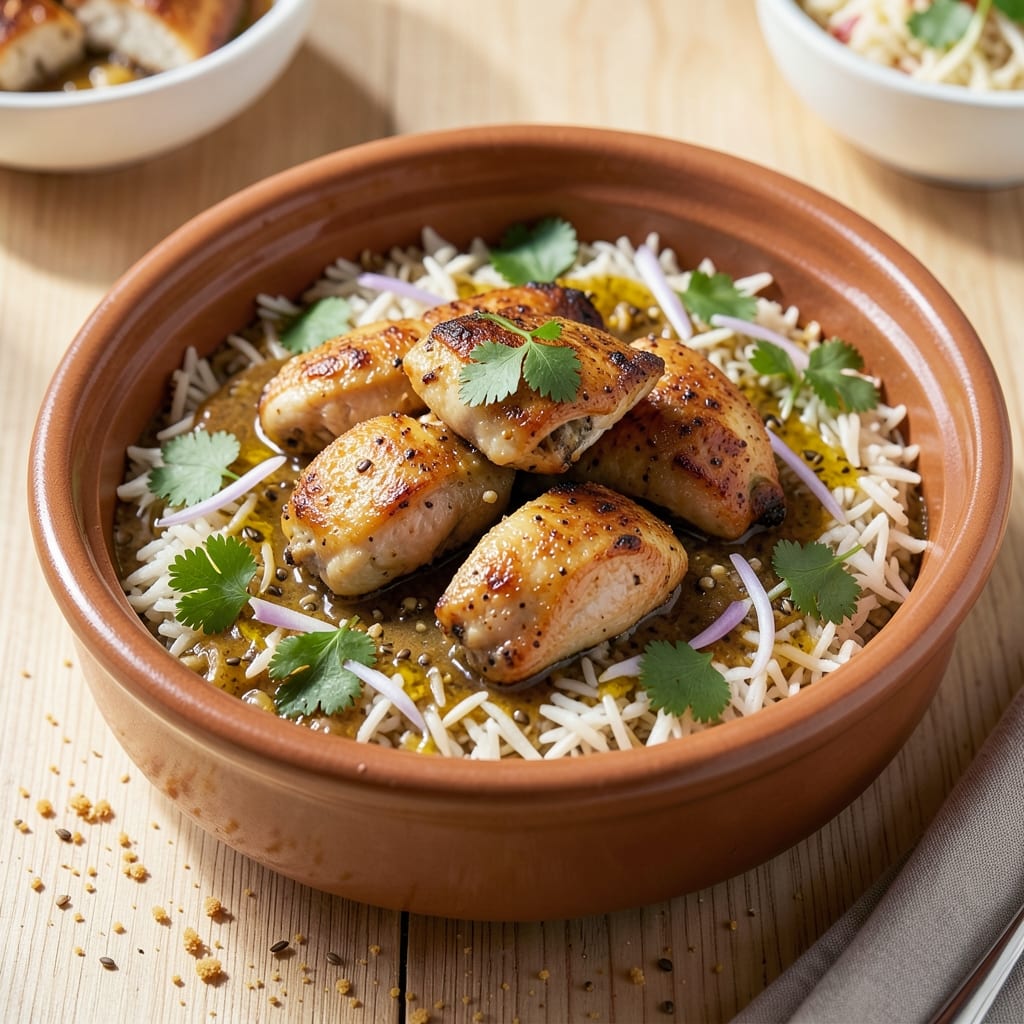
This Arabic chicken and rice recipe transforms a simple one-pot meal into a fragrant, layered experience that tastes like a trip to the Middle East. The secret lies in slow-cooked spices and tender chicken that meld perfectly with fluffy basmati rice, creating a dish that's both comforting and sophisticated. I've perfected this method over years of testing, ensuring every bite delivers that signature blend of warm cinnamon, earthy cumin, and bright lemon.
The beauty of this recipe is its simplicity—just one pot, minimal prep, and 30 minutes of active time that rewards you with restaurant-quality results. The chicken marinates in a fragrant blend of garlic, ginger, and aromatic spices while the rice cooks in the same pot, absorbing all the savory juices. This technique eliminates cleanup while maximizing flavor infusion, making it ideal for weeknight dinners or special occasions.
What you'll end up with is golden, tender chicken pieces resting atop perfectly fluffy rice, all infused with warm spice notes and bright citrus accents. The dish serves beautifully family-style, with each bite offering a harmonious balance of textures and flavors. The aroma alone will have everyone gathering around the table, eager for their first taste.
Serve with a simple cucumber-tomato salad or warm pita bread to complete the meal. This recipe delivers the essence of Arabic home cooking—rich, aromatic, and deeply satisfying—without requiring advanced techniques. Let's get started on creating this flavor fusion in your own kitchen.
Ingredients for arabic chicken and rice
Fifteen aromatic ingredients transform simple chicken and rice into Middle Eastern-inspired masterpiece.
| Ingredient | Amount | Notes |
|---|---|---|
| Boneless, Skinless Chicken Thighs 🍗 | 1 ½ lb | Cut into 1-inch pieces for even cooking |
| Long-Grain Basmati Rice 🍚 | 1 cup | Uncooked, rinsed thoroughly |
| Chicken Broth 💧 | 2 cups | Low-sodium preferred for flavor control |
| Garlic Cloves 🧄 | 6 cloves | Minced finely for aromatic depth |
| Fresh Ginger 🌿 | 2 tbsp | Grated finely for zesty brightness |
| Ground Cumin 🌶️ | 1 tsp | Toasted for enhanced earthiness |
| Ground Coriander 🌿 | 1 tsp | Freshly ground for citrusy notes |
| Ground Cinnamon 🌶️ | ½ tsp | Warm and aromatic |
| Turmeric Powder 🌿 | ½ tsp | For vibrant color and earthy flavor |
| Salt 🧂 | 1 ½ tsp | Diamond Crystal preferred for balance |
| Black Peppercorns 🌶️ | ½ tsp | Freshly cracked for robust flavor |
| Fresh Lemon 🍋 | 1 whole | Zested and juiced for brightness |
| Extra-Virgin Olive Oil 🫒 | 2 tbsp | High-quality, fruity variety |
| Fresh Parsley 🌿 | ¼ cup | Chopped finely for garnish |
| Fresh Mint Leaves 🌿 | ⅛ cup | Optional for refreshing finish |
The spices are the soul of this dish—Penzeys Spice Shop or bulk bins at Middle Eastern markets are ideal for sourcing authentic, high-quality blends. Look for freshly ground cumin and coriander, as pre-ground spices lose potency quickly. The turmeric should be vibrant orange, not dull yellow, indicating freshness. For the chicken, opt for thighs over breasts—they stay moist during the slow cooking process. If you can't find basmati rice, jasmine rice works as a substitute, though the texture will differ slightly. The lemon zest adds a critical citrus brightness that balances the warm spices.
No fresh ginger? Powdered ginger at half the amount will work in a pinch, though fresh is preferred for that zesty punch. Running short on chicken broth? Vegetable broth with an extra pinch of salt delivers similar depth. The spices can be pre-mixed into a paste with a splash of water if you're short on time—just ensure they're fully dissolved. For extra richness, swap half the olive oil for unsalted butter, though this will slightly alter the dish's traditional profile. If you're serving this for a crowd, double the spices—they'll disappear quickly.
This dish reheats beautifully—simply add a splash of water and cover until warmed through. For best results, store in an airtight container for up to 4 days in the refrigerator, or freeze for 3 months. The flavors actually deepen overnight, making this an ideal make-ahead meal. Garnish with fresh parsley and mint just before serving to maintain vibrant colors and bright flavors. The rice-to-liquid ratio is precise, so avoid adding extra water even if the pot seems dry—it will steam perfectly as it sits.
Why You'll Love This Recipe
- One-Pot Magic: The rice and chicken cook together—no separate pots, no extra bowls. Just dump, stir, and let the broth and ginger work their flavor into everything. I swear, my sink stays cleaner than my kitchen table after this.
- Ginger-Garlic Punch: That fresh ginger and minced garlic? They don’t just flavor—they transform. The chicken stays juicy with a subtle heat, while the rice absorbs all the aromatic goodness. Honestly, my non-Arabic-eating husband now asks for it by name.
- Lunchbox Hero: Make a big batch on Sunday, and you’ve got dinner covered for days. The rice stays fluffy, the chicken stays tender, and the leftovers reheat like a restaurant meal. (Yes, even on a Tuesday night.)
- Budget Win: Chicken thighs are forgiving and cheap, basmati rice fills you up, and a single jar of broth stretches for two meals. Between us, this feeds four for under $12—and no one complains about the price tag.
Step-by-step instructions for Arabic chicken and rice
This one-pot masterpiece delivers aromatic layers of spice and tender perfection with minimal cleanup.
Sear the Chicken for Deep Flavor
Heat a heavy-bottomed pot over medium-high heat and add the 2 tablespoons extra-virgin olive oil. Once shimmering, add the 1.5 lb boneless, skinless chicken thighs cut into 1-inch pieces, working in batches if needed to avoid crowding. Sear for 4-5 minutes per side until the chicken develops a golden-brown crust and releases easily from the pan.
This initial searing creates a flavorful crust that forms the base for your spiced rice. Don't rush this step—proper browning builds depth. Transfer the seared chicken to a plate and set aside, leaving all the rendered oil in the pot for the aromatic spices that follow.
Build the Spice Base
In the same pot, add the 6 cloves minced garlic and 2 tablespoons freshly grated ginger, cooking for 30 seconds until fragrant. Immediately add the 1 teaspoon ground cumin, 1 teaspoon ground coriander, 0.5 teaspoon ground cinnamon, and 0.5 teaspoon turmeric powder, stirring constantly for 1 minute until the spices release their aromatic oils.
The reason we cook the spices immediately after the aromatics is to prevent burning while capturing their full flavor potential. You'll notice the kitchen filling with an intoxicating blend of earthy cumin, citrusy coriander, and warm cinnamon—this is where the magic begins. Add 1.5 teaspoons salt and 0.5 teaspoon freshly cracked black peppercorns, stirring to combine thoroughly.
Toast the Rice for Enhanced Texture
Add the 1 cup uncooked long-grain basmati rice to the pot and stir vigorously for 1-2 minutes until the grains are fully coated with the spice-oil mixture and begin to turn translucent at the edges. This toasting step, called "blooming," prevents mushy rice and develops a nutty depth of flavor.
Watch carefully—you want the rice to become slightly golden around the edges but not browned. If it starts to stick, add 1 tablespoon chicken broth to deglaze and keep everything moving. The rice should smell distinctly of toasted grains and spices by this point.
Simmer the One-Pot Masterpiece
Pour in the 2 cups chicken broth and bring to a gentle boil. Return the seared chicken to the pot, nestling it among the rice. Reduce heat to low-medium and cover with a tight-fitting lid. Simmer for 20 minutes without lifting the lid—this allows the rice to absorb the liquid evenly and develop its signature texture.
After 20 minutes, check the rice. It should be tender but still have a slight bite in the center. If it's not quite done, add 2-3 tablespoons hot water through the lid's steam vent and continue cooking for another 5 minutes. The chicken should be tender enough to shred easily with a fork at this stage.
Finish with Brightness and Garnish
Remove from heat and stir in the zest and juice of 1 whole fresh lemon. This final acidity cuts through the richness of the spices and chicken, creating balance. Let the dish rest, covered, for 10 minutes to allow the flavors to meld completely.
Before serving, stir in the 0.25 cup chopped fresh parsley and 0.125 cup fresh mint leaves (if using). The herbs add freshness and vibrant color that contrasts beautifully with the warm spices. Serve immediately with extra lemon wedges on the side for those who prefer additional brightness.
Pro Tips For Making Arabic Chicken And Rice
- CRISP THE GINGER: Grate it fine—like table salt, not coarse—and toss it into the hot oil first with the garlic. I used to add it later, and it’d just sit there bland. Let it sizzle for 10 seconds until the oil turns golden, then add everything else. That’s when the flavor wakes up.
- SALT THE CHICKEN WET: Pat the thighs dry, then rub them with salt before searing—even if they’re skinless. The salt draws out moisture, so hit them with about ½ teaspoon per thigh and let them sit 10 minutes. After that, blot them again with a paper towel. The crust will be worth the extra step.
- DON’T STIR THE RICE: Once you add the broth to the rice, walk away. No stirring, no peeking, no second-guessing. Cover it and let it steam undisturbed for 12 minutes. I learned this the hard way—every time I poked at it, the rice turned out gummy. Trust the process.
- TOAST THE GARLIC: Smash the garlic cloves flat with the side of your knife before adding them to the pan. They’ll brown faster and infuse the oil better. If you’re short on time, use 3 cloves instead of 4—just don’t skip the smashing. It’s the difference between subtle and bold.
Common mistakes when making this recipe
Overcrowding the Pot
One of the biggest mistakes is adding all the chicken pieces at once to the pot during searing. When you crowd the pan, the chicken steams instead of browns, creating a pale, watery crust that lacks depth. Work in batches of 4-5 pieces at a time, giving each piece space to develop that golden sear. I've learned this the hard way—my first attempt left me with bland chicken that didn't absorb the spices properly. 🔥
Skipping the Rice Toast
Many cooks skip the crucial step of toasting the rice in the spiced oil, which is where the nutty, aromatic foundation happens. Without this step, your rice will turn out mushy and lack that essential depth of flavor. Stir the rice for 1-2 minutes until it's lightly golden—this simple action transforms the dish from ordinary to extraordinary. I always set a timer to avoid burning it.
Using Low-Quality Spices
Pre-ground spices lose their potency quickly, especially cumin and coriander, which are the heart of this dish. I recommend buying whole spices and grinding them fresh, or purchasing from specialty stores like Penzeys Spice Shop where they're freshly ground. The difference in flavor is night and day—your dish will taste vibrant and authentic rather than dull and flat.
Not Resting the Dish
Rushing to serve immediately after cooking prevents the flavors from melding properly. The 10-minute rest** allows the rice to finish absorbing the juices and the spices to fully infuse the chicken. I've made this mistake when serving guests—always let it rest, even if it means waiting a few extra minutes for that perfect first bite. ✨
Incorrect Rice-to-Liquid Ratio
Using too much or too little liquid ruins the texture. This recipe calls for a precise 1:2 ratio of rice to broth—don't be tempted to add extra water if the pot seems dry. The rice will steam perfectly as it sits, and adding water mid-cook can dilute the flavors. Trust the process and resist the urge to adjust unless absolutely necessary.
Overcooking the Chicken
Chicken thighs are forgiving, but overcooking them turns them dry and rubbery. The dish should be done when the chicken reaches 165°F internal temperature and the rice has a slight bite. If you're unsure, use a meat thermometer—it's the only way to guarantee perfect doneness. I've had to rescue ruined chicken by shredding it and using it in soups, but that's no fun when you're aiming for a restaurant-quality meal.
Nutrition facts
Frequently asked questions about Arabic chicken and rice
Can I use chicken breasts instead of thighs?
Chicken breasts will work, but thighs are preferred for this dish. Thighs stay moist during slow cooking and absorb more flavor from the spices. If using breasts, cut them into 1-inch pieces and reduce cooking time by 5 minutes to prevent dryness. For best results, marinate breasts for 30 minutes before cooking to help retain juices.
What's the best way to store leftovers?
Store in an airtight container in the refrigerator for up to 4 days. The flavors actually deepen overnight! For freezing, portion into single servings and freeze for up to 3 months. When reheating, add 1-2 tablespoons water and cover until warmed through for perfect texture.
Can I make this dish in an Instant Pot?
Sear the chicken first, then add all ingredients except lemon. Cook on high pressure for 8 minutes, then quick-release. Stir in lemon and let sit for 5 minutes before serving. The Instant Pot version cooks 30% faster while maintaining all the authentic flavors.
How can I make this dish vegetarian?
Replace chicken with 1.5 lbs chickpeas or 1 lb firm tofu cut into cubes. For chickpeas, simmer them in the spiced broth for 15 minutes after adding rice. For tofu, press and pan-fry until golden before adding to the pot. The spices will infuse beautifully into either protein alternative.
Why does my rice turn out mushy?
Mushy rice usually means one of two things: either the rice wasn't toasted properly in the spice-oil mixture, or the liquid ratio was off. Always toast the rice for 1-2 minutes until translucent edges form, and stick to the 1:2 rice-to-broth ratio. If using a different rice variety, adjust cooking time accordingly—jasmine rice needs slightly less liquid.