
Main Courses
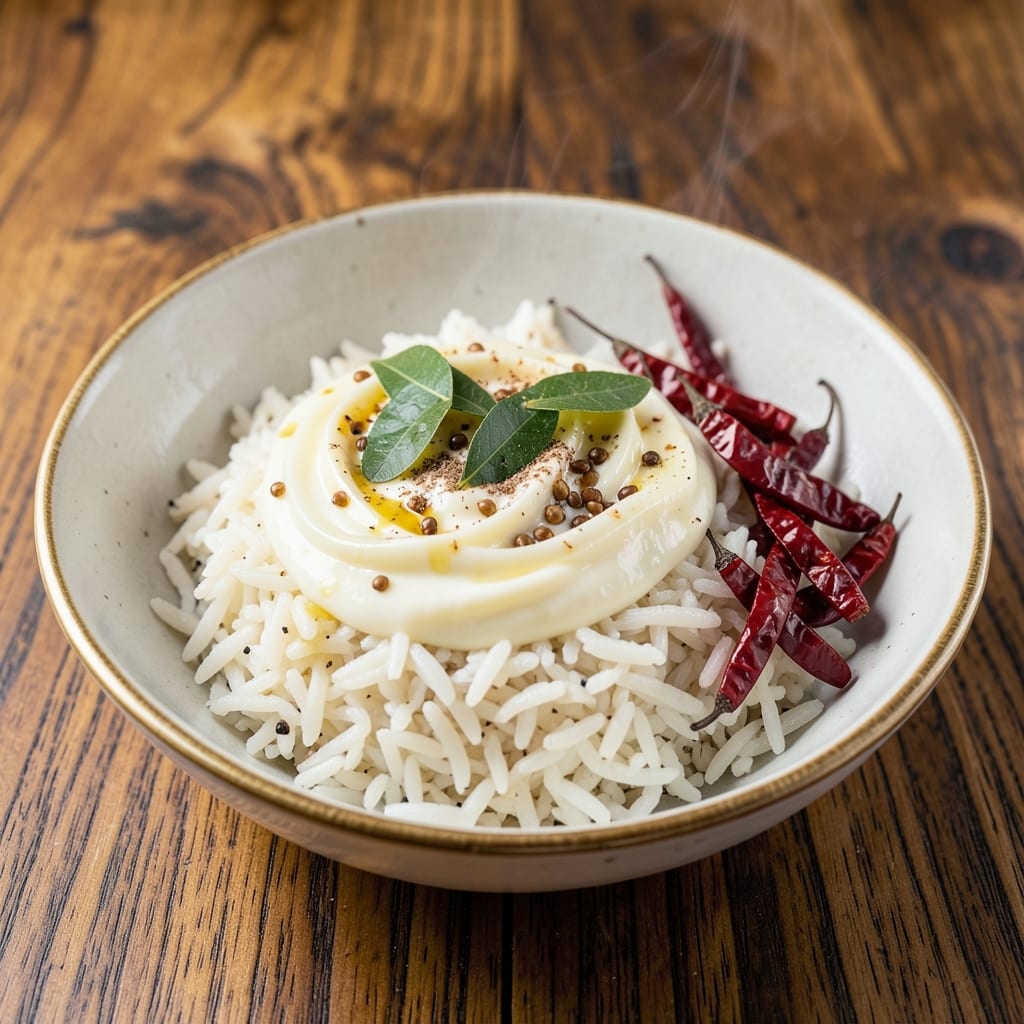
This Andhra curd rice recipe delivers the signature tangy, crunchy flavors of South India’s most beloved dish—where fermented rice meets tempered spices in perfect harmony. The secret lies in the tempering, where mustard seeds, curry leaves, and dried red chilies sizzle in hot oil, releasing their bold aromas that transform simple rice into something extraordinary. I’ve perfected this method over years of cooking, ensuring every bite delivers that signature crunch and refreshing tang that makes it a staple at Andhra meals.
The foundation of authentic Andhra curd rice begins with partially cooked rice, which is then cooled and mixed with yogurt to develop its signature tang. What sets this recipe apart is the tempering process—where mustard seeds are toasted until they pop, releasing their nutty aroma before being combined with tamarind, garlic, and red chili powder. This step isn’t just about flavor; it’s the heart of the dish, balancing the rice’s mildness with a burst of spice and acidity that’s impossible to resist.
By the time you’re done, you’ll have a dish that’s cool, crunchy, and deeply satisfying—perfect for serving with sambar, potato curry, or a simple stir-fry. The contrast of textures and temperatures makes it a meal in itself, but it’s also the kind of dish that elevates any spread. Whether you’re cooking for a family gathering or a weekday lunch, this recipe delivers restaurant-quality results with minimal effort.
Andhra curd rice isn’t just food—it’s a celebration of South Indian cuisine, where simplicity meets bold flavors. The key is patience: letting the rice ferment slightly with yogurt and allowing the tempering to develop its full complexity. Once mastered, this dish will become a weekly staple, offering a refreshing yet hearty meal that’s as nourishing as it is delicious.
Ingredients for andhra curd rice
Seven rice staples and bold spices transform into this iconic Andhra dish.
| Ingredient | Amount | Notes |
|---|---|---|
| Long-Grain White Rice 🍚 | 1 ½ cups | Uncooked, partially boiled first |
| Plain Yogurt 🥛 | 1 ½ cups | Thick, unsweetened, room temp |
| Mustard Seeds 🌿 | 1 tbsp | Whole, dark brown preferred |
| Dried Red Chilies 🌶️ | 4 whole | Kashmiri or bird's eye |
| Curry Leaves 🌿 | ¼ cup | Fresh, tightly packed |
| Asafoetida Powder 🌶️ | ¼ tsp | Hing, for aroma |
| Tamarind Paste 🍋 | 1 ½ tbsp | Concentrated, no pulp |
| Garlic Cloves 🧄 | 6 cloves | Fresh, minced |
| Red Chili Powder 🌶️ | 1 tsp | Adjust for spice level |
| Cumin Seeds 🌿 | ½ tsp | Toasted for depth |
| Salt 🧂 | 1 tsp | Adjust to taste |
| Vegetable Oil 🫒 | ½ cup | High smoke point |
| Lemon Juice 🍋 | 1 tbsp | Freshly squeezed |
| Mint Leaves 🌿 | ⅛ cup | Chopped, for garnish |
The rice needs to be partially cooked first—boil it for 5 minutes, drain, and spread to cool. For yogurt, whole milk plain yogurt works best (Greek-style is too thick). Mustard seeds are non-negotiable here—they need to pop perfectly. Indian grocery stores sell dark brown mustard seeds in bulk, but regular grocery stores carry them too. Curry leaves? Fresh is a must—dried won't give that same aromatic punch. If you can't find them, skip them or use a pinch of dried fenugreek leaves (kasuri methi) as a substitute.
No tamarind paste? Mix 1 tbsp lemon juice with 1 tsp sugar for a quick substitute. Short on red chilies? Cayenne powder at half the amount works in a pinch. The tempering is where the magic happens—don't rush it. Let the mustard seeds sizzle until they turn golden and pop. Trader Joe's carries good tamarind paste if you don't have an Indian market nearby. For extra crunch, add a handful of roasted peanuts or cashews to the final mix (optional but recommended).
This dish tastes even better the next day as flavors meld. Store leftovers in an airtight container in the fridge for up to 3 days. The yogurt mixture thickens over time, so add a splash of water if it gets too stiff. Garnish with fresh mint and a drizzle of oil right before serving—that's non-negotiable. Freezes well for 1 month if you want to make a big batch. The rice will soften when reheated, so serve it slightly undercooked initially.
Why You'll Love This Recipe
- No-Fuss Staple: I swear by this for days I’m too tired to plan. Just cook the rice, mix in the yogurt, and let the mustard seeds and curry leaves work their magic—no extra pots, no fuss.
- Tangy Crunch Magic: That first bite? The cool yogurt cuts through the heat of the dried chilies while the mustard seeds pop like tiny fireworks. It’s the kind of balance that makes you reach for seconds without thinking.
- Lunchbox Hero: Between us, this is my go-to for packed lunches. The rice stays fluffy, the yogurt keeps it creamy, and the spices stay vibrant—no soggy messes here. (Yes, even on a Tuesday.)
- Pantry Goldmine: Honestly, you’re using ingredients you already have. A few chilies, some curry leaves, and leftover yogurt turn into a meal that feeds four for under five bucks. And it reheats like a dream.
Step-by-step instructions for Andhra curd rice
Let's bring this tangy, crunchy Andhra classic to life with simple steps that pack big flavor.
Parboil the Rice for Perfect Texture
Rinse the 1.5 cups long-grain white rice thoroughly in a fine-mesh strainer until the water runs clear. This removes excess starch that would make the rice gummy. Transfer the rice to a pot and add 3 cups water—just enough to cover it by about an inch. Bring to a boil over medium-high heat, then reduce to a simmer and cook for exactly 5 minutes.
Drain immediately and spread the rice on a clean kitchen towel to stop the cooking process. This parboiling step is crucial—it creates those signature fluffy, separate grains that hold up perfectly under the tangy yogurt sauce. Don't skip it, or your rice will turn mushy when mixed later.
Prepare the Mustard-Curry Leaf Tempering
Heat the 0.5 cup vegetable oil in a heavy-bottomed pan over medium heat. Add the 0.5 tsp toasted cumin seeds and let them sizzle for 30 seconds until fragrant. Then add the 1 tbsp mustard seeds—they'll pop dramatically when ready. Immediately follow with the 4 whole dried red chilies and 0.25 cup curry leaves.
Cook for 1-2 minutes until the chilies darken slightly and the curry leaves turn crisp. Watch carefully—they burn quickly. Remove from heat and let cool slightly. This tempering is the flavor foundation, so don't rush it. The mustard seeds should pop like tiny firecrackers, releasing their nutty aroma.
Make the Tangy Tamarind-Garlic Sauce
In a mixing bowl, combine the 1.5 cups plain yogurt, 1.5 tbsp tamarind paste, 6 cloves minced garlic, 1 tsp red chili powder, 0.25 tsp asafoetida powder, 1 tsp salt, and the cooled tempering. Mix vigorously until smooth and well combined. The sauce should be thick but pourable—like heavy cream consistency.
Add the 1 tbsp lemon juice and mix again. Taste and adjust seasoning—you might need a pinch more salt or chili powder depending on your tamarind's tartness. This sauce carries all the tangy, spicy character of Andhra curd rice. Let it sit for 5 minutes while you prepare the rice—this resting time lets the flavors meld beautifully.
Combine Rice and Sauce for Perfect Texture
Gently fold the cooled, parboiled rice into the yogurt sauce using a large spoon or spatula. Work quickly but carefully to avoid mashing the rice grains. The mixture should look like fluffy rice coated in a glossy, yellow sauce. If it's too thick, add 1-2 tablespoons water to loosen it slightly.
Cover the bowl and let it sit at room temperature for 10 minutes. This resting period allows the rice to absorb just enough sauce to coat each grain without turning mushy. The ideal texture should be light, fluffy, and slightly sticky—but not wet. The rice should still separate easily when you stir it.
Garnish and Serve Immediately
Just before serving, give the rice one final gentle mix. Transfer to a serving bowl and garnish with the 0.125 cup chopped mint leaves. The mint adds a bright contrast to the tangy, spicy flavors. Serve immediately while the rice is still warm—this dish tastes best right out of the bowl when the textures are perfect.
For the full Andhra experience, pair with crispy papadums or a simple cucumber raita. The contrast of cool yogurt rice with warm, crispy sides makes every bite perfect. And remember—this dish gets better as leftovers, with flavors deepening overnight, but it's best enjoyed fresh when the rice maintains its ideal texture.
Pro Tips For Making Andhra Curd Rice
- Temper Mustard First: Let the mustard seeds sizzle in oil until they’re golden—not just popping, but actually turning color. I learned this the hard way: skipping this step means your curd rice will taste flat, like someone forgot the spice. Two minutes of patience here makes all the difference.
- Use Thick Yogurt: Whisk the yogurt until it’s smooth, but don’t thin it out with water—this is Andhra curd rice, not raita. A thicker, tangier yogurt clings better to the rice and balances the heat. If yours is too runny, strain it through a cloth for 10 minutes—it’ll save your dish.
- Don’t Overcook the Rice: Rinse the rice until the water runs clear, then cook it al dente—just a tiny bite of resistance. Overcooked rice turns mushy when mixed with yogurt, and no one wants a soggy pile. The goal is fluffy, separate grains that soak up the curd like a sponge.
- Toast the Chilies: Break the dried red chilies roughly and toast them in the same oil as the mustard seeds—just until they darken slightly and smell smoky. This deepens the flavor without burning. I was skeptical until I tried it: the aroma alone makes the dish taste more complex.
Flavor customization for andhra curd rice
Spice Level Control
Adjust the heat to your preference by modifying the red chili powder and dried red chilies. For mild heat, reduce to ½ tsp chili powder and use 2-3 chilies. If you love spice, increase to 1.5 tsp chili powder and add 6-8 chilies. I like to toast the dried chilies in a dry pan for 30 seconds before adding to oil—this deepens their smoky flavor without extra heat. 🌶️
Tangy Variations
Swap tamarind for amchur (dry mango powder) for a sweeter tang—use 1 tsp mixed with 1 tbsp yogurt. Or try green mango chutney (store-bought or homemade) for a fruity twist. For extra tang, add 1 tbsp vinegar to the yogurt mixture. I find amchur works best when paired with ½ tsp black salt (kala namak) for a unique mineral note.
Crunchy Add-Ins
Boost texture with ½ cup roasted peanuts or cashews mixed into the final rice. For extra crunch, toast 1 tbsp flaked coconut in the oil with the mustard seeds. I love adding ¼ cup fried gram dal (chana dal) for a protein punch—just fry ¼ cup dal in oil until golden and crisp, then mix in before serving.
Herb Infusions
Swap mint for cilantro or fresh coriander—both work beautifully. For a floral touch, add 2 tbsp chopped basil or pudina (Indian basil). I often mix 1 tsp grated ginger into the yogurt sauce for warmth. Garnish with seeds from roasted cumin (toasted and crushed) for an aromatic finish.
Regional Twists
In coastal Andhra, they sometimes add ½ cup grated coconut to the yogurt mixture. For a Karnataka-style version, replace mustard seeds with ½ tsp fennel seeds and add 1 tsp grated ginger. I’ve also seen Tamil Nadu adaptations using asafoetida-heavy tempering with ½ tsp extra hing—this gives a deeper umami kick.
Sweet Contrasts
Balance the tang with 1 tsp jaggery (palm sugar) mixed into the yogurt. Or drizzle 1 tsp honey over the finished dish. For a dessert-like twist, add ¼ cup chopped dates or figs to the rice. I love this version for breakfast—it’s surprisingly refreshing with a cup of masala chai. 🍯
Nutrition facts
Frequently asked questions
Why does Andhra curd rice need partially cooked rice?
The 5-minute parboil creates fluffy, separate grains that hold up perfectly when mixed with yogurt. Overcooking makes the rice mushy when combined with the tangy sauce. This step is key for that signature light, crunchy texture that makes the dish special.
Can I make Andhra curd rice without tamarind?
Yes! Use 1 tbsp lemon juice + 1 tsp sugar as a quick substitute, or try amchur (dry mango powder) for a sweeter tang. For extra zing, add 1 tbsp vinegar to the yogurt mixture. The tang is essential—just adjust to your taste!
How do I fix mushy rice in curd rice?
If your rice turns mushy, it likely got overcooked during the parboiling step. Next time, stick to exactly 5 minutes of cooking. For a quick fix, spread the rice on a tray and let it dry slightly before mixing with yogurt. The key is using freshly parboiled rice that's still firm.
What's the best way to store leftovers?
Store in an airtight container in the fridge for up to 3 days. The flavors actually improve overnight! Reheat gently in a pan with 1 tbsp water to restore texture. For longer storage, freeze for 1 month—just thaw in the fridge before serving.
Can I make this with basmati rice instead?
Yes, but basmati needs slightly different treatment. Parboil for only 4 minutes (instead of 5) and rinse thoroughly to remove excess starch. The grains should still be firm but not hard. Andhra curd rice traditionally uses long-grain rice, but basmati works well for a lighter texture.