
Main Courses
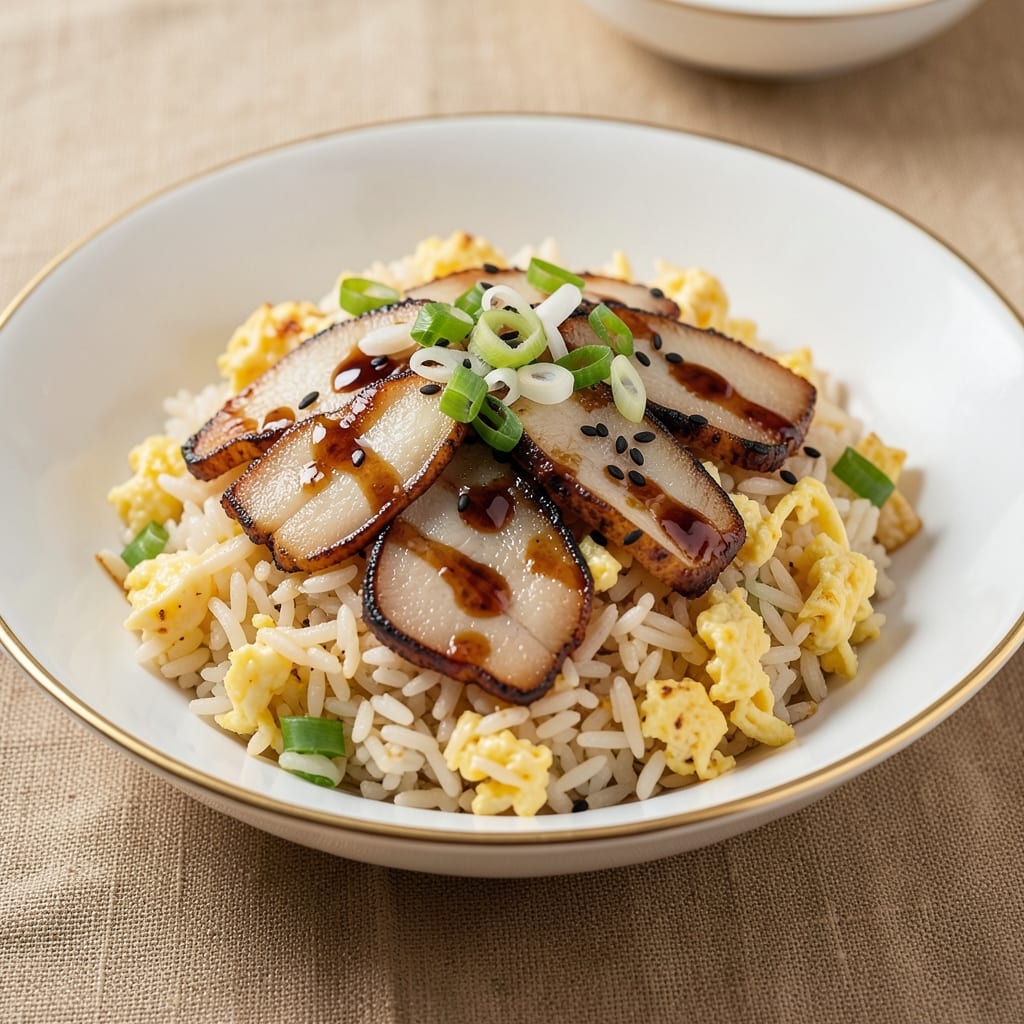
This abalone fried rice recipe transforms a simple weeknight meal into a luxurious seafood experience—all in one pan. The secret lies in perfectly seared abalone slices that deliver a satisfying crunch, paired with fragrant jasmine rice and a savory-sweet sauce that balances the dish's richness. I developed this recipe after years of experimenting with seafood fried rice, and the result is a harmonious blend of textures and flavors that elevates everyday cooking.
The beauty of this dish is its simplicity—just a handful of ingredients, but each plays a crucial role. You’ll start by preparing the abalone, searing it until golden and crispy, then stir-frying it with garlic, ginger, and scallions for extra depth. The rice absorbs the flavors beautifully, while the sauce ties everything together with a perfect balance of sweetness and umami. This recipe is designed to impress without being overly complicated, making it ideal for both weeknight dinners and special occasions.
What you’ll end up with is a dish that’s visually stunning and packed with flavor—crispy abalone slices resting atop tender, fragrant rice, all coated in a glossy, aromatic sauce. The contrast between the chewy abalone and the soft rice creates a satisfying bite, while the garnish of green onions and sesame seeds adds a fresh, finishing touch. Every forkful delivers a symphony of textures and tastes, proving that luxury meals don’t have to be complicated.
Serve this abalone fried rice as a standalone dish or pair it with a light seafood soup or steamed vegetables for a complete meal. The recipe scales easily, so you can adjust the portion sizes to fit your needs. Whether you're cooking for two or hosting a dinner party, this dish is sure to leave a lasting impression. Let’s get started on creating this restaurant-worthy masterpiece.
Ingredients for abalone fried rice
Just twelve ingredients transform simple rice into a luxurious seafood masterpiece.
| Ingredient | Amount | Notes |
|---|---|---|
| Abalone Slices 🐚 | 8 oz | Fresh, skin-on preferred |
| Jasmine Rice 🍚 | 2 cups | Uncooked, long-grain |
| Eggs 🥚 | 2 whole | Large, beaten for stir-fry |
| Garlic Cloves 🧄 | 4 cloves | Minced, fresh preferred |
| Fresh Ginger 🌿 | 1 tbsp | Grated, peeled root |
| Green Onions 🧅 | ½ cup | Sliced, white and green parts |
| Sesame Seeds 🌰 | 1 tbsp | Toasted, for garnish |
| Vegetable Oil 🫒 | 3 tbsp | High smoke point |
| Soy Sauce 🍶 | 3 tbsp | Light or dark preferred |
| Oyster Sauce 🍲 | 1 tbsp | Kikkoman brand recommended |
| Honey 🍯 | 1 tbsp | Pure, for sweetness |
| White Pepper 🌶️ | ¼ tsp | Freshly ground preferred |
| Salt 🧂 | ½ tsp | Kosher or sea salt |
Abalone is the star here, so freshness is non-negotiable. Look for abalone with a glossy sheen and firm texture—Asian markets or specialty seafood counters are your best bet. If buying frozen, thaw it overnight in the fridge. The jasmine rice should be day-old (or cold from the fridge) for perfect texture. For the eggs, room temperature makes them cook more evenly. I always grab Kikkoman oyster sauce—it's the gold standard for this dish, and the honey should be pure, not that processed stuff.
No abalone? Scallops or shrimp work in a pinch, but the texture won't be the same. Fresh ginger? Ginger paste works too—just measure by volume. The soy sauce can be swapped for coconut aminos if you're avoiding soy. Sesame seeds too expensive? Toasted peanuts add crunch too. For the rice, if you can't find jasmine, brown rice works but needs 30% more liquid**. The key is getting that crispy sear on the abalone—don't rush this step.
Cooked rice keeps 3-4 days in the fridge, but the abalone is best eaten fresh. Store any leftovers in airtight containers with a thin layer of oil on top to keep the rice from drying. The sauce components (soy, oyster, honey) can be pre-mixed and stored for 1 week. Garnish with extra green onions and sesame seeds right before serving—they lose crunch fast. This dish reheats beautifully—just add a splash of water to the pan and stir-fry for 2 minutes.
Why You'll Love This Recipe
- Here’s what sold me: abalone might sound fancy, but a few slices stretch across multiple meals, making it feel indulgent without breaking the bank. Plus, jasmine rice and eggs are pantry staples, so you’re basically turning everyday ingredients into something special with minimal effort.
- One-Pan Magic: I swear by this recipe because it’s that simple—just toss everything into one hot wok, and the abalone’s natural sweetness melts into the rice while the garlic and ginger sizzle into aromatic perfection. No fancy techniques, no stress, just a quick stir-fry that feels like a restaurant dish.
- Umami Bomb: That first bite? The abalone’s briny richness paired with the silky eggs and fragrant jasmine rice is ridiculously satisfying. The ginger adds a bright kick, and the garlic? It’s like a little flavor hug in every mouthful—no one will guess it’s this easy to make.
- Lunchbox Hero: Between us, this is my go-to for meal prep because it reheats like a dream and keeps its texture for days. Pack it in bento boxes for work or school lunches, and watch people ask for seconds—especially when they taste the tender abalone slices still holding their shape.
Step-by-step instructions for abalone fried rice
Here's how to make this luxurious seafood dish with crispy abalone and fragrant jasmine rice.
Prepare the Abalone and Rice
Start by slicing the 8 oz abalone slices into ¼-inch thick pieces if they're not already pre-cut. Pat them dry with paper towels - this helps create that perfect crispy texture when we fry them later. While you're working, rinse the 2 cups jasmine rice under cold water until the water runs clear, then drain well. This removes excess starch that would make our fried rice gummy.
In a small bowl, whisk together the 2 whole eggs with 0.5 tsp salt and 0.25 tsp white pepper. The eggs will be our binding element, creating that classic fried rice texture. Keep this mixture covered and set aside at room temperature while you prep the rest of your ingredients.
Cook the Abalone to Perfect Crispiness
Heat 1 tablespoon vegetable oil in a wok or large skillet over medium-high heat until shimmering. Add the abalone slices in a single layer and cook undisturbed for 2-3 minutes per side until they develop a beautiful golden-brown crust. The abalone should release easily from the pan when ready - if it sticks, your oil isn't hot enough.
Remove the abalone and set aside on a paper towel-lined plate. You'll notice the abalone releases its own juices - don't discard these! We'll use them later to add extra flavor to our rice. In the same pan, add another 1 tablespoon vegetable oil and stir in the 4 cloves minced garlic and 1 tbsp grated fresh ginger. Cook for 30 seconds until fragrant but not browned - this prevents bitterness in our final dish.
Stir-Fry the Rice and Build the Sauce
Working quickly, add the drained jasmine rice to the wok in one motion and stir-fry for 2-3 minutes on high heat. You want to break up any remaining clumps while keeping the grains intact. After about 1 minute, pour in the 3 tbsp soy sauce and 1 tbsp oyster sauce, stirring constantly to coat the rice evenly.
Now add the 1 tbsp honey and the 0.5 cup sliced green onions, tossing everything together for another 1-2 minutes. The honey will caramelize slightly, adding a beautiful gloss and subtle sweetness to balance the savory flavors. If the rice starts to stick, add 1-2 tablespoons of water to help loosen it while maintaining that perfect texture.
Combine Everything for Maximum Flavor
Push the rice to one side of the wok and pour in the remaining 1 tablespoon vegetable oil. Add the beaten egg mixture and scramble quickly until just set - you want soft, silky curds rather than fully cooked eggs. Immediately mix everything together, incorporating the abalone slices and any juices from the paper towel.
Cook for another 1-2 minutes until everything is heated through and the abalone is warmed completely. Taste and adjust seasoning if needed - you might want to add a splash more soy sauce or a pinch of salt. The dish should be perfectly balanced between sweet, savory, and umami flavors with a hint of ginger's fresh bite.
Finish and Garnish for Presentation
Transfer the fried rice to serving plates and immediately sprinkle with the 1 tbsp toasted sesame seeds. The contrast of the nutty sesame against the seafood and rice creates a beautiful visual and textural element. Serve while hot - this dish is best enjoyed immediately when the abalone is still crispy and the rice maintains its perfect texture.
For an extra touch, you can drizzle a little extra oyster sauce or a sprinkle of white pepper on top just before serving. This abalone fried rice makes an impressive centerpiece for any meal - the luxurious abalone elevates what would normally be a simple fried rice into something truly special.
Pro Tips For Making Abalone Fried Rice
- Sear Abalone First: Toss the abalone slices in a screaming-hot wok with just a splash of oil and a pinch of salt for 30 seconds per side before setting them aside. This locks in their juices and gives them that caramelized bite—skipping this step means you’ll end up with chewy, flavorless rubber.
- Prep Ginger Like Pro: Mince the ginger finely—think rice grains, not matchsticks—and toast it in the wok until it smells like a spice market. Raw ginger will make your fried rice taste medicinal, and pre-toasting brings out its warmth without bitterness.
- Scramble Eggs Separately: Push the eggs to one side of the wok and let them set into a loose curd before mixing them into the rice. This keeps them creamy and prevents them from turning into scrambled rubber—especially important when abalone’s rich flavor needs to shine, not compete.
- Use Day-Old Rice: Cold, dry jasmine rice from the fridge clings better and soaks up flavors like a sponge—no need for extra oil. Freshly cooked rice turns to mush and sticks, making your fried rice gloppy instead of perfectly textured. (Yes, even if you’re impatient like me.)
Best sauces and condiments for this recipe
Classic Oyster Sauce
The Kikkoman oyster sauce in this recipe is the flavor backbone—its deep umami and slightly sweet profile perfectly complements the abalone's briny richness. Use 1 tablespoon as directed, but don’t be afraid to add an extra ½ teaspoon if your abalone is particularly mild. For a vegetarian twist, substitute with vegetable oyster sauce (like Lee Kum Kee), though the flavor will be subtly different. 🍲
Sweet-Savory Glaze
Combine 1 tablespoon honey with 1 teaspoon rice vinegar and ½ teaspoon sesame oil for a quick glaze that adds gloss and depth. Toss this mixture with the fried rice in the final 30 seconds of cooking—it caramelizes instantly, creating a sticky, aromatic coating. For extra umami, add ½ teaspoon fish sauce (like Red Boat) to the glaze. 🍯
Spicy Chili Oil
For heat lovers, drizzle 1 teaspoon chili oil (like Lao Gan Ma) over the finished dish. The smoky, spicy kick cuts through the abalone’s richness while adding visual drama. Start with ½ teaspoon and adjust to taste—chili oil’s intensity varies by brand. Garnish with thinly sliced scallions for freshness. 🌶️
Creamy Garlic Sauce
Blend 2 tablespoons sour cream with 1 teaspoon minced garlic, ½ teaspoon soy sauce, and a pinch of white pepper for a cooling contrast. Spoon this over the fried rice just before serving—it balances the abalone’s chewiness with a velvety, tangy finish. For extra richness, swap in crème fraîche. 🥄
Sesame-Ginger Dressing
Whisk together 1 tablespoon toasted sesame oil, 1 teaspoon grated ginger, 1 teaspoon honey, and 1 teaspoon lime juice for a vibrant drizzle. This bright, nutty dressing enhances the abalone’s natural sweetness while tying all flavors together. Store leftovers in an airtight container for up to 5 days. 🌿
Nutrition facts
Frequently asked questions
Can I use frozen abalone for this recipe?
Yes, but thaw it properly to maintain texture. Place frozen abalone slices in a sealed bag and refrigerate overnight. Never use microwave thawing—it makes the abalone mushy. Once thawed, pat them completely dry before cooking to ensure that perfect crispy crust.
What if I can't find jasmine rice?
Long-grain white rice works well, but it absorbs flavors differently. For best results, use brown rice (cooked with 30% more liquid) or basmati rice. The texture will be slightly different but still delicious. Avoid short-grain rice like sushi rice—it becomes too sticky.
How do I prevent the abalone from sticking to the pan?
Use a high-heat wok or cast-iron skillet and ensure it's properly heated before adding oil. Pat the abalone slices completely dry with paper towels, and don't overcrowd the pan. If they stick, your oil isn't hot enough—wait until it shimmers before cooking.
Can I make this dish ahead of time?
Cooked rice can be refrigerated for 3-4 days, but the abalone is best eaten fresh. Store components separately: keep rice in an airtight container with a thin oil layer to prevent drying. Reheat gently in a pan with a splash of water, then add fresh abalone just before serving.
What's the best way to tell when abalone is cooked perfectly?
Look for a golden-brown crust that releases easily from the pan. The flesh should be opaque and slightly translucent at the edges, with a firm bite. If it's still translucent in the center, cook 30 more seconds. Overcooked abalone becomes rubbery—so aim for that perfect 2-3 minutes per side**.