
Salads
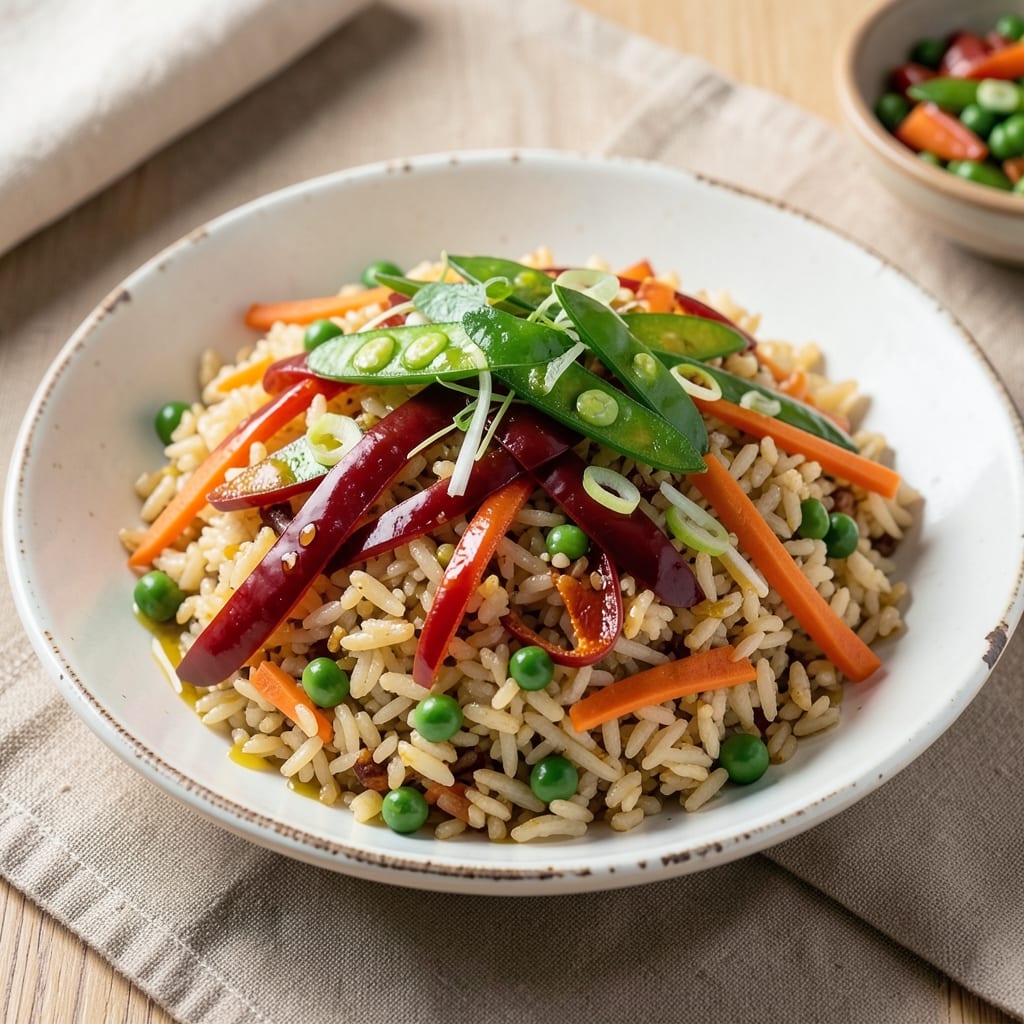
This Asian vegetable fried rice recipe transforms simple ingredients into a vibrant, restaurant-quality dish with the signature wok hei flavor. The key? Using day-old rice that absorbs flavors perfectly while achieving that coveted smoky aroma from high-heat stir-frying. I developed this recipe after years of perfecting the balance between crisp-tender vegetables and aromatic seasonings, drawing from both classic Chinese techniques and modern adaptations.
The foundation of great fried rice lies in proper preparation: cold rice prevents mushiness, and a hot wok creates those signature charred bits that add depth. We'll use a blend of fresh vegetables—bell peppers, carrots, peas, and snap peas—for color and crunch, all tossed with a savory soy-ginger sauce. The secret weapon? A quick sear of garlic and ginger in the wok before adding everything else, which builds that essential aromatic base.
What you'll end up with is a dish that's visually stunning with its bright colors and perfectly cooked components, while delivering a symphony of flavors—savory, slightly sweet, and umami-rich. The texture is ideal: vegetables stay crisp-tender, rice is separate but flavorful, and the sauce coats everything without being gloppy. This recipe serves as both a satisfying vegetarian main course and a flexible base for adding proteins like tofu or shrimp.
Whether you're recreating a homey Chinese takeout experience or creating a colorful weeknight meal, this fried rice delivers restaurant-quality results with minimal effort. The best part? It reheats beautifully, making it perfect for meal prep. Let's get cooking!
Ingredients for asian vegetable fried rice
Four cups of cold rice and vibrant vegetables transform into restaurant-quality fried rice with wok hei aroma.
| Ingredient | Amount | Notes |
|---|---|---|
| Day-Old Cooked White Rice 🍚 | 4 cups | Cold, unseasoned, preferably jasmine or basmati |
| Red Bell Pepper 🍅 | 1 whole | Seeded, cut into 1-inch pieces |
| Carrot 🥕 | 1 medium | Julienned into thin matchsticks |
| Snap Peas 🌱 | 1 cup | Trimmed, whole pods |
| Frozen Peas 🌿 | ½ cup | Thawed, no need to drain |
| Green Onion 🧅 | 3 whole | White and green parts separated |
| Garlic Cloves 🧄 | 4 cloves | Minced, for aromatic base |
| Fresh Ginger 🌿 | 1 ½ tbsp | Finely grated, peeled |
| Soy Sauce 💧 | 3 tbsp | Light or all-purpose variety |
| Sesame Oil 🫒 | 1 tbsp | Toasted, for finishing |
| Vegetable Oil 🫒 | 3 tbsp | High smoke point, like avocado |
| Oyster Sauce 🍶 | 1 ½ tbsp | Vegetarian version preferred |
| Rice Vinegar 🍶 | 1 tbsp | For brightness |
| Sugar 🍚 | 1 tsp | White granulated |
| Toasted Sesame Seeds 🌾 | 1 tbsp | For garnish |
The rice is non-negotiable—day-old, cold rice absorbs flavors better than fresh. Jasmine or basmati work best for their distinct aroma, but any white rice will do. For the vegetables, fresh snap peas add sweetness, while frozen peas (thawed) save time without sacrificing texture. The red bell pepper should be firm with no soft spots, and the carrots should be crisp—julienne them thinly for even cooking. Green onions add freshness, so separate the white and green parts for different uses: white goes into the wok, greens for garnish. Garlic and ginger are the aromatic base—minced finely for maximum flavor release.
No snap peas? Snow peas or regular peas work in a pinch, though texture will differ slightly. Substitute frozen mixed vegetables if needed, but avoid anything mushy like corn. For the sauce, vegetarian oyster sauce (check for anchovies) ensures authenticity without compromising dietary preferences. Sesame oil should be toasted—Kadoya brand is a reliable choice. The rice vinegar adds brightness, but mirin can substitute at a 1:1 ratio. Sugar balances the savory flavors, but maple syrup works too. If you're short on time, pre-chopped frozen stir-fry veggies from Trader Joe's are a lifesaver—just thaw and drain well.
Rice reheats beautifully—portion into airtight containers for easy meal prep. Store cooked fried rice in the fridge for up to 4 days or freeze for 3 months. For best texture, reheat in a skillet with a splash of water to steam. The sesame seeds and green onions should be added fresh after reheating. This dish also freezes well—cool completely before freezing for optimal texture retention. Double the batch if you're feeding a crowd; it reheats just as well the second time.
Why You'll Love This Recipe
- Fridge Rescue: I swear by this one when I’m staring at leftover rice and random veggies. No fancy prep—just chop what you’ve got (carrots in quick matchsticks, bell peppers in lazy strips) and toss them in. The snap peas add that perfect crunch without fuss.
- Umami Bomb: That crispy wok hei from high-heat stir-frying? Combined with a splash of soy sauce and a sprinkle of sesame oil, this rice tastes like a restaurant takeout you’d actually pay for. The frozen peas might seem simple, but they burst with sweetness when seared just right.
- Lunchbox Hero: Between us, this is my go-to for packed lunches—it reheats like a dream and keeps its texture. Add a fried egg on top for protein, and suddenly you’ve got a meal that’s both budget-friendly and impressive enough to bring to work.
- Zero-Waste Winner: Honestly, I make this when I’m trying to use up everything in my crisper drawer. Carrots getting soft? Toss them in. Extra snap peas? More texture. The day-old rice? That’s the secret—it soaks up flavors like a sponge while keeping the dish from turning mushy.
Step-by-step instructions for Asian vegetable fried rice
Master the essential technique for creating restaurant-quality fried rice with perfect texture and vibrant flavors.
Prepare the Vegetable Base
Heat the 3 tablespoons vegetable oil in a wok or large skillet over medium-high heat until shimmering. Add the 4 cloves minced garlic and 1.5 tablespoons finely grated fresh ginger, stirring constantly for 30 seconds until fragrant but not browned. This aromatic base forms the flavor foundation for your dish.
Push the aromatics to one side of the wok and add the 1 whole red bell pepper cut into 1-inch pieces and 1 medium carrot julienned into thin matchsticks. Stir-fry for 2-3 minutes until the vegetables begin to soften but maintain their vibrant color. The high heat ensures they develop a slight char while staying crisp-tender. Add the 1 cup trimmed snap peas and 0.5 cup thawed frozen peas, cooking for another 2 minutes until all vegetables are bright and just tender-crisp.
Incorporate the Rice and Seasonings
Add the 4 cups day-old cooked white rice, breaking up any clumps with your spatula as you distribute it evenly in the wok. The day-old rice is crucial—it's drier and absorbs flavors better than fresh rice. Cook for 2-3 minutes, stirring constantly, until the rice becomes translucent and begins to develop small brown spots.
Pour in the 3 tablespoons soy sauce and 1.5 tablespoons oyster sauce, mixing thoroughly to coat each grain of rice. Add the 1 tablespoon rice vinegar and 1 teaspoon sugar, stirring again to combine. The vinegar brightens the dish while the sugar balances the savory flavors. Cook for another 2 minutes, watching carefully as the rice absorbs the sauces and develops that signature wok hei aroma.
Finish with Aromatics and Garnish
Remove the wok from heat and stir in the white parts of 3 green onions cut into 1-inch pieces. This adds a subtle sweetness that complements the other vegetables. Return the wok to medium heat and drizzle in the 1 tablespoon toasted sesame oil, tilting the wok to coat the rice evenly. The sesame oil adds depth and richness to the finished dish.
Garnish immediately with the green parts of 3 green onions sliced into thin strips and 1 tablespoon toasted sesame seeds. Serve while hot, watching as the steam rises from the vibrant, colorful rice. Each bite should deliver a perfect balance of textures—crisp vegetables, tender rice, and aromatic seasonings—with that signature wok hei flavor that makes this dish truly exceptional.
Pro Tips For Making Asian Vegetable Fried Rice
- PREP PEAS FIRST: Toss frozen peas in a dry pan for 30 seconds before adding them to the rice—this jumpstarts their thawing and prevents that sad, icy texture in your finished dish. (Yes, even if you’re impatient like me, give them that head start.) ---
- CRUNCH THE CARROTS: Shred carrots thinly—about 1/8-inch slices—and blanch them in boiling water for 1 minute before stir-frying. This softens them just enough to caramelize without turning to mush. (I learned this the hard way when my rice ended up with rubbery orange bits.) ---
- SALT THE RICE: Sprinkle a pinch of salt over the day-old rice while breaking it apart—this brightens the grains and cuts through the starchiness before any other ingredients hit the pan. (Your future self will notice the difference.) ---
- STIR-FRY IN BATCHES: Don’t overload the pan—work in two rounds if needed. Crowding steams the veggies instead of searing them, and you’ll end up with a soggy, uneven mess. (I skip this when I’m lazy, but the dish is noticeably better when I don’t.)
Pro cooking tips for asian vegetable fried rice
Wok Hei Mastery
To achieve that signature wok hei aroma, your wok or skillet must reach high heat before adding oil. I use a carbon steel wok (like De Buyer) because it retains heat better than stainless steel and develops a natural patina over time that enhances flavor. If you don't have a wok, a large cast-iron skillet works too—just make sure it's thoroughly preheated for 3-5 minutes until a drop of water sizzles instantly. The key is high, controlled heat—not so hot it smokes uncontrollably, but hot enough to create those tiny charred bits that pack maximum flavor. 🔥
Rice Texture Secrets
Day-old rice isn't just about flavor—it's about texture. Fresh rice releases too much moisture and turns mushy when stir-fried. I always spread my cooked rice on a tray and refrigerate it uncovered for 1-2 hours to dry it out completely. For extra insurance, spread it on parchment paper and let it sit at room temperature for 30 minutes before using. If you're short on time, microwave the rice for 1 minute after cooking to dry it out slightly. The goal is separate, dry grains that will crisp up beautifully in the wok.
Vegetable Prep Matters
Cutting vegetables to the right size ensures even cooking—thin, uniform pieces cook faster and stay crisp-tender. For the carrots, julienne them into ¼-inch matchsticks (about 2-3 inches long). The bell pepper should be cut into 1-inch cubes—larger pieces will overcook. I like to blanch snap peas for 30 seconds in boiling water before stir-frying to soften them slightly while keeping their vibrant color. This step is optional but helps them cook faster without turning mushy. 🌱
Sauce Timing Tricks
The order you add sauces makes a difference. Start with soy sauce and oyster sauce—they need time to penetrate the rice. Add the rice vinegar and sugar just before the final 2 minutes of cooking so the acidity doesn't break down the vegetables too early. For extra depth, I sometimes add a ½ teaspoon fish sauce (or ½ teaspoon soy sauce for vegetarian) with the other sauces. The sesame oil goes in last—always off the heat—to preserve its nutty aroma without burning it. Drizzle it in a zigzag pattern to distribute it evenly.
Stir-Fry Like a Pro
Your stirring technique determines the final texture. Use a wide spatula (like Nordic Ware) to keep everything moving. Work in small batches if needed—overcrowding steams the vegetables instead of searing them. I stir in one direction for 30 seconds, then switch directions to ensure even cooking. For the rice, break up clumps aggressively with the spatula to prevent gummy spots. The moment you see golden brown spots on the rice and vegetables, it's ready—don't overcook! The residual heat will finish cooking it as you plate. ✨
Nutrition facts
Frequently asked questions
Why does the recipe call for day-old rice?
Day-old rice is essential because it's drier and absorbs flavors better than fresh rice. When stir-fried, it creates those perfect crispy bits on the outside while staying tender inside. Fresh rice releases too much moisture, leading to mushy fried rice. Spread your cooked rice on a tray and refrigerate it uncovered for 1-2 hours to dry it out completely before using.
Can I make this vegetarian fried rice gluten-free?
Use a gluten-free soy sauce like tamari and check your oyster sauce for gluten—many brands offer gluten-free versions. For extra protein, add 1 cup cubed tofu (pan-fried until crispy) or ½ cup chickpeas (rinsed and drained). The dish will still maintain its vibrant flavors while being completely gluten-free.
What if I don't have a wok?
No problem! A large cast-iron skillet or non-stick frying pan works perfectly. The key is to use high heat and keep your ingredients moving constantly to prevent sticking. Preheat your pan for 3-5 minutes until it's smoking hot before adding oil—this creates that signature wok hei flavor. A carbon steel or stainless steel pan works best for heat retention.
How do I prevent my fried rice from turning out mushy?
Mushy fried rice usually happens from one of three things: using fresh rice, overcrowding the pan, or not using enough heat. Always use day-old rice and break up any clumps before stir-frying. Work in batches if needed—don't overfill your pan. And most importantly, use high heat and stir constantly to create those crispy bits. If your rice seems too moist, spread it on a baking sheet and microwave for 1 minute before cooking.
Can I make this ahead of time?
This fried rice actually reheats beautifully! Cook and cool it completely, then store in an airtight container in the fridge for up to 4 days. For best results, reheat in a skillet over medium heat with a splash of water to steam. Add fresh sesame seeds and green onions after reheating for maximum flavor. It also freezes well for up to 3 months—just thaw overnight in the fridge before reheating.