
Main Courses
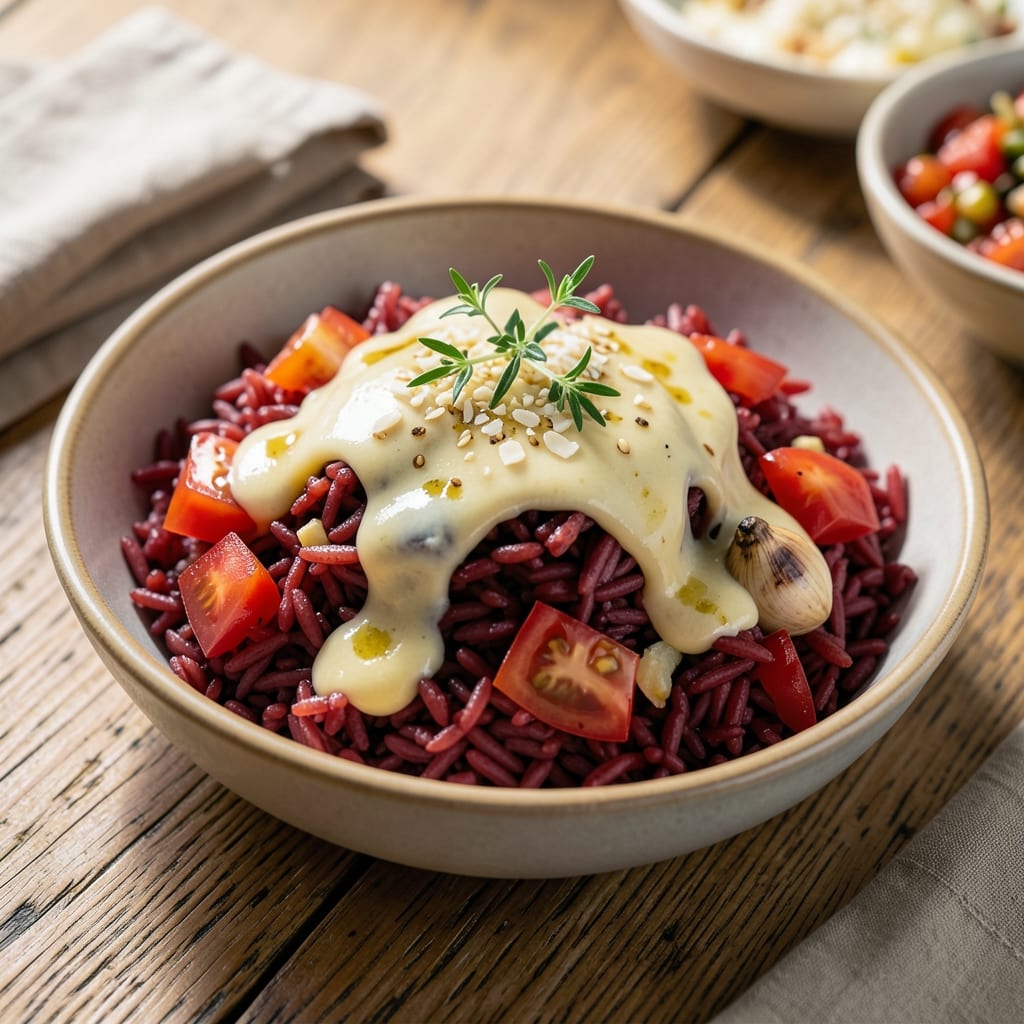
This African red rice recipe delivers bold flavors and vibrant color in one aromatic pot. 🌟 Inspired by West African traditions like Senegalese thieboudienne, it combines tender rice with tomatoes, coconut milk, and aromatic spices for a dish that feels like a homecoming. The secret lies in balancing sweet, tangy, and smoky notes—each bite tells a story of cultural heritage and rich tradition.
The magic happens through careful layering: onions and garlic form the flavor base, while tomatoes and coconut milk create a luscious, slightly sweet sauce. Fresh herbs like thyme and bay leaves infuse depth, while fish or chicken adds protein that soaks up every flavorful drop. Unlike many rice dishes, this one-pot method keeps things simple without sacrificing authenticity.
What you’ll end up with is perfectly tender red rice—golden at the edges, fragrant with spices, and infused with the creamy richness of coconut. The dish serves as both a hearty main course and a celebration of African culinary traditions, proving that comfort food can be deeply meaningful. Ready to transform your table?
Whether you’re cooking for family gatherings or a quiet weeknight dinner, this recipe scales beautifully while maintaining its authentic soul. The aromatic spices and vibrant color make it a showstopper, and the one-pot preparation ensures minimal cleanup. Let’s bring the flavors of West Africa to your kitchen.
Ingredients for african red rice
Unlock West African flavors with these vibrant, aromatic ingredients for authentic red rice.
| Ingredient | Amount | Notes |
|---|---|---|
| Long-Grain White Rice 🍚 | 1 ½ cups | Uncooked, rinsed thoroughly |
| Canned Diced Tomatoes 🍅 | 14 ½ oz | San Marzano preferred for sweetness |
| Coconut Milk 🥥 | 13 ½ oz | Full-fat canned, well-shaken |
| Yellow Onion 🧅 | 1 whole | Medium size, finely diced |
| Garlic Cloves 🧄 | 4 cloves | Fresh, minced finely |
| Fresh Thyme 🌿 | 1 tbsp | Leaves only, chopped |
| Bay Leaves 🍃 | 2 whole | Dried or fresh |
| Ground Ginger 🌶️ | 1 tsp | Freshly grated preferred |
| Smoked Paprika 🌶️ | 1 tsp | For smoky depth |
| Salt 🧂 | 1 ½ tsp | Diamond Crystal preferred |
| Black Pepper 🌶️ | ½ tsp | Freshly ground |
| Chicken Breast 🍗 | 1 lb | Boneless, skinless, cubed |
| Olive Oil 🫒 | ¼ cup | Extra-virgin for richness |
| Lemon Juice 🍋 | 1 tbsp | Freshly squeezed |
The tomatoes and coconut milk form the heart of this dish—San Marzano diced tomatoes bring natural sweetness, while full-fat coconut milk adds luxurious creaminess. For the best flavor, grab a Bare Brand or Thai Kitchen coconut milk can; the cheaper brands often have more water. Fresh thyme and bay leaves are non-negotiable here—they infuse that earthy depth that sets this apart from other rice dishes. If using dried thyme, cut the amount to one-third of fresh. The smoked paprika is what gives it that signature African touch—Penzeys or Gourmet Spice Shop carry excellent varieties if you want to splurge.
No fresh thyme? Dried thyme at one-third the amount works in a pinch. Short on chicken? Firm white fish like cod or shrimp soaks up flavors just as well. The rice should be long-grain white—jasmine or basmati won't give the same texture. For extra authenticity, some cooks add a pinch of cayenne pepper at the end, but it's optional. The lemon juice brightens everything up—freshly squeezed is best, but bottled works if you're in a hurry. If you can't find smoked paprika, regular paprika plus a pinch of liquid smoke mimics the flavor.
This rice keeps beautifully—3-4 days in the fridge or 3 months frozen. The flavors actually deepen overnight, so make extra. Store in an airtight container with a tight lid to preserve those aromatic spices. For serving, I like to let it sit covered for 10 minutes off heat before fluffing—it makes all the difference. The chicken or fish can be cooked separately and added at the end if you prefer, but I find letting it all simmer together gives the most tender, flavorful result.
Why You'll Love This Recipe
- Pantry Magic: I swear by this recipe when I’ve got nothing but basics—no fancy spices, just tomatoes, coconut milk, and a pinch of salt. The canned tomatoes add that deep, tangy backbone while the coconut milk keeps it rich without extra work.
- Tomato-Garlic Hug: That first bite? It’s like a warm embrace. The garlic softens into sweetness, the tomatoes caramelize just enough, and the coconut milk adds this velvety finish. Honestly, I’ll take this over takeout any day.
- Meal Prep MVP: Make a big batch on Sunday, and you’ve got lunch for the week. It reheats beautifully—just add a splash of water—and tastes even better the next day. My kids actually ask for leftovers.
- Budget Bright Spot: Long-grain rice and canned tomatoes? Affordable. Coconut milk stretches far. I’ve fed six people for under $10, and no one complains. Between us, that’s a win in my book.
Step-by-step instructions for African red rice with tomato-coconut fusion
Here's how to transform simple ingredients into a vibrant, aromatic one-pot dish.
🍳 Step 1: Sauté Aromatics Until Fragrant
Heat the 0.25 cup olive oil in a large, heavy-bottomed pot over medium heat. Add the 1 whole yellow onion and cook for 5 minutes until softened and translucent. This is your flavor foundation—don't rush it.
Add the 4 cloves garlic cloves, 1 tbsp fresh thyme, 2 whole bay leaves, 1 tsp ground ginger, and 1 tsp smoked paprika. Stir constantly for 1 minute until the garlic turns golden and the spices release their aroma. You'll smell the earthy warmth of ginger and the smoky depth of paprika—this is where the magic begins.
🍳 Step 2: Cook Chicken Until Fully Done
Increase heat to medium-high and add the 1 lb chicken breast cubed in a single layer. Cook for 6-8 minutes, stirring occasionally, until the chicken is no longer pink in the center and the edges are lightly browned. Remove the chicken with a slotted spoon and set aside.
This step ensures the chicken cooks through while still retaining moisture. If you see the chicken starting to brown too quickly, reduce heat to medium to prevent overcooking. The chicken will finish cooking in the simmering liquid later.
🥘 Step 3: Build the Flavor Base
Pour in the 14.5 oz canned diced tomatoes and stir to combine with the aromatics. Let the mixture simmer for 5 minutes until the tomatoes break down slightly and the flavors meld. Add the 1.5 tsp salt and 0.5 tsp black pepper, then stir in the 1.5 cups long-grain white rice.
Here's where the tomatoes transform from simple to complex. You'll notice the sauce thicken slightly and develop a rich, tangy depth. This is the perfect moment to add the 13.5 oz coconut milk—stir gently to avoid breaking up the rice grains too much.
⏰ Step 4: Simmer Until Rice is Tender
Bring the mixture to a gentle boil, then reduce heat to low and cover the pot with a tight-fitting lid. Simmer for 20-25 minutes, stirring gently once halfway through, until the rice is tender and most of the liquid is absorbed. You'll know it's ready when the rice grains are separate but still slightly firm to the bite.
This low-and-slow cooking method allows the rice to absorb all the flavors without becoming mushy. If you notice the rice sticking to the bottom, add 2-3 tablespoons of water and stir gently. The rice should be just tender enough that a grain can be easily pierced with a fork.
🍽️ Step 5: Finish and Serve
Once the rice is tender, remove the pot from heat and stir in the 1 tbsp lemon juice. Return the chicken to the pot and let it sit for 2-3 minutes to absorb the remaining flavors. Discard the bay leaves before serving.
This final step brightens the dish with a touch of acidity that cuts through the richness of the coconut milk. The lemon juice also helps balance the flavors, giving the dish a fresh finish. Serve immediately while the chicken is still warm and the rice is fragrant, garnished with extra thyme if desired.
Pro Tips For Making African Red Rice
- TOAST THE ONIONS FIRST: Slice those onions thin and let them cook in oil until they’re golden—about 8-10 minutes. I learned this the hard way: skipping this step leaves your rice tasting raw and dull, no matter how much garlic you add later.
- RINSE THE RICE TWICE: Cold water, swirling it around until it runs clear—don’t skimp. This removes excess starch, which is why your rice ends up gummy instead of fluffy. (Yes, even if it feels like overkill.)
- SIMMER DON’T BOIL: Once the rice is added, reduce heat to low and let it steam. I used to crank the heat, and my rice would turn mushy. A gentle simmer for 20-25 minutes keeps every grain distinct.
- USE FULL-FAT COCONUT MILK: The cheap, watered-down version won’t give that rich, creamy texture. If you’re in a pinch, mix equal parts full-fat coconut milk and water—but your rice will taste noticeably better with the real deal.
Dietary considerations for these flavors
Vegetarian Adaptations
Skip the chicken and replace it with 1 lb firm white fish like cod or halibut, or use 1 can chickpeas drained and rinsed for a plant-based protein. Fish adds richness, while chickpeas bring hearty texture. I find Thai Kitchen coconut milk enhances the dish's creaminess when using chickpeas. 🌱
Gluten-Free Considerations
All ingredients in this recipe are naturally gluten-free, but always double-check labels on smoked paprika and coconut milk for cross-contamination warnings. I prefer Penzeys smoked paprika because it's certified gluten-free. For extra safety, use a dedicated pot if you frequently cook gluten-containing foods.
Dairy-Free Notes
This recipe is already dairy-free, but the coconut milk adds a creamy texture that some might want to replace. For a lighter version, use 1 cup unsweetened almond milk instead, though the dish will be less rich. I've found that Bare Brand coconut milk provides the best balance of creaminess and authenticity. 🥥
Protein Swaps
For a seafood twist, use 1 lb shrimp or 1 lb tilapia fillets instead of chicken. Shrimp cooks in just 3-4 minutes before removing, while fish needs 8-10 minutes to reach 145°F internal temperature. I like to add ½ tsp cayenne pepper when using shrimp for a subtle kick.
Spice Level Control
Adjust heat by omitting the smoked paprika or using ½ tsp mild paprika instead. For a gentle warmth, add ¼ tsp ground nutmeg—it complements the ginger beautifully. If you prefer no spice, simply skip the paprika entirely. The dish remains flavorful without it. 🌶️
Allergen-Friendly Tips
For nut allergies, stick with coconut milk (unless allergic to coconuts). For coconut allergies, replace it with 1 cup vegetable broth, though texture will be lighter. I always keep gluten-free tamari on hand to add 1 tsp soy sauce for umami depth if needed. The dish remains safe for most common allergies with these adjustments.
Nutrition facts
Frequently asked questions
Why does this African red rice recipe use coconut milk?
The coconut milk creates a luscious, slightly sweet base that balances the tomato's acidity while adding a creamy texture. This technique comes from West African traditions like Senegalese thieboudienne, where coconut milk enhances the dish's natural richness without overpowering the spices. It's what gives this rice its signature velvety finish.
Can I make this recipe without smoked paprika?
Yes! Skip the smoked paprika for a milder flavor or use ½ tsp regular paprika instead. For depth, try adding ¼ tsp ground nutmeg—it complements the ginger beautifully. The dish will still taste amazing, just with a more subtle smoky note.
How do I prevent the rice from becoming mushy?
Use long-grain white rice (not jasmine or basmati) and simmer on low heat for 20-25 minutes with the lid tightly sealed. Stir gently once halfway through, and add only 2-3 tablespoons of water if needed. The rice is done when it's tender but still slightly firm to the bite.
What's the best way to store leftovers?
Store in an airtight container in the fridge for 3-4 days or freeze for 3 months. The flavors actually deepen overnight! Reheat gently on the stove with a splash of water to restore moisture. Let it sit covered for 10 minutes off heat before serving for the best texture.
Can I substitute chicken with another protein?
Try 1 lb firm white fish (like cod or tilapia) or 1 lb shrimp. Fish needs 8-10 minutes to cook, while shrimp cooks in just 3-4 minutes. For a vegetarian option, use 1 can chickpeas drained and rinsed. Each protein brings a unique texture and flavor to the dish.