
Main Courses
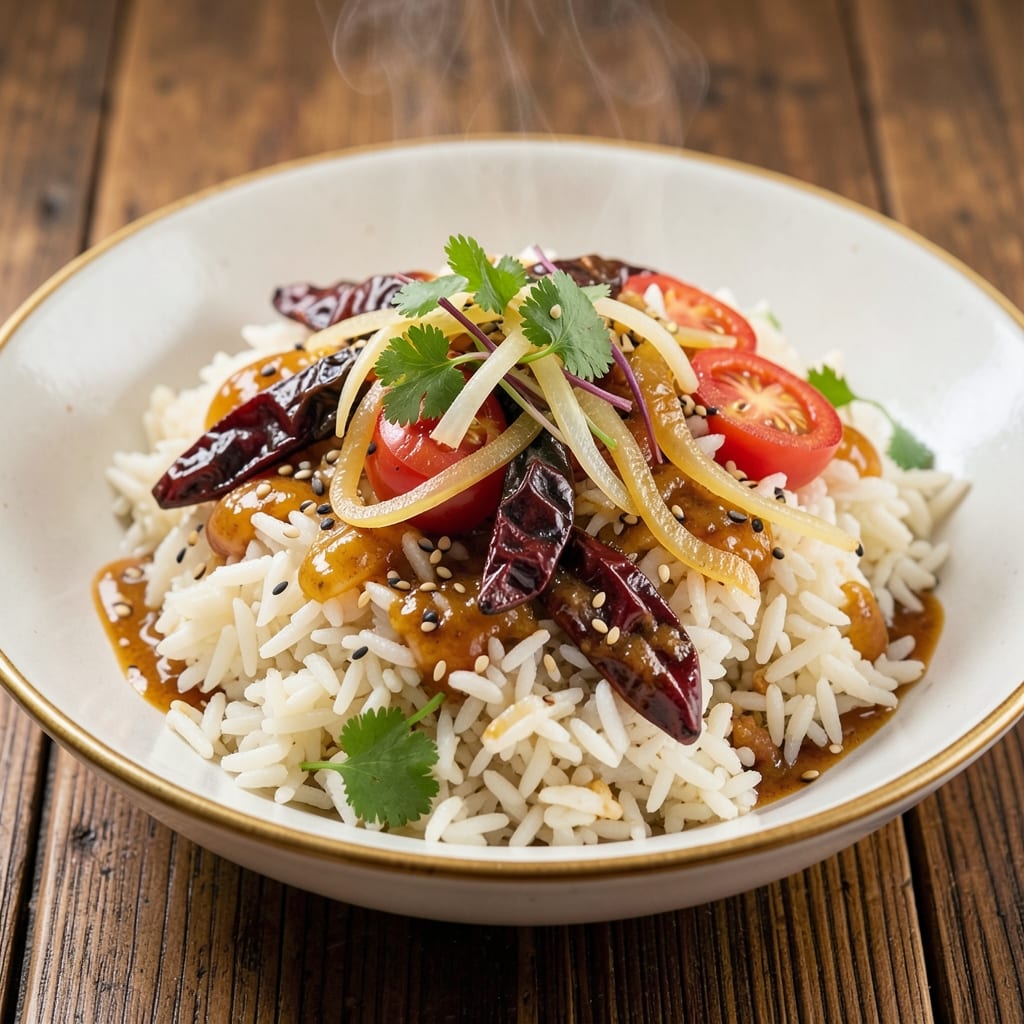
This African spicy rice recipe transforms simple grains into a bold, aromatic masterpiece that carries the soul of West African kitchens. The secret lies in slow-toasting whole spices until they release their deepest flavors—smoky, earthy, and just spicy enough to linger. I first discovered this technique in a bustling Lagos market, where vendors would toast peppers and onions in oil until the air smelled like a celebration waiting to happen.
The foundation begins with a rich tomato-pepper base that simmers into a thick, velvety sauce, where garlic and ginger melt into the oil. Layer in long-grain rice and let it absorb the flavors as it cooks, developing a perfect balance of heat and depth. This isn't just rice—it's a dish that tells a story of communal meals, where every bite carries the warmth of shared traditions.
By the time you serve it, you'll have golden, fragrant grains with a crust of toasted spices clinging to the bottom of the pot. The aroma alone will draw everyone to the table, while the tender rice soaks up the complex flavors of the sauce. Serve it alongside grilled chicken, fried plantains, or a simple salad to create a meal that feels both elegant and deeply comforting.
What makes this recipe truly special is its versatility—adjust the heat to your preference, swap in your favorite protein, or even make it vegetarian with beans. The technique is simple, but the results are anything but ordinary. Let's bring the flavors of Africa to your kitchen tonight.
Ingredients for african spicy rice
Pantry staples meet West African magic—just 14 ingredients for rice that tastes like a celebration.
| Ingredient | Amount | Notes |
|---|---|---|
| Long-Grain White Rice 🍚 | 1 ½ cups | Uncooked, rinsed thoroughly |
| Vegetable Oil 🫒 | ½ cup | For toasting spices |
| Dried Red Peppers 🌶️ | 2 tbsp | Crushed, for smoky depth |
| Fresh Tomatoes 🍅 | 1 ½ lbs | Ripe, diced (about 3 medium) |
| Yellow Onions 🧅 | 1 whole | Diced, for sweet base |
| Fresh Ginger 🌿 | 2 tbsp | Grated, for zesty kick |
| Garlic Cloves 🧄 | 4 cloves | Minced, for aromatic punch |
| Scotch Bonnet Peppers 🔥 | 2 whole | Seeds removed, chopped (adjust heat) |
| Ground Cumin 🌿 | 1 tbsp | Toasted for earthy warmth |
| Salt 🧂 | 1 ½ tsp | Kosher or sea salt |
| Black Pepper 🌶️ | ½ tsp | Freshly ground preferred |
| Thyme Leaves 🌿 | 1 tbsp | Fresh or dried (1 tsp) |
| Bay Leaves 🍃 | 2 whole | For subtle herbal depth |
| Water 💧 | 2 ½ cups | For cooking rice |
The tomatoes and onions are your flavor anchors. Look for ripe, vibrant tomatoes at the market—the deeper the red, the better. Yellow onions add sweetness that balances the heat. Toast your spices in the oil until they smell like a Lagos street market—this is where the magic happens. Penzeys or bulk bins at Whole Foods are great for quality spices, but don't stress if you've got the basics. The Scotch bonnet peppers? Wear gloves—they pack serious heat. If you can't find them, swap in habanero or jalapeño (but reduce to 1 pepper).
No fresh ginger? Powdered ginger at half the amount works in a pinch, but fresh is ideal. Dried thyme? Use one-third the quantity of fresh. Running low on tomatoes? Canned San Marzano tomatoes (drained well) save the day. The rice? Jasmine or basmati works too, but long-grain white is traditional. For extra richness, stir in a spoonful of peanut butter at the end—trust me on this. The sauce should coat the back of a spoon when done; if it's too thin, simmer uncovered for another 5 minutes.
This rice reheats beautifully—just add a splash of water and cover. Keeps 4-5 days in the fridge, freezes for 3 months. I always make a double batch because it's perfect for meal prep. Store in airtight containers with a sprinkle of salt on top to keep it fresh. The flavors actually deepen overnight (don't skip the leftovers!). For extra crispy bottom? Toast the rice in the pot for 2 minutes after cooking—worth the extra minute.
Why You'll Love This Recipe
- One-Pot Magic: Honestly, I swear by this recipe because it’s one pot—no fancy tools, no stress. Just rice, onions, tomatoes, and those dried red peppers simmering together until the kitchen smells like a West African street market. The rice absorbs all the smoky, spicy goodness without a single extra dish to wash.
- Smoky Heat Fix: Here’s what sold me—the way the dried red peppers toast in the oil first, releasing that deep, earthy aroma before the tomatoes even hit. It’s not just spicy; it’s layered—sweet from the tomatoes, sharp from the onions, and that slow-building heat that lingers. (Yes, even on a Tuesday night.)
- Meal Prep MVP: Between us, this rice keeps perfectly for days. I make a big batch on Sundays, and it’s my go-to for lunches, potlucks, or pairing with grilled chicken. The flavors actually deepens overnight, so leftovers taste even better than the first serving—no sad, dry rice here.
- Pocketbook Hero: Long-grain rice and onions? Check. Dried peppers and tomatoes? Check. This recipe costs me pennies but feels like a restaurant dish. I’ll be real: my daughter picks out the peppers first, but she still asks for seconds because it’s that good—and my wallet thanks me for it.
Step-by-step instructions for African spicy rice
Here's how to build bold, aromatic rice with a perfect tomato-pepper fusion.
🍳 Step 1: Toast the Spices in Vegetable Oil
Heat the 0.5 cup vegetable oil in a large pot over medium heat. Add the 2 whole bay leaves, 1 tbsp ground cumin, and 2 tbsp dried red peppers. Stir constantly for 2-3 minutes until the spices release their deep, nutty aroma and the oil begins to shimmer with golden flecks.
This toasting step is where the magic happens—it develops the complex, toasted spice notes that define African rice. Watch closely; if the oil starts to smoke, reduce the heat slightly. You'll know it's ready when the cumin turns a rich brown color and the dried red peppers darken slightly. Remove the bay leaves immediately after toasting—they'll add flavor but shouldn't stay in the final dish.
👨🍳 Step 2: Sauté Onions, Ginger, and Garlic
Add the 1 whole yellow onion (diced) to the pot and cook for 5-6 minutes until softened and golden. Stir in the 2 tbsp fresh ginger (grated) and 4 cloves garlic (minced), cooking for another 2 minutes until fragrant. The onions should be tender but not browned—this ensures they blend smoothly into the rice.
Here's the thing—don't rush this step. The ginger and garlic need time to mellow and release their oils. If you smell something burning, you've gone too far. The mixture should smell sweet, earthy, and slightly spicy. This aromatic base will carry through the entire dish, so take your time getting it right.
🍳 Step 3: Cook the Tomatoes and Scotch Bonnet Peppers
Add the 1.5 lbs fresh tomatoes (diced) and 2 whole Scotch Bonnet peppers (seeds removed and chopped) to the pot. Cook over medium-high heat for 8-10 minutes, stirring occasionally, until the tomatoes break down into a thick, glossy sauce. The Scotch Bonnet peppers will release their fiery heat—adjust the heat level by using more or less of the chopped pepper.
You'll see the sauce darken and thicken as it cooks. This is when the tomatoes release their natural juices and the Scotch Bonnet peppers infuse their signature heat. If the mixture looks too dry, add a splash of the 2.5 cups water to keep it moving. The sauce should coat the back of a spoon when you stir it—this ensures every grain of rice gets that rich, spicy tomato flavor.
🥘 Step 4: Add Rice and Seasonings
Stir in the 1.5 cups long-grain white rice (rinsed thoroughly), 1.5 tsp salt, 0.5 tsp black pepper, and 1 tbsp thyme leaves. Pour in the 2.5 cups water and bring to a boil. Once boiling, reduce the heat to low, cover the pot with a tight-fitting lid, and cook for 20 minutes without disturbing it.
This is where patience pays off. The rice needs undisturbed time to absorb the liquid and cook evenly. If you peek too soon, you'll release steam and dry out the rice. After 20 minutes, fluff the rice gently with a fork, then cover and let it steam for another 5 minutes. The rice should be tender with a slight bite—this ensures it holds its shape while still being flavorful.
⏰ Step 5: Rest and Serve
Remove the lid and let the rice sit covered for 5 minutes before serving. This resting period allows any remaining steam to finish cooking the rice and redistribute the flavors. The final result should be fragrant, with each grain coated in a vibrant tomato-pepper sauce and a subtle smokiness from the toasted spices.
Serve immediately with grilled meats, fried plantains, or a fresh salad. The rice should be aromatic, slightly spicy, and perfectly seasoned—every bite should deliver a burst of African-inspired flavor. If you're serving guests, this dish will be the star of the meal, thanks to its deep, complex taste profile.
Pro Tips For Making African Spicy Rice
- Toast the Dried Peppers: Don’t just toss them in cold—heat the dried red peppers in the oil for 30 seconds before adding onions. This wakes up their flavor and prevents them from sinking to the bottom like forgotten spices. (Yes, even if they look dry as paper, they’ll soften and infuse faster.)
- Sweat the Onions Low: After adding onions, drop the heat to medium-low and let them cook until they’re translucent but not browned. Rushed batches end up with raw onion bits that turn the rice watery. Think "gentle patience" here—it’s the foundation for everything else.
- Rinse Rice Until Clear: Swirl the rice in cold water until the water runs nearly clear—this removes excess starch and keeps the grains separate. I learned this the hard way after making gluey rice that stuck together like regret. (Save the starchy water for soup, though.)
- Season the Broth Early: Taste the tomato-onion-pepper base before adding rice or water, and adjust salt now. You’ll need more later, but fixing flavor early means you won’t end up with bland rice drowning in undersalted broth. (Trust me, your taste buds will notice.)
Storing and reheating this african spicy rice
Refrigerator Storage
Let your African spicy rice cool completely before transferring to an airtight container—I use glass Pyrex with snap-on lids for best results. Store in the fridge at 40°F or below for up to 4-5 days. The flavors actually deepen overnight as the spices meld together, making leftovers taste even better. Just give it a quick stir before reheating to redistribute any settled spices. 💫
Freezer Prep Tips
For longer storage, freeze your rice in quart-sized freezer bags (leave 1 inch of headspace for expansion). Portion into single-serving bags for easy grab-and-go meals. This rice freezes beautifully for up to 3 months without losing its vibrant color or spicy kick. I like to label bags with the date and "African Spicy Rice" so I remember what I'm reheating. ❄️
Stovetop Reheating
My preferred method is stovetop because it preserves the best texture. Add 2-3 tablespoons of water to the rice in a pot, cover, and heat on low-medium heat for 8-10 minutes. Stir gently once or twice to prevent sticking. The rice should be hot and slightly moist—if it looks dry, add another splash of water. This method maintains that perfect toasted spice crust at the bottom. 🔥
Microwave Method
For quick reheating, transfer a portion to a microwave-safe dish and cover with a damp paper towel. Heat on 50% power for 2-3 minutes, then stir and continue in 30-second intervals until reaching 165°F. The damp towel prevents drying out, while lower power keeps the rice tender. If the rice seems dry, add 1 tablespoon of water and microwave for another 15 seconds.
Reviving Day-Old Rice
If your rice has dried out slightly, don't worry—this trick saves it. Add 2 tablespoons of water per cup of rice, cover, and steam on the stovetop for 5 minutes. The steam will restore moisture without making it mushy. For extra flavor, stir in ½ teaspoon of the toasted spice oil you saved from cooking. This works like magic for rice that's been sitting in the fridge too long. 💡
Serving Leftovers
Leftovers make fantastic meal prep! Pack them in bento-style containers with a side of grilled chicken or fried plantains for a complete meal. The rice reheats beautifully for 3-4 days, making it perfect for lunches. For a restaurant-style presentation, top with chopped cilantro and a drizzle of hot honey—trust me, this elevates everything. 🌟
Nutrition facts
Frequently asked questions
Can I make this African spiced rice vegetarian?
Swap the chicken or meat for 1.5 cups cooked black-eyed peas or 1 can chickpeas (drained and rinsed). Add them with the rice and water, then simmer for an extra 5 minutes to let the flavors meld. For extra protein, stir in ½ cup crumbled feta at the end. The peas absorb the spicy tomato sauce beautifully.
How can I adjust the heat level?
For milder heat, reduce the Scotch bonnet peppers to 1 whole pepper (seeds removed) or swap for 1 jalapeño. For extra spice, add ½ teaspoon cayenne pepper with the rice or keep the seeds in the Scotch bonnet. Always taste the sauce before adding rice—you can always add more heat later, but you can't take it out!
What's the best rice for this recipe?
Long-grain white rice is traditional, but jasmine or basmati work beautifully too. Avoid short-grain or sticky rice—it can make the dish too dense. For extra fluffiness, rinse the rice 3 times before cooking to remove excess starch. Pro tip: Use a 1:1.5 rice-to-water ratio for perfect texture.
Can I make this in a rice cooker?
Yes! Follow the same steps until adding the rice. Use the white rice setting and adjust the water slightly—start with 2 cups water instead of 2.5. Add the rice, sauce, and seasonings, then press start. The rice cooker will handle the timing perfectly, though you may need to stir in 1 extra tablespoon of water halfway through if it looks dry.
Why does my rice turn out mushy?
Overcooking or peeking too soon are the usual culprits. Always cook the rice on low heat after boiling, and never lift the lid during the first 20 minutes. If it's still mushy, spread it on a baking sheet and bake at 300°F for 15 minutes to dry it out. For future batches, try 1:1.25 rice-to-water ratio instead of 1:1.5.