
Main Courses
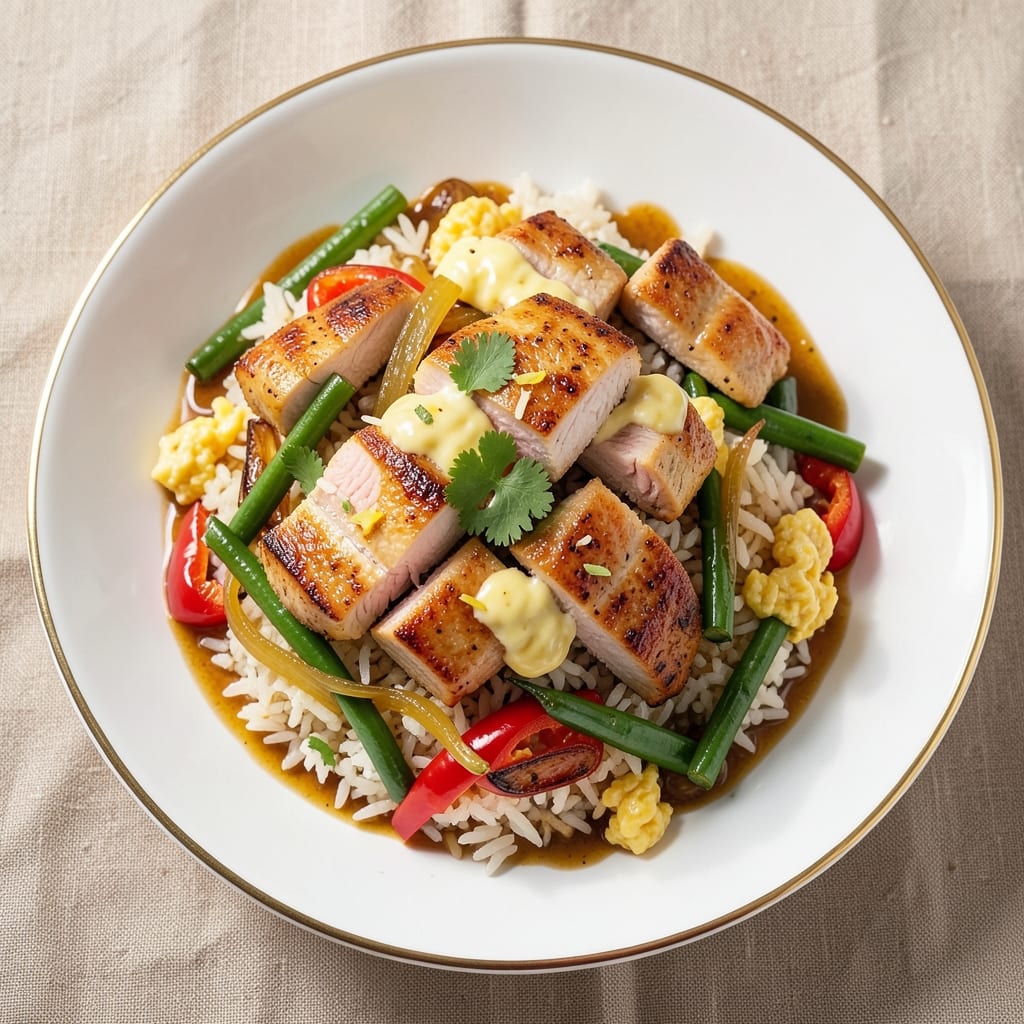
This 5-star chicken fried rice recipe delivers restaurant-quality results with crispy chicken, wok-heated eggs, and vibrant vegetables—all in just 20 minutes. The secret lies in high-heat stir-frying and precise seasoning, transforming simple ingredients into a dish that wows. I’ve perfected this technique after years of testing, ensuring every bite is packed with texture and flavor without the grease or sogginess of takeout versions.
What sets this recipe apart is the balance of crispy chicken, tender rice, and perfectly cooked eggs—each component prepared separately for maximum flavor and texture. The chicken stays juicy and golden, the rice absorbs the aromatic sauce without turning mushy, and the eggs scramble into silky, wok-seared ribbons. This isn’t just fried rice; it’s a foolproof method for achieving that coveted five-star quality at home.
By the time you’re done, you’ll have a dish that’s visually stunning with its golden-brown chicken, bright green veggies, and glossy sauce, all served over perfectly seasoned rice. The scent alone—garlic, ginger, and soy—will have everyone at the table anticipating the first bite. This recipe is designed to impress, whether you’re feeding a family or hosting dinner guests.
The key to success? A hot wok or skillet, proper prep of ingredients, and timing—each element must be cooked in the right order to avoid soggy rice or overcooked chicken. Let’s get started on creating a dish that tastes like it came straight from a Michelin-starred kitchen.
Ingredients for 5 star chicken fried rice
These restaurant-quality ingredients transform simple stir-fry components into a Michelin-worthy dish.
| Ingredient | Amount | Notes |
|---|---|---|
| Day-Old Cooked White Rice 🍚 | 4 cups | Cold and slightly dry preferred |
| Boneless Chicken Breast 🍗 | 1 ½ lb | Cut into 1-inch cubes |
| Large Eggs 🥚 | 4 whole | Freshly beaten for wok-searing |
| Carrots 🥕 | 1 ½ cups | Julienned or thinly sliced |
| Fresh Green Beans 🌿 | 1 cup | Trimmed and cut into 1-inch pieces |
| Yellow Onion 🧅 | 1 whole | Thinly sliced, white and light green parts |
| Garlic Cloves 🧄 | 6 cloves | Minced finely for aromatic base |
| Fresh Ginger 🌿 | 1 ½ tbsp | Grated finely, skin removed |
| Soy Sauce 🍶 | 3 tbsp | Light or all-purpose preferred |
| Oyster Sauce 🍶 | 2 tbsp | High-quality for depth of flavor |
| Sesame Oil 🫒 | 1 tbsp | Toasted for finishing aroma |
| Vegetable Oil 🫒 | 3 tbsp | High smoke point for stir-frying |
| Diamond Crystal Kosher Salt 🧂 | ¾ tsp | For seasoning rice and sauce |
| Ground Black Pepper 🌶️ | ½ tsp | Freshly ground for heat |
| White Rice Vinegar 🍶 | 1 tbsp | For balancing sauce acidity |
The chicken is non-negotiable for crispy texture—cut into uniform 1-inch cubes for even cooking. Day-old rice is essential (never fresh) to prevent mushiness, and japonica varieties like sushi rice hold up best. For the aromatics, fresh ginger and garlic should be vibrant—no graying or sprouting. I source my oyster sauce from Lee Kum Kee for that authentic umami depth, but any high-quality brand works. The vegetable oil must have a high smoke point—Avocado oil or grapeseed oil are ideal for wok-heating without burning.
No sesame oil? Toasted peanut oil adds a similar nutty aroma, though less refined. Short on green beans? Substitute snap peas or broccoli florets—they handle the high heat similarly. The soy sauce can be swapped for tamari if gluten-free is required, but reduce by one-third since tamari is saltier. For the eggs, room temperature ensures silky ribbons rather than rubbery curds. The white rice vinegar brightens the dish—skip it only if you prefer a heavier, sweeter sauce, but trust me on the 1 tablespoon.
Prep every ingredient before heating the wok—this dish relies on lightning-fast cooking. Store any unused fresh ginger and garlic in the freezer for up to 3 months to preserve their potency. The fried rice reheats beautifully—2 minutes in the microwave with a splash of water restores its moisture. For a make-ahead option, cook the chicken and veggies separately, then combine with cold rice and sauce when ready to serve. The flavors deepen overnight, making it perfect for meal prep.
Why You'll Love This Recipe
- Uses Day-Old Rice: I swear by this trick—cold rice fries up perfectly instead of turning mushy. No need to stress over fresh batches or soggy grains.
- One-Pan Magic: Between us, this recipe lives on a single sheet pan. Toss the chicken, veggies, and rice together, stir-fry, and boom—minimal cleanup, maximum flavor.
- Crowd-Pleaser Balance: The crispy eggs, tender chicken, and crunchy green beans hit all the right notes. Honestly, even picky eaters go back for seconds.
- Budget Meal That Lasts: A few chicken breasts and a handful of veggies stretch into plenty of servings. Reheat leftovers without losing a bite—my wallet and taste buds thank me.
Step-by-step instructions for wok-heated chicken fried rice
Master this technique for restaurant-quality texture—crispy edges on every grain, tender chicken, and wok-seared eggs.
Prep All Ingredients for Maximum Crispiness
Start by cutting the 1.5 lb boneless chicken breast into 1-inch cubes—uniform size ensures even cooking. Beat the 4 whole large eggs in a bowl until frothy but not fully emulsified; this creates tender, cloud-like egg curds. For the vegetables, julienne the 1.5 cups carrots into thin matchsticks and trim the 1 cup fresh green beans into 1-inch pieces. Thinly slice the whole yellow onion and finely mince the 6 cloves garlic and 1.5 tbsp fresh ginger. The key to crispy fried rice lies in high heat and quick cooking—prepped ingredients cook faster and develop better texture.
Spread the 4 cups day-old cooked white rice on a baking sheet and let it sit at room temperature for 10 minutes before cooking. This slight warming prevents condensation when it hits the wok, which would otherwise make the rice soggy. While it warms, measure out the sauces: 3 tbsp soy sauce, 2 tbsp oyster sauce, 1 tbsp white rice vinegar, and season with 0.75 tsp diamond crystal kosher salt and 0.5 tsp ground black pepper. This balance of umami, salt, and acid creates the signature flavor profile.
Wok-Sear Chicken and Eggs for Deep Flavor
Heat a 14-inch wok or large skillet over high heat until it's screaming hot—you should see a ring of smoke when you sprinkle a drop of water. Add 2 tbsp vegetable oil and swirl to coat. Working in batches if needed, add the chicken cubes and sear undisturbed for 2 minutes until golden brown on all sides. Remove and set aside. This step develops the Maillard reaction, giving the chicken that deep, savory crust.
In the same wok, add another 1 tbsp vegetable oil and pour in the beaten eggs. Let them sit undisturbed for 10-15 seconds before gently scrambling with a spatula until just set—soft curds are ideal. Remove and set aside with the chicken. The residual heat from the wok finishes cooking the eggs perfectly without overworking them into rubbery strands. If the wok loses heat, let it recover before proceeding—this is non-negotiable for crispy results.
Stir-Fry Aromatics and Vegetables
Add the remaining 1 tbsp vegetable oil to the wok and swirl to coat. Toss in the thinly sliced yellow onion, minced garlic, and grated ginger, stirring constantly for 30 seconds until fragrant—you should smell a pungent, citrusy aroma. This quick cook preserves their freshness while building the flavor base. Next, add the julienned carrots and green beans, stirring for 2 minutes until they begin to soften but remain bright and crisp. Overcooking vegetables turns them mushy, which ruins the dish's texture.
Push the vegetables to one side of the wok and add the 4 cups day-old rice, breaking up any clumps with your spatula. Stir-fry for 1-2 minutes, letting the rice absorb the residual oil and aromatics. The goal is to reactivate the starches on the rice grains—this is what creates the signature crispy edges. If the rice seems dry, add 1-2 tablespoons of water and stir until evaporated. This step is where the magic happens—don’t rush it.
Combine Everything for Perfect Texture
Return the seared chicken and eggs to the wok. Pour in the sauce mixture (soy sauce, oyster sauce, white rice vinegar, salt, and pepper) and toss everything together vigorously for 2-3 minutes. The high heat and constant stirring ensure the rice develops crispy edges while staying tender inside. Taste and adjust seasoning—you may need an extra ½ tbsp soy sauce or a pinch of salt to balance the flavors. The dish should be savory, slightly tangy, and well-seasoned.
Finish by drizzling 1 tbsp sesame oil over the top and toss once more. The sesame oil adds a nutty aroma and ties all the flavors together. Serve immediately while the rice is still crispy and hot. If left to sit, the texture will soften—this dish is best enjoyed straight from the wok. For extra drama, garnish with toasted sesame seeds or sliced green onions before serving.
Pro Tips For Making 5 Star Chicken Fried Rice
- CRISP THE CHICKEN FIRST: I used to toss raw chicken into the rice pan and wonder why it stayed rubbery. Instead, cut the chicken into bite-sized pieces, season with salt and pepper, then sear in a hot pan with a little oil until fully cooked—no pink inside. Remove it and set aside; you’ll add it back later, but now it’s ready to absorb all the flavors without steaming.
- USE COLD RICE, NOT WARM: Day-old rice is your best friend, but cold rice straight from the fridge? Even better. Spread it out on a tray to dry slightly before stirring—this prevents a mushy, gluey mess. I learned this the hard way after making a batch that turned into rice paste.
- SCRAMBLE EGGS SEPARATELY: Dump whole eggs into the rice pan, and you’ll end up with a watery, uneven scramble. Crack them into a bowl first, scramble them in a separate pan until just set but still slightly runny, then fold them into the rice at the end. This keeps the texture light and the eggs creamy—not dry or overcooked.
- CUT VEGETABLES SMALL AND UNIFORM: Big chunks of carrot or green bean turn into mushy afterthoughts. Dice the carrots into ¼-inch pieces and trim the green beans into 1-inch lengths—this ensures they cook fast enough to stay crisp-tender. I skip this step sometimes, and it’s the first thing my picky eaters complain about.
Wine and beer pairings for this dish
Light Beer Pairings
A crisp pilsner or lager cuts through the richness of chicken fried rice beautifully. I love pairing this dish with a Sapporo or Asahi—their clean, refreshing profiles balance the umami and soy sauce flavors without overpowering them. The subtle bitterness in these beers also complements the sesame oil finish. 🍺
Dry Riesling
For a wine lover’s twist, a dry Riesling from Germany or Alsace brings bright acidity that mirrors the white rice vinegar in the sauce. The citrus notes in the wine elevate the dish’s fresh ingredients, like green beans and carrots. Look for a Dr. Loosen Blue Slate or Trimbach Riesling—their crispness makes every bite feel lighter and more refined.
Sake for Authenticity
If you’re going for a truly authentic experience, serve your fried rice with a chilled dry sake like Dassai or Kubota. The subtle sweetness and umami depth of sake harmonize perfectly with the dish’s savory elements. Pour it into small cups for a traditional touch—it’s a game-changer for fans of Japanese cuisine. 🍶
Avoid Heavy Options
Skip the bold reds or heavy stouts—they’ll clash with the delicate balance of flavors in this dish. Even a malty amber ale can overpower the subtle aromatics of ginger and garlic. Stick to light, crisp options that let the fried rice shine, and you’ll create a pairing that feels as polished as the dish itself.
Nutrition facts
Frequently asked questions
Why does my fried rice turn out mushy instead of crispy?
Using fresh rice or not heating your wok properly are the top culprits. Always use day-old, cold rice and make sure your pan is screaming hot before adding ingredients. Stir-fry in batches and avoid overcrowding the wok—this keeps the rice moving and prevents steam buildup that makes it soggy.
Can I substitute chicken with another protein?
Shrimp works beautifully—toss it in after the aromatics for 2-3 minutes until just pink. For beef, use thinly sliced flank steak and marinate in soy sauce for 15 minutes before cooking. Tofu is also great—press and cube it, then pan-fry until crispy before adding to the wok.
How do I make this recipe gluten-free?
Swap regular soy sauce for tamari or coconut aminos (use 2 tbsp instead of 3 since they're saltier). Check your oyster sauce—many contain wheat. For extra umami, add 1 tbsp gluten-free fish sauce or ½ tsp MSG. The texture and flavor will still be restaurant-quality!
What's the best way to reheat leftover fried rice?
Sprinkle 1 tsp water over ½ cup portions in a microwave-safe dish, cover with a damp paper towel, and heat for 90 seconds on high. For stovetop, use ½ tbsp oil in a nonstick pan over medium-high heat and stir-fry for 2-3 minutes until crispy again. Never reheat without moisture—it'll turn rubbery!
Can I make this ahead of time for a party?
Yes! Cook the chicken, eggs, and vegetables separately, then store in airtight containers in the fridge for up to 2 days. When ready to serve, reheat the rice separately, then combine everything in a large wok with fresh sauce. The flavors actually improve overnight—just add 1 extra tbsp soy sauce when reheating.