
Soups & Stews
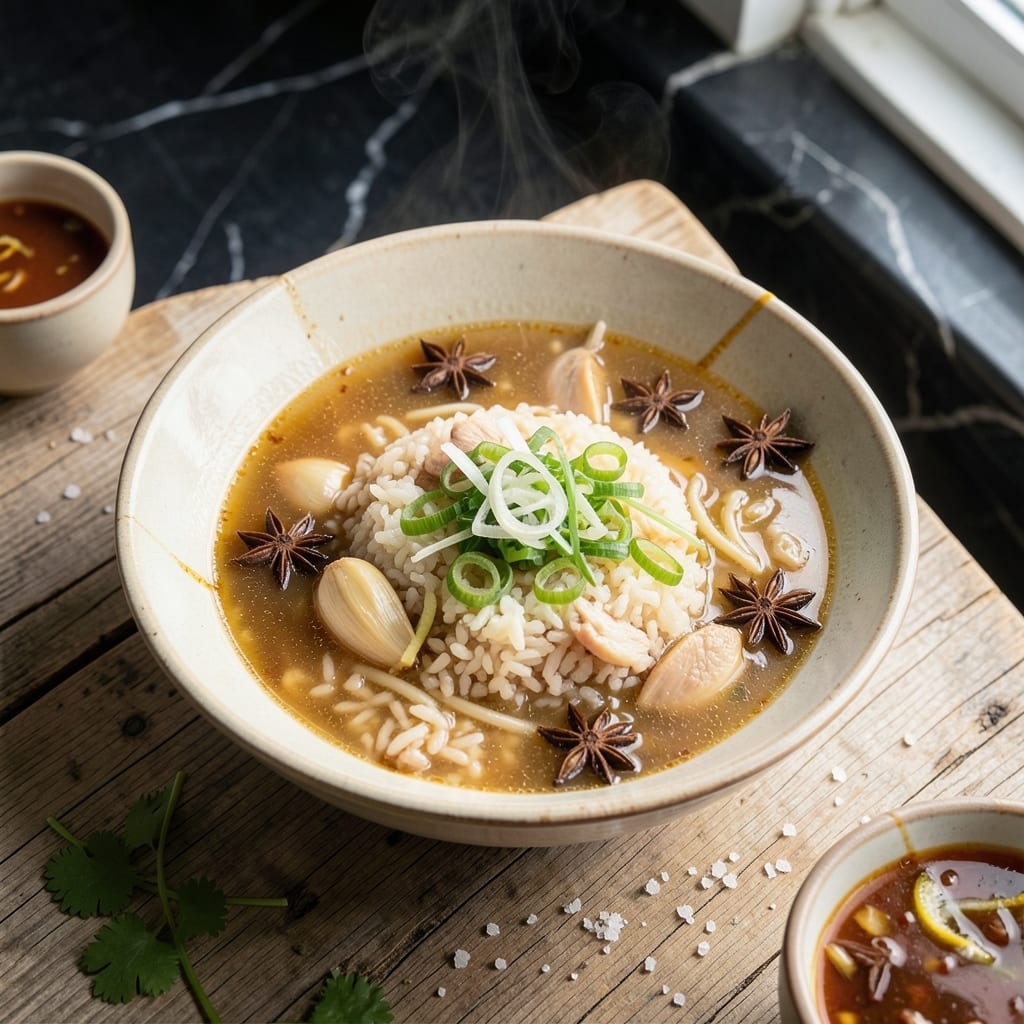
This Asian rice soup recipe transforms simple ingredients into a fragrant, comforting bowl that balances ginger's warmth with star anise's subtle sweetness. The key lies in slow-simmered broth that develops deep, aromatic layers—perfect for chilly evenings or quick nourishment. What makes this recipe special is its versatility: adjust the rice-to-broth ratio for a lighter congee or heartier soup, all while keeping the technique approachable for home cooks.
The process begins with building flavor through toasted aromatics—ginger, garlic, and star anise—that infuse the broth with complexity. Short-grain rice absorbs the liquid just enough to create a creamy, satisfying texture without turning mushy. For an extra touch of authenticity, finish with scallions and sesame oil, but the soul of this dish lies in the balanced broth and tender rice. Ready in under 45 minutes, it delivers restaurant-quality results with minimal effort.
Ingredients for asian rice soup
Aromatic rice soup begins with toasted ginger and star anise—simple ingredients that create restaurant-quality depth.
| Ingredient | Amount | Notes |
|---|---|---|
| Short-Grain White Rice 🍚 | ½ cup | Uncooked, jasmine or sushi rice preferred |
| Chicken Broth 🍲 | 4 cups | Homemade or high-quality low-sodium |
| Fresh Ginger 🌿 | 2 tbsp | Grated, peeled, organic preferred |
| Garlic Cloves 🧄 | 4 cloves | Minced, fresh preferred |
| Star Anise Pods 🌟 | 2 whole | Whole pods for infusion |
| Green Onions 🧅 | 3 whole | Thinly sliced, white and green parts |
| Sesame Oil 🫒 | 1 tbsp | Toasted, for finishing |
| Vegetable Oil 🫒 | 1 tbsp | Light, for toasting |
| Low-Sodium Soy Sauce 🍶 | 1 tbsp | For umami depth |
| Honey 🍯 | 1 tsp | To balance flavors |
| Salt 🧂 | ½ tsp | Adjust to taste |
| Black Pepper 🌶️ | ¼ tsp | Freshly ground |
| Optional Protein 🍗 | 1 cup | Shredded rotisserie chicken or tofu |
The star anise and ginger are non-negotiable for authentic flavor. Whole pods from Penzeys or your local Asian market deliver the best aroma—pre-ground loses potency fast. Organic ginger has more punch, but regular works in a pinch. Toast the spices in vegetable oil for 30 seconds before adding broth to wake up their essential oils. The chicken broth should be homemade or high-quality store-bought—low-sodium versions prevent over-salting. For extra depth, add a 1-inch piece of kombu while simmering, then remove before serving.
No star anise? 1 tsp ground cinnamon plus 1/2 tsp anise seeds mimics the flavor profile. Short on ginger? Galangal root (if available) adds complexity, or double the garlic. The rice-to-broth ratio is flexible—1:6 or 1:8 creates a lighter congee, while 1:4 yields a heartier soup. For protein, shredded rotisserie chicken adds richness, or firm tofu keeps it vegetarian. The sesame oil should be toasted, not flavored—look for Kadoya or La Choy brands in the Asian aisle.
This soup reheats beautifully—simmer gently to avoid breaking the rice. Store in an airtight container for 3-4 days in the fridge or 3 months frozen. For meal prep, double the batch and portion into glass containers with a layer of sesame oil on top to preserve freshness. The flavors actually improve overnight as the aromatics meld. Garnish with extra green onions and sesame seeds just before serving for vibrant color and crunch.
Why You'll Love This Recipe
- Pantry in 10 Minutes: I swear by this one—just toss in rice, broth, and a handful of whole star anise pods while the water boils. No chopping, no fuss, and honestly? The star anise infuses that subtle licorice warmth that makes it taste way more special than it is to prepare.
- Umami Bomb Combo: That ginger-garlic base? It’s the secret weapon. Freshly grated ginger hits first with a sharp bite, then the garlic softens into this sweet, toasty depth—like a hug in a bowl. (Between us, I’ve skipped the star anise before, but never the garlic. Never.)
- Leftover Goldmine: Make a double batch and store it for days—it only gets better as the flavors meld. My college kid devours it cold the next morning, and my mom insists it’s “proper nourishing” when she’s sick. (She’s not wrong.)
- Budget-Friendly Blanket: Short-grain rice and chicken broth stretch to feed four for under $8. Add a handful of leftover veggies or a rotisserie chicken, and suddenly you’ve got a meal that feels like a restaurant dish—without the price tag. (Yes, even on a Tuesday night.)
Step-by-step instructions for Asian rice soup with fragrant ginger and star anise
This method delivers a perfectly balanced soup where each ingredient shines—aromatic broth, tender rice, and subtle sweetness.
Toast the Aromatics for Deep Flavor
Heat the 1 tablespoon vegetable oil in a medium pot over medium heat. Add the 4 cloves minced garlic and 2 tablespoons grated fresh ginger—watch closely as they sizzle for 30 seconds until fragrant but not browned. This quick toasting awakens their natural oils without bitterness.
Next, add the 2 whole star anise pods and stir for 1 minute until the broth begins to simmer. The star anise will infuse the broth with its signature anise-like warmth, creating that signature Asian depth. Real talk: don't skip this step—it's what transforms ordinary broth into something extraordinary.
Build the Broth Base
Pour in the 4 cups chicken broth and bring to a gentle boil. Immediately reduce heat to medium-low and let it simmer for 10 minutes—this allows the star anise to fully infuse while keeping the broth from becoming cloudy. You'll know it's ready when the liquid smells rich and aromatic, with that unmistakable star anise perfume.
Strain the broth through a fine-mesh sieve into a clean pot to remove the star anise pods. Discard the pods unless you're making a large batch for later use. The strained broth should be crystal clear with no visible particles—this ensures a silky texture in your final soup.
Cook the Rice to Perfect Tenderness
Return the strained broth to the pot and bring it back to a gentle simmer. Add the 0.5 cup short-grain white rice and stir once to prevent clumping. The rice should cook undisturbed for 15-18 minutes until it's tender but still holds its shape—think al dente pasta, not mushy rice.
Here's the thing—short-grain rice absorbs liquid differently than long-grain. You want it to be just tender enough to break down slightly in the broth, creating that signature Asian rice soup texture. If you stir too much, the rice will turn pasty. Just let it be.
Season and Finish with Umami Balance
Once the rice is tender, stir in the 1 tablespoon low-sodium soy sauce, 1 teaspoon honey, 0.5 teaspoon salt, and 0.25 teaspoon black pepper. Simmer for another 2 minutes to let the flavors meld. Taste and adjust seasoning—you might need a touch more soy sauce or honey to achieve that perfect balance of savory and sweet.
Add the 1 cup optional protein (shredded chicken or tofu) and the 3 whole thinly sliced green onions, reserving the green parts for garnish. Let everything heat through for 1-2 minutes—just enough to warm the protein without overcooking it. The green onion whites will soften slightly, adding another layer of texture.
Finish with Toasted Sesame Oil
Remove the pot from heat and let it sit for 2 minutes to allow the flavors to settle. Just before serving, drizzle in the 1 tablespoon toasted sesame oil and stir gently. This final step adds that nutty, toasty aroma that elevates the soup from good to restaurant-quality.
Ladle the soup into bowls, garnishing each serving with the reserved green onion greens. The contrast of the bright green against the pale broth makes it visually appealing, while the sesame oil adds that signature Asian restaurant touch. Serve immediately while the broth is steaming hot—this soup tastes best fresh from the pot.
Pro Tips For Making Asian Rice Soup
- SOAK THE RICE FIRST: I learned this the hard way—skipping the soak leads to gummy rice. Toss your short-grain rice in cold water for 10 minutes before cooking. It absorbs moisture evenly, so you end up with fluffy, separate grains instead of a gluey mess. (Yes, even if you're impatient like me.)
- TOAST THE STAR ANISE: Sounds weird, but it works: dry-toast the whole star anise pods in a separate pan for 30 seconds before adding to the broth. This deepens their aroma and prevents them from floating like sad, flavorless ghosts. Just don’t burn them—you want golden, not charred.
- SIMMER LOW AND LONG: After burning three batches, I finally figured out: short-grain rice needs gentle heat. Once the broth comes to a boil, drop it to a simmer and cover the pot. Walk away for 20 minutes—no peeking, no stirring. The rice will finish cooking in the residual steam, not turn to mush.
- GINGER-GARLIC PASTE TRICK: My grandmother swore by this, and she was right: blend fresh ginger and garlic into a smooth paste instead of chopping them. It distributes flavor evenly and avoids those annoying, chewy bits. Use about 1 tablespoon each—enough to perfume the broth without overpowering it.
Regional styles of this dish
Japanese Okayu
In Japan, this soup is called okayu—a comforting staple often served with meals or as a light breakfast. The key difference is using sweet rice (mochigome) instead of white rice, which creates a naturally sweeter, creamier texture. I like to add a pinch of mirin (½ teaspoon) to the broth for that classic Japanese touch. Serve with a side of miso soup for a complete meal. 🍜
Vietnamese Cháo
Vietnamese cháo is thicker, almost porridge-like, with a higher rice-to-broth ratio (1:3). Use jasmine rice and add shredded chicken, pork, or shrimp for extra richness. I recommend finishing with fish sauce (½ teaspoon) instead of soy sauce and a sprinkle of crushed peanuts for crunch. Garnish with fresh cilantro and lime wedges for brightness. 🌶️
Korean Juk
Korean juk is typically made with white rice and a lighter broth, often infused with sesame oil and soy sauce. For an authentic twist, add dried seaweed (dasima) to the broth and top with kimchi for a tangy kick. I prefer using chicken or beef broth and finishing with a drizzle of sesame oil and toasted sesame seeds. This version is lighter but equally comforting. 🍚
Thai Jok
Thai jok is a fragrant, aromatic rice soup often served with pork or chicken. The broth is infused with lemon grass, kaffir lime leaves, and galangal for a bright, citrusy flavor. I use jasmine rice and add shredded pork along with Thai basil at the end. A splash of fish sauce and a squeeze of lime elevate the dish to restaurant-quality. 🌿
Chinese Congee
Chinese congee is the ultimate comfort food, with a higher rice-to-broth ratio (1:8) for a porridge-like texture. Use short-grain rice and add pork belly, century egg, or pickled vegetables for depth. I like to finish with scallions, cilantro, and a drizzle of chili oil for heat. This version is heartier and perfect for breakfast or recovery meals. 🥢
Filipino Bagoong Rice Soup
Filipino bagoong rice soup features a fermented shrimp paste (bagoong) for umami richness. Stir in 1 teaspoon bagoong (available in Asian markets) with the soy sauce and finish with sliced hard-boiled eggs and green onions. The texture is lighter, almost like a creamy rice broth. This version is quick, savory, and deeply satisfying. 🍳
Nutrition facts
Frequently asked questions
Can I use instant rice for this recipe?
Instant rice works in a pinch, but it won't give you the same authentic texture. The short-grain rice in this recipe absorbs the broth just enough to create that signature creamy yet tender bite. For best results, use jasmine or sushi rice—it cooks faster than long-grain varieties and holds up better in broth. If you must use instant rice, reduce the cooking time by 5-7 minutes and add a splash of warm water at the end to adjust consistency.
How do I adjust this recipe for a lighter or thicker soup?
The rice-to-broth ratio is your secret weapon! For a lighter, congee-style soup, use 1 part rice to 8 parts broth. For a heartier version, go 1:4. Pro tip: If your soup turns out too thick, simply add warm broth or water 1 tablespoon at a time until you reach your desired consistency. Stir gently to avoid breaking the rice grains.
What can I do if my rice turns out mushy?
Mushy rice usually happens from overcooking or stirring too much. If this happens, immediately remove the pot from heat and stir in 1 tablespoon cold sesame oil—this helps set the rice slightly. For a quick fix, ladle the soup into bowls and top with extra green onions and sesame seeds to add texture. Next time, reduce the simmer to just a few bubbles and avoid stirring after the rice is added.
Can I make this soup vegetarian?
Replace the chicken broth with vegetable broth and use firm tofu or mushrooms for protein. For extra umami, add 1 teaspoon soy sauce and ½ teaspoon miso paste to the broth. The star anise and ginger will still shine, creating a fragrant, comforting vegetarian version that's just as satisfying.
How long will this soup keep in the fridge?
This soup stays fresh in an airtight container for 3-4 days in the fridge. The flavors actually improve overnight as the aromatics meld further. For best texture, reheat gently on the stove over low heat, stirring occasionally and adding a splash of water if needed. Freeze for up to 3 months—just thaw in the fridge overnight before reheating.