
Sauces & Condiments
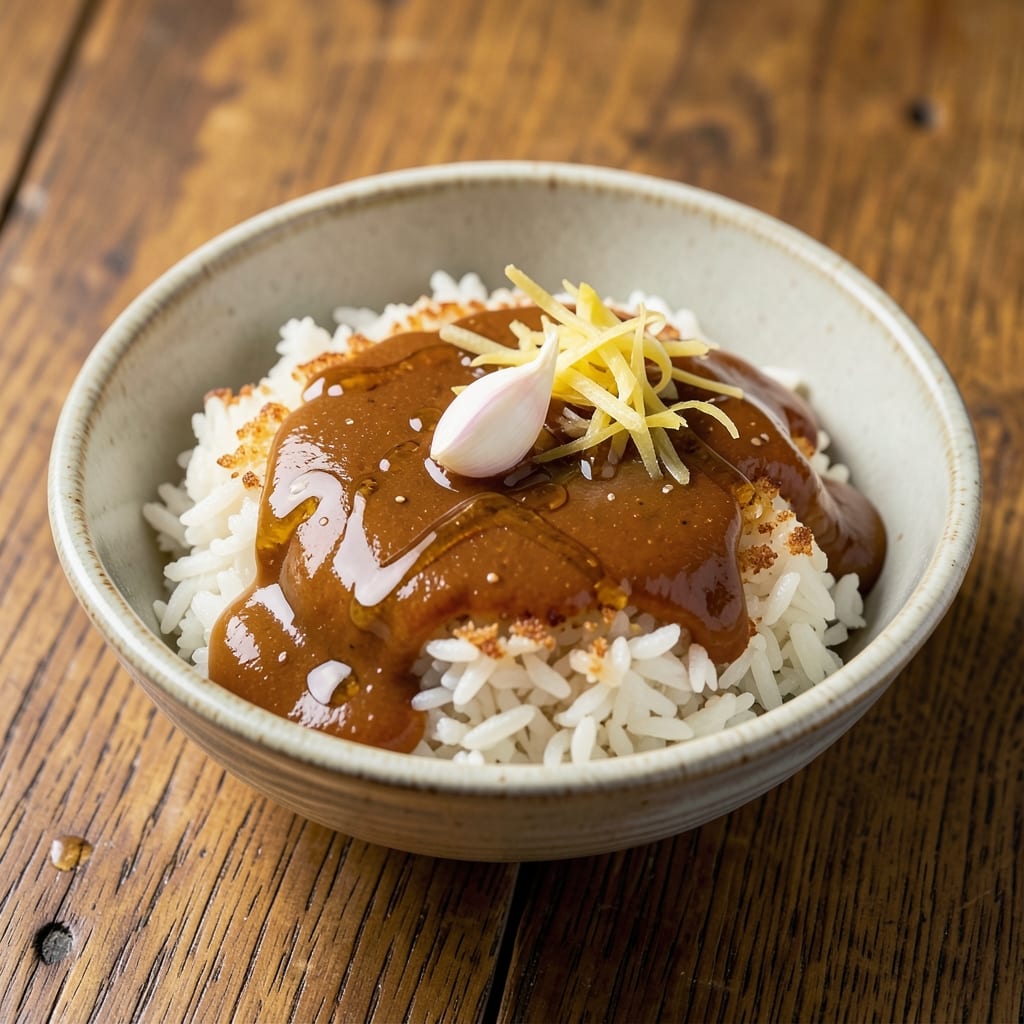
This Asian rice sauce recipe transforms simple stir-fries into flavor-packed masterpieces with just a few pantry staples. The secret lies in balancing salty soy sauce, tangy rice vinegar, and aromatic garlic-ginger for a sauce that clings perfectly to noodles, proteins, and vegetables. I’ve perfected this umami-rich glaze over years of testing—it’s the kind of sauce that elevates every dish it touches, whether you’re drizzling it over steamed rice or tossing it with fresh greens.
What sets this sauce apart is its versatility and depth—simmered just enough to meld flavors without overpowering, then reduced to a glossy consistency that coats ingredients beautifully. The result? A savory-sweet glaze with layers of complexity, ready to be stored in the fridge for up to a week. Whether you’re marinating chicken, glazing tofu, or finishing a bowl of ramen, this sauce delivers restaurant-quality flavor in minutes.
Ingredients for asian rice sauce
Pantry staples plus fresh aromatics for that signature umami-sweet balance everyone craves.
| Ingredient | Amount | Notes |
|---|---|---|
| Light Soy Sauce 🥢 | ½ cup | High-quality, low-sodium preferred |
| Rice Vinegar 🍶 | ⅓ cup | Seasoned or unseasoned works |
| Sesame Oil 🫒 | 1 tbsp | Toasted sesame oil for aroma |
| Fresh Ginger 🌿 | 1 tbsp | Finely grated, peeled |
| Garlic Cloves 🧄 | 4 cloves | Minced for smooth texture |
| Honey 🍯 | 2 tbsp | Or maple syrup for vegan option |
| Cornstarch 🌾 | 1 tsp | For thickening consistency |
| Water 💧 | ¼ cup | Room temperature preferred |
| Toasted Sesame Seeds 🌰 | 1 tsp | For garnish and texture |
| Red Pepper Flakes 🌶️ | ½ tsp | Adjust for heat preference |
The soy sauce is non-negotiable—Kikkoman or Pearl River Bridge are my go-tos, but any good-quality light soy works. Fresh ginger and garlic are where the magic happens, so don't skimp. Trader Joe's has pre-grated ginger in a squeeze bottle, which saves time if you're short on patience. For the honey, local raw honey adds depth, but any brand works in a pinch. The sesame oil? Look for 100% pure, toasted—none of that 'flavor enhancer' nonsense.
No sesame oil? Avocado oil at half the amount gets you close, though it lacks the nutty aroma. Short on ginger? Ginger powder at one-third the amount, but fresh is always better. The cornstarch can be swapped for arrowroot powder if you've got it. For extra umami, add 1 tbsp of fish sauce (skip if vegetarian), or 1 tsp of mushroom powder for a meaty depth. The red pepper flakes? Caesar's or Trader Joe's are my favorite brands—they're consistent and not too dusty.
This sauce keeps like a champ—1 week in the fridge sealed tight, or 3 months in the freezer if you portion it into ice cube trays. I make double batches because it disappears fast. The texture thickens as it sits, so give it a quick stir before using. Garnish with sesame seeds right before serving so they stay crisp. Leftovers? Perfect for quick stir-fries or as a marinade for tofu.
Why You'll Love This Recipe
- Five-Ingredient Magic: I swear, this sauce comes together with what’s already in my pantry. No fancy gadgets—just a knife, a bowl, and 10 minutes of stirring while I wait for my rice to cook.
- Ginger-Garlic Zing: That fresh ginger and minced garlic? They hit different—bright, warm, and just a little spicy. Drizzle it over anything, and suddenly it’s restaurant-quality without the fuss.
- Weeknight Hero: I make this all the time for stir-fries, noodles, or even grilled chicken. Honestly, it’s my go-to when I don’t want to think too hard about dinner but still crave flavor.
- Leftovers That Last: A little goes a long way, and it keeps in the fridge for weeks. I’ll batch-make it on Sundays, then toss it into lunches or takeout-style meals all week—no waste, all win.
Step-by-step instructions for Asian rice sauce
This umami-packed sauce comes together in minutes with simple pantry staples.
Bloom the Aromatics in Sesame Oil
Heat a small saucepan over medium-low heat and add the 1 tablespoon sesame oil. Let it warm for 30 seconds until shimmering but not smoking—you want to awake those nutty aromas without burning them. Add the 4 minced garlic cloves and 1 tablespoon finely grated fresh ginger.
Cook for 1-2 minutes until the garlic turns golden and fragrant. Here's the thing—don't let it brown too much or it'll turn bitter. You're aiming for a gentle toast, not a deep fry. Stir constantly to prevent sticking. This aromatic base forms the flavor foundation of your sauce, so take your time here.
Build the Sauce Base
Pour in the 0.5 cup light soy sauce and 0.33 cup rice vinegar, stirring to combine. The mixture will bubble gently—this is normal. Let it simmer for 2-3 minutes until slightly reduced by about 20%. You'll notice the liquid becomes more concentrated and aromatic.
Add the 2 tablespoons honey and stir until fully dissolved. The sauce should take on a glossy sheen. If you're using maple syrup as a vegan alternative, add it now. Taste the mixture—it should be tangy, slightly sweet, and umami-rich. This is your flavor baseline before thickening.
Thicken the Sauce Properly
In a small bowl, whisk together the 1 teaspoon cornstarch with the 0.25 cup water until completely dissolved. This cornstarch slurry is your thickening secret—it creates a silky, glossy finish rather than a gluey one.
Slowly pour the slurry into the simmering sauce while stirring constantly. The sauce will thicken almost immediately, but let it cook for another 1-2 minutes until it reaches your desired consistency. You want it to coat the back of a spoon but still be pourable. If it thickens too much, add 1 teaspoon water at a time until perfect.
Finish and Garnish
Remove the sauce from heat and stir in the 0.5 teaspoon red pepper flakes for a subtle kick. Let it cool for 5 minutes—this resting period allows the flavors to meld. The sauce should be glossy with a perfect balance of sweet, tangy, and umami notes.
Just before serving, sprinkle with 1 teaspoon toasted sesame seeds. These add beautiful texture and a nutty aroma that elevates the dish. The seeds should be evenly distributed throughout the sauce. This is your final flavor check—adjust seasoning if needed with a pinch more soy sauce or vinegar.
Pro Tips For Making Asian Rice Sauce
- LOW AND SLOW ON GINGER: I learned this the hard way—chopping ginger too fine and blitzing it in a pan on high heat kills its bright, zesty punch. Instead, use a microplane or knife to make it coarse (think rice grains), then cook it on low for 2-3 minutes until fragrant but still visible. That’s when it actually works in the sauce.
- SALT THE SOY FIRST: Light soy sauce is salty enough on its own, but if you’re using a lower-sodium brand (or just hate guessing), add a pinch of flaky sea salt directly to the soy before mixing with vinegar. The acid in the rice vinegar will dull the flavor, so this keeps the seasoning balanced—no last-minute panic-tasting required.
- STOP WHEN GARLIC STINKS: Garlic burns faster than you think, and once it turns bitter, there’s no fixing it. Remove the pan from heat the second you smell that sharp, pungent aroma—usually about 30 seconds after it turns golden. Overcooking here ruins the whole sauce, and no one wants that.
- VINEGAR LAST, OIL FIRST: Sesame oil’s nutty aroma evaporates when heated, so add it after the ginger and garlic have cooked but before the vinegar. Then, when you pour in the rice vinegar, you’re locking in that toasty depth instead of letting it fade. Sounds weird, but it works—trust the order.
Make-ahead tips for this dish
Batch Prep Benefits
Making a big batch of this sauce is a total game-changer for busy weeks. I always double the recipe and store it in quart-sized mason jars—they’re perfect for fridge storage and easy to grab when you need a quick glaze. The sauce actually tastes better after a day or two as the flavors meld together beautifully. Plus, you’ll have it on hand for last-minute stir-fries, marinades, or even as a dipping sauce for spring rolls. 💡
Freezer-Friendly Tips
For long-term storage, portion the sauce into 1-ounce silicone molds or ice cube trays. Once frozen solid, pop them out and transfer to a freezer bag—this way, you can grab just what you need without thawing the whole batch. Label with the date and use within 3 months for best flavor. When ready to use, thaw overnight in the fridge or microwave for 20-30 seconds on low power. The texture stays perfect when reheated gently.
Flavor Boost Hacks
Want to take your sauce to the next level? Add 1 teaspoon of fish sauce (for extra umami) or ½ teaspoon of white pepper (for a subtle kick) when simmering. For a smoky twist, stir in ¼ teaspoon of smoked paprika at the end. I also love adding a splash of mirin (about 1 tablespoon) if I have it—it adds a beautiful depth of sweetness. These tweaks turn a good sauce into an exceptional one without complicating the process. ✨
Sauce Consistency Fixes
If your sauce turns out too thick, simply whisk in 1 teaspoon of warm water at a time until it reaches a glossy, pourable consistency. Too thin? Cook it uncovered over low heat for another 2-3 minutes, stirring constantly. The key is patience—rushing the thickening process can lead to lumps. For a silky finish, strain the sauce through a fine-mesh sieve before storing or serving. This removes any unwanted bits and gives it a restaurant-quality look. 🌟
Versatile Uses Beyond Stir-Fries
This sauce isn’t just for stir-fries—it’s a secret weapon for marinades, glazes, and dressings. Use it to baste grilled chicken or tofu for 10 minutes before serving, or drizzle it over steamed rice or noodles for instant flavor. I also love mixing it with mayonnaise (a 3:1 ratio) for a quick Asian-inspired sandwich spread. The possibilities are endless, and the best part? You’ll always have it ready in your fridge. 💛
Garnish Like a Pro
Never underestimate the power of a good garnish! Toast sesame seeds in a dry pan over medium heat for 1-2 minutes until golden and fragrant—this amplifies their nutty aroma. For extra flair, add thinly sliced green onions or crushed peanuts on top. These finishing touches not only look stunning but also add layers of texture and flavor that take your dish to the next level. Trust me, your guests will notice the difference. 🌱
Nutrition facts
Frequently asked questions
Can I make this sauce without sesame oil?
Yes! Swap the 1 tablespoon sesame oil for ½ tablespoon avocado oil or neutral oil like vegetable oil. You’ll miss the nutty aroma, but it’ll still work well. For extra depth, add ½ teaspoon toasted sesame paste at the end if you have it. The sauce will just be slightly less aromatic but perfectly flavorful.
How do I adjust the sweetness level?
The 2 tablespoons honey provides a balanced sweetness, but you can easily tweak it. For less sweetness, reduce to 1 tablespoon honey and add ½ teaspoon rice vinegar instead. For more, increase honey to 3 tablespoons or add 1 teaspoon maple syrup. Taste as you go—this sauce is all about finding your perfect balance!
Can I use this sauce as a marinade?
This sauce marinates beautifully—just reserve ¼ cup for later and use the rest as directed. Toss 1 pound of chicken, tofu, or shrimp with the sauce and marinate for 30 minutes to 2 hours in the fridge. The sauce will tenderize the protein while infusing it with flavor. For extra tenderness, add 1 tablespoon cornstarch to the marinade.
What if my sauce separates or gets grainy?
This usually happens if the cornstarch slurry isn’t fully dissolved or if the sauce is stirred too vigorously while thickening. Fix it by whisking in 1 teaspoon warm water to loosen any lumps, then simmer for 1-2 minutes until smooth. For a silky finish, strain the sauce through a fine-mesh sieve before serving. Prevention tip: Whisk the cornstarch slurry vigorously before adding it to the pan.
How can I make this sauce spicier?
For extra heat, increase the red pepper flakes to 1 teaspoon or add ½ teaspoon of chili flakes at the end. For a smoky kick, stir in ¼ teaspoon smoked paprika or a pinch of cayenne pepper. If you love fresh heat, add 1 teaspoon of finely chopped fresh chili (like Thai bird’s eye) when blooming the aromatics. Adjust to your spice tolerance!