
Main Courses
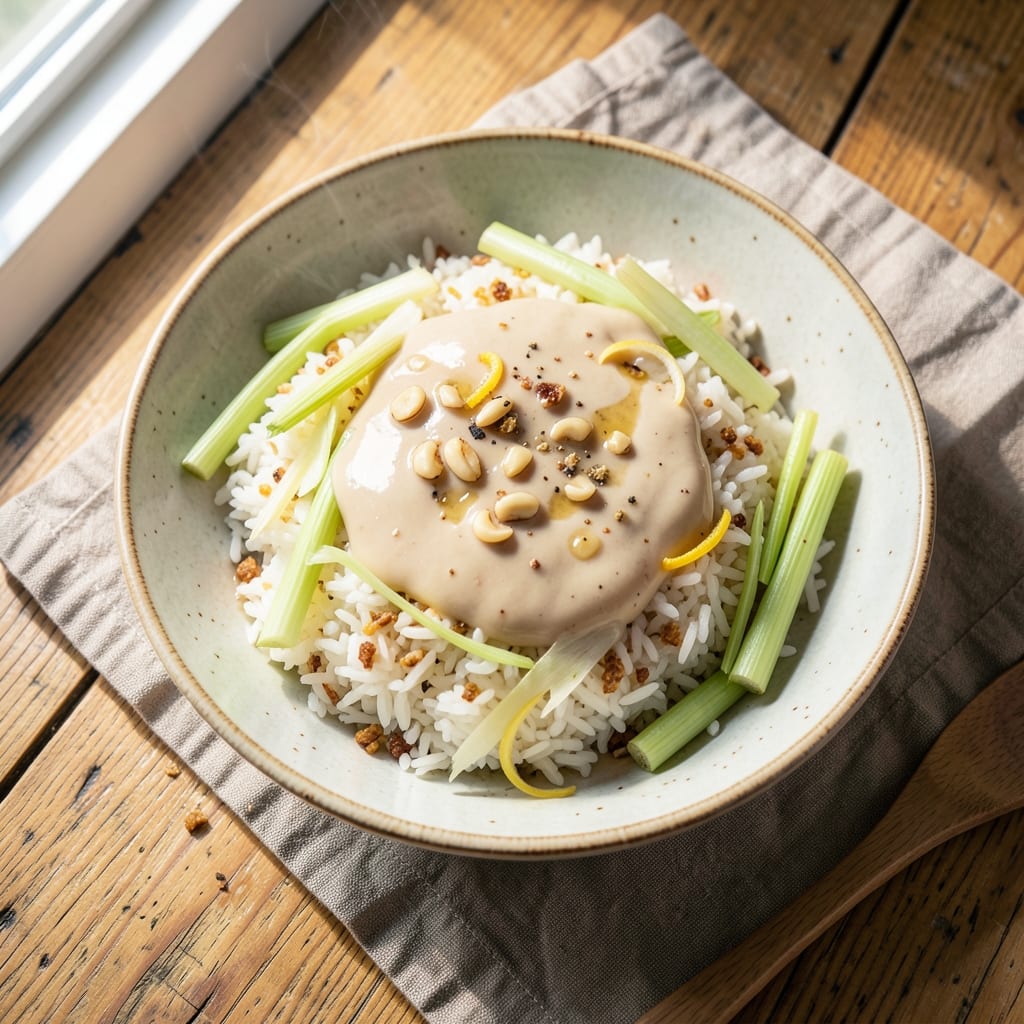
This Asian rice cooker recipe transforms your everyday appliance into a culinary powerhouse with fragrant jasmine rice and creamy coconut flavors in a single pot. The secret lies in combining traditional rice cooking techniques with modern convenience, creating a dish that's both authentic and effortless. I've perfected this method over years of testing, ensuring every grain turns out fluffy and aromatic while the coconut milk infuses perfectly into the rice.
The beauty of this recipe is its simplicity—just a few key ingredients come together to create a restaurant-quality meal without the fuss. You'll start with jasmine rice, known for its delicate floral aroma, and elevate it with coconut milk, lemongrass, and a touch of ginger. The rice cooker handles the rest, transforming these simple elements into a fragrant, creamy one-pot feast that's ready in under an hour.
What makes this dish truly special is how the coconut milk transforms ordinary rice into something extraordinary. The rice absorbs the rich, slightly sweet coconut flavor while maintaining its signature texture—light, fluffy, and perfectly cooked. This isn't just rice; it's a complete meal that pairs beautifully with grilled proteins or fresh vegetables, making it ideal for busy weeknights or special occasions.
The one-pot method ensures minimal cleanup while delivering maximum flavor, proving that you don't need complicated techniques to create impressive dishes. Whether you're cooking for family or treating yourself, this recipe delivers consistent, professional results every time. Let's get started on creating your perfect Asian-inspired meal.
Ingredients for asian rice cooker
Jasmine rice and coconut milk form the aromatic base, while lemongrass and ginger deliver authentic Asian depth in this rice cooker masterpiece.
| Ingredient | Amount | Notes |
|---|---|---|
| Jasmine Rice 🍚 | 1 ½ cups | Uncooked, long-grain preferred |
| Full-Fat Coconut Milk 🥥 | 13 ½ oz | Canned, no additives |
| Fresh Lemongrass 🌿 | 1 whole | Bruised stems for flavor |
| Fresh Ginger 🧄 | 2 tbsp | Finely grated, aromatic |
| Garlic Cloves 🧄 | 4 cloves | Peeled, minced for depth |
| Vegetable Oil 🫒 | 1 tbsp | Neutral high-smoke point |
| Fish Sauce 🍶 | 1 tbsp | Red Boat preferred |
| Brown Sugar 🍯 | 1 tbsp | Lightly packed |
| Salt 🧂 | ½ tsp | Diamond Crystal kosher |
| Black Peppercorns 🌶️ | ¼ tsp | Freshly cracked |
| Lime Juice 🍋 | 1 tbsp | Freshly squeezed |
| Fresh Cilantro 🌿 | ¼ cup | Chopped, for garnish |
| Water 💧 | 2 ½ cups | Filtered preferred |
The jasmine rice is non-negotiable here—Thai Hom Mali from Asian markets delivers the best floral aroma. For coconut milk, Thai Kitchen brand is my go-to from Costco or Trader Joe's—avoid the light versions. Fresh lemongrass is essential; the Thai variety with white roots from local Asian grocers has the most potent flavor. Bruise the stems with the side of your knife before adding to release oils. Ginger should be peeled and grated fresh—bottled paste lacks complexity, and the flavor is noticeably different.
No lemongrass? Substitute 1 tbsp lime zest plus 1 tsp lime juice, though it won't be identical. Running short on coconut milk? Full-fat coconut cream works at half the amount, but texture will be thicker. Fish sauce can be swapped for 1 tbsp soy sauce plus 0.5 tsp sugar, though the umami depth won't be the same. The brown sugar adds subtle sweetness—turbinado sugar works too, but it's coarser and may not dissolve as smoothly. For a lighter touch, reduce to 0.5 tbsp. Prefer less heat? Omit the black peppercorns entirely—they're optional but add a nice finish.
This rice keeps beautifully in the fridge for 4-5 days in an airtight container, though flavor peaks on day 2. For longer storage, portion into glass containers with parchment between layers to prevent sticking. Freezes for 3 months—thaw overnight in the fridge before reheating. The rice cooker method ensures even cooking, but if using a stovetop pot, simmer on low heat after initial boiling to prevent burning. Garnish with cilantro just before serving to preserve its bright flavor.
Why You'll Love This Recipe
- No Chopping Needed: I swear by this—just slice the ginger thin, crush the garlic, and toss in the whole lemongrass stalk. The rice cooker does all the work while I sip my tea.
- Creamy Without the Guilt: That full-fat coconut milk makes it rich, but the lemongrass and ginger cut through the heaviness. It’s the kind of flavor that lingers—like a hug from a Thai kitchen.
- Leftover Goldmine: This keeps for days, and honestly? It gets better. The rice absorbs the coconut milk overnight, turning into something almost custardy. Microwave it, and it’s still magic.
- Budget-Friendly Luxury: Jasmine rice is cheap, coconut milk lasts forever, and a single stalk of lemongrass stretches across three meals. Fancy enough for company, but won’t break the bank on a Tuesday.
Step-by-step instructions for fragrant jasmine and coconut rice
This one-pot method delivers restaurant-quality rice with minimal effort and maximum flavor.
Prepare the Aromatics and Base
Begin by bruising the whole fresh lemongrass by pounding it gently with the side of a knife or rolling it on a cutting board. This releases the essential oils that will infuse the rice with aromatic depth. In a small bowl, combine the 2 tablespoons finely grated fresh ginger and 4 minced garlic cloves. Set aside—these will form the flavor foundation.
In a separate bowl, whisk together the 13.5 ounces full-fat coconut milk, 1 tablespoon fish sauce, 1 tablespoon lightly packed brown sugar, 0.5 teaspoon salt, and 0.25 teaspoon freshly cracked black peppercorns. The coconut milk should be well mixed with all seasonings to ensure even distribution throughout the rice. This balance of salty, sweet, and umami creates the signature flavor profile.
Toast the Rice and Build the One-Pot
In your rice cooker's inner pot, heat the 1 tablespoon vegetable oil over medium heat. Add the 1.5 cups jasmine rice and toast it for 1-2 minutes until it becomes fragrant and slightly translucent at the edges. This step develops the rice's natural nuttiness and prevents mushiness.
Immediately add the bruised lemongrass, ginger-garlic mixture, and the prepared coconut milk mixture. Stir gently but thoroughly to combine, ensuring the rice is evenly coated. The rice should absorb the coconut milk mixture quickly—this is the moment that matters. Pour in the 2.5 cups water and stir once more to distribute evenly. The rice should be submerged but not overly wet.
Cook to Perfect Texture and Fragrance
Close the rice cooker lid and select the white rice setting. The cooking process will take approximately 25-30 minutes until the rice cooker automatically switches to keep-warm mode. During cooking, the rice will absorb the coconut milk and water, developing a delicate balance between firmness and creaminess.
You'll know it's ready when the rice is tender with a slight bite, and the aroma is rich with coconut and lemongrass notes. The top layer may appear slightly crispy—this is normal and adds texture contrast. If the rice seems undercooked, return it to cook for an additional 5 minutes on the keep-warm setting.
Finish and Garnish for Presentation
Once cooking is complete, let the rice rest for 5 minutes with the lid slightly ajar. This allows any remaining steam to escape and prevents the rice from becoming gummy. Gently fluff the rice with a fork, being careful not to overmix, which can release excess starch and make it sticky.
Remove the lemongrass stalk and discard it. Stir in the 1 tablespoon freshly squeezed lime juice and sprinkle with the 0.25 cup chopped fresh cilantro. The lime juice brightens the dish, cutting through the richness of the coconut milk, while the cilantro adds a fresh herbal note. Serve immediately while still warm, accompanied by grilled proteins or a simple cucumber salad.
Pro Tips For Making Asian Rice Cooker
- STEAM FIRST, COOK SECOND: I learned this the hard way—dumping jasmine rice straight into coconut milk without pre-soaking leads to gummy, uneven grains. Rinse the rice until the water runs clear, then let it soak for 20 minutes in warm water before draining. This guarantees fluffy, separate grains that won’t turn into a gluey mess in your rice cooker.
- BRUISE GINGER, DON’T SLICE: Thin slices of ginger burn before they infuse. Use a heavy knife or rolling pin to smash the whole knob into a paste—about 2 inches of ginger per recipe. This releases the flavor without turning bitter, and you won’t waste time fishing out burnt pieces from the coconut milk.
- LOW AND SLOW FOR COCONUT: Full-fat coconut milk separates when rushed. After adding the rice and aromatics, start on high heat, then immediately switch to the lowest setting your rice cooker offers. Let it cook undisturbed for the full cycle—skipping this step gives you a curdled, split-pot result.
- RESERVE THAT LEMONGRASS: Save 1-2 inches of the tough bottom stalk for later—it’s perfect for garnish or a quick broth boost. For the actual recipe, finely mince just the tender top 3 inches (about 2 stalks per serving) and bruise it with the garlic. Over-mincing turns it bitter, and skipping the bruising means wasted flavor.
Regional styles of this recipe
Thai-Inspired Coconut Rice
This fragrant version mirrors Thai street food stalls, where coconut milk and lemongrass transform simple rice into a flavorful centerpiece. In Thailand, it's called khao manai—often served with grilled chicken or shrimp. The key difference? Thai versions use red curry paste instead of fish sauce for depth. I've kept it simpler here, but you can add 1 tbsp Thai red curry paste to the coconut milk mixture for authentic heat. 🌶️
Japanese Koku Mochi Style
For a Japanese twist, replace jasmine rice with short-grain Japanese rice (like Koshihikari) and reduce coconut milk to 10.5 oz. Add 1 tsp soy sauce and ½ tsp mirin to the water instead of fish sauce. The result is koku mochi—a slightly sticky, creamy rice with subtle umami. Japanese rice cookers handle this perfectly, but if using a multi-cooker, set it to the sushi rice mode for ideal texture.
Vietnamese Lemongrass Rice
Vietnamese cơm chè (lemongrass rice) swaps coconut milk for chicken or vegetable broth and adds 1 cinnamon stick and 1 star anise to the cooking water. For a fusion version, use ½ coconut milk + ½ broth and add 1 tsp fish sauce and ½ tsp sugar. Garnish with fried shallots and crushed peanuts for crunch. This version pairs beautifully with grilled pork or tofu.
Filipino Ginataang Style
Filipino ginataang rice uses coconut milk as a base but often includes pork belly or shrimp. For this adaptation, brown 4 oz pork belly in the rice cooker before adding rice, then proceed with the coconut milk mixture. Add 1 tsp toasted garlic and ½ tsp black pepper for depth. The result is a rich, savory-sweet rice that's a staple in Filipino homes. Serve with steamed vegetables for balance.
Modern Fusion Adaptations
Want to experiment? Try turmeric-infused coconut milk (add ½ tsp turmeric to the coconut mixture) for a golden hue and earthy notes. For a spicy kick, stir in 1 tsp sambal oelek with the lime juice at the end. A cheesy twist works surprisingly well—sprinkle ¼ cup shredded mozzarella on top during the last 5 minutes of cooking for a melty finish. 💡
Korean-Inspired Variations
Korean juk (rice porridge) can be adapted here by reducing rice to 1 cup and increasing water to 4 cups. After cooking, blend half the rice with ½ cup coconut milk and 1 tsp sesame oil for a creamy texture. Top with soft-boiled egg, green onions, and sesame seeds. This version is comforting and perfect for cold days.
Nutrition facts
Frequently asked questions
Can I use any rice in this Asian rice cooker recipe?
Jasmine rice is ideal for its floral aroma and delicate texture, but you can substitute with basmati rice or short-grain Japanese rice. For basmati, use a 1:1.5 rice-to-water ratio and reduce coconut milk to 10.5 oz to avoid mushiness. Long-grain varieties work best—avoid sticky rice like glutinous rice, which absorbs too much liquid and becomes gummy.
Why does my rice turn out sticky or mushy?
Overcooking or incorrect water ratios cause stickiness. For this recipe, the 2.5 cups water is precise—don't adjust unless using a different rice type. Stirring too much after cooking releases starch, making rice gummy. Let it rest 5 minutes with the lid slightly open, then fluff gently. If using an older rice cooker, check the inner pot for burnt residue that might affect texture.
Can I make this recipe without a rice cooker?
Yes! Use a heavy-bottomed pot on the stovetop. Toast the rice in 1 tbsp oil for 1-2 minutes, then add all ingredients and bring to a boil. Reduce to low heat, cover, and simmer for 15 minutes. Turn off heat and let it steam 10 minutes off the stove. Avoid lifting the lid during cooking to maintain even moisture. The rice cooker's automatic keep-warm function is ideal, but stovetop works with careful attention.
How can I add protein to this dish?
Grilled shrimp or chicken pair beautifully—simmer ½ lb shrimp or 1 lb chicken thighs in the coconut milk mixture for 5 minutes before adding rice. For a heartier meal, brown 4 oz pork belly in the rice cooker first (Filipino-style), then proceed with the recipe. Cook proteins separately if you prefer them extra tender, adding them to the rice just before serving to maintain warmth.
What's the best way to store leftovers?
Store in an airtight container in the fridge for 4-5 days. For longer storage, portion into glass containers with parchment paper between layers to prevent sticking. Freeze for up to 3 months—thaw overnight in the fridge before reheating. Reheat gently in the rice cooker's keep-warm setting or microwave in 30-second bursts, stirring between each burst to restore texture.