
Main Courses
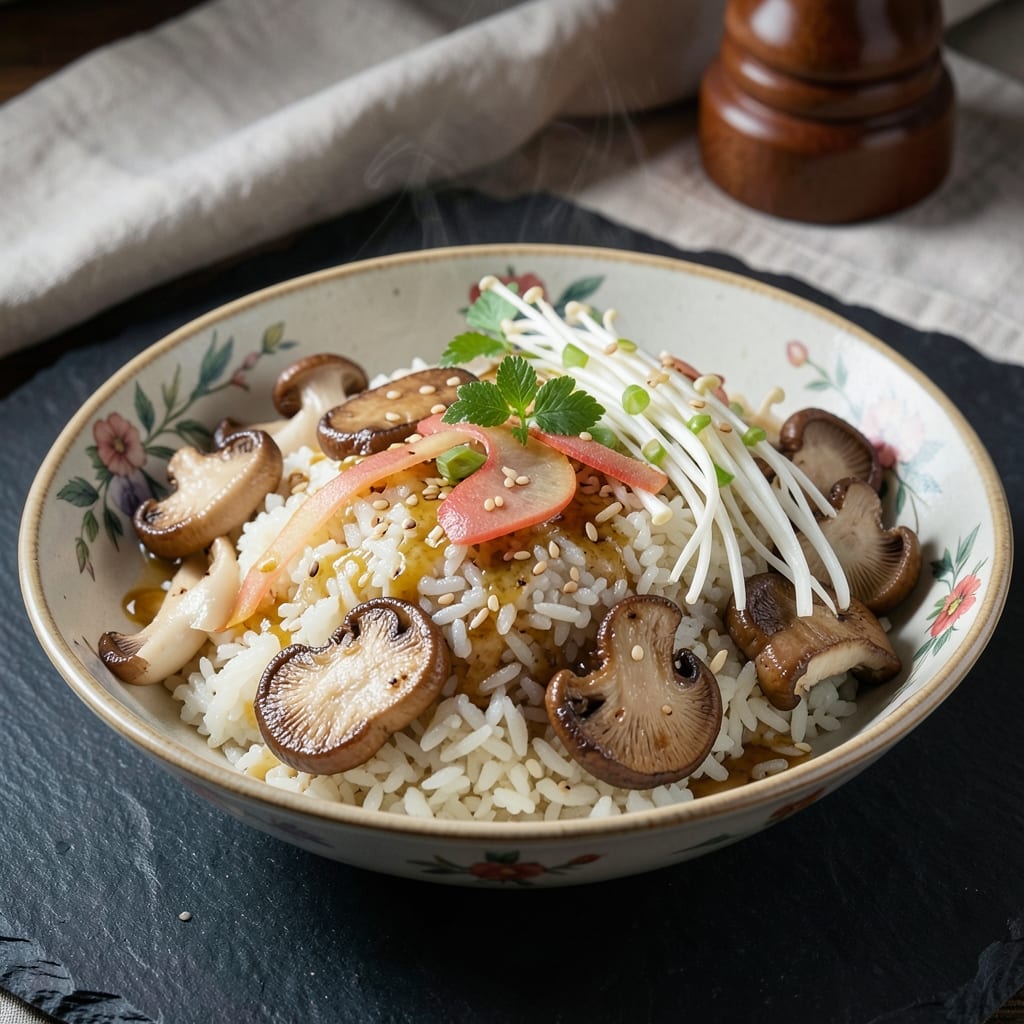
This Asian mushroom rice recipe transforms simple ingredients into a deeply flavorful one-pot meal that delivers restaurant-quality results in under 30 minutes. The secret lies in caramelizing aromatic mushrooms—shiitake, oyster, or enoki—until they release their earthy umami essence, then folding them into perfectly seasoned rice with just the right balance of soy, garlic, and ginger. I developed this recipe after years of testing different Asian rice dishes, and it's now my go-to for weeknight dinners that feel special without requiring hours in the kitchen.
The beauty of this dish is its versatility—it works equally well as a main course or a side dish, and the one-pot method means minimal cleanup. We start by sautéing the mushrooms until they're deeply browned and glossy, then add rice and aromatics to build layers of flavor through a gentle frying process. The key technique is using slightly less liquid than usual, which allows the rice to develop a subtle crust at the bottom while staying tender throughout. This approach ensures every bite is packed with savory depth without being overly saucy.
What you'll end up with is a fragrant, umami-rich dish where each grain of rice is infused with mushroom flavor and aromatic spices. The texture is perfect—slightly sticky from the caramelized mushrooms, with just enough bite from the mushrooms themselves. The dish pairs beautifully with a simple side salad or steamed greens, and the leftovers reheat wonderfully, making it ideal for meal prep. Whether you're feeding a family or just treating yourself, this recipe delivers satisfying, restaurant-inspired results with minimal effort.
For extra depth, consider adding a splash of sesame oil at the end or garnishing with sliced green onions and toasted sesame seeds. The possibilities for customization are endless while maintaining the core technique that makes this dish truly special. Let's get cooking—your taste buds will thank you.
Ingredients for asian mushroom rice
Jasmine rice, aromatic mushrooms, and savory soy create this umami-rich one-pot meal.
| Ingredient | Amount | Notes |
|---|---|---|
| Jasmine Rice 🍚 | 1 ½ cups | Uncooked, long-grain preferred |
| Shiitake Mushrooms 🍄 | 8 oz | Fresh, stems removed |
| Oyster Mushrooms 🍄 | 8 oz | Fresh, sliced |
| Enoki Mushrooms 🍄 | 4 oz | Fresh, stems trimmed |
| Garlic Cloves 🧄 | 4 cloves | Fresh, minced |
| Fresh Ginger 🌿 | 1 ½ tbsp | Grated, finely |
| Soy Sauce 🥢 | ⅓ cup | Light or all-purpose |
| Sesame Oil 🫒 | 1 tbsp | Toasted, for aroma |
| Vegetable Oil 🫒 | 2 tbsp | High smoke point |
| Green Onions 🧅 | 3 whole | Sliced, for garnish |
| Toasted Sesame Seeds 🌾 | 1 tbsp | For garnish |
| Salt 🧂 | 1 ½ tsp | Kosher or sea salt |
| Black Pepper 🌶️ | ½ tsp | Freshly ground |
| Water 💧 | 1 ½ cups | Room temperature |
The mushrooms are the star here—shiitake, oyster, and enoki bring distinct textures and flavors. Whole Foods or Asian markets carry the best selection, but most grocery stores stock shiitake and oyster. Look for firm, fresh mushrooms with no sliminess. If you can't find enoki, double up on oyster mushrooms—they're more accessible and still pack great flavor. For best results, slice them evenly so they caramelize at the same rate. The rice should be jasmine or basmati—both hold up well to the one-pot method and stay separate enough to enjoy each grain.
No shiitake? Cremini or portobello mushrooms work in a pinch, though they won't have the same delicate flavor. Running low on sesame oil? Avocado or neutral oil plus a pinch of toasted sesame seeds mimics the aroma. Fresh ginger is ideal, but ground ginger at half the amount works if you're in a hurry. The soy sauce can be swapped for coconut aminos or tamari for gluten-free options. If you're using pre-sliced mushrooms, pat them dry with a paper towel first—they'll brown better. And trust me, toasting the sesame seeds in a dry pan for 30 seconds before adding them to the rice takes this dish to the next level.
This dish reheats beautifully—just add a splash of water and cover until warmed through. Store leftovers in an airtight container for up to 5 days in the fridge, or freeze for 3 months for quick meals. The rice keeps best if you let it cool completely before refrigerating. For meal prep, portion into containers with a small layer of sesame oil on top to keep it fresh longer. Garnish with green onions and sesame seeds right before serving—they add freshness and crunch that disappears when stored.
Why You'll Love This Recipe
- One-Pan Magic: I swear by this—just toss everything in one skillet. The mushrooms release their own umami broth while the jasmine rice soaks it up, and honestly? That crispy garlic at the bottom? Worth every second.
- Umami Overload: Between the shiitake’s earthy depth, oyster mushrooms’ briny chew, and enoki’s delicate snap, this dish packs layers of flavor without a single sauce. (Yes, even my picky husband asks for seconds.)
- Meal Prep MVP: Make a big batch on Sunday—it reheats like a dream and tastes just as good cold in lunches. My college-aged kid brings it to campus all the time, and I never have to explain why.
- Budget-Friendly Protein: Mushrooms stretch like crazy, turning a small jar of rice into a filling, satisfying meal. I’ve fed four people for under $10, and the leftovers? Even better the next day. (Pro tip: Freeze extras—thaw and microwave.)
Step-by-step instructions for Asian mushroom rice
This one-pot method delivers restaurant-quality umami flavor with minimal cleanup.
Prepare the Mushrooms and Aromatics
Start by cleaning all mushrooms thoroughly with a damp paper towel—never soak them as they absorb water like sponges. For the shiitake and oyster mushrooms, slice them into even ½-inch thick pieces. The enoki mushrooms should be separated at the stems and trimmed to 2-inch lengths—their delicate texture adds a nice contrast to the heartier mushrooms.
In a small bowl, combine the 4 cloves minced garlic and 1.5 tablespoons finely grated ginger. This aromatic blend forms the flavor base for your dish. I like to press the ginger through a microplane for an ultra-fine texture that dissolves completely during cooking. Set both aside until ready to use.
Sauté the Mushrooms and Aromatics
Heat 2 tablespoons vegetable oil in a large, heavy-bottomed pot over medium-high heat. Add the sliced shiitake and oyster mushrooms in batches, stirring occasionally for 4-5 minutes until they release their moisture and develop golden brown spots. The mushrooms should be tender but still hold their shape—overcooking at this stage makes them mushy.
Push the mushrooms to one side of the pot and add the enoki mushrooms along with the garlic-ginger mixture. Stir constantly for 2 minutes until the garlic turns golden and fragrant. Here's the thing—don't walk away. Garlic burns quickly, and you want that nutty aroma without bitterness. Add 1.5 teaspoons salt and 0.5 teaspoon black pepper now to season the mushrooms thoroughly.
Toast the Rice and Build the Flavor Base
Add the 1.5 cups jasmine rice to the pot and stir to coat it evenly with the mushroom mixture. This step—called "toasting"—develops nutty flavors in the rice. Cook for 2 minutes until the rice becomes translucent at the edges and slightly golden. You'll see the oil separate slightly from the rice, which indicates proper toasting.
Pour in the 1.5 cups room temperature water and ⅓ cup soy sauce all at once. Stir gently but thoroughly to distribute the liquid evenly. The rice should be fully submerged but not swimming in water. Add 1 tablespoon sesame oil now—this adds depth of flavor that regular cooking oil can't match. Bring the mixture to a boil over high heat, then immediately reduce to low heat.
Simmer to Perfect Texture
Cover the pot tightly with a lid and simmer for 15 minutes without disturbing it. This undisturbed cooking period allows the rice to absorb moisture evenly and develop its signature texture. After 15 minutes, check the rice—it should have absorbed most of the liquid but still have a slight bite to it.
If the rice appears dry before the 15 minutes are up, add 2 tablespoons water at a time until it reaches the perfect consistency. The ideal finished rice should be tender with just a hint of resistance when pressed with a fork. This texture is crucial for the dish's mouthfeel—too soft and it becomes mushy; too firm and it's undercooked.
Finish and Garnish
Once the rice is perfectly cooked, remove the pot from heat and let it sit covered for 5 minutes. This resting period allows any remaining steam to distribute evenly throughout the dish. During this time, slice the 3 green onions into ¼-inch pieces and set aside.
Before serving, gently fluff the rice with a fork and drizzle any accumulated juices from the pot back over the top. Sprinkle with the sliced green onions and 1 tablespoon toasted sesame seeds for color and crunch. The sesame seeds should be toasted until they're golden and fragrant—if they're still raw-tasting, toast them in a dry skillet for 1 minute before adding. Serve immediately while hot, as the flavors continue to develop even after cooking.
Pro Tips For Making Asian Mushroom Rice
- STIR-FRY MUSHROOMS IN BATCHES: I learned this the hard way—don’t dump all your mushrooms in the pan at once. Shiitake and oyster mushrooms take longer to cook, so start with them on high heat for 3-4 minutes until they’re deeply browned. Then add the enoki (they cook in seconds) and toss everything together. This keeps the enoki crisp and the others properly caramelized.
- TRIM ENOKI STEMS AT THE LAST MINUTE: Enoki mushrooms wilt fast, so don’t prep them until you’re ready to cook. Trim the thick stems right before stir-frying, then rinse them in cold water to remove any dirt—this keeps them snappy. If you prep them too early, they’ll turn rubbery by the time you use them.
- USE GARLIC BUTTER FOR FLAVOR DEPTH: Skip the plain garlic oil—melt 1 tablespoon butter with 2 minced garlic cloves until golden (about 30 seconds), then toss it with the mushrooms. The butter adds richness while the garlic mellows into a nutty depth instead of burning. (Yes, even if you’re impatient like me.)
- COOK RICE IN THE SAME POT: After stir-frying your mushrooms, don’t wash the pan. Use the same wok or skillet to toast the jasmine rice in a tiny bit of oil for 30 seconds before adding the water—this infuses the rice with the mushroom aroma. It’s lazy, but it makes a real difference in flavor.
Flavor customization for this recipe
Spicy Umami Boost
For a kick of heat, add 1-2 teaspoons of chili crisp or 1 tablespoon of gochujang to the mushrooms during the sautéing step. This Korean-inspired twist adds a smoky, spicy depth that pairs perfectly with the earthy mushrooms. If you prefer a milder heat, try ½ teaspoon of red pepper flakes instead—they’ll infuse the rice with subtle warmth without overpowering the dish. 🌶️
Creamy Coconut Twist
Swap out the soy sauce for ½ cup of coconut milk and add 1 teaspoon of fish sauce for a Thai-inspired variation. The coconut milk creates a luscious, creamy texture that balances the mushrooms' earthiness. Finish with 1 tablespoon of lime zest and fresh cilantro for a bright, tropical contrast. This version works especially well with brown rice for added nuttiness.
Garlic-Ginger Intensifier
Double the garlic to 6 cloves and ginger to 2 tablespoons for an extra aromatic punch. For an even deeper flavor, infuse the oil by heating 1 crushed garlic clove in the vegetable oil for 30 seconds before adding the mushrooms. This technique creates a fragrant base that elevates the entire dish. If you love bold flavors, try adding ½ teaspoon of white pepper at the end for a subtle, complex finish.
Nutty Sesame Crunch
Boost the crunch by toasting 2 tablespoons of sesame seeds in a dry pan until golden, then sprinkling them over the dish. For extra texture, add ¼ cup of crushed peanuts or toasted cashews as a garnish. These nuts add a satisfying crunch that contrasts beautifully with the tender mushrooms and rice. Store-bought sesame seeds work fine, but toasting them fresh makes a noticeable difference.
Herbaceous Freshness
Brighten the dish with 2 tablespoons of chopped cilantro or thai basil stirred into the rice during the final resting period. The fresh herbs cut through the richness of the mushrooms and add a vibrant finish. For a more complex flavor, mix in 1 teaspoon of lemongrass paste (found in Asian markets) when sautéing the mushrooms. This adds a citrusy, floral note that complements the umami perfectly.
Protein Additions
Turn this into a complete meal by stirring in 1 cup of cooked shrimp or ½ pound of sliced chicken breast during the final simmer. For a vegetarian option, add 1 cup of edamame or crumbled tofu in the last 5 minutes of cooking. If using protein, season it first with ½ teaspoon of salt and ¼ teaspoon of black pepper to ensure it’s well-flavored before mixing into the rice.
Nutrition facts
Frequently asked questions
Can I use brown rice instead of jasmine rice in this recipe?
Yes, but you'll need to adjust the cooking time and liquid ratio. Brown rice takes longer to cook—simmer for 25-30 minutes instead of 15 minutes and add an extra ½ cup water to account for its higher moisture content. The nutty flavor of brown rice pairs beautifully with the mushrooms, creating a heartier dish. For best results, start checking the rice at 20 minutes.
What if I don't have all three types of mushrooms?
No problem! Use whatever mushrooms you have—just adjust the quantity. Cremini or portobello mushrooms work well as substitutes for shiitake, while white button mushrooms can replace oyster mushrooms (though they won't have the same delicate texture). For enoki, try baby bella mushrooms sliced thinly. The key is to slice them evenly so they cook at the same rate. If you're using only one type, increase the amount to 12 oz total for maximum flavor.
Why does my rice turn out mushy?
Mushy rice usually happens from one of three issues: too much liquid, lifting the lid too soon, or undercooking the rice initially. Always use 1.5 cups water for 1.5 cups uncooked rice—this ratio is crucial. After adding liquid, bring to a boil and then reduce to low heat immediately. Let it cook undisturbed for the full 15 minutes (or longer for brown rice), and resist the urge to peek! If it's still too wet, uncover and cook on low heat for another 5 minutes to evaporate excess moisture.
Can I make this recipe ahead of time?
This dish actually tastes even better the next day as the flavors meld together. Cook and cool the rice completely, then store it in an airtight container in the refrigerator for up to 5 days. To reheat, add 2 tablespoons water per cup of rice and cover with a damp paper towel. Microwave on medium heat for 2-3 minutes, stirring halfway through. For the best texture, finish with a quick stir-fry in a pan with 1 teaspoon sesame oil to revive the crispy edges.
How can I make this dish more flavorful without adding extra ingredients?
Focus on three key techniques: toast your mushrooms longer (up to 8 minutes) until deeply browned, infuse the oil by heating 1 crushed garlic clove in the oil for 30 seconds before adding mushrooms, and use a mix of dark and light soy sauce (replace 2 tablespoons with 1 tablespoon each). These small tweaks amplify the umami depth without changing the recipe structure. Also, let the dish rest 10 minutes after cooking—flavors continue developing during this time!