
Side Dishes
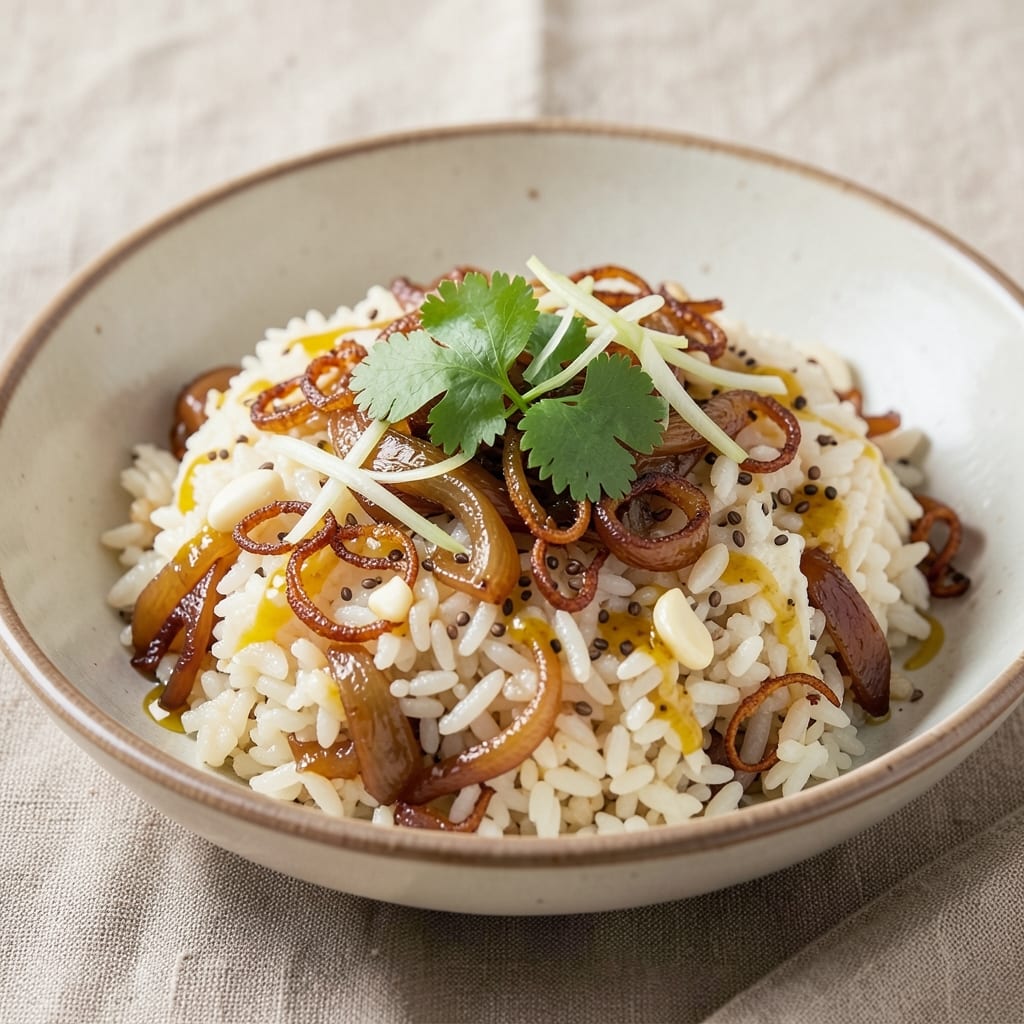
This Asian rice pilaf recipe transforms simple jasmine rice into a fragrant, aromatic side dish that rivals restaurant-quality dishes. The secret lies in toasting the rice and spices until golden, unlocking deep nutty flavors that infuse every grain. I developed this method after years of experimenting with different Asian rice dishes, and it consistently delivers perfectly fluffy, lightly crispy edges with a toasted sesame crunch.
What sets this pilaf apart is the balance of textures and aromatics—fragrant jasmine rice, toasted sesame seeds, and a blend of warm spices like cumin and cardamom create a dish that's both comforting and sophisticated. The rice cooks in a flavorful broth infused with ginger and garlic, ensuring each bite is packed with depth. This technique works equally well as a side for proteins or as a standalone vegetarian meal.
By the time you're done, you'll have a golden, fragrant pilaf with tender rice grains and a delicate crunch from toasted sesame seeds. The aroma alone will have everyone at the table asking for seconds. Whether you're serving it alongside grilled chicken, shrimp, or tofu, this pilaf elevates any meal with minimal effort.
Ready in just 30 minutes, this recipe is perfect for weeknight dinners or special occasions. The method is simple but yields restaurant-quality results every time. Let's get started on creating this aromatic, texturally perfect Asian rice pilaf.
Ingredients for asian rice pilaf
Jasmine rice, warm spices, and toasted sesame create this fragrant pilaf's signature aroma and crunch.
| Ingredient | Amount | Notes |
|---|---|---|
| Jasmine Rice 🍚 | 1 ½ cups | Uncooked, long-grain preferred |
| Vegetable Oil 🫒 | ¼ cup | Light, neutral flavor preferred |
| White Onion 🧅 | 1 whole | Medium size, finely diced |
| Garlic Cloves 🧄 | 4 cloves | Fresh, minced finely |
| Fresh Ginger 🌿 | 1 tbsp | Grated, aromatic variety |
| Ground Cumin 🌿 | ½ tsp | Freshly toasted for depth |
| Ground Cardamom 🌶️ | ¼ tsp | High-quality, aromatic |
| Toasted Sesame Seeds 🥜 | 2 tbsp | Store-bought or homemade |
| Low-Sodium Chicken Broth 💧 | 1 ½ cups | Homemade or quality store-bought |
| Salt 🧂 | ¾ tsp | Diamond Crystal preferred |
| Black Pepper 🌶️ | ¼ tsp | Freshly ground for aroma |
| Lemon Juice 🍋 | 1 tbsp | Freshly squeezed, bright |
| Green Onions 🧅 | 2 whole | Thinly sliced, for garnish |
| Fresh Cilantro 🌿 | ¼ cup | Chopped, optional garnish |
The jasmine rice is non-negotiable here—its delicate floral notes are what make this pilaf special. Look for long-grain jasmine rice at Asian markets or the international aisle of your grocery store; Thai Kitchen or Lotus Foods brands are reliable. Toasting the rice and spices until golden unlocks their full flavor, so don't skip this step. For the sesame seeds, toast them separately in a dry pan until fragrant—this adds that signature crunch. Fresh ginger and garlic should be vibrant; if they smell stale, replace them immediately. The chicken broth can be homemade for deeper flavor, but Swanson or Pacific Foods low-sodium options work well in a pinch.
No jasmine rice? Basmati rice is the next best option, though the texture will differ slightly. Substitute ground coriander for cardamom if needed (use the same amount), but the earthy cumin is essential—it's the backbone of the flavor. Fresh ginger and garlic can be swapped for powdered versions at half the amount, though the flavor will be less vibrant. For a vegetarian version, use vegetable broth instead of chicken broth. The sesame seeds can be omitted if you're avoiding nuts, but the dish will lose its signature texture. If you're short on time, pre-minced garlic and ginger from the refrigerated section at Trader Joe's work perfectly fine.
This pilaf reheats beautifully—just add a splash of water or broth and cover to steam. Store leftovers in an airtight container for up to 4 days in the fridge, or freeze for 3 months. The toasted sesame seeds will keep their crunch best if stored in a sealed container away from light. For a restaurant-worthy presentation, serve the pilaf in a large bowl and let everyone help themselves, garnished with the green onions and cilantro. The aroma alone will draw people to the table—trust me, it's that good.
Why You'll Love This Recipe
- One-Pot Magic: I swear by this recipe when I’m too tired to wash a million dishes. Sauté the onions and garlic in vegetable oil until they’re golden—no fancy techniques, just patience—and the rice cooks right in the same pan. The ginger adds that zing without extra mess.
- Fragrant Every Bite: That first whiff of toasted jasmine rice, garlic, and fresh ginger? It’s like a hug in a bowl. The rice soaks up all the aromatics, giving you that perfect balance of nutty, savory, and just a hint of spice. (Yes, even my picky husband stops mid-sentence to take another bite.)
- Lunchbox Hero: Between us, this pilaf is my go-to for meal prep. Make a big batch on Sunday, and it’s ready to grab for lunches all week—no sad, soggy takeout here. The onions and garlic keep it flavorful even after three days, and it reheats like a dream.
- Budget Stretch: Honestly, this recipe won’t break the bank. A bag of jasmine rice, a few onions, and some garlic? That’s it. I’ve served it at potlucks, family dinners, and even as a side for takeout—no one ever questions why it’s so cheap when it tastes this good. (Pro tip: Double the batch and freeze half.)
Step-by-step instructions for Asian rice pilaf
This method delivers perfectly fragrant, fluffy jasmine rice with aromatic spices and nutty sesame crunch.
Toast the Aromatics and Spices
Heat the 0.25 cup vegetable oil in a large skillet over medium heat. Add the 1 whole white onion, 4 cloves garlic cloves, and 1 tablespoon fresh ginger. Cook for 5-6 minutes, stirring occasionally, until the onion softens and the garlic turns golden brown. You'll smell the aromatic oils developing—this is where the flavor foundation builds.
Reduce heat to low and add the 0.5 teaspoon ground cumin and 0.25 teaspoon ground cardamom. Stir constantly for 30 seconds until fragrant. Remove from heat and immediately transfer the mixture to a large bowl. This step prevents burning the spices while extracting their maximum flavor. The cardamom will add a subtle floral note that complements the jasmine rice perfectly.
Cook the Jasmine Rice
Return the skillet to medium heat and add the 1.5 cups jasmine rice. Stir for 1-2 minutes until the grains become translucent at the edges and slightly toasted. This dry toasting step is crucial—it prevents mushy rice and enhances the nutty flavor of the jasmine variety.
Pour in the 1.5 cups low-sodium chicken broth and bring to a gentle boil. Immediately reduce heat to low, cover tightly with a lid, and simmer for 15 minutes. The rice will absorb the liquid slowly, developing its signature fluffy texture. Avoid peeking—each time you lift the lid, you release steam and risk uneven cooking.
Finish with Lemon and Sesame
After 15 minutes, remove the rice from heat and let it sit covered for 5 minutes. Stir in the 1 tablespoon lemon juice, 0.75 teaspoon salt, and 0.25 teaspoon black pepper. The acidity brightens the dish while balancing the richness of the broth and spices. Fluff the rice gently with a fork to separate the grains.
Transfer to a serving dish and sprinkle evenly with the 2 tablespoons toasted sesame seeds. Garnish with the 2 whole green onions and 0.25 cup fresh cilantro, chopped. The sesame seeds add a delightful crunch that contrasts beautifully with the tender rice, while the green onions and cilantro provide fresh visual appeal and a pop of color.
Rest and Serve
Let the pilaf rest for 3-5 minutes before serving. This resting period allows the flavors to meld completely and the rice to reach its ideal texture. The pilaf should be light and fluffy, with each grain distinct and fragrant from the spices. Serve immediately while still warm, pairing it with grilled proteins or fresh vegetables for a complete meal.
For best results, use the rice within 2 hours of cooking. If storing, refrigerate in an airtight container for up to 3 days, though the texture will be slightly firmer when reheated. The aromatic spices and toasted sesame seeds make this pilaf a versatile side dish that elevates any Asian-inspired menu.
Pro Tips For Making Asian Rice Pilaf
- TOAST THE ONIONS FIRST: I learned this the hard way—raw onions in pilaf taste like sad, watery wallpaper paste. Sauté the diced onion in vegetable oil over medium-high heat until the edges turn golden and translucent (about 5-6 minutes). That deepens their flavor and stops them from releasing bitterness later.
- USE PEELLED GINGER: Fresh ginger’s pungent kick works best when you skip the peel—it’s the tough outer layer that dulls the flavor. Just scrub it under cold water, slice thinly (no need to grate), and toss it in with the garlic. (Yes, even if you’re impatient like me.)
- STOP STIRRING AT 10 MINUTES: After adding the rice, stir once to coat it in the aromatics, then walk away. Stirring constantly turns the rice mushy—Jasmine needs space to absorb liquid properly. Cover and let it cook undisturbed for 10 minutes before fluffing.
- ADD GINGER LAST: Tossing in ginger too early burns its delicate flavor. Save it for the final 2 minutes of cooking—just when you’re about to turn off the heat. This keeps its bright, zesty punch instead of letting it turn bitter. (Your future self will thank you.)
Make-ahead tips for leftovers
Prep Ahead Strategy
I recommend prepping the aromatic base first—sauté the onions, garlic, and ginger up to 2 days ahead and store in an airtight container in the fridge. The flavors actually deepen overnight, making your pilaf even more aromatic. Just reheat gently before adding the rice. 🌿
Rice Cooking Shortcut
For busy weeknights, toast the spices and rice together in a rice cooker instead of a skillet. Use the same measurements but set the cooker to "white rice" mode. The built-in timer handles the 15-minute simmer perfectly while you prep other components. My Cuisinart GR-150 model does this flawlessly.
Broth Prep Options
Make a big batch of homemade chicken broth (or vegetable broth) and freeze it in 1-cup portions—perfect for this recipe. Thaw overnight in the fridge, then use directly. Store-bought Pacific Foods low-sodium broth works in a pinch, but homemade adds that restaurant-quality depth.
Sesame Seed Hack
Toast your sesame seeds in a dry skillet over low heat for 2-3 minutes until golden and fragrant. Let them cool completely before storing in a sealed jar at room temperature for up to 2 weeks. This keeps them crispy for garnishing whenever you need that perfect crunch. ✨
Make-Ahead Assembly
Cook the rice completely, then spread it on a baking sheet to cool quickly. Once chilled, store in an airtight container with the sesame seeds in a separate small container. Reheat covered with a damp paper towel on the stovetop for 5-7 minutes—just add a splash of water if needed. The texture stays fluffy when reheated this way.
Freezer-Friendly Method
For long-term storage, assemble the pilaf completely (including sesame seeds) and freeze in a single layer on a tray for 1 hour to prevent clumping. Transfer to a freezer bag and store for up to 3 months. Thaw overnight in the fridge before reheating. The sesame seeds maintain their crunch better when frozen this way. ❄️
Nutrition facts
Frequently asked questions
Can I use basmati rice instead of jasmine rice?
Yes, basmati rice works beautifully as a substitute! While jasmine rice has a delicate floral aroma, basmati offers a nutty flavor that pairs well with the toasted spices. Use the same 1.5 cups uncooked measurement and follow the same cooking method. The texture will be slightly firmer but still delicious. For extra fragrance, add 1/4 teaspoon pandan extract to the broth if you have it.
Why does my rice pilaf turn out mushy?
Mushy rice usually happens from overcooking or peeking too often. Always cover the rice tightly with a lid and avoid lifting it during the 15-minute simmer. If your rice is still undercooked after 15 minutes, add 2-3 tablespoons hot broth and cook another 5 minutes. For extra fluffiness, fluff the rice gently with a fork after removing from heat and let it rest 5 minutes before serving.
How can I make this vegetarian?
Swap the chicken broth for vegetable broth and add 1 cup mixed vegetables like bell peppers, carrots, or mushrooms to the skillet with the onions. Sauté them for 3-4 minutes before adding the rice. For extra protein, stir in 1 cup cooked chickpeas or 1/2 cup crumbled tofu during the final 5-minute rest. The dish will be just as flavorful and satisfying!
Can I make this pilaf in an Instant Pot?
Sauté the onions, garlic, ginger, and spices as directed, then add the rice and broth. Cook on high pressure for 3 minutes, then let it naturally release for 10 minutes. Stir in lemon juice and sesame seeds, then fluff with a fork. The Instant Pot keeps the rice perfectly fluffy with minimal effort. For best results, use 1.5 cups liquid (same as the recipe) and don't skip the resting time.
What's the best way to store leftovers?
Store in an airtight container in the fridge for up to 4 days, or freeze for 3 months. To reheat, cover with a damp paper towel and warm on low heat for 5-7 minutes. Add a splash of water or broth if needed to restore moisture. For freezing, cool completely first and spread sesame seeds on top after reheating to maintain their crunch.