
Main Courses
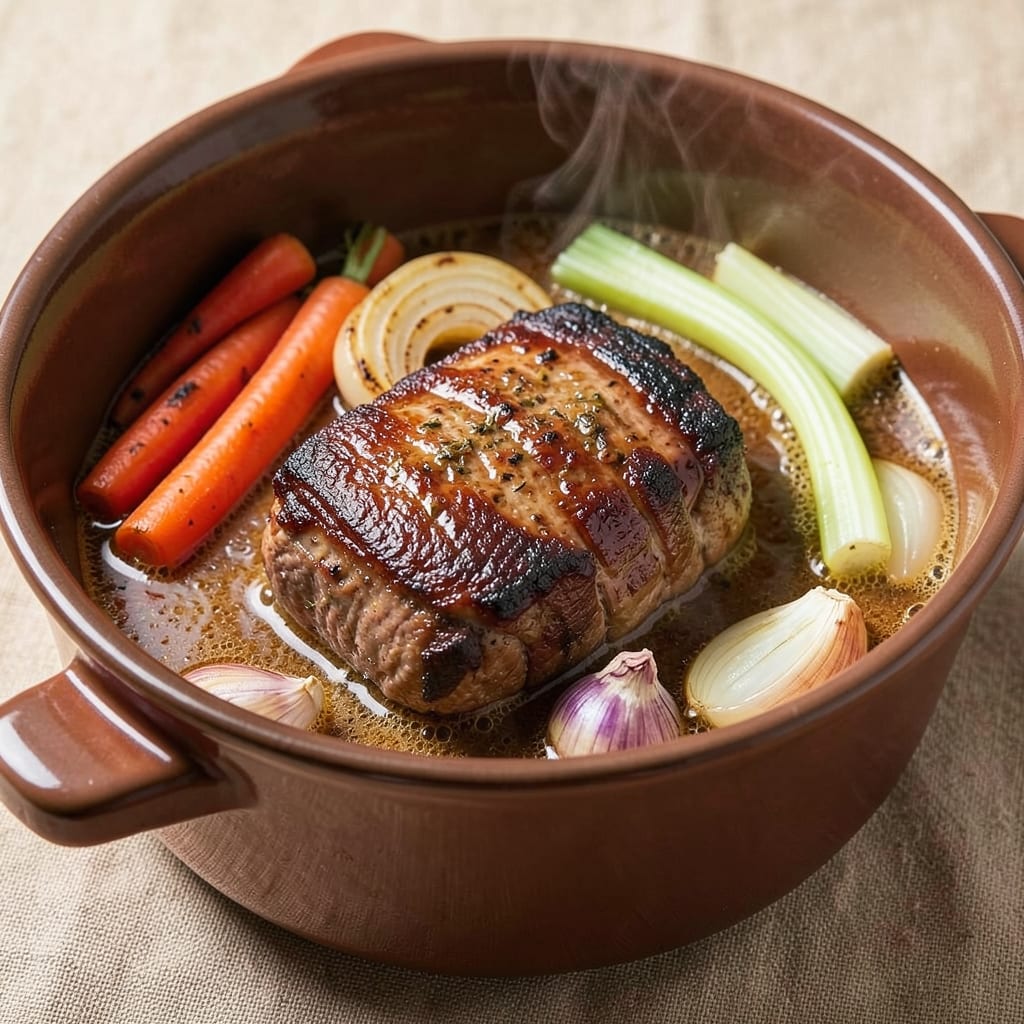
This one-pot aroma rice cooker pot roast transforms tough beef into tender perfection while cooking fragrant rice—all in a single appliance. The secret lies in slow-cooking the beef with aromatic vegetables and herbs, then letting the rice cooker finish the rice in the same pot. No separate dishes, no cross-contamination, just effortless dinner magic.
What makes this recipe work is the rice cooker's ability to handle both the pot roast and rice simultaneously. The beef becomes fork-tender as it simmers in savory broth, while the rice absorbs all the rich flavors. This method saves time, reduces cleanup, and delivers restaurant-quality results with minimal effort—ideal for busy weeknights or meal prep.
Ingredients for aroma rice cooker pot roast
Simple ingredients for a restaurant-quality one-pot meal that transforms tough beef into tender perfection.
| Ingredient | Amount | Notes |
|---|---|---|
| Chuck Roast 🥩 | 2 lb | Cut into 2-inch chunks |
| Yellow Onion 🧅 | 1 whole | Large, sliced into half-moons |
| Carrots 🥕 | 4 whole | Medium, cut into chunks |
| Garlic Cloves 🧄 | 4 cloves | Peeled, smashed slightly |
| Celery Stalks 🥬 | 3 whole | Cut into 1-inch pieces |
| Beef Broth 💧 | 4 cups | Low-sodium preferred |
| Dry White Wine 🍷 | ½ cup | Substitute with extra broth if needed |
| Tomato Paste 🍅 | 2 tbsp | Squeeze tube preferred |
| Long-Grain White Rice 🍚 | 1 ½ cups | Uncooked, standard variety |
| Dried Thyme 🌿 | 1 tsp | Or 1 tbsp fresh thyme |
| Bay Leaves 🌿 | 2 whole | Remove before serving |
| Ground Black Pepper 🌶️ | 1 tsp | Freshly cracked preferred |
| Kosher Salt 🧂 | 1 ½ tsp | Adjust to taste |
| Olive Oil 🫒 | 2 tbsp | Extra-virgin preferred |
| Fresh Parsley 🌿 | ¼ cup | Chopped, for garnish |
The chuck roast is the star here—look for cuts with good marbling at Costco or your local butcher. Pre-cut chunks save time, but if you're buying a whole roast, ask for it to be cubed for you. The beef broth makes all the difference; Kirkland Signature or Swanson are solid choices, but homemade is even better. Fresh thyme or bay leaves elevate the dish, but dried work in a pinch. For the wine, any dry white like Sauvignon Blanc or Pinot Grigio adds brightness—whatever you have open will do.
No white wine? Extra beef broth with a splash of apple cider vinegar mimics the acidity perfectly. Swap carrots for parsnips or sweet potatoes if you prefer. The tomato paste can be omitted if you dislike its intensity, but it deepens the flavor. For a quicker prep, use pre-chopped mirepoix (onion, carrot, celery mix) from the freezer section. The rice cooker does all the work, but if you're concerned about overcooking, use slightly less water than the rice cooker's recommended amount—this dish relies on the beef's juices for moisture.
This meal reheats beautifully—simmer the pot roast and rice together for 10 minutes on the stove, adding a splash of broth if needed. Store leftovers in an airtight container for up to 4 days in the fridge or 3 months frozen. For meal prep, double the recipe and freeze portions in individual containers. The flavors actually improve overnight as the beef continues to tenderize, making this a perfect make-ahead dish for busy weeknights.
Why You'll Love This Recipe
- Set-and-Forget Magic: I swear by this one—dump everything in the rice cooker, hit start, and walk away. No babysitting, no oven thermostat drama, just tender meat and caramelized veggies when you’re ready. The aroma alone pulls me back to the kitchen like a siren song.
- Chuck Roast Transformed: That tough cut becomes melt-in-your-mouth perfection, kissed by garlic and onions until it’s basically a flavor bomb. The carrots and celery soften just enough to soak up all the juices—no dry bites here, just pure satisfaction in every forkful.
- Weeknight Superhero: Between us, this is my go-to when I’ve got a house full of hungry people and zero energy. Double the recipe, freeze half, and boom—next Tuesday’s dinner is already solved. My kids don’t even question the leftovers (which, honestly, is a win).
- Budget Win: Chuck roast is my secret weapon for stretching meals without sacrificing taste. A single cut feeds my family for days, and the veggies? They’re the kind you can grab on sale and not feel guilty about. Frugal but far from basic—this dish proves you don’t need fancy ingredients for real flavor.
Step-by-step instructions for one-pot tender beef with fragrant rice
This method delivers melt-in-your-mouth beef and perfectly cooked rice using your rice cooker's precision.
Sear the Chuck Roast for Maximum Flavor
Set your rice cooker to sauté mode and heat the 2 tablespoons olive oil over medium-high heat. Pat the 2 lb chuck roast dry with paper towels—this ensures a proper sear. Once the oil shimmers, add the beef in a single layer and sear for 4-5 minutes per side until deeply browned and caramelized. You're building flavor here, so don't rush this step.
Remove the beef and set it aside. In the same pot, add the 1 whole yellow onion, 3 whole celery stalks, and 4 whole carrots, all cut as specified. Cook for 5 minutes, stirring occasionally, until the vegetables begin to soften. Add the 4 smashed garlic cloves and cook for another 30 seconds until fragrant. This aromatic base will infuse the entire dish.
Build the Pot Roast Base
Return the seared beef to the pot and sprinkle with 1.5 teaspoons kosher salt and 1 teaspoon ground black pepper. Stir in the 2 tablespoons tomato paste, coating the beef and vegetables evenly. This step creates a flavorful crust that prevents the meat from drying out during cooking.
Pour in the 4 cups beef broth and 0.5 cup dry white wine, scraping up any browned bits from the bottom of the pot. Add the 1.5 cups long-grain white rice, 1 teaspoon dried thyme, and 2 whole bay leaves. Stir gently to combine—just enough to distribute the ingredients without breaking up the meat's surface.
Cook to Perfect Tenderness
Close the rice cooker lid and select the "pot roast" or "meat/stew" setting if available, or use the "white rice" setting for 1 hour. If your rice cooker doesn't have a pot roast setting, cook on the "white rice" setting for 1 hour 15 minutes. The rice cooker's gentle heat will slowly break down the tough chuck roast fibers, transforming them into tender, fork-tender meat.
After 1 hour, check the beef's tenderness by inserting a fork. If it pierces easily with minimal resistance, it's ready. If not, return it to the rice cooker for another 15-30 minutes. The rice will absorb the flavorful broth as it cooks, resulting in perfectly tender beef and fragrant rice in one pot.
Rest and Garnish for Serving
Once the beef is tender and the rice is fully cooked, turn off the rice cooker and let the pot rest for 10 minutes with the lid slightly ajar. This resting period allows the juices to redistribute throughout the beef and rice, ensuring every bite is moist and flavorful.
Remove the 2 whole bay leaves before serving. Garnish each portion with 0.25 cup chopped fresh parsley for a pop of color and freshness. The result is a hearty, one-pot meal where each component complements the other perfectly—tender beef, fragrant rice, and a rich, savory broth all in one delicious package.
Pro Tips For Making Aroma Rice Cooker Pot Roast
- SEAR THE ROAST FIRST: I used to skip this step in the rice cooker, thinking it’d just braise anyway—but that’s how you end up with bland, gray meat. Brown the chuck roast in a hot pan with oil for 3-4 minutes per side before dumping it into the rice cooker. The crust locks in flavor, and the rice absorbs that deep, caramelized goodness instead of just soaking up water.
- CHOP VEGETABLES UNIFORM: Big onion chunks and uneven carrots mean some veggies stay crunchy while others turn to mush. Cut everything into roughly 1-inch pieces—onions, carrots, celery—so they cook at the same rate. No one wants a pot roast with a single overcooked celery stalk ruining the texture.
- DON’T OVERLOAD THE RICE COOKER: I learned this the hard way—packing the rice cooker too full means the roast won’t cook evenly, and the rice ends up gloppy. Fill it no more than 2/3 full with liquid and ingredients. The rice will expand, and you’ll avoid a soggy, uneven mess.
- ADD GARLIC LATE: Whole garlic cloves tossed in early burn and turn bitter. Instead, peel and smash them (not mincing—just flatten them with the side of your knife) and add them in the last 15 minutes of cooking. This keeps their sweet, mellow flavor intact and prevents that harsh, overcooked garlic taste.
Troubleshooting this dish
Undercooked Beef Fix
If your beef isn't tender after the initial 1-hour cook time, don't panic. Return it to the rice cooker on the "keep warm" setting for another 30-45 minutes. The slow, moist heat will continue breaking down the collagen. For extra help, add ½ cup more beef broth to keep everything juicy. I've found this works especially well with thicker cuts that need more time to tenderize. 💪
Mushy Rice Solution
If your rice turns out mushy, it likely absorbed too much liquid. Next time, use 1 cup less broth than called for and check the rice cooker's water-to-rice ratio. For immediate fixes, drain excess liquid through a fine-mesh strainer or mix in 1 tablespoon cornstarch to thicken the sauce. I keep a small bag of cornstarch on hand specifically for these kinds of emergencies. ✨
Burnt Bottom Prevention
To avoid burnt bits on the bottom of your rice cooker, always use the proper pot size for your appliance. If you're using a 6-quart rice cooker, make sure your pot doesn't exceed 5 quarts of liquid. For extra insurance, place a silicon mat between the pot and heating element. I've had great results with Zulay silicone pot protectors—they're inexpensive and make all the difference. 🔥
Overly Saucy Dish
When the sauce becomes too thin, it's usually because the rice absorbed less liquid than expected. Reduce the sauce by simmering it uncovered on the stove for 5-10 minutes until it thickens slightly. For a quick fix, stir in 1 tablespoon tomato paste or 1 teaspoon cornstarch mixed with water. This works wonders for balancing the moisture levels without altering the flavor profile. 💫
Uneven Cooking Issues
If some beef pieces cook faster than others, try cutting your chuck roast into even 2-inch chunks before searing. For stubbornly tough pieces, place them on top of the rice during the final 15 minutes of cooking. The rice cooker's heat will penetrate more evenly this way. I've also found that using a meat thermometer helps—aim for 203°F internal temperature for perfect doneness. 🌡️
Rice Cooker Settings
If your rice cooker doesn't have a "pot roast" setting, use the "white rice" setting for 1 hour 15 minutes instead. For newer models like the Aroma ARC-888ET, select the "stew" setting if available—it maintains a consistent 190-200°F temperature perfect for pot roasts. Always start with the minimum recommended time and check for doneness afterward. This gives you the most control over the final texture. 💡
Nutrition facts
Frequently asked questions
Can I use a different cut of beef instead of chuck roast?
Yes, but with adjustments! For tender beef results, try stew beef or chuck shoulder—they're similar in texture. Avoid leaner cuts like sirloin or flank steak, as they won't become as tender. If using pork shoulder, reduce cook time by 15-20 minutes since pork tenderizes faster.
What if I don't have white wine? Can I substitute?
Use ½ cup beef broth + 1 teaspoon apple cider vinegar for acidity, or ½ cup chicken broth + 1 teaspoon Worcestershire sauce. For a non-alcoholic option, try ½ cup cranberry juice—it adds sweetness that balances the savory flavors. The key is acidity to tenderize the meat.
How do I adjust this recipe for a larger family?
Double all ingredients, including the 2 lb beef (use 4 lb total) and 1.5 cups rice (use 3 cups total). Use a 6-quart rice cooker or cook in batches. For extra flavor, add 1 extra bay leaf and ½ teaspoon thyme per additional 2 cups broth. The rice cooker's capacity varies—check your model's max liquid limit.
Can I make this recipe in an electric pressure cooker instead?
Yes! Use the sear/sauté function for the same browning step, then cook on high pressure for 25 minutes (natural release). Add ½ cup extra broth since pressure cooking reduces liquid faster. The rice will cook simultaneously, but check doneness at 203°F internal temp—pressure cookers work faster than rice cookers.
Why does my rice cooker say "burn" or "overheat" when cooking this?
This usually happens when the liquid level is too low or the pot is too small for your rice cooker. Use 4-5 cups total liquid (broth + wine) and ensure your pot fits snugly. For 6-quart rice cookers, never exceed 5 cups liquid. If your model has a "stew" setting, use that instead of "white rice" to prevent overheating.