
Main Courses
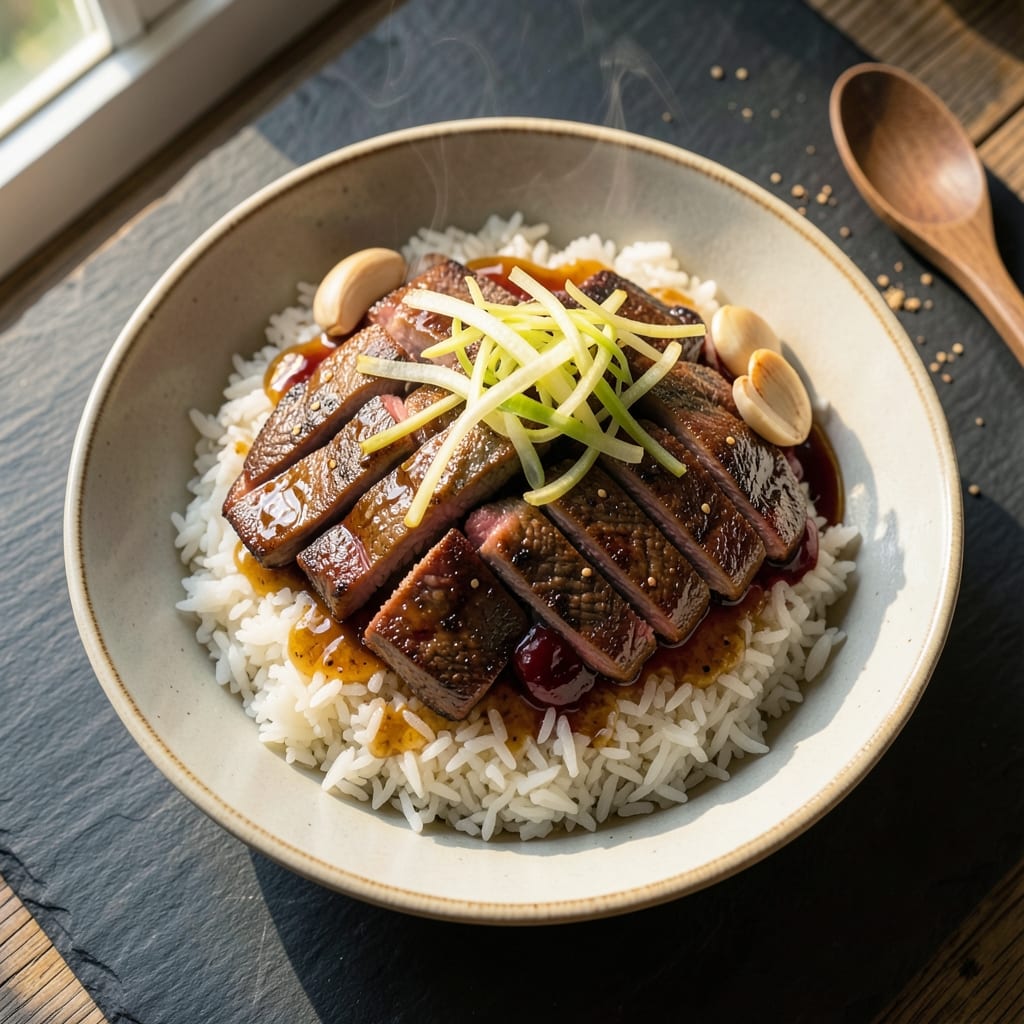
This Asian beef and rice bowl delivers restaurant-quality flavors with a wok-seared spice crust that locks in juices and adds irresistible texture. The secret lies in marinating thinly sliced beef with soy, ginger, and garlic, then quickly searing it in a hot wok until caramelized. Fragrant jasmine rice forms the perfect base, while a simple peanut-ginger sauce ties everything together with balanced sweetness and heat.
What sets this recipe apart is the 30-minute preparation that still delivers depth of flavor—no complicated techniques required. The beef develops a crispy, aromatic crust while staying tender inside, and the rice absorbs subtle seasoning from a quick sesame oil finish. Customize with quick-pickled vegetables, steamed bok choy, or a sprinkle of sesame seeds for extra texture and visual appeal.
Each bowl combines umami-rich beef, fragrant rice, and vibrant toppings for a meal that's both satisfying and elegant. The peanut-ginger sauce adds a creamy contrast to the savory beef, while optional chili flakes let you adjust the spice level to your preference. This dish proves you can achieve restaurant-quality Asian flavors at home with minimal effort.
The beauty of this recipe lies in its versatility—swap the beef for tofu or chicken, adjust the sauce to your taste, or add your favorite stir-fry vegetables. Perfect for weeknight dinners or meal prep, it's a complete dish that delivers bold flavors without the fuss. Let's get cooking!
Ingredients for asian beef and rice bowl
Fragrant jasmine rice, tender beef, and a peanut-ginger sauce that ties everything together.
| Ingredient | Amount | Notes |
|---|---|---|
| Thinly Sliced Flank Steak 🥩 | 1 ¼ lb | Cut against grain for tenderness |
| Jasmine Rice 🍚 | 1 ½ cups | Uncooked, long-grain preferred |
| Soy Sauce 🍶 | ⅓ cup | Low-sodium preferred for balance |
| Fresh Ginger 🌿 | 2 tbsp | Grated, aromatic variety |
| Garlic Cloves 🧄 | 4 cloves | Minced, for marinade |
| Sesame Oil 🫒 | 2 tbsp | Toasted, for aroma |
| Neutral Oil 🫒 | 2 tbsp | Like vegetable or canola |
| Ground White Pepper 🌶️ | 1 tsp | Freshly ground preferred |
| Cornstarch 🌾 | 2 tbsp | For crispy crust |
| Peanut Butter 🥜 | ¼ cup | Creamy, unsweetened |
| Peanut Oil 🫒 | ¼ cup | For sauce richness |
| Lime Juice 🍋 | 2 tbsp | Freshly squeezed |
| Honey 🍯 | 1 tbsp | For balanced sweetness |
| Red Chili Flakes 🔥 | ½ tsp | Adjust for heat preference |
| Sesame Seeds 🌾 | 1 tbsp | Toasted, for garnish |
The beef is where the magic happens—flank steak is ideal because it slices thinly and stays tender. Look for cuts with good marbling at Whole Foods or your local Asian market, where they often have it pre-sliced for stir-fry. If you can't find pre-sliced, freeze the steak for 30 minutes before slicing against the grain. The ginger should smell bright and zesty, not musty. Trader Joe's carries great ginger that's always fresh, or grab a whole knob and grate what you need. Toast your sesame seeds in a dry pan for 30 seconds—they'll smell amazing and add crunch to your bowls.
No sesame oil? Toasted sesame seeds mixed with neutral oil works in a pinch, though the flavor won't be identical. Swap peanut butter for cashew butter if you're avoiding peanuts, but the sauce will be thinner. Short on lime juice? Lemon juice with a pinch of sugar does the trick. The cornstarch is non-negotiable for that crispy crust—it's what makes this dish restaurant-quality. If you're making this ahead, marinate the beef for up to 8 hours in the fridge, but don't skip the 30-minute rest before cooking. The rice? Cook it in broth instead of water for extra flavor—just add a bouillon cube to the cooking water.
This dish tastes even better the next day—honestly, the flavors meld beautifully. Store leftovers in airtight containers for 4-5 days, or freeze for 3 months. I always make extra rice because it's perfect for lunch the next day. The sauce keeps for 1 week in the fridge, but it's best used fresh. Garnish with sesame seeds right before serving, or they'll lose their crunch. Pro tip: Toast your rice in a dry pan with a little sesame oil after cooking—it adds an extra layer of flavor that takes 2 minutes but makes a huge difference.
Why You'll Love This Recipe
- No-Chop Night: I swear by my 10-minute prep trick: freeze the flank steak for 20 minutes first, then slice it paper-thin against the grain while it’s still cold. No knife skills required—just let the meat do the work.
- Umami Bomb: That first bite? The garlic and ginger sizzling in the pan while the soy sauce caramelizes on the steak—it’s like a tiny flavor explosion. The rice just soaks up all the good stuff, making every mouthful rich and satisfying.
- Lunchbox Hero: Between us, this is my go-to for meal prep. Cook a big batch of rice, marinate the steak ahead, and reheat portions all week. Pack it in bento boxes for work or toss it in a thermos—still tastes fresh hours later.
- Budget Win: Flank steak stretches far when sliced thin, and jasmine rice fills you up without breaking the bank. Honestly, I make this twice a month just because it’s the smartest way to feed my family without stressing over grocery bills.
Step-by-step instructions for wok-seared beef and jasmine rice bowls
Here's how to create restaurant-quality flavor with a crispy spice crust and fragrant rice.
Prepare the Fragrant Jasmine Rice
Rinse the 1.5 cups jasmine rice under cold water until the water runs clear—this removes excess starch for fluffier grains. Transfer to a pot and add 2 cups water (or follow package instructions). Bring to a boil over medium-high heat, then reduce to low heat, cover, and simmer for 15 minutes. Turn off the heat and let it steam, covered, for another 10 minutes. Fluff with a fork before serving to keep the grains separate.
I like to use a heavy-bottomed pot for even cooking. If you don't have one, a regular pot works fine—just avoid lifting the lid during cooking to maintain consistent heat. The rice should be tender but still have a slight bite in the center when done.
Marinate the Flank Steak
In a bowl, combine the 1.25 lb thinly sliced flank steak, 0.33 cup soy sauce, 2 tbsp grated fresh ginger, 4 minced garlic cloves, and 1 tsp ground white pepper. Mix well to coat the steak evenly. Let it marinate for at least 30 minutes (or up to 2 hours in the refrigerator) to tenderize the meat and infuse it with flavor.
Don't skip the marinating time—this step makes a huge difference in tenderness. If you're short on time, even 15 minutes will help, but longer marinating yields the best results. The steak should be fully coated and slightly softened after marinating.
Create the Spice Crust and Wok-Seared Beef
Heat 2 tbsp neutral oil in a wok or large skillet over high heat until shimmering. Add the marinated steak in a single layer, making sure not to overcrowd the pan. Cook undisturbed for 1-2 minutes until the edges start to brown. Flip and cook another 1-2 minutes until golden brown and slightly crispy.
While the steak cooks, mix 2 tbsp cornstarch, 0.25 cup peanut butter, 0.25 cup peanut oil, 2 tbsp lime juice, 1 tbsp honey, and 0.5 tsp red chili flakes in a small bowl. Once the steak is browned, remove it from the pan and set aside. Add the peanut butter mixture to the same pan and stir vigorously for 1-2 minutes until it forms a glossy, thick sauce.
Assemble the Rice Bowls
Divide the cooked jasmine rice evenly among 4 bowls. Place ¼ of the wok-seared beef on top of each bowl, then drizzle with the peanut sauce. Garnish with 1 tbsp toasted sesame seeds and an extra sprinkle of red chili flakes if desired.
For serving, I like to add a few drops of sesame oil over the top for extra aroma. The combination of the crispy spice crust on the beef, the creamy peanut sauce, and the fragrant rice creates a perfect balance of textures and flavors. Serve immediately while the beef is still warm and the rice is fresh.
Pro Tips For Making Asian Beef And Rice Bowl
- CRISP THE GARLIC FIRST: Toss those minced garlic cloves into the hot pan before the oil—just let them sizzle for 10 seconds until they turn golden. I used to add them after the oil, and they’d just steam instead of build that nutty depth. The rice bowl needs that punch, not just raw garlic flavor.
- SALT THE STEAK TWICE: Generously season the flank steak before slicing, then slice it thin. After cooking, sprinkle another pinch of salt directly on the hot pan—this seals the edges and keeps the slices from curling. I learned this the hard way when my beef turned out bland and tough.
- DON’T OVERCOOK THE RICE: Jasmine rice should be fluffy, not sticky. Once it’s done, spread it out on a tray and let it dry for 5 minutes before serving. This prevents a soggy bowl—especially important when you’re layering it with that juicy beef.
- USE LESS SOY SAUCE: Start with just 1 tablespoon of soy sauce, then taste the beef before adding more. The salt in soy sauce builds up fast, and you’ll end up with a bowl that tastes like a salt lick. Adjust after cooking, not before.
Flavor customization for this asian beef and rice bowl
Sweet-Savory Sauce
Swap the peanut-ginger sauce for a teriyaki glaze by mixing ½ cup soy sauce, 2 tbsp honey, 1 tbsp rice vinegar, and 1 tsp grated ginger. Simmer for 5 minutes until thickened, then brush over the beef during the last 2 minutes of cooking. This creates a sticky, caramelized crust that’s perfect for rice bowls. 🍯
Spicy Sriracha Mayo
For a creamy kick, blend ¼ cup mayonnaise, 1 tbsp sriracha, 1 tsp lime juice, and ½ tsp honey until smooth. Drizzle over the rice or beef for a tangy, spicy contrast. Adjust the sriracha to your heat preference—½ tsp for mild, 1 tbsp for fiery. 🌶️
Umami Mushroom Broth
Boost depth with a shiitake mushroom broth—sauté 4 sliced shiitake mushrooms in 1 tbsp sesame oil until golden, then add 1 cup beef broth and 1 tsp soy sauce. Simmer for 10 minutes, strain, and use as a rice cooking liquid or drizzle over bowls. The earthy flavor pairs perfectly with the beef. 🍄
Herb-Infused Rice
Elevate the rice by cooking it in 1 cup chicken or vegetable broth instead of water, then stir in 1 tbsp chopped cilantro or Thai basil and ½ tsp toasted sesame seeds after cooking. For extra aroma, add ½ tsp pandan extract (found in Asian markets) to the cooking water. 🌿
Crunchy Toppings
Add texture with quick-pickled vegetables—toss ½ cup shredded carrots and cucumber with 2 tbsp rice vinegar, 1 tsp sugar, and ½ tsp salt. Let sit for 15 minutes before serving. For extra crunch, top with fried shallots or crushed peanuts. 🥕
Protein Swaps
Make it vegetarian by replacing beef with marinated tofu (press and cube extra-firm tofu, then marinate in the same soy-ginger mixture). For seafood lovers, swap in shrimp—toss with 1 tbsp soy sauce and 1 tsp cornstarch before searing. Both options cook in 2-3 minutes** for a quick meal. 🍤
Nutrition facts
Frequently asked questions
Can I use ground beef instead of flank steak for this recipe?
While flank steak is ideal for its tenderness and texture, you can use lean ground beef (85/15 ratio) in a pinch. Brown it thoroughly over medium-high heat for 4-5 minutes until fully cooked (160°F), then finish with the peanut sauce. The texture will be different—less crispy—but still delicious. For best results, shape the beef into small patties before cooking to create a sear.
How do I make this recipe spicier?
Add 1-2 teaspoons of gochujang (Korean chili paste) to the peanut sauce for depth, or increase the red chili flakes to 1 teaspoon. For extra heat, stir in ½ teaspoon of cayenne pepper or a dash of sriracha. If you love spice, serve with extra chili crisp on the side for dipping. Start with ½ teaspoon and adjust to taste—you can always add more later.
Can I meal prep this Asian beef bowl?
Yes, but store components separately to maintain texture. Cook the rice and beef, then refrigerate in airtight containers for up to 4 days. Reheat the beef in a skillet for 2-3 minutes until warm, and microwave the rice for 1-2 minutes. Assemble fresh before eating—this keeps the beef crispy and rice fluffy. The sauce can be reheated gently, but it may thicken slightly; thin with a splash of water if needed.
What's the best way to slice flank steak for this recipe?
Freeze the steak for 30 minutes to firm up, then slice ¼-inch thick strips against the grain (perpendicular to the muscle fibers). This ensures tender bites. Use a sharp knife and cut in one smooth motion. If you're not comfortable slicing raw meat, ask your butcher to slice it for you—many Asian markets offer pre-sliced beef specifically for stir-fry. Never slice with the grain, or your beef will be tough.
Can I make this gluten-free?
Replace the soy sauce with tamari or coconut aminos (both gluten-free). Use gluten-free peanut butter if needed, and check all ingredients (like sesame oil) for hidden gluten. The cornstarch in the sauce can be swapped for arrowroot powder in a 1:1 ratio. Just ensure your rice is cooked in plain water or gluten-free broth. The flavor will still be rich and satisfying without any gluten-containing ingredients.