
Main Courses
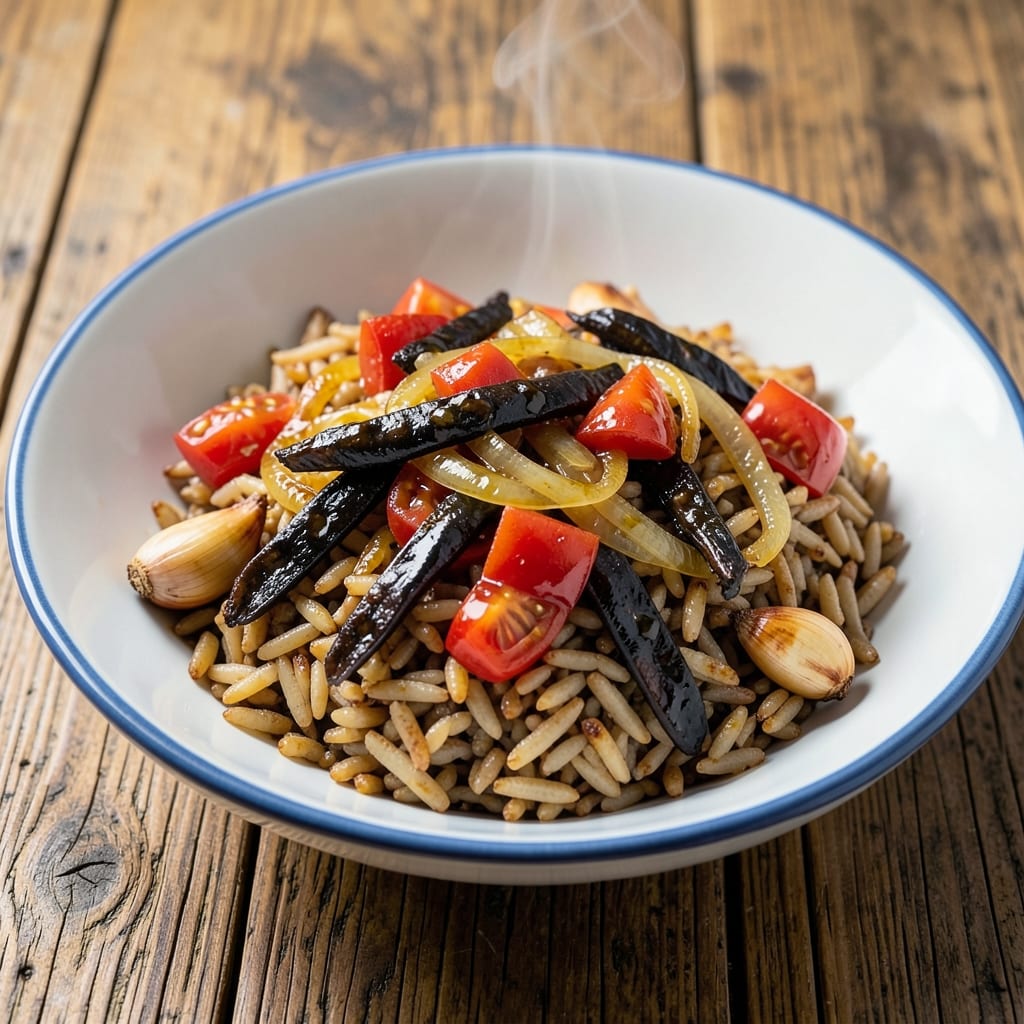
This anchovy rice recipe transforms simple ingredients into a deeply flavorful one-pot dish with crispy edges and layers of umami. The secret lies in balancing salty anchovies with aromatic garlic, onions, and tomatoes—creating a sauce that clings to every grain. I developed this after craving restaurant-quality Spanish arroz con anchoas without the fuss of multiple pans.
The beauty of this method is how the anchovies dissolve into the rice, infusing it with savory depth while keeping the texture perfectly tender. Brown rice works best for its nutty base, but white rice delivers faster results. A splash of white wine or broth at the end elevates the dish, turning it into a restaurant-worthy meal with minimal effort.
What you’ll end up with is golden, crispy-edged rice at the bottom of the pot—where the flavors concentrate—paired with tender grains infused with anchovy richness. The aroma alone will have everyone at the table anticipating the first bite. This is the kind of dish that feels indulgent but comes together in one pot with just 30 minutes of active time.
Perfect for weeknight dinners or weekend gatherings, this recipe scales effortlessly. Serve it as a main with grilled fish or shrimp, or let it shine as a standalone dish. The crispy edges add texture contrast that keeps every bite exciting. Let’s make this umami-packed rice!
Ingredients for anchovy rice
The perfect balance of umami, texture, and simplicity for one-pot anchovy rice with restaurant-quality crispy edges.
| Ingredient | Amount | Notes |
|---|---|---|
| Long-Grain Brown Rice 🍚 | 1 ½ cups | Uncooked, rinsed thoroughly |
| Canned Anchovy Fillets 🐟 | 4 oz | High-quality, oil-packed preferred |
| Yellow Onion 🧅 | 1 whole | Diced into small pieces |
| Garlic Cloves 🧄 | 4 cloves | Minced finely for depth |
| Canned Diced Tomatoes 🍅 | 1 cup | San Marzano preferred, no salt added |
| Dry White Wine 🍷 | ½ cup | Sauvignon Blanc or Pinot Grigio |
| Chicken or Vegetable Broth 💧 | 1 cup | Low-sodium preferred |
| Extra-Virgin Olive Oil 🫒 | 2 tbsp | For initial sautéing |
| Tomato Paste 🍅 | 2 tbsp | Squeeze tube preferred |
| Fresh Parsley 🌿 | ¼ cup | Chopped finely for garnish |
| Lemon Juice 🍋 | 1 tbsp | Freshly squeezed |
| Diamond Crystal Kosher Salt 🧂 | 1 tsp | For seasoning |
| Ground Black Pepper 🌶️ | ½ tsp | Freshly ground |
| Smoked Paprika 🌶️ | ½ tsp | For subtle smokiness |
Anchovies are the heart of this dish—high-quality oil-packed fillets from Trader Joe's or Whole Foods make all the difference. Look for brands with minimal additives; the richer the flavor, the better. The brown rice takes longer but delivers that nutty depth that white rice can't match. If you're short on time, swap for long-grain white rice, but don't skip rinsing it first—this removes excess starch and prevents mushiness. For the tomatoes, San Marzano cans are worth the investment—they're sweeter and more consistent than store brands.
No white wine? Dry vermouth or extra broth works in a pinch, though wine adds that subtle acidity that cuts through the richness. Fresh garlic is non-negotiable here—jarred minced garlic lacks the punch. If you must use jarred, double the amount and toast it in the oil first. The tomato paste can be skipped, but it adds a concentrated depth that ties everything together. For extra umami without anchovies, 1 tbsp soy sauce or fish sauce does the trick. And if you're avoiding gluten, ensure your broth is certified gluten-free—some brands use barley-based additives.
This rice tastes even better the next day, so make extra. Store leftovers in an airtight container for up to 4 days in the fridge, or freeze for 3 months in a sealed bag. To reheat, add a splash of broth and cover—this prevents drying. The crispy edges are all about technique: use a heavy-bottomed pot and let it toast undisturbed for the first 5 minutes. For a restaurant-style finish, broil the rice for 2-3 minutes at the end, watching closely to avoid burning. Garnish with fresh parsley right before serving—it brightens the whole dish.
Why You'll Love This Recipe
- Pantry Magic: I swear by this one—no fresh herbs, no fancy prep. Just brown rice, a can of anchovies, and a few pantry staples that somehow turn into something ridiculously good. That salty, umami punch from the anchovies? It’s the secret weapon here.
- Umami Bomb: Between us, I didn’t think anchovies could be this good until I tried them in rice. The garlic and onions caramelize into something sweet and sticky, while the tomatoes add just enough tang to balance the salt. It’s the kind of flavor that lingers—like a hug for your taste buds.
- Meal Prep MVP: This rice keeps for days in the fridge, and honestly? It tastes even better the next day. Pack it for lunch, serve it with grilled fish, or just eat it straight from the pot. It’s the ultimate lazy-day side that still feels special.
- Budget Win: Brown rice is cheap, canned tomatoes are cheap, and anchovies? A whole can costs less than a fancy spice blend. For under $5, you get a meal that feeds four and leaves you feeling like you cooked something gourmet. (Yes, even on a Tuesday night.)
Step-by-step instructions for anchovy rice with crispy edges
Master this technique for perfectly balanced umami flavor and textured rice every time.
Sauté Aromatics and Anchovies Until Deeply Flavorful
Heat the 2 tablespoons extra-virgin olive oil in a heavy-bottomed pot over medium heat. Add the 1 whole yellow onion and cook for 5 minutes until softened but not browned. This foundational step develops sweetness that balances the anchovies' intensity.
Push the onions to the side and add the 4 cloves minced garlic, 0.5 teaspoon smoked paprika, and 0.5 teaspoon ground black pepper. Stir for 30 seconds until fragrant—this prevents burning while building flavor complexity. Then add the 4 ounces anchovy fillets, crushing them with a wooden spoon. Cook for 2 minutes until the anchovies dissolve completely into the oil, creating a rich, salty base. Here's where the umami magic happens: don't rush this step or you'll miss the depth of flavor.
Build the Tomato-Wine Sauce Base
Add the 2 tablespoons tomato paste and stir vigorously for 1 minute to cook out the raw taste. Pour in the 0.5 cup dry white wine and scrape up any browned bits from the bottom of the pot—this deglazing captures all the flavor you've built. Simmer for 3 minutes until the wine reduces by half and becomes slightly syrupy.
Stir in the 1 cup canned diced tomatoes and 1 cup chicken or vegetable broth, bringing the mixture to a gentle simmer. The tomatoes should soften slightly but maintain their shape. Season with the 1 teaspoon Diamond Crystal kosher salt and let the sauce cook uncovered for 5 minutes until it thickens slightly. This step ensures your rice absorbs a flavorful broth rather than plain water.
Toast the Rice for Perfect Texture
Add the 1.5 cups long-grain brown rice, stirring gently to coat each grain with the sauce. Increase heat to medium-high and let the rice toast for 2 minutes, stirring constantly. The goal is to develop a light crust on the grains while preventing sticking. This toasting step is what creates those crispy edges you're after—don't skip it or your rice will turn out mushy.
Pour in just enough hot water to cover the rice by ½ inch (about 2 cups). Stir once, then immediately reduce heat to low and cover the pot with a tight-fitting lid. The rice will absorb the liquid slowly and evenly, developing its characteristic nutty flavor and firm texture. Resist the urge to peek or stir—this disrupts the even cooking process.
Simmer to Crispy Perfection
Cook the rice uncovered for 30 minutes on low heat, stirring once gently to prevent sticking. The edges should begin to develop a slight crispness while the center remains tender. After 30 minutes, stir in the 1 tablespoon lemon juice and 0.25 cup chopped fresh parsley, reserving some for garnish. The acidity brightens the dish while the parsley adds fresh contrast to the rich umami flavors.
Continue cooking uncovered for another 10-15 minutes until the liquid has mostly evaporated and the rice reaches your desired texture. The final test is simple: lift a grain with a fork—it should be firm with a slight resistance but still tender. If it's too wet, uncover and cook 2-3 minutes longer. This final step transforms good rice into exceptional rice with proper texture contrast.
Pro Tips For Making Anchovy Rice
- SOAK THE BROWN RICE: I learned this the hard way—skipping the soak means your rice will turn out chewy instead of tender. Toss 1 cup of long-grain brown rice in 2 cups of water (yes, less than white rice) and let it sit for at least 30 minutes before cooking. The starch breaks down faster, and you’ll end up with fluffy, not gummy, grains.
- CRUSH THE ANCHOVIES: Don’t just chop those fillets—give them a proper mash with the flat of your knife or the back of a spoon. This releases more flavor into the oil, and you’ll taste it in every bite. I used to just dice them, and the dish always felt flat until I tried this.
- SWEAT THE ONIONS LOW: Crank the heat to medium-low when cooking the onions—high heat burns them before they soften. You want them translucent and sweet, not browned or bitter. This is where the base flavor lives, so take your time (about 5-7 minutes) unless you’re in a rush.
- SAVE THE TOMATO JUICE: After draining the diced tomatoes, don’t pour out the juice—strain it through a fine-mesh sieve to remove any floating bits, then reserve it. Stir it into the rice at the end; it adds depth and balances the saltiness of the anchovies without making the dish watery. I skip this step half the time, and the dish is noticeably less rich.
Pro cooking tips for this dish
Anchovy Toasting Secrets
Never skip the anchovy toasting step—this is where the umami magic happens! Crush the 4 oz anchovy fillets directly in the hot oil with a wooden spoon until they fully dissolve (2 minutes). The heat breaks down their proteins, creating a rich, salty base that coats every grain. I like to use Trader Joe's oil-packed anchovies because they melt smoothly without grit. If your anchovies are saltier than usual, reduce the added salt to ½ teaspoon instead of 1 teaspoon later. 🔥
Wine Reduction Mastery
The wine reduction is non-negotiable for balancing flavors. After adding the 0.5 cup white wine, let it simmer uncovered until it reduces by half (3 minutes). This concentrates the alcohol's heat and the wine's acidity, which cuts through the anchovies' saltiness. I prefer Sauvignon Blanc for its crisp finish, but Pinot Grigio works too. Pro tip: Use a heavy-bottomed pot to prevent scorching—this is where many home cooks go wrong. 🍷
Rice Toasting Technique
Toast your 1.5 cups brown rice for exactly 2 minutes on medium-high heat after adding it to the pot. This creates those coveted crispy edges at the bottom while keeping the center tender. Stir constantly to prevent burning, and listen for a subtle sizzling sound—this tells you the starch is activating. If your rice sticks, you've gone too long. Brown rice needs more time than white, so don't rush this step. ⏱️
Liquid Ratio Precision
Use just enough water to cover the rice by ½ inch—about 2 cups for brown rice. Too much liquid will steam the rice instead of toasting it, while too little risks burning. I like to use a measuring cup with spouts to pour water directly into the pot while stirring. For white rice, reduce water by ¼ cup since it absorbs faster. The key is patience: let the rice sit covered on low heat for 30 minutes without peeking. 💧
Acid Balance Finish
Finish with 1 tablespoon lemon juice and ¼ cup parsley in the last 10 minutes of cooking. The acidity brightens the dish while the parsley adds freshness that cuts through the anchovies' salt. Taste before serving—you may need to adjust seasoning. For extra depth, add a pinch of red pepper flakes if you love heat. The lemon juice also helps prevent the rice from becoming too heavy, keeping each grain distinct. ✨
Broil for Crispy Edges
For restaurant-style crispy edges, transfer the rice to a baking dish and broil for 2-3 minutes at the end. Watch closely—broilers vary! The edges should turn golden brown while the center stays tender. This step adds dramatic texture contrast that makes the dish feel special. If your oven lacks a broiler, use the highest oven setting and place the dish on the top rack. 🔥
Nutrition facts
Frequently asked questions
Can I substitute anchovy paste for fillets in this recipe?
Yes, but adjust the amount carefully. Use 1 tablespoon anchovy paste instead of 4 oz fillets, as paste is more concentrated. Mix it with 1 teaspoon water first to thin it out, then proceed with the recipe. The texture will be slightly smoother, but the umami punch remains strong.
What's the best rice variety for this dish?
Long-grain brown rice works best for its nutty flavor and firm texture, but you can use white rice for faster cooking (20 minutes instead of 40). For extra crispy edges, try arborio rice—it absorbs liquid differently and creates a creamy, toasted crust. Just reduce water by ¼ cup if using white rice.
How do I prevent the rice from getting mushy?
Never peek under the lid while cooking! Stirring releases starch that makes rice gummy. Also, use a heavy-bottomed pot and maintain low heat after covering. If your rice is still too wet after 30 minutes, uncover and cook 2-3 minutes longer, stirring gently. For brown rice, the extra cooking time is key—don't rush it.
Can I make this dish ahead of time?
This rice tastes even better the next day. Store leftovers in an airtight container for up to 4 days in the fridge. Reheat gently with 2 tablespoons broth to restore moisture. For freezing, portion into single servings and freeze for up to 3 months. Thaw overnight in the fridge before reheating.
What are good side dishes to serve with anchovy rice?
Pair it with grilled fish or shrimp to complement the anchovies' briny notes, or serve with a simple green salad and crusty bread. For a Mediterranean twist, add roasted eggplant or zucchini. The acidity from lemon in the rice balances rich sides perfectly. Keep portions light—this dish is flavorful enough to stand alone!