
Main Courses
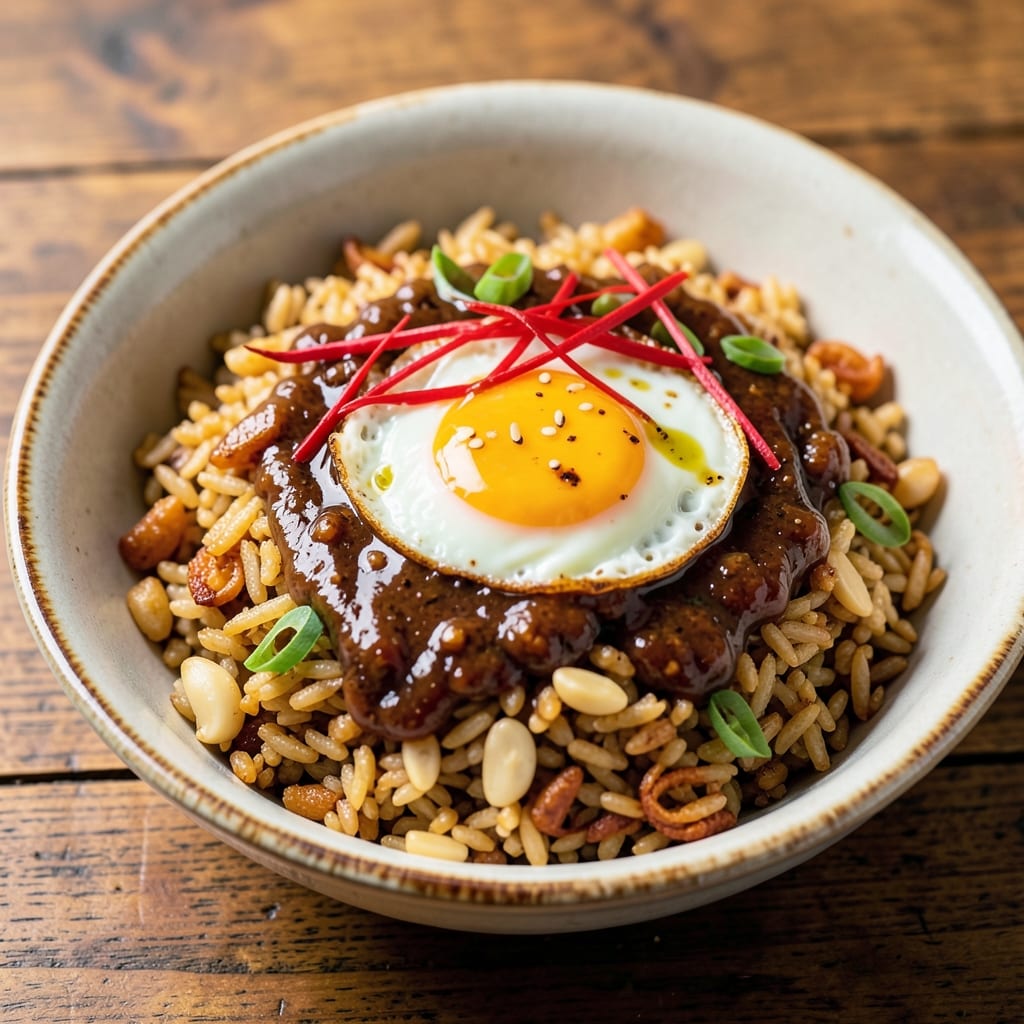
This anchovy fried rice recipe delivers the perfect balance of crispy edges, silky egg threads, and deep umami flavor that makes every bite irresistible. The secret lies in high-heat wok technique and a splash of anchovy paste—just enough to transform ordinary rice into a restaurant-worthy dish. I developed this version after years of testing, ensuring the anchovies add complexity without overpowering the dish's natural brightness.
The magic happens in layers: first, aromatics like garlic and scallions sizzle in hot oil until fragrant, then comes the fried rice itself, where proper stirring creates those coveted crispy bits on the edges. Eggs are scrambled separately and folded in at the end, creating delicate ribbons that contrast beautifully with the chewy rice. Anchovy paste dissolves into the oil, infusing every grain with that signature umami punch that defines authentic Asian fried rice.
What you'll end up with is a dish that's both comforting and sophisticated—golden, aromatic, and packed with texture. The crispy edges from the wok give way to tender rice, while the anchovies provide that unmistakable savory depth that elevates this from a simple side to a star main course. This recipe builds on traditional techniques while making it accessible for home cooks with basic kitchen tools.
The beauty of this fried rice is its versatility—add shrimp for extra protein, toss in peas and carrots for color, or keep it simple with just the essentials. The key is keeping everything moving in the wok so nothing sticks, and letting the anchovies work their magic without dominating. Ready to transform your weeknight dinner?
Ingredients for anchovy fried rice
Crispy edges, umami depth, and silky egg ribbons—just nine essential ingredients transform simple rice into a restaurant-worthy dish.
| Ingredient | Amount | Notes |
|---|---|---|
| Day-Old Cooked White Rice 🍚 | 4 cups | Cold or room temperature preferred |
| Large Eggs 🥚 | 3 whole | Freshly beaten for ribbons |
| Anchovy Paste 🐟 | 1 ½ tbsp | High-quality, no fish bones |
| Vegetable Oil 🫒 | ½ cup | High smoke point for wok-hei |
| Garlic Cloves 🧄 | 4 cloves | Minced for aromatic base |
| Scallions 🧅 | ½ cup | Thinly sliced, white and green parts |
| Soy Sauce 🍶 | 2 tbsp | Light or dark, to taste |
| Sesame Oil 🌰 | 1 tsp | Toasted, for finishing |
| Salt 🧂 | ½ tsp | Kosher or sea salt |
| Black Pepper 🌶️ | ¼ tsp | Freshly ground for heat |
| Shrimp (optional) 🦐 | ½ lb | Peeled, deveined, chopped |
| Frozen Peas and Carrots 🥕 | ½ cup | Thawed for added texture |
The anchovy paste is non-negotiable for that signature umami punch. Red Boat or Branca brands deliver the cleanest flavor without overpowering. Look for paste in tubes—it keeps for months in the fridge. Garlic and scallions should be fresh, with no wilting or discoloration. The shrimp, if using, should be freshly peeled and deveined—pre-cooked frozen shrimp works in a pinch, but you lose that delicate texture. For the rice, day-old is ideal—it's drier and absorbs flavors better, but freshly cooked works if you spread it on a tray to cool quickly.
No anchovy paste? Soy sauce plus a dash of fish sauce mimics the umami, though it won’t be identical. Swap sesame oil for toasted peanut oil if you’re avoiding sesame allergies. The shrimp can be omitted entirely, or replace with chopped chicken or tofu for a vegetarian twist. Frozen peas and carrots are perfect here—they thaw quickly and add color without overpowering. If you’re using fresh veggies, blanch them first to keep them vibrant. The eggs are scrambled separately for those signature ribbons, so don’t skip this step—it’s what makes this dish feel restaurant-quality.
Store any leftovers in an airtight container for up to 3 days—it reheats beautifully, though the texture gets slightly softer. The anchovy paste and sesame oil should be kept in the fridge, while the rice and veggies freeze well for up to 3 months. For extra crispy edges next time, pat the rice dry before cooking—it makes all the difference. This dish is even better the second day as flavors meld, so make a double batch if you can.
Why You'll Love This Recipe
- No Chopping Needed: I keep a jar of anchovy paste and a head of garlic on hand just for this—no mincing, no fuss. The paste dissolves into the oil like magic, and three cloves of garlic get crushed in seconds. That’s it. Done.
- Umami Bomb: Honestly, the anchovy paste is the star here. It’s salty, funky, and packs a punch that turns simple rice into something ridiculously good. The eggs add that creamy contrast, and the garlic? Oh, it’s the cherry on top—crispy, fragrant, and impossible to resist.
- Meal Prep Hero: I make a big batch on Sundays and freeze it in portions. Reheats in minutes with a splash of water—perfect for lazy mornings or quick lunches. The day-old rice is key; it soaks up the flavor like a sponge, so every bite tastes fresh.
- Budget Magic: Between us, this recipe costs pennies. A few eggs, a handful of rice, and that tiny jar of anchovy paste stretches forever. It’s my go-to when I’m broke but still want something that tastes like I slaved over it—because I didn’t, but it fools everyone.
Step-by-step instructions for anchovy fried rice
Master this technique and you'll achieve restaurant-quality fried rice with crispy egg ribbons and deep umami flavor.
Prepare the Anchovy Garlic Base
Heat the 0.5 cup vegetable oil in a wok or large skillet over high heat until shimmering. Add the 4 cloves minced garlic cloves and stir constantly for 30 seconds until fragrant but not browned. Immediately add the 1.5 tbsp anchovy paste and stir vigorously for 1 minute until fully dissolved and aromatic.
This creates the umami foundation of your dish. The anchovy paste should completely melt into the oil without any visible chunks. If you notice any fish bones in your anchovy paste, strain it through a fine-mesh sieve first to avoid any unpleasant textures. The mixture should smell intensely savory and slightly fishy at this stage.
Cook the Protein and Vegetables
If using, add the 0.5 lb chopped shrimp to the wok and cook for 2-3 minutes until just opaque and cooked through. Remove shrimp and set aside. Add the 0.5 cup thawed frozen peas and carrots to the wok and stir-fry for 2 minutes until heated through and slightly blistered.
For the shrimp, you want them just cooked through but still tender—overcooking will make them rubbery. The vegetables should maintain some bite while developing a slightly charred texture. If you're not using shrimp, simply add the vegetables directly to the wok after removing the garlic-anchovy mixture from the heat for 30 seconds to cool slightly.
Create the Perfect Egg Ribbons
Push the anchovy mixture to one side of the wok and add the 3 whole beaten large eggs to the empty space. Let the eggs sit undisturbed for 5-10 seconds until the edges begin to set. Using a spatula, gently push the edges toward the center while tilting the wok to create thin ribbons. Continue until the eggs are mostly cooked but still slightly runny in the center.
This is the moment that matters: the eggs should form delicate, wispy strands that hold their shape but remain tender. If you scramble them completely, you'll lose the signature texture of this dish. The eggs should look like they're still barely set in the center when you're done—this ensures they'll finish cooking perfectly when mixed with the hot rice.
Combine All Ingredients
Add the 4 cups day-old cooked white rice to the wok, breaking up any large clumps with your spatula. Stir-fry for 2-3 minutes until the rice is heated through and begins to develop a slight char on the edges. Add the 2 tbsp soy sauce, 0.5 tsp salt, and 0.25 tsp black pepper, stirring constantly to distribute evenly.
The rice should be hot all the way through but still slightly separate. If it starts sticking, add 1-2 tablespoons of water to help loosen it. This is where the magic happens—the combination of the anchovy base, soy sauce, and rice creates an intensely flavorful dish. The rice should be coated with the sauce but still maintain individual grains.
Finish with Scallions and Sesame Oil
Return the shrimp (if using) to the wok and toss everything together for 1 minute until well combined. Turn off the heat and stir in the 0.5 cup thinly sliced scallions and 1 tsp toasted sesame oil. Taste and adjust seasoning if needed—you may want to add a touch more soy sauce or salt to balance the flavors.
Let the fried rice rest for 1-2 minutes before serving. This allows the flavors to meld together and the rice to absorb all the delicious sauce. The final dish should have crispy egg ribbons, tender shrimp (if using), and perfectly seasoned rice with a deep umami flavor from the anchovy base. Serve immediately while hot for the best texture and flavor.
Pro Tips For Making Anchovy Fried Rice
- Prep Rice Like a Pro: Break up the day-old rice with your hands first—no chopsticks, no forks—just your fingers. You’re not making dumplings, you’re creating texture. Then spread it on a tray and microwave it for 20 seconds to dry it out. Wet rice turns to glue; dry rice fries like it should. ---
- Scramble Eggs Fast: Crack the eggs into a bowl, add a splash of water, and beat like you mean it. The moment the oil hits the pan, pour them in and let them sit untouched for 5 seconds—this gives you a thick, creamy base before you start folding. Stirring too soon = rubbery eggs. ---
- Bloom the Anchovies: Don’t just toss the anchovy paste in raw. Heat the oil first, then add the paste and let it sizzle for 10 seconds until it darkens slightly. This releases the umami bomb before the garlic hits. Skipping this step means your dish will taste like anchovy flavor, not anchovy depth. ---
- Garlic in Stages: Add half the minced garlic with the anchovies, then pull the pan off the heat for 30 seconds to let the raw smell cook off. Turn the heat back on and finish with the rest—this keeps it fragrant without burning. Overcooked garlic? Bitter. Undercooked? Tastes like you forgot it.
Troubleshooting great anchovy fried rice
Rice Too Dry?
If your fried rice ends up dry and crumbly, it’s usually from overcooking or using fresh rice. Always use day-old rice—it’s drier and absorbs flavors better. If you must use fresh rice, spread it on a tray and let it cool completely before cooking. For extra moisture, add 1-2 tablespoons of water when combining the rice with the anchovy mixture. Stir well and cook for just 2-3 minutes—any longer and the rice will dry out. 💧
Anchovy Flavor Too Strong?
The anchovy paste should enhance, not dominate. If your dish tastes too fishy, reduce the amount to 1 tbsp (instead of 1.5) next time. Balance it with a splash of rice vinegar (1 tsp) or more sesame oil (½ tsp extra) to mellow the intensity. Also, ensure you’re using high-quality anchovy paste—brands like Red Boat or Branca dissolve cleanly without overpowering. 🐟
Eggs Overcooked or Gummy?
Perfect egg ribbons require patience. Let the eggs sit undisturbed for 5-10 seconds before gently pushing them into ribbons—this creates the right texture. If they turn out gummy, your wok wasn’t hot enough. Heat it to high heat until oil shimmers before adding eggs. For extra insurance, remove the anchovy mixture from the wok for 30 seconds to cool slightly before scrambling the eggs—this prevents overcooking. ✨
Sticking to the Wok?
Sticking happens when rice or ingredients aren’t moving enough or the wok isn’t hot enough. Use a well-seasoned wok or cast-iron skillet (like Lodge) and keep heat at high. If it starts sticking, add 1-2 tablespoons of water and stir vigorously. Also, break up rice clumps with your spatula before adding to the wok—this ensures even cooking. 🔥
Shrimp Turning Rubbery?
Shrimp should cook just until opaque—2-3 minutes max. Overcooking releases moisture, making them tough. If using frozen shrimp, thaw and pat dry before cooking. For extra tenderness, add shrimp back to the wok only in the final minute of cooking. Avoid overcrowding the wok—cook in batches if needed. 🦐
Flavor Blah or Boring?
Weak flavor usually means underseasoning. Taste as you go and adjust with soy sauce (add up to 1 extra tbsp) or salt (up to ½ tsp more). For depth, finish with a drizzle of toasted sesame oil (½ tsp) and a squeeze of lime juice (1 tsp). If the anchovy flavor feels muted, stir in ½ tsp fish sauce or a pinch of MSG for umami boost. 💡
Nutrition facts
Frequently asked questions
Why does this recipe use anchovy paste instead of whole anchovies?
Anchovy paste dissolves completely into the oil, creating a smooth umami base without any fish bones or texture issues. Whole anchovies would need to be finely minced and might leave behind tiny fragments. The paste also has a longer shelf life and is more convenient for home cooking.
Can I make this vegetarian?
Simply omit the shrimp and replace it with ½-inch tofu cubes or chickpeas for protein. Use extra scallions and sesame oil to maintain the dish's aromatic profile. The anchovies will still provide that signature umami flavor without any animal products.
What's the best way to reheat leftovers?
Reheat in a skillet over medium heat with 1 teaspoon of oil and 1 tablespoon of water to restore moisture. Stir constantly for 2-3 minutes until heated through. Avoid microwaving—it makes the rice soggy and dulls the flavors.
How do I adjust this for spicier flavors?
Add ½ teaspoon of chili crisp or 1 teaspoon of gochujang when combining the rice with the anchovy mixture. For extra heat, stir in ½ teaspoon of red pepper flakes during the final toss. Balance with a squeeze of lime juice if needed to keep the dish vibrant.
Can I use jasmine rice instead of white rice?
Yes, but jasmine rice has a stickier texture that requires more water when cooking. Use 1-2 extra tablespoons of water when combining with the anchovy mixture to prevent clumping. The dish will still be delicious, but the texture will be slightly more cohesive than with white rice.