
Main Courses
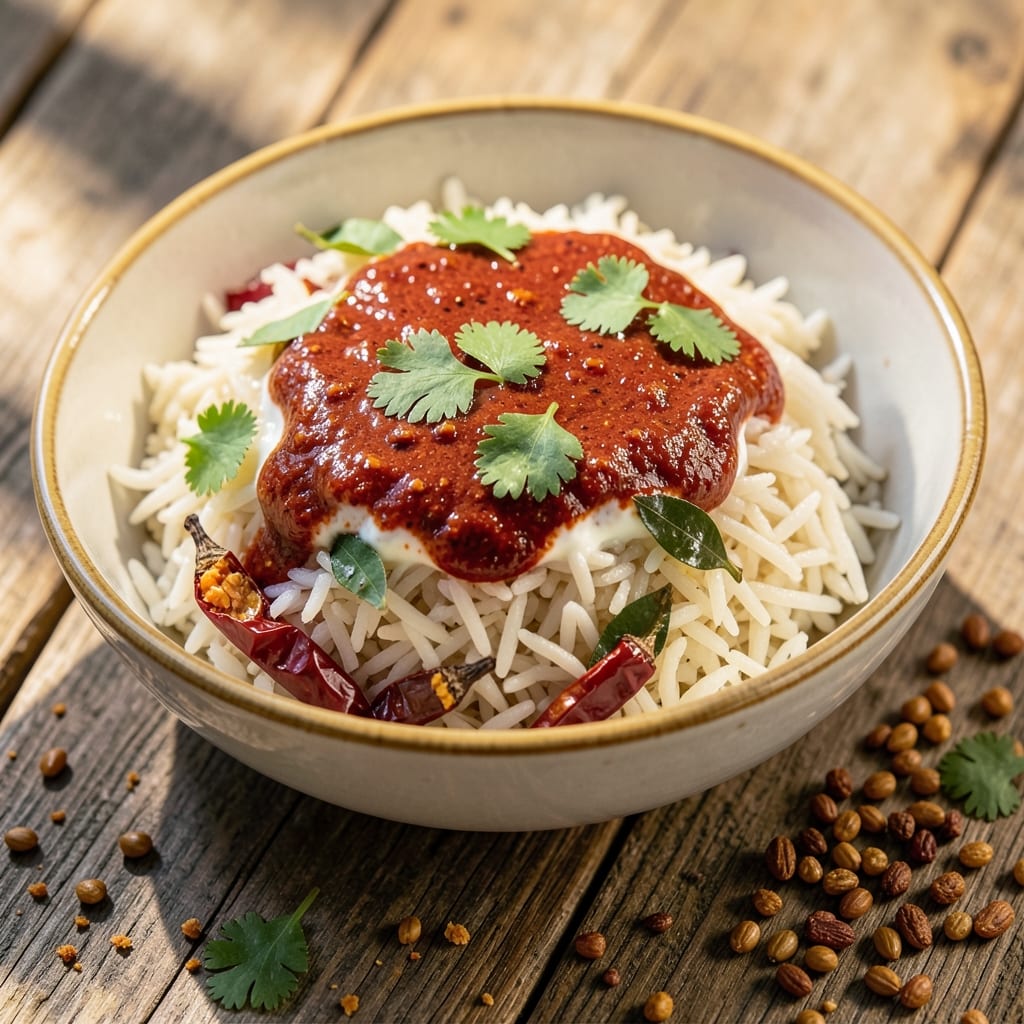
This amchur rice recipe transforms simple basmati rice into a vibrant, tangy masterpiece that balances creamy yogurt and the distinctive zing of dried mango powder. The secret lies in perfectly tempered spices—mustard seeds, curry leaves, and asafoetida—that infuse every grain with aromatic warmth. I developed this version after years of testing, ensuring the rice stays fluffy while absorbing the bright, complex flavors that define Indian home cooking.
The dish begins with parboiled basmati rice simmered in a yogurt-infused broth, where the tanginess of curd and the subtle sweetness of amchur create an irresistible contrast. A delicate tempering of spices—mustard seeds, dried red chilies, and curry leaves—adds layers of depth, while a final garnish of fresh cilantro and a sprinkle of amchur powder elevates the dish to restaurant-quality perfection. What you'll end up with is a fragrant, visually striking plate that's both comforting and sophisticated.
This recipe delivers restaurant-quality results with minimal effort—ideal for special occasions or weeknight dinners when you crave bold flavors without the fuss. The yogurt base keeps the rice moist and flavorful, while the amchur powder provides that signature tangy kick that makes this dish unforgettable. Serve it with a cooling cucumber raita or a simple dal for a complete, satisfying meal.
What sets this version apart is the balance of textures and flavors: the creamy rice, the tangy amchur, and the aromatic tempering spices. Each bite offers a harmonious blend of sweet, sour, and savory notes, making it a crowd-pleaser that's both impressive and approachable. Ready to master this classic? Let's get started.
Ingredients for amchur rice
Simple ingredients, bold flavors—this dish delivers restaurant-quality amchur rice every time.
| Ingredient | Amount | Notes |
|---|---|---|
| Basmati Rice 🍚 | 1 ½ cups | Uncooked, long-grain preferred |
| Plain Yogurt 🥛 | 1 cup | Full-fat for creaminess |
| Amchur Powder 🍇 | 2 tbsp | Dried mango powder, key flavor |
| Mustard Seeds 🌿 | 1 tsp | Whole, for tempering |
| Curry Leaves 🌿 | 8 whole | Fresh, slightly crushed |
| Dried Red Chilies 🌶️ | 2 pieces | Kashmiri for color, mild heat |
| Asafoetida Powder 🌿 | ¼ tsp | Essential for aroma |
| Ghee 🧈 | 2 tbsp | For tempering, clarifies flavor |
| Fresh Cilantro Leaves 🌿 | ¼ cup | Chopped, for garnish |
| Green Chilies 🌶️ | 2 whole | Slit lengthwise, optional heat |
| Salt 🧂 | 1 tsp | Adjust to taste |
| Water 💧 | 3 cups | For parboiling rice |
| Lemon Juice 🍋 | 1 tbsp | Fresh, for brightness |
The amchur powder is non-negotiable—it's what gives this dish its signature tangy kick. Grab it from Indian grocery stores or online retailers like Patel Brothers or Spicewalla if you can't find it locally. If you're using a powdered version, sift it to avoid lumps—it dissolves better that way. For the curry leaves, fresh is ideal (they're sold in little bundles at Indian markets), but dried leaves in a jar work in a pinch. The mustard seeds should pop when heated—if they burn, your heat's too high. Ghee is worth splurging on for the tempering; Amul or Gowardhan are reliable brands if you're shopping in the Indian section.
No amchur powder? Substitute with a mix of lemon juice and sugar—start with 1 tbsp lemon juice and 1 tsp sugar per 2 tbsp amchur called for, then adjust to taste. Fresh curry leaves unavailable? Dried curry leaf powder works at half the amount, but the flavor won't be identical. The green chilies can be swapped for Kashmiri red chilies if you prefer milder heat. For the yogurt, Greek yogurt works better than regular yogurt—it's thicker and adds more creaminess. If you're making this ahead, add the lemon juice just before serving to keep the rice from getting too tangy too soon.
Rice stays best for 2-3 days in the fridge, though the flavors deepen overnight—reheat gently with a splash of water to restore moisture. The tempering spices lose potency after 5-6 days, so I recommend making fresh batches if you're serving this as a centerpiece. Freeze portions without the garnish for up to 3 months—just thaw and reheat with a quick tempering of mustard seeds and curry leaves. For extra restaurant flair, serve in a clay pot or banana leaf if you're feeling fancy.
Why You'll Love This Recipe
- Tangy in Minutes: I swear by the yogurt trick—just soak the rice in it for 20 minutes, and the grains stay fluffy while the amchur powder infuses that bright, citrusy kick. No fancy equipment, no waiting hours.
- Flavor Bomb: That first bite? The mustard seeds crackle, curry leaves perfume the air, and the amchur powder hits like a zesty punch. Honestly, it’s the kind of dish that makes you pause mid-bite just to savor it.
- Lunchbox Hero: Pack it cold for work or school—it reheats beautifully and still tastes fresh. My kids actually finish their lunches when this is in there. (Yes, even the picky eater.)
- Pantry Staple: Uses ingredients you already have: rice, yogurt, and a tiny jar of amchur powder that lasts forever. Between us, this is my go-to when I’m too tired to shop or too broke to order in.
Step-by-step instructions for amchur rice with yogurt and tangy mango
Here's how to transform simple basmati rice into a vibrant, tangy masterpiece with just a few key techniques.
Parboil the Rice for Perfect Texture
Rinse the 1.5 cups basmati rice under cold water until the water runs clear—this removes excess starch and prevents gummy rice. In a pot, combine the rinsed rice with the 3 cups water and bring to a boil over high heat. Once boiling vigorously, reduce heat to medium-low and let it simmer uncovered for 10 minutes—you want the rice to be 80% cooked but still firm to the bite.
The parboiling step is crucial—it creates the perfect foundation for the yogurt and amchur flavors to shine later. You'll know it's ready when the rice grains are translucent at the edges but still have a slight bite in the center. Drain immediately in a colander and spread the rice on a tray to stop further cooking while you prepare the tangy base.
Temper the Yogurt Base with Ghee and Spices
In a small pan, heat the 2 tbsp ghee over low heat until it melts completely. Add the 1 tsp mustard seeds and let them splutter for 30 seconds—this releases their nutty aroma. Toss in the 2 pieces dried red chilies and 8 whole curry leaves, cooking for another 30 seconds until the chilies darken slightly and the leaves turn fragrant.
Immediately pour this spiced ghee into the 1 cup plain yogurt while stirring constantly. The heat will temper the yogurt gently, creating a smooth, velvety texture without curdling. Stir in the 2 tbsp amchur powder and 0.25 tsp asafoetida powder, mixing until fully dissolved. This is where the signature tangy brightness comes from—don't skip this step, as it's the heart of the dish.
Combine Rice and Yogurt Mixture
Gently fold the 80% cooked rice into the tempered yogurt mixture using a wooden spoon or clean hands. Work in batches if needed to ensure even distribution of the yogurt throughout the rice grains. The goal is to coat each grain lightly without making the rice mushy—just enough to absorb the flavors without turning it into a porridge.
Transfer the mixture to a heavy-bottomed pot or deep skillet. Add the 1 tbsp lemon juice and 1 tsp salt, then stir gently. The lemon juice brightens the dish while balancing the richness of the yogurt. Cover with a tight-fitting lid and cook on low heat for 10 minutes, allowing the residual heat to finish cooking the rice while absorbing all those tangy flavors.
Finish with Fresh Herbs and Green Chilies
Once the rice is fully cooked and tender, remove from heat and let it sit covered for 5 minutes. This resting period allows the flavors to meld perfectly. Before serving, fluff the rice gently with a fork and fold in the 0.25 cup chopped fresh cilantro leaves and 2 slit green chilies. The herbs add a fresh contrast to the tangy yogurt and dried mango powder, while the green chilies introduce a subtle heat that complements the dish.
For the best texture, serve immediately while the rice is still warm. The contrast between the creamy yogurt, the bright amchur, and the fluffy rice creates a restaurant-quality dish that's surprisingly simple to make. Pair it with raita or grilled meats for a complete meal experience.
Pro Tips For Making Amchur Rice
- Soak Rice for 20 Minutes: The yogurt in this dish makes the rice tender faster, but don’t skip soaking entirely—20 minutes in warm water prevents mushiness. I learned this after a batch turned into gluey rice because I rushed it.
- Bloom Spices in Oil: Mustard seeds and curry leaves need 30 seconds in hot oil before adding anything else—this releases their flavor fully. Skip this, and your rice will taste flat, no matter how much amchur you use.
- Use Warm Yogurt: Cold yogurt curdles when it hits hot rice, making the dish taste sour and uneven. Heat the yogurt slightly (just until it’s hand-warm) before mixing it in—trust me, the texture stays smooth.
- Balance Amchur Carefully: Start with 1 teaspoon, taste, then adjust—amchur’s tang lingers. I’ve ruined batches by overdoing it, thinking more would taste better. Less is more; you can always add a pinch later.
Troubleshooting perfect results
Rice Overcooked?
If your rice turns out mushy, you likely overcooked it during the final 10-minute simmer. The key is to parboil the rice to 80% doneness—test by tasting a grain after 10 minutes of simmering. It should be firm but translucent at the edges. For next time, reduce the final cooking time to 8 minutes and check frequently. Spread the rice on a tray after parboiling to cool faster and prevent overcooking. 🌡️
Yogurt Curdled?
Curds form when yogurt is heated too quickly or at too high a temperature. Always temper the yogurt by pouring the spiced ghee in a thin, steady stream while stirring constantly over low heat. If it curdles, whisk in 1 tbsp cold water to smooth it out. For extra insurance, chill the yogurt for 10 minutes before using, and avoid direct heat contact. 🥛
Lacking Tang?
The signature tang comes from the amchur powder and lemon juice. If your dish tastes flat, double-check you used 2 tbsp amchur powder (not amchur paste, which is stronger). Add an extra ½ tsp lemon juice at the end if needed. For a deeper tang, substitute 1 tsp amchur paste (adjust to taste) or add ½ tsp tamarind pulp for complexity. 🍋
Spices Burned?
Burnt spices ruin the dish’s delicate aroma. Keep the heat at low-medium when tempering mustard seeds and curry leaves—never high. If they start smoking, remove the pan from heat immediately. For a smoother tempering, use a heavy-bottomed pan (like a cast-iron skillet) to distribute heat evenly. 🔥
Dry or Crumbly Rice?
This usually means the yogurt wasn’t distributed evenly or the rice absorbed too much moisture. When folding the rice into the yogurt mixture, work in small batches to ensure each grain gets coated. If the rice still feels dry, add 2 tbsp warm water while mixing. For extra creaminess, stir in 1 tbsp melted ghee at the end. 💧
Amchur Not Dissolved?
Amchur powder can clump if not mixed properly. Sift the powder before adding it to the yogurt, then whisk vigorously until fully dissolved. If lumps remain, strain the mixture through a fine-mesh sieve before combining with rice. For a smoother texture, mix the amchur with 1 tsp cold water** into a paste before adding to the yogurt. 🍇
Nutrition facts
Frequently asked questions about amchur rice
What makes amchur rice different from regular basmati rice?
Amchur rice gets its signature tangy kick from dried mango powder (amchur) and yogurt, creating a bright, creamy flavor profile unlike plain basmati. The dish also features a delicate tempering of mustard seeds, curry leaves, and asafoetida that infuses every grain with aromatic warmth, making it far more flavorful than basic steamed rice.
Can I substitute amchur powder with something else?
Yes! If you can't find amchur powder, mix 1 tbsp lemon juice with 1 tsp sugar for every 2 tbsp amchur called for. For deeper tang, try ½ tsp tamarind pulp dissolved in warm water. The lemon-sugar combo mimics the sweet-sour balance of dried mango powder.
How do I prevent my amchur rice from becoming mushy?
Parboil the rice to only 80% doneness (about 10 minutes in boiling water), then drain and spread it on a tray to stop cooking. When combining with yogurt, fold gently in small batches to coat grains evenly. Avoid over-simmering during the final 10-minute cooking step—low heat is key!
What's the best way to store leftover amchur rice?
Store in an airtight container in the fridge for up to 3 days. Reheat gently with a splash of water to restore moisture, then finish with a quick tempering of mustard seeds and curry leaves. For longer storage, freeze portions (without garnish) for up to 3 months. The flavors actually improve overnight!
Can I make amchur rice without yogurt?
While yogurt creates the creamy texture, you can substitute with ½ cup coconut milk or ¼ cup heavy cream for richness. For tang, add an extra 1 tbsp lemon juice and ½ tsp vinegar. The dish will be lighter but still delicious—just less velvety.