
Main Courses
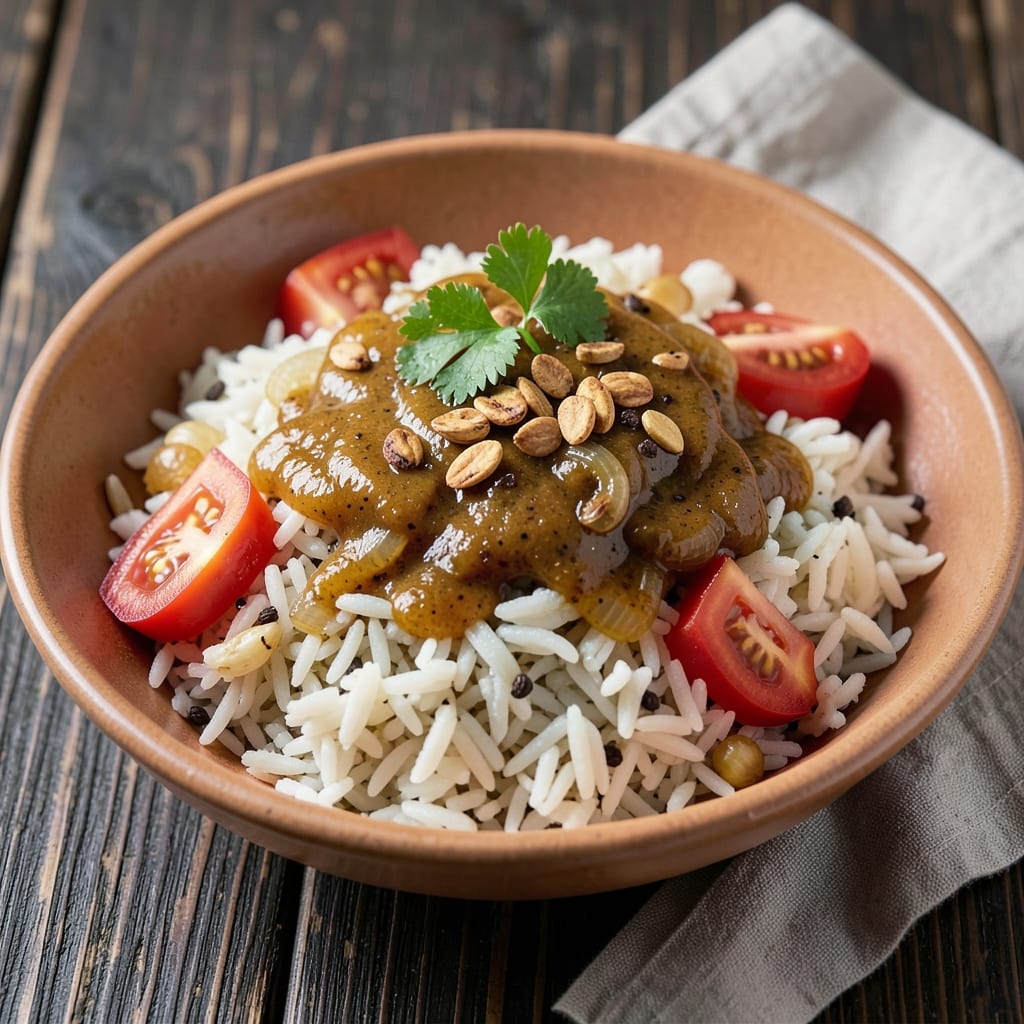
This achiote rice recipe transforms simple grains into a vibrant, smoky-spiced masterpiece with just one pot. The secret lies in achiote seeds—ground into a bright orange paste—that infuse the rice with earthy, slightly sweet depth while keeping the texture perfectly fluffy. I first discovered this technique while cooking Filipino arroz valenciana, and it quickly became my go-to for weeknight dinners that taste like a restaurant special.
The process is simpler than it sounds: toast the achiote seeds until fragrant, then blend them into a paste with oil to release their maximum flavor. This paste becomes the aromatic base for the rice, simmered in a rich broth until each grain is tender and infused with that signature smoky-spiced aroma. The result is a dish that’s as visually striking as it is delicious—golden, fragrant, and packed with layers of flavor.
What makes this recipe truly special is its versatility. Use it as a base for proteins like chicken or shrimp, or keep it vegetarian with sautéed vegetables. The one-pot method ensures minimal cleanup, while the deep, complex flavors make it feel like a celebration dish. Perfect for feeding a family or impressing guests, this achiote rice delivers restaurant-quality results with just a few simple ingredients.
For those who love regional variations, this recipe bridges Filipino, Mexican, and Caribbean traditions—each culture has its own take on achiote rice, but the core technique remains the same. Let’s get started on creating your own flavor bomb.
Ingredients for achiote rice
Simple grains meet smoky-spiced magic—achiote rice transforms basic pantry staples into vibrant Filipino flavor.
| Ingredient | Amount | Notes |
|---|---|---|
| Long-Grain White Rice 🍚 | 1 ½ cups | Uncooked, rinsed thoroughly |
| Achiote Seeds 🌶️ | 1 tbsp | Ground or whole, toasted |
| Extra-Virgin Olive Oil 🫒 | ¼ cup | For blending achiote paste |
| Yellow Onion 🧅 | 1 whole | Diced finely for base |
| Garlic Cloves 🧄 | 4 cloves | Minced for aromatic depth |
| Tomatoes 🍅 | 1 whole | Ripe, diced or crushed |
| Chicken Broth 💧 | 2 cups | Low-sodium preferred |
| Bay Leaves 🍃 | 2 whole | Dried, for subtle flavor |
| Ground Cumin 🌿 | ½ tsp | Toasted for warmth |
| Salt 🧂 | 1 tsp | Kosher or sea salt |
| Black Pepper 🌶️ | ½ tsp | Freshly ground preferred |
| Fresh Cilantro 🌿 | ¼ cup | Chopped, for garnish |
| Lime 🍋 | 1 whole | Juiced for brightness |
| Optional Protein 🍗 | 1 lb | Chicken or shrimp, sliced |
The achiote seeds are non-negotiable for that signature color and flavor. Filipino markets or specialty Latin stores carry them fresh, but Amazon or Penzeys sell them ground if you're in a pinch. Toast them lightly in a dry pan until fragrant—this releases their oils and intensifies the aroma. If using whole seeds, grind them into a fine powder with a mortar and pestle or spice grinder. Look for vibrant orange seeds—dull or grayish ones have lost potency. The olive oil here isn't just for blending; it carries the achiote's flavor into the rice, so use something with good fruity notes. For the rice, long-grain white is traditional, but basmati or jasmine work too if you prefer a nuttier taste.
No achiote seeds? Annatto seeds or ground annatto can mimic the color, though the flavor will differ slightly. Swap the chicken broth for vegetable broth if vegetarian, but add a splash of soy sauce for depth. The tomatoes can be fresh or canned—San Marzano if you're using canned. For extra smokiness, add a pinch of smoked paprika. The optional protein can be swapped for shrimp, tofu, or even sautéed mushrooms. If you're feeling adventurous, try calamansi juice instead of lime—it's a Filipino citrus that adds a tangy twist. The bay leaves add subtle earthiness, but if you're short on time, a pinch of dried thyme works in a bind.
This rice reheats beautifully—just add a splash of water or broth to prevent drying out. Store leftovers in an airtight container for 4-5 days in the fridge, or freeze portions for up to 3 months. For meal prep, cook a double batch and portion it into containers with your protein of choice. The achiote paste can be made ahead and stored in the fridge for 1 week or frozen for 6 months. Garnish with fresh cilantro and lime juice right before serving—this keeps the vibrant color and brightens the flavors. The lime juice also balances the richness, so don't skip it!
Why You'll Love This Recipe
- One-Pot Simplicity: I swear by this recipe because it’s basically hands-off after the initial chop. Toast the achiote seeds in olive oil until they’re fragrant—that smell alone makes it worth it—and then you’re just stirring, not stressing. The rice cooks right in the same pot, no extra bowls or timers to juggle.
- Earthy Garlic Kiss: The star here? That deep, nutty aroma from the achiote seeds blended into the oil—like a warm hug for your taste buds. But honestly, it’s the garlic and onion caramelizing at the bottom that turns this into something ridiculously good. One sniff and I’m already planning my next bowl.
- Meal Prep MVP: Between us, this rice keeps perfectly for four days in the fridge, and reheats like it was just made. I make a big batch on Sundays, toss it with grilled chicken or black beans, and suddenly I’ve got lunches covered. (Yes, even on a Tuesday night when I’m too tired to think.)
- Pocketbook Hero: Long-grain rice and onion? Budget-friendly staples. Achiote seeds are the only splurge, but a little goes a long way—you’ll use it in everything after this. Plus, the oil and garlic are already in my pantry, so I’m basically cooking for free. Solid win for flavor without breaking the bank.
Step-by-step instructions for achiote rice
This one-pot method delivers restaurant-quality Filipino achiote rice with minimal cleanup.
Toast the Achiote Seeds and Create the Paste
Heat a dry skillet over medium heat and add the 1 tablespoon achiote seeds. Toast them for 2-3 minutes until fragrant and slightly darkened—you'll smell their earthy, slightly smoky aroma. This step activates their flavor compounds.
Transfer the toasted seeds to a small bowl and let cool for 2 minutes. Then grind them into a fine powder using a mortar and pestle or spice grinder. In a separate bowl, mix the ground achiote with the ¼ cup extra-virgin olive oil until you create a vibrant orange paste. Set aside—this will infuse the entire dish with its signature color and smoky depth.
Build the Aromatic Base
In a large, heavy-bottomed pot (your one-pot vessel), heat the achiote paste over medium heat for 2 minutes until fragrant. Add the diced yellow onion and cook for 5 minutes until softened and translucent. Stir occasionally to prevent burning.
Add the 4 minced garlic cloves and cook for 30 seconds until fragrant—this prevents the garlic from turning bitter. Stir in the diced tomatoes, ½ teaspoon ground cumin, 1 teaspoon salt, and ½ teaspoon black pepper. Cook for 3-4 minutes until the tomatoes break down into a thick sauce. This forms the flavor foundation that will carry through the entire dish.
Toast the Rice and Add Liquid
Add the 1½ cups long-grain white rice to the pot and stir to coat it thoroughly in the tomato-onion mixture. Toast the rice for 2-3 minutes until it becomes translucent at the edges and releases a nutty aroma. This step prevents the rice from becoming mushy.
Pour in the 2 cups chicken broth and add the 2 bay leaves. Bring to a gentle boil, then immediately reduce heat to low. Cover the pot and simmer for 15 minutes without lifting the lid. This initial cooking phase allows the rice to absorb the initial liquid while developing its smoky flavor.
Steam and Rest for Perfect Texture
After 15 minutes, remove the pot from heat and let it sit covered for 10 minutes. This resting period is crucial—it allows the rice to finish steaming in its own steam, resulting in perfectly fluffy grains with a slight bite at the center. The achiote paste will have fully infused, giving the rice its signature orange hue.
If using the 1 pound optional protein (chicken or shrimp), add it during the last 5 minutes of cooking to ensure it's heated through. Remove the bay leaves before serving, as they can be tough after cooking. The rice should be tender but still have a slight resistance when pressed with a fork.
Finish and Serve with Fresh Garnishes
Fluff the rice gently with a fork, then stir in the juice of 1 lime and ¼ cup chopped fresh cilantro. The lime brightens the dish, cutting through the richness of the achiote and olive oil. Taste and adjust seasoning with additional salt or pepper if needed.
Serve immediately with the optional protein arranged on top or alongside. The rice should be fragrant with smoky achiote notes, vibrant orange in color, and perfectly balanced between tender grains and slight texture. This one-pot method ensures every bite delivers that authentic Filipino restaurant flavor.
Pro Tips For Making Achiote Rice
- Toast the Achiote First: I learned this the hard way—raw achiote seeds just won’t give you that deep, vibrant color. Lightly toast them in a dry pan for 30 seconds until fragrant, then grind them while warm for maximum flavor release. (Yes, even if you’re impatient like me.)
- Use Olive Oil Sparingly: Extra-virgin olive oil is great, but too much will mute the achiote’s punch. Stick to 1 tablespoon for the whole dish—enough to coat the pan without drowning the rice’s natural texture. Trust me, the rice doesn’t need it swimming.
- Don’t Skip the Onion Base: This isn’t just about flavor—it’s about texture. Sauté the onion until it’s soft and translucent (about 5 minutes) before adding garlic. If you rush it, you’ll end up with raw onion bits that turn to mush later. Patience here guarantees a proper foundation.
- Start with Cold Water: I used to follow the "boil first" rule, but achiote rice works better when you start with cold water. Add the rice to the pot, cover with cold water, and bring to a boil—this prevents the grains from sticking together right away. (Your future self will thank you.)
Troubleshooting great achiote rice
Dull Color
If your rice lacks that vibrant orange hue, your achiote paste might not be potent enough. Toast the 1 tbsp achiote seeds for an extra 30 seconds until they darken noticeably—this intensifies their color and flavor. For extra vibrancy, add ½ tsp turmeric to the tomato base (it mimics the color while adding earthy depth). I’ve also found that using extra-virgin olive oil with higher acidity (like Spanish Picual) helps carry the color better than neutral oils. 🌶️
Mushy Texture
Overcooking or lifting the lid too soon causes mushy rice. After the initial 15-minute simmer, resist the urge to peek—keep the pot sealed for the full 10-minute rest. If your rice still feels sticky, reduce the broth by ¼ cup next time and use a heavy-bottomed pot (like a Le Creuset Dutch oven) to distribute heat evenly. For extra insurance, rinse the 1½ cups rice before toasting to remove excess starch. ✨
Bland Flavor
The achiote paste isn’t the only flavor carrier—your base needs depth. Bloom the ½ tsp cumin and 1 tsp salt in the oil for 30 seconds before adding onions to maximize their aroma. For an umami boost, stir in 1 tbsp soy sauce with the tomatoes. I’ve also had success adding 1 crushed bay leaf during the final 5 minutes of cooking to infuse extra earthiness. 💡
Burnt Onions
Onions burn quickly when overcrowded in the pot. Sauté them in 2 batches if needed, or use a 12-inch skillet instead of a small pot. Keep heat at medium-low and stir every 30 seconds—they’re ready when translucent, not golden. For extra insurance, add a splash of ¼ cup water when they start to brown. This trick works for garlic too—add it last and cook for just 15 seconds to preserve its sweetness. 🔥
Uneven Cooking
If some rice is undercooked while other bits are mushy, your heat source might be inconsistent. Use the back burner on gas stoves for even distribution, or place the pot on the middle rack in electric ovens. For stovetop simmering, keep heat at lowest setting—a gentle boil is key. If your rice cooker has a "white rice" setting, switch to "brown rice" mode for more control over moisture levels. 🌡️
Protein Overcooking
Adding protein too early turns it rubbery. For chicken, poach it separately in the broth for 10 minutes before mixing with rice, or add it only in the last 5 minutes of cooking. Shrimp cooks in 2 minutes—remove it when just opaque. For extra safety, use a meat thermometer to hit 165°F for chicken or 145°F for shrimp. I like to reserve ¼ cup broth to deglaze the pot before adding protein for maximum flavor. 🍗
Nutrition facts
Frequently asked questions
Can I substitute achiote seeds with something else for color?
For the vibrant orange hue, try ½ teaspoon turmeric or ½ teaspoon annatto powder mixed with the tomato base. However, these won't replicate the smoky, earthy flavor of achiote. For the best results, use a blend of both—½ tsp turmeric for color and ½ tsp smoked paprika for depth.
How do I know when the achiote seeds are properly toasted?
Toast the seeds until they darken slightly and release a strong, earthy aroma—about 2-3 minutes over medium heat. They should smell nutty and slightly smoky, not burnt. If they're still pale, toast another 30 seconds. Over-toasting can make them bitter.
Can I make this recipe vegetarian?
Replace the chicken broth with vegetable broth and add 1 tablespoon soy sauce for umami. For protein, sauté 1 cup mushrooms or ½ cup chickpeas with the onions. The lime and cilantro will keep the dish bright and fresh.
Why does my rice turn out sticky instead of fluffy?
Sticky rice usually means too much liquid or lifting the lid too soon. Reduce the broth by ¼ cup next time, and after the initial 15-minute simmer, let the rice rest covered for the full 10 minutes without peeking. Using a heavy-bottomed pot also helps distribute heat evenly.
How long can I store leftover achiote rice?
Store leftovers in an airtight container in the fridge for 4-5 days or freeze for 3 months. Reheat with a splash of water or broth to restore moisture. The flavors actually deepen overnight, making it perfect for meal prep!