
Main Courses
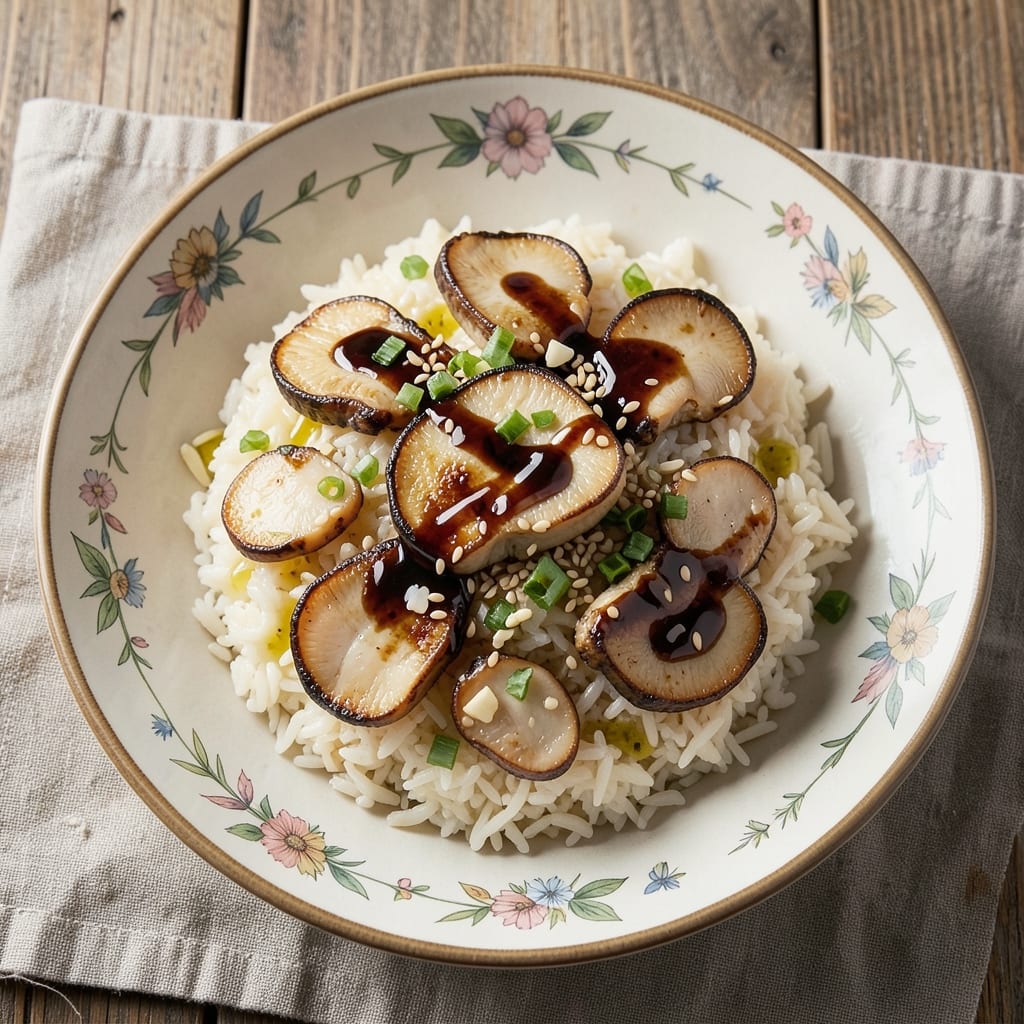
This abalone rice recipe transforms delicate seafood into a restaurant-worthy dish with a crispy sear and silky steamed texture. The secret lies in properly prepping the abalone—whether sliced for quick stir-frying or steamed whole for tender perfection—paired with fragrant jasmine rice that soaks up every savory note. I’ve perfected this balance between technique and flavor, ensuring the abalone stays moist while developing that coveted caramelized crust.
The foundation starts with high-quality abalone, cleaned and sliced to your preferred thickness, then quickly seared in a hot pan until golden. Meanwhile, the rice cooks to ideal fluffiness, ready to absorb a light soy-ginger glaze that ties the dish together. This method delivers restaurant-quality results without requiring specialized equipment—just patience and attention to timing.
What you’ll end up with is a plate where each bite offers contrast: tender abalone with a crisp exterior, paired with aromatic rice that’s neither dry nor mushy. The glaze adds depth, while optional toppings like scallions or sesame seeds elevate the presentation. It’s the kind of dish that feels luxurious yet approachable, perfect for special occasions or weeknight dinners when you want to impress.
Serve with a side of steamed greens or a simple miso soup to round out the meal. The recipe scales effortlessly, making it ideal for both intimate gatherings and larger groups. Let’s get started—your table is about to get an upgrade.
Ingredients for abalone rice
High-quality abalone and fragrant jasmine rice form the luxurious base of this restaurant-style dish.
| Ingredient | Amount | Notes |
|---|---|---|
| Abalone 🦪 | 12 oz | Fresh, cleaned, sliced 1/4-inch thick |
| Jasmine Rice 🍚 | 1 ½ cups | Uncooked, long-grain preferred |
| Extra-Virgin Olive Oil 🫒 | ½ cup | High-quality, for searing |
| Low-Sodium Soy Sauce 🥢 | ¼ cup | Kikkoman preferred for balance |
| Fresh Ginger 🌿 | 1 tbsp | Finely grated, aromatic |
| Sesame Oil 🫒 | 1 tsp | Toasted, for aroma |
| Garlic Cloves 🧄 | 4 cloves | Minced, for depth |
| Honey 🍯 | 1 tbsp | Wildflower for floral notes |
| Scallions 🧅 | ¼ cup | Thinly sliced, for garnish |
| Toasted Sesame Seeds 🌾 | 1 tbsp | For texture contrast |
| Diamond Crystal Kosher Salt 🧂 | 1 tsp | Fine grain for seasoning |
| Freshly Ground Black Pepper 🌶️ | ½ tsp | Cracked peppercorns preferred |
| White Wine 🍷 | ¼ cup | Dry, for deglazing |
| Vegetable Oil 🫒 | 1 tbsp | For rice cooking |
The abalone is non-negotiable for this recipe—fresh, shell-on pieces ensure the best texture. Whole Foods Market or specialty seafood counters carry the highest quality, often pre-cleaned for convenience. Look for vibrant, translucent meat with minimal odor; avoid any that smells fishy or has a cloudy appearance. If working with frozen abalone, thaw it in the fridge overnight for even cooking. The slices should be 1/4-inch thick—too thin and they’ll overcook, too thick and the center stays raw. For the rice, Daybreak brand jasmine rice is my go-to for its distinct aroma and fluffy texture, though any long-grain variety works in a pinch.
No fresh ginger? Powdered ginger at half the amount will work, but the flavor is far less vibrant. Substituting white wine with extra vegetable stock adds depth without the alcohol, though the dish will be slightly less refined. The honey can be swapped for agave nectar for a vegan option, though it lacks the same floral complexity. For the sesame oil, Kadoya brand delivers the most authentic toasted aroma. If you’re short on time, pre-minced garlic from the refrigerated section is acceptable, though freshly minced elevates the dish significantly. The scallions can be omitted entirely if you’re serving this as a main course, but they add a crucial fresh contrast when garnished.
Abalone cooks in minutes—no more than 2-3 minutes per side for that perfect crispy sear. Store any unused abalone in an airtight container with a paper towel to absorb moisture, keeping it in the fridge for up to 2 days. The cooked rice should be consumed within 3 days for optimal texture, though it reheats beautifully with a splash of water. For meal prep, portion the rice and glaze separately, then assemble just before serving to maintain crispness. The sesame seeds and scallions can be stored in the fridge for 5 days in a sealed container, though they’re best used fresh for maximum brightness.
Why You'll Love This Recipe
- One-Pan Magic: I swear by this for nights when I’m too tired to juggle three bowls. Sear the abalone in olive oil, toss in the rice and soy-ginger mix, and let it steam—no stirring, no stress. Honestly, the rice comes out fluffy just from the abalone’s natural juices.
- Umami Bomb: That first bite of tender abalone with the bright, salty-sweet soy and fresh ginger? It’s the kind of flavor that makes you pause mid-fork. The olive oil adds a silky richness, but the abalone’s briny depth steals the show—like a fancy restaurant dish, but made in my pot.
- Lunchbox Hero: Between us, this is my secret for meal prep that doesn’t taste like leftovers. Cool the rice slightly, portion it into containers, and the abalone stays juicy for days. My kids grab it for school lunches, and my partner sneaks seconds at work—no one complains about the texture.
- Budget Luxe: Abalone might sound fancy, but a few slices go a long way here. Stretch it over two meals by serving the first night with quick stir-fried greens, then repurpose the leftovers into a fried rice the next day. I’ll be real: it’s the only time I justify buying abalone without feeling guilty.
Step-by-step instructions for crispy abalone and jasmine rice
Master this seafood fusion with professional searing techniques and aromatic rice preparation.
Prepare the Abalone for Perfect Searing
Pat the 12 oz abalone slices completely dry with paper towels—this ensures maximum crispiness. In a small bowl, combine 1 tbsp finely grated fresh ginger, 4 minced garlic cloves, 1 tbsp honey, 1 tsp Diamond Crystal kosher salt, and 0.5 tsp freshly ground black pepper. Brush this marinade generously over both sides of each abalone slice. Let it rest for 15 minutes while you prepare the rice.
The marinade creates a flavorful barrier that prevents the abalone from sticking to the pan and develops that signature caramelized crust. I always use fresh ginger and garlic for their bright, aromatic qualities—never powdered substitutes. The honey adds a subtle sweetness that balances the seafood's natural brininess while promoting browning.
Sear the Abalone to Crispy Perfection
Heat 0.5 cup extra-virgin olive oil in a large skillet over medium-high heat until it shimmers but doesn't smoke. Working in batches if needed, add the abalone slices and cook for 2-3 minutes per side until they develop deep golden-brown spots and release easily from the pan. Transfer to a plate and set aside.
This high-heat sear is critical for achieving the promised crispy texture. You'll know it's ready when the edges turn opaque and the bottom develops a caramelized crust. If the oil smokes excessively, reduce the heat slightly—you want flavor, not bitterness. The abalone should be firm to the touch but still slightly springy in the center.
Cook the Jasmine Rice with Aromatic Base
In a separate pot, combine 1.5 cups jasmine rice with 2 cups water (measured separately) and bring to a boil. Once boiling, stir in 1 tbsp vegetable oil, reduce heat to low, cover tightly, and simmer for 15 minutes without lifting the lid. Remove from heat and let it steam for another 10 minutes.
The rice should be perfectly fluffy with no liquid remaining. I use vegetable oil here because it's neutral and won't compete with the abalone's flavor profile. The tight lid creates steam that cooks the rice evenly from the bottom up. If you peek too early, you'll release steam and end up with unevenly cooked rice—resist the temptation!
Build the Signature Abalone Sauce
Return the skillet with abalone to medium heat and add 0.25 cup dry white wine, scraping up all the browned bits from the bottom. Simmer for 2 minutes until the wine reduces by half. Pour in 0.25 cup low-sodium soy sauce and 1 tsp sesame oil, stirring constantly for 1 minute until the sauce thickens slightly.
This sauce captures all the caramelized flavors from the searing process. The wine deglazes the pan, creating a rich foundation, while the soy sauce and sesame oil add depth and umami. You'll notice the sauce should coat the back of a spoon but remain silky rather than gluey. If it thickens too much, add 1-2 tablespoons water to achieve the perfect consistency.
Combine and Garnish for Presentation
Gently fold the cooked abalone slices into the rice using a wide spatula, coating each piece with the sauce. Divide between four serving plates and garnish with 0.25 cup thinly sliced scallions and 1 tbsp toasted sesame seeds. Drizzle any remaining sauce over the top for extra flavor.
The presentation should showcase the abalone's golden sear against the jasmine rice's delicate grains. The scallions add a fresh contrast while the sesame seeds provide a nutty crunch. Serve immediately while the abalone is still crispy and the rice maintains its perfect texture. Each bite should deliver that satisfying contrast of crispy seared abalone with silky, aromatic rice.
Pro Tips For Making Abalone Rice
- Prep Abalone First: Slice the abalone thinly—no thicker than ¼ inch—so it cooks evenly in the rice. I learned this the hard way after serving chewy chunks that needed another 10 minutes. Use a sharp knife and cut against the grain for cleaner pieces. ---
- Toast Ginger Hard: Pulse fresh ginger into a fine paste (not minced) and fry it in olive oil until it’s deep golden—almost caramelized. This cuts the raw bite and adds a smoky depth that low-sodium soy sauce can’t hide. Skip this, and the dish tastes flat. ---
- Par-Cook the Rice: Steam the jasmine rice for 8 minutes before adding abalone and sauce. This ensures the rice absorbs flavors without turning mushy. I used to add everything raw, and the abalone would overcook while the rice stayed bland. ---
- Deglaze with Soy: After searing abalone, splash in just enough low-sodium soy sauce to coat the pan—about 2 tablespoons—then let it bubble for 30 seconds before adding rice. This locks in the umami instead of diluting it into a watery glaze.
Wine and beer pairings for this dish
White Wine Pairings
A crisp, dry Chardonnay from Burgundy or California is my go-to pairing—its bright acidity and subtle citrus notes cut through the abalone's richness while complementing the jasmine rice's floral aroma. Look for a unoaked Chardonnay with 12-13% ABV to avoid overpowering the delicate seafood flavors. The wine's minerality enhances the abalone's natural brininess, creating a harmonious balance on your palate. 🍷
Sauvignon Blanc Harmony
For a more vibrant option, try a New Zealand Sauvignon Blanc with its zesty lime and passionfruit undertones. The wine's high acidity refreshes your palate between bites of crispy abalone, while its herbal notes echo the ginger and garlic in the marinade. Aim for a 12.5% ABV or lower to maintain balance. I love pairing this with the dish's sesame oil finish—the citrus and toasted sesame create a surprising but delicious contrast.
Light-Bodied Red Option
If you prefer red wine, a Pinot Noir from Oregon or Burgundy offers an unexpected but delightful match. Its earthy notes and light tannins won't overpower the seafood, while the wine's red fruit flavors complement the honey-glazed abalone. Choose a 12-13% ABV with moderate acidity to ensure it doesn't clash with the dish's delicate flavors. The wine's subtle spice echoes the black pepper in the marinade, creating a cohesive experience.
Japanese Sake Alternative
For a non-western option, a dry junmai sake at 15-16° alcohol provides an authentic pairing that enhances the dish's Asian-inspired flavors. The sake's clean finish and subtle umami notes bridge beautifully with the soy sauce and sesame oil. Serve it slightly chilled (45-50°F) to highlight its crispness. I find this pairing particularly elegant when serving the dish at a formal dinner—it feels both traditional and innovative.
Beer Pairing: Japanese Lager
A light Japanese lager like Asahi Super Dry or Sapporo Premium Beer offers a refreshing contrast to the rich abalone. Its crisp, clean profile and subtle hop bitterness cleanse your palate between bites. The beer's low alcohol content (4.5-5% ABV) ensures it doesn't compete with the dish's flavors. For a more robust option, try a German Helles—its malty sweetness complements the honey in the marinade while maintaining balance.
Cocktail Pairing: Lychee Martini
For a festive touch, serve a lychee martini made with vodka, lychee juice, and a splash of lemon juice. The floral lychee notes mirror the jasmine rice, while the martini's crispness contrasts beautifully with the abalone's richness. Garnish with a lychee fruit and a sesame seed for visual harmony. This pairing works exceptionally well for dinner parties where you want to impress guests with both flavor and presentation. 🍸
Nutrition facts
Frequently asked questions
Can I substitute frozen abalone for fresh in this recipe?
Yes, but thaw it properly first! Place frozen abalone in the refrigerator overnight for even cooking. Never thaw at room temperature, as this can create bacteria risks. The texture will be slightly different from fresh, but the flavor remains excellent when cooked correctly. For best results, pat the thawed abalone completely dry before marinating.
What's the best rice variety for this dish?
Jasmine rice is ideal for its fragrant aroma and delicate texture, but you can use long-grain white rice in a pinch. Avoid short-grain varieties like sushi rice—they'll be too sticky. For extra fluffiness, rinse the rice before cooking to remove excess starch. The rice should be perfectly cooked but still slightly firm in the center when served.
How do I prevent the abalone from sticking to the pan?
Pat the abalone slices completely dry before cooking—this is the #1 secret! A hot, well-seasoned pan with enough oil (about 0.5 cup) also helps. Don't overcrowd the pan—cook in batches if needed. The marinade acts as a natural barrier, but the dry surface is what creates that perfect crispy crust.
Can I make this dish ahead of time?
Yes, but with some adjustments. Cook the rice and abalone separately, then store them in airtight containers in the fridge for up to 2 days. Reheat the rice with a splash of water, and warm the abalone in a pan with a little oil. Combine just before serving to maintain the crispy texture. The sauce can be made ahead too—store it separately and reheat gently.
What if my abalone turns out rubbery instead of tender?
Overcooking is the most likely cause. Abalone cooks in 2-3 minutes per side—any longer and it becomes tough. Make sure your pan is properly heated before adding the abalone, and don't overcrowd it. If it's already cooked, try slicing it thinner next time or steaming it for 5-7 minutes instead of searing for a more tender texture.