
Side Dishes
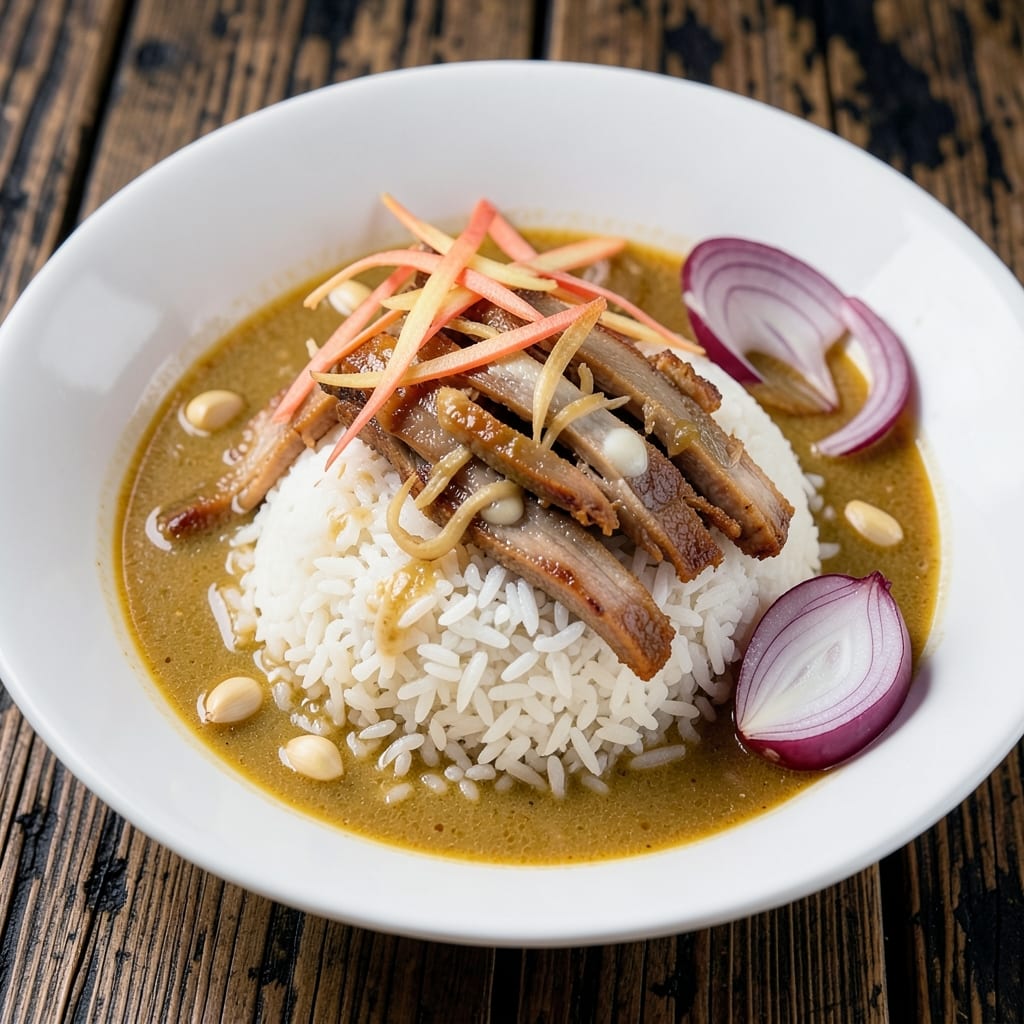
This arroz caldo recipe delivers the ultimate Filipino comfort bowl with tender pork, fragrant ginger, and perfectly cooked rice in a savory broth. 💛 The secret lies in slow-simmered pork bones that create a rich, aromatic base—no shortcuts, just deep, traditional flavor. This dish isn't just a meal; it's a warm embrace in every spoonful, designed to transform ordinary weeknights into moments of pure comfort.
The beauty of arroz caldo is its simplicity—just a few key ingredients working together to create something extraordinary. We start with pork bones and shoulder for maximum flavor, then build layers with fresh ginger, garlic, and onion that infuse the broth with warmth. The rice cooks directly in the broth, absorbing all those delicious flavors until it's tender yet distinct. This isn't just rice soup; it's a complete, satisfying dish that feeds both body and soul.
What makes this recipe special is the balance—gingery heat from fresh ginger, savory depth from slow-cooked pork, and just the right amount of tang from calamansi juice. The result is a bowl that's comforting yet vibrant, with each component perfectly harmonized. The broth should be rich but not heavy, the rice fluffy yet substantial, and the pork so tender it melts in your mouth. This is the kind of dish that makes you want to linger at the table, savoring every bite.
Whether you're cooking for family gatherings or treating yourself to a cozy meal, this arroz caldo delivers restaurant-quality results at home. The best part? It tastes even better the next day, making it perfect for meal prep. Let's create this comforting Filipino classic that will become a staple in your kitchen.
Ingredients for arroz caldo recipe cooked rice
Pork bones, ginger, and rice—this trio creates the heart of Filipino comfort in every bowl.
| Ingredient | Amount | Notes |
|---|---|---|
| Pork Bones 🍖 | 2 lb | Knuckle or marrow bones preferred |
| Fresh Ginger 🌿 | ½ lb | Peeled, sliced into 1/4-inch coins |
| Long-Grain White Rice 🍚 | 2 cups | Uncooked, rinsed thoroughly |
| Pork Shoulder 🥩 | 1 ½ lb | Cut into 1-inch cubes |
| Garlic Cloves 🧄 | 6 cloves | Minced for aromatic depth |
| Onion 🧅 | 1 whole | Large, quartered and peeled |
| Bay Leaves 🌿 | 2 whole | Dried, for subtle earthy flavor |
| Salt 🧂 | 1 ½ tsp | Diamond Crystal preferred |
| Black Peppercorns 🌶️ | 1 tsp | Crushed, for subtle heat |
| Calamansi Juice 🍋 | ¼ cup | Or substitute lime juice |
| Green Onions 🧅 | ¼ cup | Sliced thin for garnish |
| Vegetable Oil 🫒 | ¼ cup | For searing pork |
| Chicken Bouillon Cube 🧂 | 1 piece | For umami boost |
| Fresh Chili Peppers 🌶️ | 1 whole | Sliced, optional for heat |
The pork bones are non-negotiable here—they're the secret weapon that turns this into a deeply comforting dish. Look for knuckle or marrow bones at your local Asian market or butcher shop, as they yield the richest broth. If you can't find them, pork shoulder cubes still work, but you'll miss that extra depth. Fresh ginger is a must too—nothing beats the zing of freshly grated, though peeled slices work in a pinch. For the rice, use long-grain white and rinse it thoroughly to remove excess starch, which keeps the rice from getting gummy. Filipino markets often carry the perfect rice for this—look for Calrose or Dinorad varieties.
No calamansi? Lime juice works perfectly—just double the amount. Fresh chili peppers giving you pause? Skip them entirely—this dish is already packed with flavor. The bouillon cube is where the magic happens for umami, but if you're vegetarian, vegetable bouillon works just as well. For the garlic and onions, don't skip the mincing—smaller pieces infuse better. And if you're making this ahead, store the broth separately—it actually tastes better the next day as the flavors meld even more. The rice can be cooked fresh or reheated with a splash of water.
This broth is a keeper—it reheats beautifully and keeps for up to 5 days in the fridge or 3 months frozen. I always make double batches because it's perfect for lunches or quick dinners. The rice reheats well too, just add a splash of water and cover it to steam. For extra convenience, prep the broth the night before and cook the rice fresh in the morning—it's a game-changer for busy weekdays. The green onions and calamansi/lime juice should be added right before serving to keep them vibrant.
Why You'll Love This Recipe
- Simmered in Minutes: Pork bones and shoulder practically melt into rich broth while you chop ginger—no fancy techniques, just 30 minutes of hands-off simmering. Honestly, the hardest part is deciding when to stop stirring.
- Ginger-Garlic Magic: That first bite of rice in the fragrant broth—crispy pork shoulder, fresh ginger, and garlic cloves hitting your tongue like a warm hug. Between us, this isn’t just soup; it’s comfort in a bowl.
- Leftovers That Beg: The broth thickens overnight into something even better—perfect for reheating with a splash of water. My freezer’s always stocked with these because they taste like home, even cold.
- Budget Meal Hero: Pork bones and shoulder stretch into three meals for less than $20, and the rice soaks up every last bit of flavor. Not the prettiest, but the taste makes up for it—every single time.
Step-by-step instructions for arroz caldo with pork and ginger
This method delivers rich, aromatic broth and tender pork that creates the ultimate comforting bowl.
Prepare the Pork Bones for Broth
Place the 2 lb pork bones in a large stockpot and cover with cold water by about 2 inches. Bring to a boil over high heat, then immediately reduce to a gentle simmer. Skim off any foam that rises to the surface during the first 10 minutes of cooking—this ensures a clear, clean broth.
Add the peeled, sliced fresh ginger and 1 whole onion (quartered and peeled) to the pot. Let the broth simmer uncovered for 1 hour, stirring occasionally. The ginger should infuse the liquid with warm, spicy notes while the onion adds sweet depth. The longer it simmers, the more flavorful the base will become.
Sear the Pork Shoulder and Build Flavor
While the broth simmers, heat 0.25 cup vegetable oil in a large skillet over medium-high heat. Add the 1.5 lb pork shoulder (cut into 1-inch cubes) and sear until golden brown on all sides, about 5-7 minutes total. This step develops a rich, caramelized crust that adds depth to the dish.
Remove the seared pork and set aside. In the same skillet, add 6 cloves minced garlic and 1 whole fresh chili pepper (sliced, if using). Sauté for 30 seconds until fragrant—don't let the garlic burn, as it will turn bitter. Pour this aromatic mixture into the simmering broth along with the 1 piece chicken bouillon cube and 2 whole bay leaves. Stir well to combine.
Cook the Rice in the Broth
Add the 2 cups long-grain white rice (rinsed thoroughly) to the stockpot. Stir gently to distribute the rice evenly. The rice should be submerged just below the surface of the liquid. Bring the mixture back to a gentle boil, then reduce heat to low and cover with a tight-fitting lid.
Let the rice simmer for 20 minutes without lifting the lid. The rice should absorb the broth gradually, becoming tender but still slightly firm. If the liquid level drops too low (indicating the rice needs more moisture), add hot water in small increments to maintain the proper consistency. The broth should remain flavorful but not overly diluted.
Finish and Season the Dish
After 20 minutes, add the 1.5 tsp salt and 1 tsp crushed black peppercorns to the pot. Stir gently to distribute the seasoning evenly. Let the arroz caldo cook for an additional 5 minutes to allow the flavors to meld. The rice should now be tender but not mushy, with a fragrant, savory broth.
Remove the bay leaves and adjust the seasoning if needed—add a splash of 0.25 cup calamansi juice (or lime juice) for brightness if the dish tastes too heavy. The acidity balances the richness of the pork and ginger beautifully. Serve immediately, garnished with 0.25 cup sliced green onions for freshness and color.
Pro Tips For Making Arroz Caldo Recipe Cooked Rice
- Parboil Pork Bones: Toss the bones in a pot of cold water and bring to a rolling boil before adding any aromatics—this blasts off impurities and makes the broth clearer. I used to skip this, and my soup always had a cloudy, off-putting look. Five minutes of extra effort makes a world of difference in the final presentation. ---
- Slice Ginger Thinly: Use a mandoline or sharp knife to slice ginger into paper-thin sheets—no need to mince. They’ll infuse flavor without turning the broth bitter, and you can fish them out whole if you’re squeamish about texture. My grandmother called this the "cheater’s trick" because it’s fast and foolproof. ---
- Don’t Overcrowd the Pot: If your pot looks like it’s doing a crowd-pleasing act with the pork shoulder and bones, stop. Cramming everything in steams the meat instead of browning it, and you’ll end up with bland, gray pork. Work in batches—yes, even if you’re impatient like me—and let that meat develop a crust. ---
- Toast the Rice First: Dry-toast the long-grain rice in the pot for 2-3 minutes over medium heat before adding liquid—it adds a nutty depth and prevents mushiness. I was skeptical until I tried it; now I can’t imagine skipping it. Just don’t walk away—burnt rice is a crime in arroz caldo.
Storing and reheating your arroz caldo recipe cooked rice
Broth Storage Secrets
Your arroz caldo broth gets better with time—store it in an airtight container in the fridge for up to 5 days. The flavors deepen as the ginger and pork infuse further. For longer storage, freeze in quart-sized freezer bags with 1-inch headspace to prevent ice crystals. Label with the date—this broth is perfect for quick lunches or reheating. 🌡️
Reheating Rice Perfectly
Reheat rice in a pot with 2 tablespoons water per cup of arroz caldo. Cover and simmer on low heat for 5-7 minutes, stirring occasionally. Avoid microwaving—it makes rice gummy. For extra tenderness, add a splash of the reserved broth while reheating. The rice should be warm through but still hold its shape.
Freezer-Friendly Tips
Freeze arroz caldo in portioned containers (single servings work best). When ready to eat, thaw overnight in the fridge, then reheat the broth separately. Add fresh rice cooked in the reheated broth for the best texture. The pork stays tender when reheated gently—never microwave directly from frozen. 💫
Garnish Freshness
Add green onions and calamansi/lime juice only after reheating. These elements wilt when cooked, so sprinkle them on top right before serving. For extra brightness, toss the green onions with a pinch of salt before adding. This keeps your arroz caldo vibrant and full of fresh contrast.
Make-Ahead Strategy
Prep the broth the night before and store it separately. Cook the rice fresh in the morning—it takes just 20 minutes to simmer. This method ensures your arroz caldo is always restaurant-quality, with maximum flavor and perfect texture. Keep the broth and rice in separate containers until ready to combine. ✨
Broth Boosters
Revive slightly dried-out broth by adding ½ cup hot water and simmering for 5 minutes. For extra richness, stir in 1 tablespoon butter or a splash of coconut milk. These additions restore depth without altering the dish's authentic character. Always taste and adjust seasoning after reheating—broth flavors concentrate during storage.
Nutrition facts
Frequently asked questions
Can I make arroz caldo without pork bones?
Yes, but the flavor will be different! Use chicken bones or pork shoulder cubes instead—they'll still create a rich broth, though pork bones give that signature depth. For a vegetarian version, substitute with mushrooms or kombu seaweed for umami. Just simmer longer to build flavor.
Why does my arroz caldo taste too bland?
It might need more seasoning or longer simmering. Boost flavor by adding 1 extra bouillon cube or ½ cup coconut milk at the end. For depth, let the broth simmer uncovered for 2 extra hours—this concentrates the ginger and pork flavors naturally.
How do I make arroz caldo less soupy?
Use less rice (start with 1.5 cups instead of 2) or cook it uncovered for the last 5 minutes to absorb more broth. For extra texture, stir in 1 cup shredded cabbage or chopped bok choy while cooking—they'll soak up excess liquid.
Can I use instant rice for arroz caldo?
Not ideal—it loses texture and absorbs too much broth. For authentic results, stick with long-grain white rice (like Calrose). If you're short on time, use jasmine rice and reduce cooking time to 15 minutes—just check for doneness early.
What's the best way to reheat leftovers?
Reheat broth and rice separately on low heat with 2 tablespoons water per cup. Cover for 5 minutes to steam gently. Never microwave—it turns rice mushy. For extra richness, stir in 1 tablespoon butter or a splash of the original broth while warming.