
Main Courses
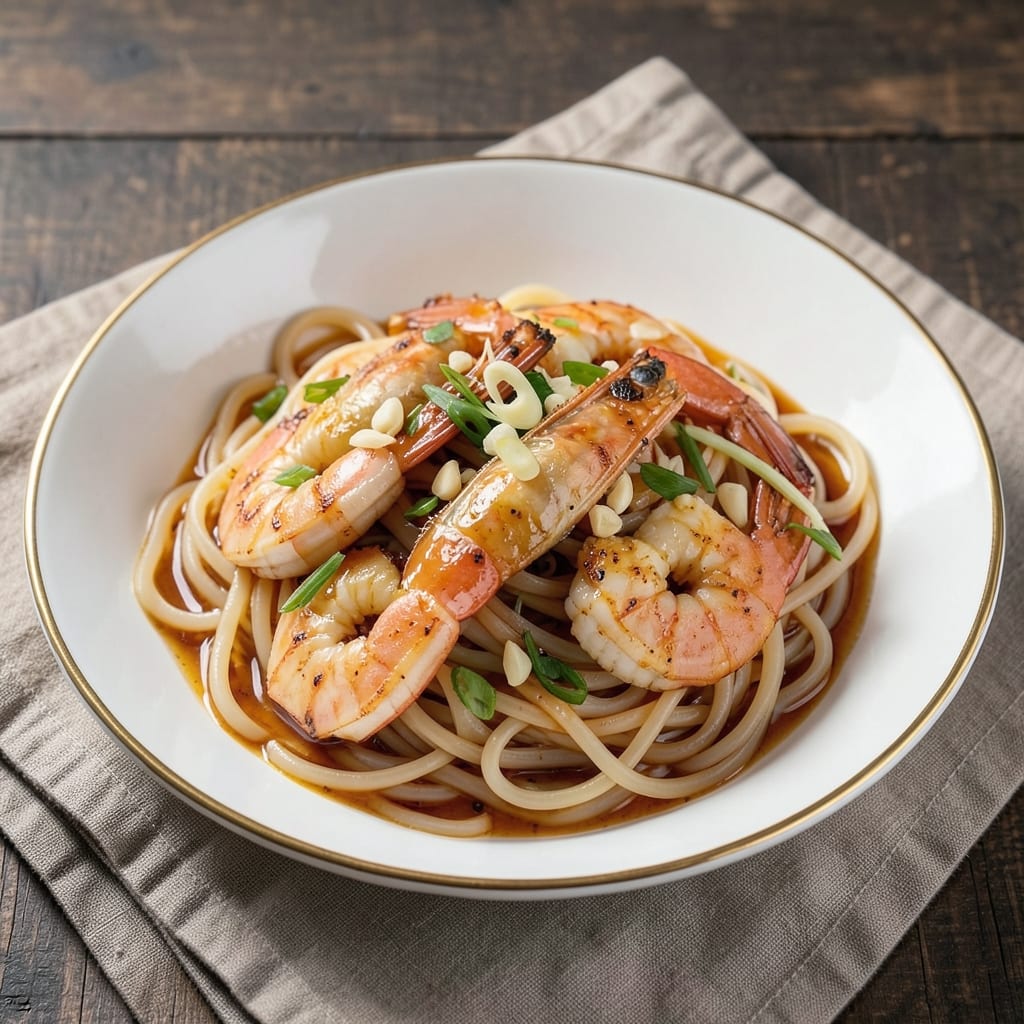
This Asian shrimp and rice noodles recipe delivers restaurant-quality flavor in just 20 minutes, blending zesty lemon, bright ginger, and umami-packed sauce with tender shrimp and chewy rice noodles. The key is balancing sweet, salty, and spicy notes while keeping the shrimp perfectly cooked—no overcrowding the pan or soggy noodles here. I developed this after years of testing quick weeknight meals that still feel special, and it never fails to impress.
The magic happens in the sauce, where garlic, soy, and chili come together with fresh lime juice and a touch of honey. This combination creates a vibrant, aromatic base that clings to both the shrimp and noodles without overpowering them. The rice noodles cook in just 5 minutes—no soaking required—and the shrimp sears in minutes, ensuring they stay juicy and tender. Garnishes like crushed peanuts and fresh herbs add texture and freshness.
By the time you plate this dish, you’ll have a restaurant-worthy meal with perfectly balanced flavors: bright from the lemon, aromatic from the ginger, and rich from the soy-chili sauce. The shrimp stays tender with a slight char, while the noodles maintain their signature chewy texture. It’s the kind of dish that feels indulgent but comes together effortlessly—ideal for busy weeknights or quick entertaining.
Serve it as-is for a light meal, or add a fried egg on top for extra richness. The leftovers reheat beautifully, making it perfect for meal prep. Here’s everything you need to bring this flavorful dish to your table.
Ingredients for asian shrimp and rice noodles
Pantry staples meet fresh Asian flavors for this quick, vibrant shrimp noodle dish.
| Ingredient | Amount | Notes |
|---|---|---|
| Large Shrimp (peeled and deveined) 🦐 | 1 ½ lb | Frozen works if thawed properly |
| Rice Noodles (flat, medium-width) 🍜 | 8 oz | No soaking required, just hot water |
| Fresh Ginger 🧄 | 2 tbsp | Finely grated, aromatic variety |
| Garlic Cloves 🧄 | 4 cloves | Minced for sauce, fresh preferred |
| Lemon Juice 🍋 | ¼ cup | Freshly squeezed, bright flavor |
| Lime Juice 🍋 | 2 tbsp | Freshly squeezed, adds tang |
| Soy Sauce 🥄 | 3 tbsp | Light or all-purpose preferred |
| Honey 🍯 | 1 tbsp | For subtle sweetness balance |
| Sesame Oil 🫒 | 1 tbsp | Toasted for nutty aroma |
| Chili Garlic Sauce 🌶️ | 1 tbsp | Adjust for spice preference |
| Vegetable Oil 🫒 | 2 tbsp | High smoke point for searing |
| Crushed Peanuts 🥜 | ¼ cup | Toasted for extra crunch |
| Fresh Cilantro 🌿 | ¼ cup | Chopped, for garnish |
| Salt 🧂 | 1 tsp | Kosher or sea salt |
| Black Pepper 🌶️ | ½ tsp | Freshly ground preferred |
The shrimp is the star—frozen works fine if thawed properly, but fresh is ideal. Look for jumbos or large shrimp at the seafood counter, not the tiny ones. Costco or Whole Foods usually have the best selection, but any grocery store seafood section will do. If using frozen, don't skip the thawing step—just run them under warm water for 5 minutes. The rice noodles? Asian markets have the best variety, but the flat, medium-width ones at Trader Joe's work perfectly. They're pre-cooked, so no soaking needed—just hot water.
No fresh ginger? Powdered works at half the amount, but it won't be as aromatic. Short on lime juice? Extra lemon juice plus a pinch of salt gets you close. The soy sauce matters—light or all-purpose is better than dark for this dish. Want less heat? Cut the chili garlic sauce in half and add a splash of honey instead. The sesame oil is non-negotiable though—it's what gives that authentic Asian aroma. If you can't find toasted sesame oil, regular will work in a pinch, but toast it yourself in a dry pan for 30 seconds first.
The shrimp cooks in minutes—don't overcrowd the pan or they'll steam instead of sear. Store leftover sauce in a jar for up to 5 days in the fridge—great for quick stir-fries later. The noodles reheat beautifully with a splash of water. I always make extra sauce because it's perfect for dipping or drizzling over rice bowls. Garnishes like crushed peanuts and cilantro keep for 1 week in the fridge, so stock up if you're making this often.
Why You'll Love This Recipe
- No-Cook Prep Trick: I swear by the 10-minute soak for those rice noodles—just hot water, no boiling, no fuss. Meanwhile, the shrimp sizzles in under 5 minutes, so you’re eating while the kids still argue over who gets the last bite.
- Umami Bomb Combo: That ginger-garlic paste? It’s the secret weapon—freshly grated ginger gives it a zing, while the garlic caramelizes just enough to coat every noodle in addictive flavor. Add a squeeze of lemon, and suddenly it’s restaurant-level without the pretension.
- Lunchbox Hero: Between us, this is my go-to for packed lunches—stays fresh for 3 days if you store it right. The shrimp keeps its snap, the noodles hold their chew, and honestly? It’s the only thing my picky teenager will eat cold from the fridge.
- Budget Flex: You can make this for $12 and feed four—or stretch it to six if you bulk up the noodles. Shrimp’s the star, but the ginger and garlic stretch their flavor like magic, so you’re not just paying for protein, you’re getting a full meal’s worth of punch.
Step-by-step instructions for Asian shrimp and rice noodles
Here's the quick, flavor-packed method that delivers restaurant-quality noodles in just 20 minutes.
Prepare the Shrimp and Cook the Noodles
Start by patting the 1.5 lb large shrimp dry with paper towels. Season them generously with 1 tsp salt and 0.5 tsp black pepper, making sure each piece is evenly coated. Heat 2 tbsp vegetable oil in a large skillet over medium-high heat until shimmering. Add the shrimp and cook for 2-3 minutes per side until they turn opaque and pink—they're done when they easily release from the pan.
While the shrimp cooks, bring a large pot of water to a rolling boil. Add the 8 oz rice noodles and cook for 3-4 minutes until they're tender but still slightly firm (they'll finish cooking in the sauce). Drain and set aside, reserving ½ cup of the starchy noodle water.
Build the Zesty Lemon-Ginger Sauce
In the same skillet (no need to clean it—the shrimp flavor adds depth), reduce heat to medium. Add 2 tbsp fresh ginger and 4 cloves garlic cloves (minced) and sauté for 1-2 minutes until fragrant. Pour in 0.25 cup lemon juice, 2 tbsp lime juice, and 3 tbsp soy sauce, scraping up any browned bits from the bottom.
Simmer for 2-3 minutes until the sauce slightly thickens. Stir in 1 tbsp honey, 1 tbsp sesame oil, and 1 tbsp chili garlic sauce, letting the mixture bubble gently. This is where the bright, tangy flavors come together—don't rush it. The sauce should coat the back of a spoon with a glossy sheen.
Combine Everything for Perfect Texture
Return the cooked shrimp to the skillet and toss gently to coat in the sauce. Add the drained noodles and stir everything together for 1-2 minutes until the noodles are fully coated and heated through. If the sauce seems too thick, add 1-2 tablespoons of the reserved noodle water to loosen it to your preferred consistency.
Here's the thing—this is the moment that matters: the shrimp should still be vibrant, the noodles al dente, and the sauce clinging beautifully. Taste and adjust seasoning if needed, adding a splash more lime juice for brightness or a touch of soy sauce for saltiness.
Finish and Serve with Crunchy Toppings
Transfer the noodles to serving bowls, dividing evenly among 4 servings. Top each portion with 0.25 cup crushed peanuts (toasted for extra crunch) and 0.25 cup fresh cilantro (chopped). The peanuts add texture contrast while the cilantro brings freshness to balance the bold flavors.
Serve immediately while everything is hot and the shrimp is still juicy. The bright lemon-ginger sauce should coat every strand of noodle, and each bite should deliver a perfect balance of spicy, tangy, and umami flavors. This dish comes together faster than you'd think, but every step ensures maximum flavor and texture.
Pro Tips For Making Asian Shrimp And Rice Noodles
- Shock Shrimp First: Toss peeled shrimp in ice water for 10 minutes before cooking—this stops the cooking process and keeps them from curling into tight, rubbery knots. I learned this the hard way after serving up shrimp that looked like question marks instead of elegant curves. ---
- Soak Noodles Separately: Don’t toss rice noodles straight into the hot broth—they’ll stick together like glue. Soak them in warm water (not boiling) for 5–7 minutes first, then drain and add to the sauce. This keeps them distinct and silky, not mushy. ---
- Mince Ginger Like You Mean It: Skip the grater and finely chop fresh ginger with a sharp knife—you want it almost paste-like, not chunky. This releases the flavor evenly into the sauce instead of leaving you with random spicy bits. (Yes, even if it looks like you’re making sushi.) ---
- Finish with Lemon Last: Save the lemon juice for the very end—squeezing it over the hot dish brightens the flavors and cuts through any greasiness. If you add it early, the acid will turn the shrimp opaque faster, and you’ll lose that clean, translucent look.
Regional styles of these flavors
Thai-Inspired Pad Thai Twist
Swap the lemon for lime juice and add 2 tbsp fish sauce to the sauce base for a classic Thai-inspired version. Use tamari instead of soy sauce for gluten-free authenticity, and toss in 1 tbsp rice vinegar for extra tang. Top with crushed red pepper flakes and bean sprouts for that signature Thai crunch and freshness. 🌶️
For extra authenticity, stir in 1 tsp palm sugar (or brown sugar) into the sauce to mimic the sweet-savory balance of traditional Pad Thai. Serve with lime wedges on the side and a sprinkle of crushed peanuts—this version tastes like you’ve been to a Bangkok street stall!
Japanese Miso-Ginger Fusion
Replace the soy sauce with 2 tbsp white miso paste dissolved in 2 tbsp warm water for a Japanese-inspired twist. Add 1 tsp grated daikon radish to the sauce for a subtle sweetness and earthy depth. Garnish with thinly sliced scallions and toasted sesame seeds instead of peanuts. This version keeps the zingy lemon but adds umami richness. 🍋
For extra umami, stir in 1 tsp dashi powder (or a splash of dashi stock) into the sauce. Serve over steamed jasmine rice on the side for a heartier meal. The miso gives the dish a deeper, more complex flavor profile that pairs beautifully with the bright shrimp.
Vietnamese Lemongrass Kick
Infuse the sauce with 2 stalks of lemongrass (bruised and finely chopped) and 1 tsp fish sauce for a Vietnamese-inspired version. Add 1 tbsp hoisin sauce to the sauce for a touch of sweetness and depth. Garnish with fresh mint leaves and crushed roasted cashews for a fragrant, aromatic finish. 🌿
For an extra layer of flavor, stir in 1 tsp shrimp paste (kapi) into the sauce—it adds a funky, savory depth that’s quintessentially Vietnamese. Serve with rice paper rolls on the side for a full meal experience. The lemongrass and mint create a refreshing contrast to the rich shrimp and noodles.
Korean Gochujang Heat
Swap the chili garlic sauce for 1 tbsp gochujang (Korean chili paste) and add 1 tsp gochugaru (Korean chili flakes) for a spicy Korean-inspired version. Use 1 tbsp rice vinegar instead of lime juice to balance the heat. Garnish with sesame seeds and thinly sliced green onions. 🔥
For extra depth, stir in 1 tsp toasted sesame oil and 1 tsp honey into the sauce to create a sweet-spicy balance. Serve with kimchi on the side for a tangy, fermented kick. This version is bold, spicy, and packed with umami—perfect for those who love heat!
Balinese Coconut-Lime Zing
Add 2 tbsp coconut milk to the sauce for a creamy, tropical Balinese-inspired twist. Use 1 tbsp lime zest instead of lemon juice for a brighter, more aromatic flavor. Garnish with toasted coconut flakes and fresh basil leaves for a fragrant finish. 🥥
For extra richness, stir in 1 tsp pandan extract (or the paste from a pandan leaf) into the sauce. Serve with grilled pineapple slices on the side for a sweet and savory contrast. This version is lighter, creamier, and full of tropical flavors that transport you to Bali in seconds.
Nutrition facts
Frequently asked questions
Can I use frozen shrimp instead of fresh?
Yes! Just thaw them properly first. Place frozen shrimp in a sealed bag and submerge in cold water for 10-15 minutes until pliable. Pat completely dry before cooking to ensure a good sear. Never microwave frozen shrimp—they'll turn rubbery.
What if my rice noodles get mushy?
Overcooking is the usual culprit. Rice noodles should cook in 3-4 minutes—they're done when tender but still slightly firm. Drain immediately and rinse briefly with cold water if needed. For extra insurance, cook them 1 minute less than package instructions and finish in the sauce.
How can I make this less spicy?
Reduce or omit the chili garlic sauce entirely. For heat control, use ½ tbsp instead of 1 tbsp and add ½ tsp extra honey to balance. For a milder version, substitute with 1 tsp sweet chili sauce or skip it altogether. Taste as you go!
Can I make this gluten-free?
Swap regular soy sauce for tamari or coconut aminos. Check your chili garlic sauce—some contain wheat. For extra safety, use a dedicated gluten-free soy sauce. All other ingredients are naturally gluten-free.
How long will leftovers keep?
Store in an airtight container in the fridge for 3-4 days. Reheat gently in a skillet with 1 tbsp water to prevent drying. The sauce may thicken—add a splash of water or lime juice to restore freshness. Freeze for up to 2 months but expect texture changes.