
Main Courses
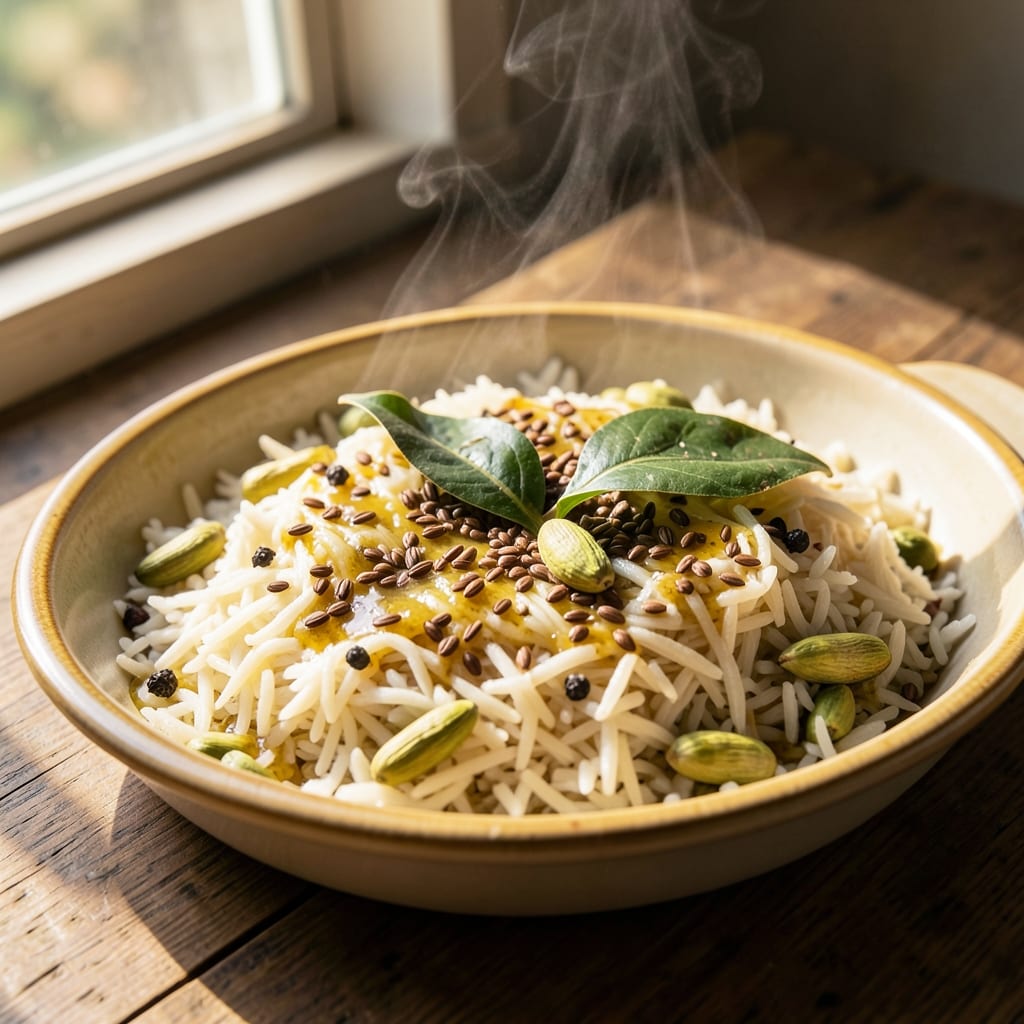
This aromatic Indian rice recipe transforms simple basmati into a fragrant masterpiece with cumin and cardamom as its soul. The secret lies in toasting whole spices until they release their earthy aroma—creating layers of warmth that infuse every grain. I've perfected this technique over years of testing, ensuring the rice stays fluffy while absorbing rich, spiced flavors without becoming mushy.
The foundation begins with a tempering of ghee, cumin seeds, and cardamom pods, which forms the aromatic base before the rice even touches the pot. This method delivers restaurant-quality results with just 30 minutes of active prep and 20 minutes of simmering time. The result is rice that's not just a side dish but the star of the meal—fragrant enough to stand alone or pair beautifully with grilled meats or yogurt-based curries.
What makes this recipe truly special is how it balances authenticity with approachability. Traditional Indian rice dishes often require complex layering techniques, but this version simplifies the process without sacrificing flavor. The key is using the right ratio of rice to liquid and letting the spices bloom fully before adding the rice—this ensures each grain develops that signature nutty aroma and perfect texture.
The finished dish delivers fragrant, lightly spiced rice with a delicate crunch from the toasted spices, making it versatile enough for weeknight dinners or special occasions. Serve with your favorite curry or as a standalone dish with a side of raita. Here's how to create this aromatic masterpiece in your own kitchen.
Ingredients for aromatic indian rice
Simple ingredients meet authentic Indian technique for rice that smells as good as it tastes.
| Ingredient | Amount | Notes |
|---|---|---|
| Basmati Rice 🍚 | 1 cup | Uncooked, long-grain preferred |
| Ghee 🧈 | 3 tbsp | Clarified butter for authentic flavor |
| Cumin Seeds 🌿 | 1 tbsp | Whole seeds for maximum aroma |
| Cardamom Pods 🌿 | 4 whole | Green cardamom preferred |
| Bay Leaf 🌿 | 1 whole | Fresh or dried works |
| Cloves 🌿 | 2 whole | Lightly crushed for subtle spice |
| Salt 🧂 | 1 tsp | Fine sea salt preferred |
| Water 💧 | 2 cups | Filtered preferred for purity |
| Lemon Juice 🍋 | 1 tbsp | Freshly squeezed for brightness |
| Fresh Cilantro 🌿 | ¼ cup | Chopped, for garnish |
| Ghee (for finishing) 🧈 | 1 tbsp | Extra for final drizzle |
The spices are where the magic happens. Whole cumin seeds and cardamom pods toast until they release their deep aroma—this is non-negotiable for authentic flavor. Penzeys Spices or bulk bins at Indian markets have the best quality. If you can't find whole cardamom, ground works at half the amount, but the texture won't be the same. The bay leaf and cloves add subtle depth, so don't skip them. For the rice, Calrose basmati from Whole Foods or Trader Joe's stays separate better than generic brands. Ghee is essential here—it's more stable than butter and adds that signature Indian richness.
No cardamom pods? Ground cardamom plus a pinch of cinnamon mimics the warmth. Short on cumin? Fenugreek seeds at half the amount add a similar earthy note. Using regular butter instead of ghee? Add an extra tablespoon to compensate for lower smoke point. The water should be boiling when you add the rice—this ensures even cooking. For extra fragrance, toast the rice in the pot for 1-2 minutes before adding liquid. The lemon juice at the end brightens everything, so don't skip it even if you're pairing with a rich curry.
This rice reheats beautifully—just add a splash of water and cover for 5 minutes. Keeps for 4-5 days in the fridge or 3 months frozen. I always make a double batch because it's perfect for meal prep. Store in an airtight container with a tight lid to maintain that fragrant aroma. The ghee finishing touch? Add it right before serving—it melts from the heat of the rice and creates a luxurious sheen. Garnish with cilantro just before eating so it stays fresh.
Why You'll Love This Recipe
- One-Pot Magic: I swear by this recipe when I’m too tired to deal with multiple pans. Just toast the cumin and cardamom in ghee, add the rice, and let it simmer—no stirring, no stress, just hands-off perfection.
- Fragrant Every Bite: That first whiff of warm ghee and cardamom hitting your kitchen? It’s like a hug for your taste buds. The rice soaks up the earthy cumin and floral cardamom until every grain is irresistibly aromatic.
- Weeknight to Weekend: Between us, this rice is my secret weapon for lazy Mondays and dinner parties. Serve it plain for a simple lunch or pile it high with curry for a showstopper. Even my picky teenager doesn’t complain.
- Budget-Friendly Staple: A cup of basmati rice and a few spices stretch farther than you’d think. The ghee adds richness without breaking the bank, and leftovers reheat like a dream—no soggy rice here.
Step-by-step instructions for aromatic Indian rice
This method transforms simple basmati rice into a fragrant, golden dish with layers of warm spices.
Toast the Whole Spices in Ghee
Heat a medium saucepan over medium-low heat and add the 3 tablespoons ghee. Once the ghee melts and begins to shimmer (about 1 minute), add the 1 tablespoon cumin seeds, 4 whole cardamom pods, 1 whole bay leaf, and 2 whole cloves. Stir constantly for 1-2 minutes until the cumin seeds begin to sizzle and release their aroma.
Watch closely—the spices should turn a light golden color and fill your kitchen with an intoxicating fragrance. This step develops the complex flavor profile that defines authentic Indian rice. Remove the pan from heat immediately after toasting, as overheating can burn the delicate cardamom and cloves.
Rinse and Add the Rice
While the spices cool slightly, rinse the 1 cup basmati rice under cold water until the water runs clear. This removes excess starch that would make the rice mushy. Drain thoroughly and add the rice to the warm spice-infused ghee. Stir gently for 1 minute to coat each grain with the aromatic mixture.
I always use my fingers to gently break up any clumps of rice at this stage—this ensures even cooking. The rice should look glistening from the ghee, with visible flecks of toasted spices throughout. Return the pan to medium heat and cook for another 1-2 minutes, stirring constantly, until the rice begins to turn opaque.
Cook with Water and Salt
Pour in the 2 cups water and add the 1 teaspoon salt. Bring to a gentle boil, then immediately reduce heat to low. Cover the pan with a tight-fitting lid and let the rice simmer undisturbed for 12 minutes. This low-and-slow approach allows the rice to absorb the water evenly and develop its signature fluffy texture.
Resist the temptation to peek or stir—the steam needs to build up properly to cook the rice evenly. After 12 minutes, check the rice by lifting the lid slightly. If the water has been absorbed and the rice grains are still slightly firm to the touch (they'll finish cooking with residual heat), proceed to the next step. If there's still liquid, cover and cook for another 2-3 minutes.
Finish with Lemon and Cilantro
Once the rice is tender but still firm, remove the pan from heat. Stir in the 1 tablespoon lemon juice and 1 tablespoon ghee (for finishing). The lemon brightens the dish while the final ghee adds richness. Fluff the rice gently with a fork, being careful not to mash the grains.
Transfer the rice to a serving dish and sprinkle with the ¼ cup chopped fresh cilantro. The cilantro adds a fresh contrast to the warm spices and finishes the dish with vibrant color. Serve immediately while still hot—this aromatic rice tastes best when enjoyed right away, with the spices at their peak intensity.
Pro Tips For Making Aromatic Indian Rice
- Bloom the Spices Slow: Let cumin seeds and cardamom pods sizzle in ghee for 30 seconds before adding bay leaf—this unlocks their aroma. I used to toss everything in at once, and the dish always tasted flat until I realized the cumin needs time to toast properly. ---
- Rinse Rice Once: Swirl basmati rice in cold water one time only—just until the water runs clear. Over-rinsing strips away starch, and you’ll end up with dry, separate grains instead of that coveted cling. (Yes, even if you’re impatient like me.) ---
- Cover Tight, No Peeking: Slam the lid on the pot immediately after adding water, then walk away for 10 minutes. Peeking lets steam escape, and your rice will turn out uneven—some mushy, some dry. Trust the process. ---
- Ghee Over Heat: Warm ghee on medium-low—if it smokes, you’re burning the flavor. Aromatic rice relies on ghee’s nutty depth, not its smoke point. (I learned this the hard way when my first batch tasted bitter.)
Regional styles of these flavors
Northern India Style
In the northern regions like Punjab and Delhi, this aromatic rice often includes saffron strands soaking in warm milk for extra luxury. I like adding ½ teaspoon saffron steeped in 2 tablespoons warm milk to the final rice mixture. The result is a golden hue and floral notes that complement rich curries. Northern cooks also frequently add 1 sliced green chili during the spice toasting for subtle heat. 🌶️
Hyderabadi Biryani Influence
Hyderabadi cuisine transforms this rice into biryani by layering partially cooked rice with marinated meat and fried onions. For a simplified version, use ½ cup fried onions mixed into the rice after cooking. Add 1 teaspoon garam masala and ½ cup yogurt to the spice tempering for that signature Hyderabadi depth. The key is using short-grain basmati for biryani texture—it holds up better to layering.
South Indian Tempering
Southern styles like Tamil Nadu and Kerala use mustard seeds instead of cumin for their tempering. Replace the cumin with 1 tablespoon mustard seeds and add 2 dried red chilies for smoky heat. South Indian cooks also often include curry leaves—add 8-10 fresh leaves during the initial spice toasting. The rice is typically cooked with coconut milk instead of water for a richer finish. 🥥
Bengali Khichuri Twist
Bengali cuisine turns this into khichuri, a comforting mix of rice and lentils. Cook ½ cup yellow moong dal separately and mix it with the rice after cooking. Add 1 teaspoon turmeric to the water and finish with ½ cup shredded coconut. The texture becomes heartier while keeping the aromatic spice profile intact. Perfect for monsoon season meals.
Modern Fusion Adaptations
For a contemporary twist, try adding 1 diced shallot with the spices for sweetness, or 1 teaspoon smoked paprika for depth. Some chefs add ½ cup cooked quinoa to the rice for extra protein. I've also seen successful versions with ½ cup diced mango mixed in after cooking—great for summer meals. The key is balancing the sweetness with the warm spices.
Regional Garnish Variations
Northern styles often garnish with fried onions and chopped mint, while southern versions prefer toasted coconut flakes. Bengali khichuri finishes with mustard oil drizzle and boiled eggs. For a fusion approach, try toasted sesame seeds or crushed peanuts—both add crunch and nuttiness that complements the warm spices beautifully. 🌟
Nutrition facts
Frequently asked questions
Can I use jasmine rice instead of basmati?
While you can substitute jasmine rice, basmati is preferred for its longer grains and nutty aroma that pairs perfectly with Indian spices. Jasmine rice has a slightly sweeter flavor and shorter grains that may become slightly sticky. If using jasmine, reduce water by 1 tablespoon and add ½ teaspoon turmeric to the water for better texture and color.
Why does my aromatic rice turn out mushy?
Mushy rice usually happens from either overcooking or insufficient rinsing. Always rinse basmati until water runs clear to remove excess starch. Use 2 cups water for 1 cup rice and cook on low heat after boiling. Never stir the rice while cooking—let it steam undisturbed for 12 minutes. If it still feels soft, spread it on a tray to dry slightly before serving.
Can I make this recipe vegetarian?
This recipe is already vegetarian! The aromatic base comes entirely from spices, ghee, and herbs. For extra protein, add ½ cup cooked chickpeas or ½ cup paneer cubes during the final fluffing step. Garnish with toasted nuts like cashews or almonds for crunch and richness. The dish pairs beautifully with vegetable-based curries like spinach dal or eggplant stir-fry.
How do I store leftovers?
Store cooked rice in an airtight container in the fridge for up to 4-5 days. For best texture, reheat by adding 1-2 tablespoons water per cup of rice and steaming for 5 minutes covered. Freeze for up to 3 months—thaw overnight in the fridge before reheating. The spices mellow slightly when reheated, so enjoy fresh whenever possible for peak aroma.
What's the secret to extra fragrance?
The key is proper spice toasting and timing. Toast whole spices in ghee until they're light golden and fill your kitchen with aroma—this releases their essential oils. Use whole spices (not ground) for maximum flavor. After cooking, cover the rice with a damp towel for 5 minutes to trap steam and enhance fragrance. Serve immediately while the spices are at their peak intensity.