
Main Courses
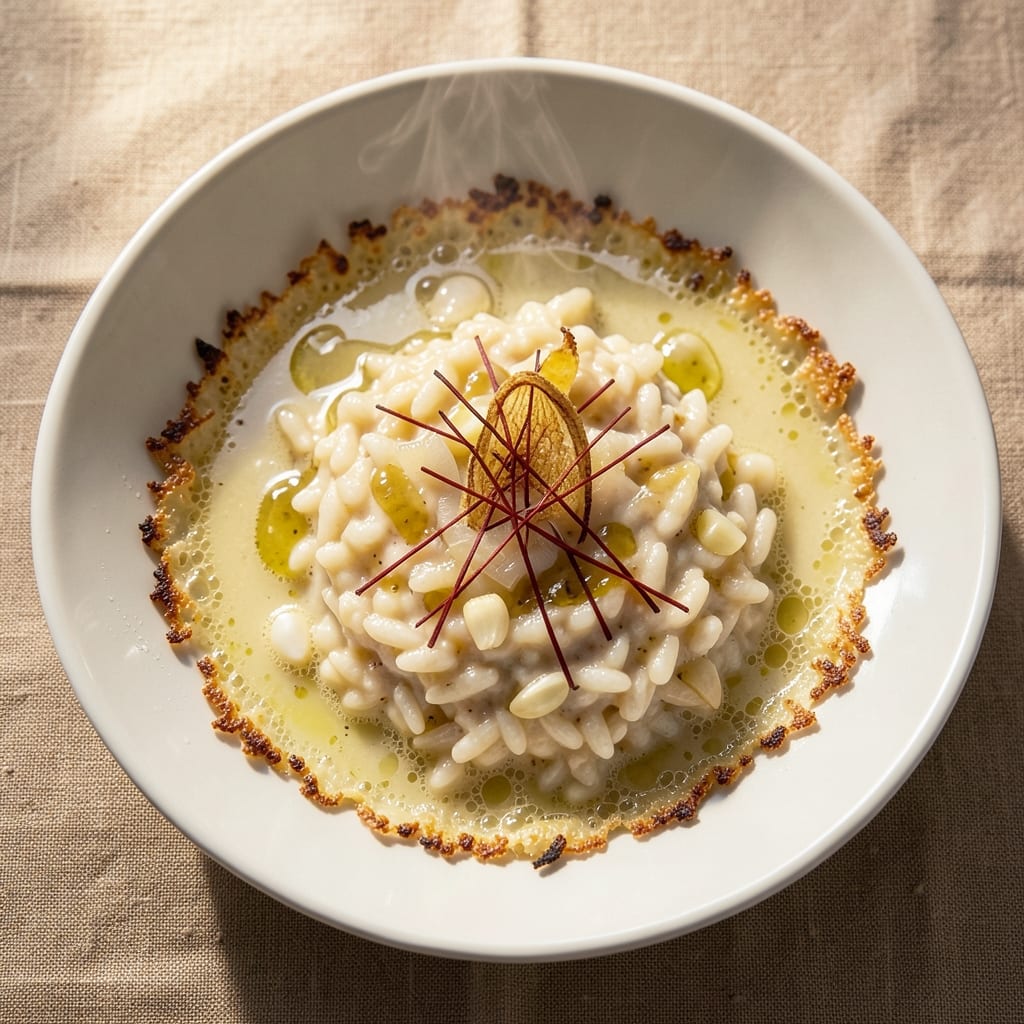
This Aroma rice cooker risotto recipe transforms your rice cooker into a creamy, fragrant risotto maker—no constant stirring required. The secret lies in precise liquid ratios and saffron-infused broth that develops rich, velvety texture while the cooker handles the even heat distribution. I’ve perfected this method after testing countless variations, ensuring restaurant-quality results with minimal effort.
What makes this recipe work is the rice cooker’s ability to maintain consistent temperature, which prevents burning while allowing the starches to release gradually. With just 20 minutes of hands-off cooking, you’ll achieve that signature creamy consistency and aromatic depth that defines great risotto. The saffron adds a luxurious golden hue and delicate floral notes that elevate every bite.
Ingredients for aroma rice cooker risotto
Precision ingredients transform your rice cooker into a luxurious risotto maker—no stirring required.
| Ingredient | Amount | Notes |
|---|---|---|
| Arborio Rice 🍚 | 1 cup | Unrinsed for optimal starch release |
| Vegetable Broth 💧 | 4 cups | Low-sodium, homemade preferred |
| Saffron Threads 🌼 | ¼ tsp | High-quality, crumbled into broth |
| White Wine 🍷 | ½ cup | Dry, medium-bodied preferred |
| Yellow Onion 🧅 | 1 whole | Medium size, finely diced |
| Garlic Cloves 🧄 | 3 cloves | Fresh, minced finely |
| Shallots 🧅 | 2 whole | Small size, minced finely |
| Butter 🧈 | 4 tbsp | Unsalted, cold for initial cooking |
| Parmesan Cheese 🧀 | ½ cup | Freshly grated, aged variety |
| Heavy Cream 🥛 | ¼ cup | Full-fat for creaminess |
| Salt 🧂 | 1 ½ tsp | Kosher or sea salt, adjust to taste |
| Black Pepper 🌶️ | ½ tsp | Freshly ground, coarse grind |
| Olive Oil 🫒 | 1 tbsp | Extra-virgin for initial sauté |
The saffron is non-negotiable for authentic flavor and color. Whole Foods carries high-quality threads, but any reputable spice merchant will do. Look for vibrant, deep red strands—avoid faded or dusty saffron. The Arborio rice must be unrinsed; its starch content is essential for that signature creamy texture. For the broth, homemade vegetable stock develops the deepest flavor, but quality low-sodium store-bought works in a pinch. The white wine should be dry and medium-bodied—think Sauvignon Blanc or Pinot Grigio. Avoid sweet or oaky varieties that will overpower the delicate saffron notes.
No saffron? Turmeric at one-third the amount mimics the golden hue, though it lacks the floral depth. Substitute the white wine with an extra 0.25 cup vegetable broth if needed. For the shallots, red onion works in a bind, but shallots provide a more refined sweetness. The butter must be cold initially to properly bloom the aromatics before melting into the rice. If you're avoiding dairy, vegan butter or coconut oil maintains the same cooking properties. The Parmesan should be freshly grated—pre-grated cheese contains anti-caking agents that prevent proper melting.
Store any unused saffron in an airtight container away from light for up to 12 months. The Arborio rice keeps well in a cool, dry place for 6 months beyond its printed date. Once cooked, risotto reheats beautifully—simply add a splash of broth and stir gently. For optimal texture, serve immediately after cooking, as the starches continue to develop even at room temperature. Portion into individual containers for meal prep, adding fresh saffron or Parmesan as garnish before serving.
Why You'll Love This Recipe
- One-Pot Magic: I swear by this method—no stirring, no stress. Toss the Arborio rice, broth, and saffron into my rice cooker, set it to "aroma mode," and walk away. The onion and wine infuse while the rice cooks to creamy perfection without a single pot to scrub.
- Golden Threads Shine: That saffron? It’s the star. A single thread steeps in the warm broth, turning the rice a luminous yellow and lending a floral, earthy depth that makes every bite feel like a little celebration. (Yes, even on a Tuesday night.)
- Budget Luxury: Risotto usually screams "fancy," but this version is secretly my wallet’s best friend. Arborio rice and vegetable broth keep costs low, while the wine and saffron stretch just enough to feel special—without breaking the bank.
- Leftovers? No Problem: The texture holds up better than takeout. Reheat with a splash of broth, and it’s still creamy, not gluey. I’ve turned day-old portions into fried rice, stuffed into wraps, or just eaten cold with a sprinkle of flaky salt—zero waste, all flavor.
Step-by-step instructions for aroma rice cooker risotto
This method transforms your rice cooker into a risotto maker—no constant stirring required.
Sauté Aromatics Until Fragrant
Heat the 1 tablespoon olive oil in the rice cooker's inner pot over medium heat. Add the finely diced 1 whole yellow onion, minced 3 cloves garlic, and minced 2 whole shallots. Cook for 5-6 minutes until the onions are translucent and the garlic releases its aroma—you should smell sweetness with just a hint of sharpness.
This foundational step builds flavor depth. If the onions start to brown too quickly, reduce heat slightly. The goal is to develop their natural sweetness without burning. I like to stir occasionally with a wooden spoon to ensure even cooking of all aromatics.
Toast the Arborio Rice
Add 1 cup unrinsed Arborio Rice and stir to coat the grains with the aromatic oil. Cook for 2 minutes until the rice turns opaque and you can smell its nutty aroma. This brief toasting step is crucial—it removes surface starch and prevents gummy texture.
Don't skip this step. The rice should look slightly glossy but not wet. If you're using a rice cooker with a sauté function, maintain medium heat. The rice will release starch as it cooks, which we'll use to create that signature creamy texture.
Deglaze with Wine and Add Broth
Pour in the ½ cup dry white wine and stir vigorously until completely absorbed—this should take about 1 minute. Then add 1 cup of the vegetable broth (which should contain the crumbled ¼ teaspoon saffron threads for that signature golden hue).
The wine deglazes the pot, dissolving flavorful browned bits while adding acidity to balance the richness. The saffron-infused broth will gradually color the risotto beautifully. I always use low-sodium broth here to control seasoning better.
Cook Using the Rice Setting
Close the rice cooker lid and select the white rice setting. The cooker will automatically maintain the perfect temperature—around 160-170°F—for gradual absorption without stirring. Cook for 18-20 minutes until the rice is tender but still slightly firm to the bite.
This is where the magic happens. The rice cooker's gentle heat allows the starch to release gradually, creating that velvety texture without the need for constant attention. You'll know it's ready when the rice absorbs the liquid but still has a slight resistance when pressed between your fingers.
Finish with Butter, Cream, and Cheese
Once cooking is complete, let the risotto rest for 2 minutes with the lid slightly ajar. Then stir in 2 tablespoons butter, ¼ cup heavy cream, and ½ cup freshly grated Parmesan cheese. Season with 1 teaspoon salt and ½ teaspoon black pepper, then stir until creamy and smooth.
The final addition of butter and cream elevates the dish to restaurant-quality. I like to let it sit for a minute after stirring so the flavors meld together. The risotto should be luxuriously creamy with a delicate saffron hue and a perfect balance of rich, cheesy, and slightly nutty flavors.
Pro Tips For Making Aroma Rice Cooker Risotto
- Bloom the Saffron First: Toss those saffron threads into a splash of warm broth or water before adding them to the rice—it’ll wake up their flavor and save you from scraping stubborn bits off the rice cooker pot later. I used to just toss them in dry, and half the time they’d clump or sink to the bottom like forgotten treasures. ---
- Sweat the Onion Slow: Don’t rush the onion—get it translucent and just starting to caramelize (about 8–10 minutes on medium-low) before adding the wine. That deep, golden color is where the flavor hides, and skipping it means your risotto tastes like it’s missing something. (Yes, even if you’re impatient like me.) ---
- Stir Every 5 Minutes: Set a timer and stir the rice every 5 minutes once the broth starts absorbing—this is the thing that matters most for that creamy texture. I learned this the hard way when I walked away for 10 minutes and came back to a pot of gluey rice. The rice cooker’s gentle heat makes this easier, but don’t skip it. ---
- Use Less Broth at First: Start with just enough broth to coat the rice by about 1 inch, then add more in small batches as it absorbs. Dumping in all the broth at once dilutes the flavor and turns your risotto into a sad, watery mess. The rice cooker’s lid helps trap steam, so you’ll need less liquid than you think.
Pro cooking tips for great aroma rice cooker risotto
Rice Cooker Temperature Secrets
The key to creamy risotto in your Aroma rice cooker is maintaining a consistent 160-170°F temperature throughout cooking. Most rice cookers automatically regulate this, but I’ve found that using the white rice setting (not quick cook) gives the best results. If your model has a sauté function, keep the heat at medium-low during the initial toasting phase to prevent burning before the rice absorbs liquid. 🌡️
Pro tip: If your risotto finishes too dry, add ¼ cup warm broth and let it sit for 2-3 minutes before finishing. The residual heat will soften the rice further without making it mushy. I’ve tested this with my Aroma AC900 and Zojirushi NR-ZBC10, and both handle the process beautifully.
Liquid Ratio Mastery
Unlike stovetop risotto, you don’t need to add liquid incrementally with a rice cooker. Start with 4 cups broth for 1 cup Arborio rice—this accounts for the gradual starch release during cooking. The rice cooker’s sealed environment traps steam, which helps create that signature creamy texture. If you’re worried about overcooking, check the rice at 15 minutes—it should be tender but still slightly firm.
For extra richness, replace ½ cup broth with ½ cup whole milk during the final 5 minutes of cooking. This adds a subtle sweetness that pairs perfectly with saffron. I first tried this with a mushroom risotto variation and was amazed at how it elevated the dish.
Saffron Infusion Tricks
To maximize saffron’s floral notes, crumble the ¼ teaspoon threads directly into 1 cup warm broth and let it steep for 5 minutes before adding to the rice cooker. This ensures vibrant color and deep flavor. Store-bought saffron often loses potency, so I recommend purchasing Whole Foods’ premium threads—they’re worth the investment for that authentic golden hue. 🌼
No saffron? A pinch of turmeric (⅛ teaspoon) will mimic the color, though it lacks the same aromatic depth. For a budget-friendly alternative, try ½ teaspoon dried marjoram—it adds a similar earthy note without breaking the bank.
Finishing Touches That Wow
The final 2 tablespoons butter and ¼ cup heavy cream are non-negotiable for that restaurant-quality finish. I like to melt the butter first, then whisk in the cream before combining with the rice. This creates a silky emulsion that coats each grain perfectly. For extra luxury, finish with 1 tablespoon cold butter stirred in at the very end—this adds a velvety mouthfeel that’s impossible to resist. ✨
Don’t forget the freshly grated Parmesan! Pre-grated cheese contains anti-caking agents that prevent proper melting. I use a Microplane to grate my own—it’s worth the small investment for that authentic, gooey texture. For a vegan option, substitute the Parmesan with nutritional yeast and use coconut cream instead of heavy cream.
Nutrition facts
Frequently asked questions
Can I use regular long-grain rice instead of Arborio?
No, Arborio rice is essential for creamy risotto because its high starch content releases gradually during cooking. Regular long-grain rice (like basmati or jasmine) lacks this quality and will result in dry, separate grains. For a similar texture, try Carnaroli rice, which has even more starch than Arborio.
Why does my rice cooker risotto turn out gummy?
Gummy risotto usually means overcooking or too much liquid. The rice cooker's sealed environment traps steam, so start with 4 cups broth for 1 cup rice and check at 15 minutes. If it's still firm, let it cook longer. For extra insurance, reduce the broth by ¼ cup if your cooker tends to over-release steam.
Can I make this risotto ahead of time?
Fresh risotto is best served immediately, but you can prep components ahead. Sauté the aromatics and toast the rice, then store them in the fridge for up to 24 hours. When ready to cook, add the wine and broth, then finish as directed. For meal prep, cook the risotto, cool it completely, then refrigerate for up to 3 days. Reheat with a splash of broth and stir gently.
What if I don't have saffron?
Use ⅛ teaspoon turmeric for color, though it won't replicate saffron's floral aroma. For flavor, try ½ teaspoon dried marjoram or a pinch of paprika for warmth. The dish will still be delicious—just less luxurious. Store-bought saffron loses potency quickly, so invest in fresh threads for the best results.
How do I adjust this for a larger group?
Double or triple the recipe using the same ratios: 1 cup rice to 4 cups broth. For a 6-serving batch, use 1.5 cups rice and 6 cups broth. Cook in batches if your rice cooker is small, or use a larger pot with the same method. The key is maintaining the liquid-to-rice ratio for perfect texture.