
Main Courses
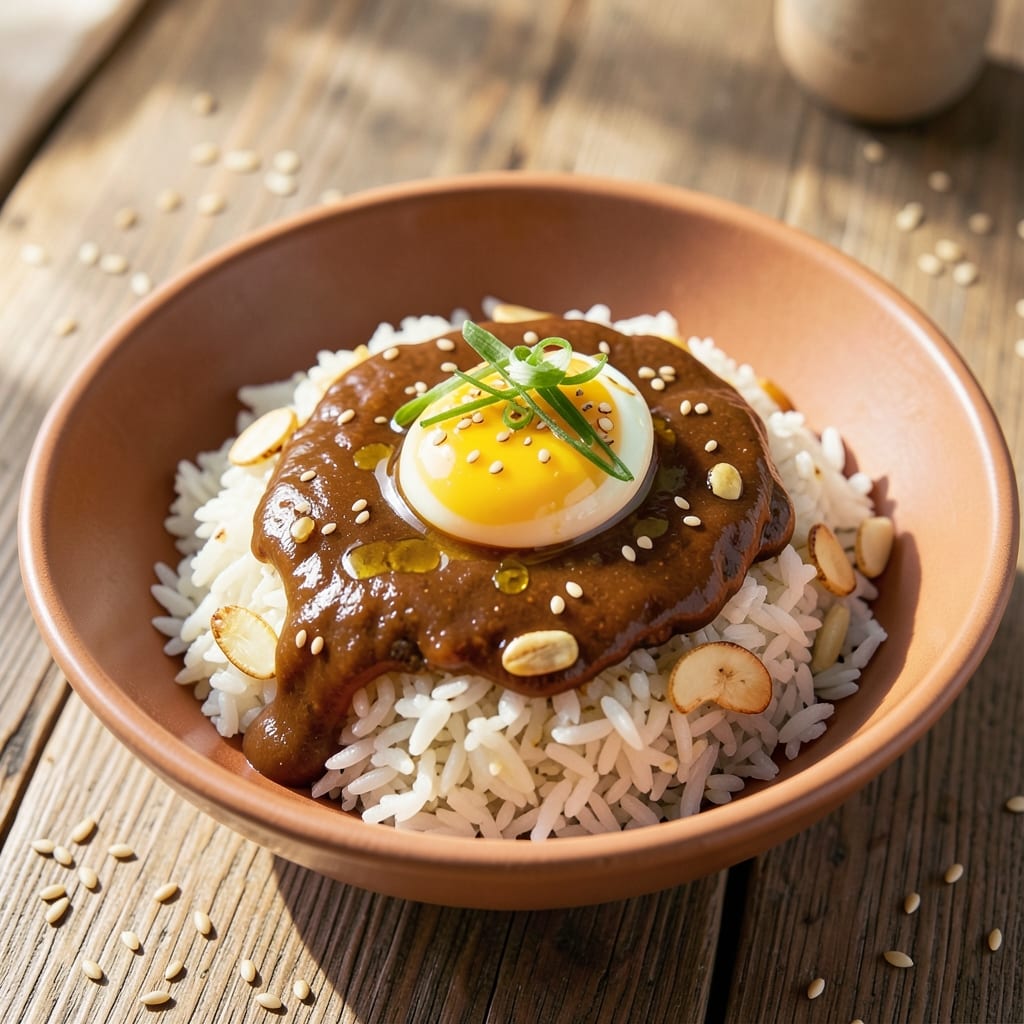
This Arirang fried rice recipe brings the bold flavors of Korean comfort food to your kitchen with its perfect balance of spicy, savory, and umami notes. 🌟 The dish starts with day-old rice stir-fried in a hot pan until fragrant, then layered with scrambled eggs, crisp vegetables, and a fiery gochujang sauce that creates an addictive depth of flavor. It’s the kind of meal that feels both nostalgic and exciting—exactly what makes it a staple in Korean homes.
The secret to authentic Arirang fried rice lies in the technique: high heat for quick cooking, a well-seasoned sauce, and the right ratio of ingredients—just enough protein and vegetables to complement the rice without overpowering it. I’ve refined this recipe to ensure every bite delivers that signature spicy, tangy, and slightly sweet harmony that makes it so irresistible. The dish is also incredibly versatile, easily adapted for vegetarians or those who prefer a milder heat level.
What you’ll end up with is a vibrant, fragrant fried rice that’s crisp at the edges and tender inside, topped with optional garnishes like sesame seeds or green onions for extra texture. The aroma alone—garlicky, umami-rich, and slightly smoky—will have everyone at the table asking for seconds. It’s the kind of dish that transforms a simple meal into a memorable experience, whether you’re cooking for family or hosting a gathering.
Ready in under 30 minutes, this recipe is perfect for weeknight dinners or meal prep. The instructions are straightforward, but the results are anything but basic—this is the kind of fried rice that turns heads and leaves people craving more. Let’s get started!
Ingredients for arirang fried rice
Day-old rice, gochujang, and fresh eggs—this trio creates the vibrant core of Arirang fried rice.
| Ingredient | Amount | Notes |
|---|---|---|
| Day-Old Cooked Rice 🍚 | 4 cups | Cold, preferably jasmine or short-grain |
| Large Eggs 🥚 | 4 whole | Freshly beaten for scrambling |
| Gochujang Paste 🌶️ | 2 tbsp | Korean chili paste, for authentic heat |
| Soy Sauce 🥄 | 2 tbsp | Korean or Japanese preferred |
| Sesame Oil 🫒 | 1 tbsp | Toasted for nutty aroma |
| Garlic Cloves 🧄 | 4 cloves | Minced for deep flavor |
| Green Onions 🧅 | ½ cup | Thinly sliced, white and green parts |
| Carrots 🥕 | ½ cup | Diced into small pieces |
| Zucchini 🍆 | ½ cup | Diced into small pieces |
| Vegetable Oil 🫒 | 3 tbsp | High smoke point preferred |
| Sesame Seeds 🌾 | 1 tbsp | Toasted for garnish |
| Salt 🧂 | ½ tsp | Kosher or sea salt |
| Black Pepper 🌶️ | ¼ tsp | Freshly ground preferred |
| Rice Vinegar 🍶 | 1 tbsp | For brightness |
| Sugar 🍬 | 1 tsp | Balances heat |
The gochujang is non-negotiable for authentic flavor—Maesilchun or Hanjin brands deliver the best balance of spice and umami. For the rice, jasmine or short-grain varieties are ideal—they stay separate and crispy when stir-fried. If you can’t find gochujang, Korean markets like H Mart or specialty Asian grocery stores stock it. The eggs should be freshly beaten—room temperature for even cooking. Skip the pre-shredded veggies; fresh, finely diced carrots and zucchini hold their texture better during the quick stir-fry.
No gochujang? Sriracha plus a pinch of sugar mimics the heat-sweet balance, though it lacks depth. Substitute zucchini with bell peppers or corn for a sweeter profile. The sesame oil is purely aromatic—use toasted sesame oil (not the cheap, neutral kind) for that nutty punch. For extra umami, add a dash of fish sauce (or soy sauce if vegetarian). The green onions should be white and green parts separated—white for cooking, green for garnish. If you’re short on time, frozen stir-fry veggies work, but fresh is always better.
This dish reheats beautifully—microwave 1-2 minutes or crisp in a hot pan. Store leftovers in an airtight container for up to 3 days in the fridge. For meal prep, portion into containers with a layer of plastic wrap pressed against the rice to prevent sogginess. The gochujang sauce can be pre-mixed and stored for up to 1 week in the fridge. Garnish with toasted sesame seeds right before serving—they add crunch and visual appeal.
Why You'll Love This Recipe
- No-Chop Nightmare: Between us, I’ve burned dinner trying to chop veggies for fried rice. This recipe skips the fuss—just toss in day-old rice, crack eggs, and stir. The gochujang does all the flavor work while you’re scrolling through your phone.
- Umami Bomb: That first bite? The gochujang and soy sauce marry into something ridiculously good—sweet, spicy, and salty all at once. Add a swirl of sesame oil at the end, and suddenly you’ve got restaurant-level depth with zero effort.
- Leftover Hero: I make a double batch on Sundays because this rice begs to be reheated. Cold or warm, it’s still packed with flavor—perfect for packed lunches or lazy takeout nights. (Yes, even on a Tuesday.)
- Budget Win: Five ingredients, zero waste. Day-old rice? That’s just free grains waiting to shine. Eggs stretch the filling factor, and gochujang lasts forever. My wallet and my taste buds thank me every time.
Step-by-step instructions for Arirang fried rice
This spicy Korean-inspired fried rice delivers bold flavors through precise technique.
🍳 Step 1: Scramble Eggs for Perfect Texture
Crack the 4 whole large eggs into a bowl and whisk vigorously until the yolks and whites are completely combined. Heat 1 tablespoon of the vegetable oil in a wok or large skillet over medium-high heat until shimmering. Pour in the egg mixture and let it sit undisturbed for 5-7 seconds before gently pushing the edges toward the center with a spatula.
This creates soft, custardy curds rather than rubbery scrambled eggs. Continue folding the eggs until they're just set but still slightly runny—about 20-30 seconds. Remove from the pan and set aside. The residual heat will finish cooking them slightly as you continue with the rice.
👨🍳 Step 2: Stir-Fry Vegetables with Garlic
In the same pan, add the remaining 2 tablespoons vegetable oil and heat over medium-high heat. Add the minced 4 cloves garlic and stir for 10-15 seconds until fragrant but not browned—this prevents bitter flavors. Add the diced 0.5 cup carrots and 0.5 cup zucchini, stirring constantly for 3-4 minutes until they begin to soften but still retain a slight crunch.
The vegetables should cook quickly over high heat to maintain their texture. If they release too much moisture, increase heat slightly to evaporate it. This step builds the flavor foundation while keeping the veggies vibrant.
🍳 Step 3: Combine Rice and Sauce Mixture
Add the 4 cups day-old cooked rice to the pan, breaking up any clumps with your spatula. In a small bowl, whisk together the 2 tablespoons gochujang paste, 2 tablespoons soy sauce, 1 tablespoon sesame oil, 1 tablespoon rice vinegar, 1 teaspoon sugar, 0.5 teaspoon salt, and 0.25 teaspoon black pepper. Pour this sauce mixture evenly over the rice and stir-fry for 2-3 minutes.
Use a wide spatula to scrape the bottom of the pan frequently, incorporating those delicious browned bits that add depth of flavor. The rice should begin to sizzle and take on a glossy appearance as it absorbs the sauce. This is where the authentic Arirang flavor develops.
🥘 Step 4: Finish with Eggs and Garnish
Return the scrambled eggs to the pan with the rice mixture. Add the 0.5 cup sliced green onions and toss everything together for another 1-2 minutes until the rice is heated through and the eggs are evenly distributed. The dish should be piping hot and fragrant with the aroma of sesame and garlic.
Remove from heat and immediately sprinkle with 1 tablespoon toasted sesame seeds. Serve while hot, garnished with additional green onions if desired. The perfect Arirang fried rice should have a balance of spicy, savory, and slightly sweet flavors with each bite.
Pro Tips For Making Arirang Fried Rice
- CRACK THE EGGS FIRST: The gochujang and soy sauce will make your rice sticky—don’t wait until the last second to scramble the eggs. Whisk them in a bowl with a splash of water (about 1 tablespoon) and set them aside while you prep everything else. Trust me, you’ll save yourself a greasy mess when the rice clumps together.
- USE COLD RICE: I learned this the hard way—warm rice turns to mush in fried rice. Spread your day-old rice on a tray and pop it in the freezer for 15 minutes before cooking. The cold grains hold their shape better and soak up the gochujang flavor like a sponge.
- STOP STIRRING WHEN IT LOOKS DONE: The second your rice is evenly coated in gochujang and just starting to crisp at the edges, pull it off the heat. Overworking it turns the dish into glue. Let the residual heat finish cooking it—about 20 seconds of resting is all it takes.
- SALT THE RICE BEFORE FRYING: Skip the soy sauce for seasoning until the very end. Instead, sprinkle a pinch of salt (about ½ teaspoon) over the cold rice before you start frying. It crisps the grains and balances the gochujang’s heat before the soy sauce’s umami kicks in.
Flavor customization for this recipe
Spice Level Control
Adjust the heat by reducing gochujang to 1 tbsp for mild or adding 1 tsp gochugaru (Korean red pepper flakes) for extra kick. I often start with 1.5 tbsp gochujang and taste as I stir-fry—this lets you fine-tune while cooking. For a smoky depth, add ½ tsp smoked paprika to the sauce mixture. 🌶️
Protein Swaps
Replace eggs with ½ lb diced pork shoulder (marinated in soy sauce) for a meatier version. For seafood lovers, swap in ½ lb cooked shrimp or ½ cup diced crab meat. Vegetarians can use ½ cup firm tofu pressed and cubed—toss it in the pan with the veggies until golden. 🥓
Veggie Variations
Swap zucchini for ½ cup corn kernels (fresh or thawed) for natural sweetness. Add ½ cup shredded cabbage for extra crunch or ½ cup diced bell peppers for a sweeter profile. For a heartier dish, include ½ cup chopped mushrooms sautéed until tender. 🥕
Sweet-Savory Balance
Boost sweetness with ½ tsp honey or ¼ tsp vanilla extract> in the sauce for depth. For umami richness, add 1 tsp fish sauce> (or soy sauce for vegan) to the sauce mixture. I sometimes stir in 1 tsp toasted sesame paste> for nutty complexity. ✨
Texture Tweaks
For extra crunch, add 2 tbsp crushed peanuts> or 1 tbsp fried shallots> at the end. Make it creamy by stirring in 1 tbsp coconut milk> with the sauce. For a smoky finish, top with 1 tsp toasted sesame seeds> and a drizzle of chili oil>. 💫
Nutrition facts
Frequently asked questions
Why does this recipe call for day-old rice?
Day-old rice is less sticky and absorbs flavors better than freshly cooked rice. The slightly dried grains create crispy edges when stir-fried, giving that perfect texture. Plus, it prevents a mushy final dish!
Can I make this recipe without gochujang?
Yes! Mix 1 tbsp sriracha with ½ tsp sugar for a similar heat-sweet balance. For deeper flavor, add ½ tsp smoked paprika to mimic gochujang's complexity. The dish will still taste great—just with a slightly different profile.
How do I adjust the spice level for kids?
Reduce gochujang to 1 tbsp and add ½ tsp honey to balance any remaining heat. For extra mildness, swap the gochujang entirely for 1 tbsp soy sauce plus ½ tsp garlic powder. Always taste as you cook!
What's the best way to reheat leftovers?
Spread cold fried rice on a baking sheet and bake at 350°F (175°C) for 5-7 minutes to restore crispiness. Or microwave for 1-2 minutes with a damp paper towel over it to prevent drying. Never reheat in the pan—it'll turn soggy!
Can I make this vegetarian?
Replace eggs with ½ cup cubed tofu (pressed and pan-fried) or ½ cup chickpeas. Use 1 tbsp soy sauce instead of fish sauce for umami. The dish keeps all its vibrant flavors while being completely plant-based.