
Main Courses
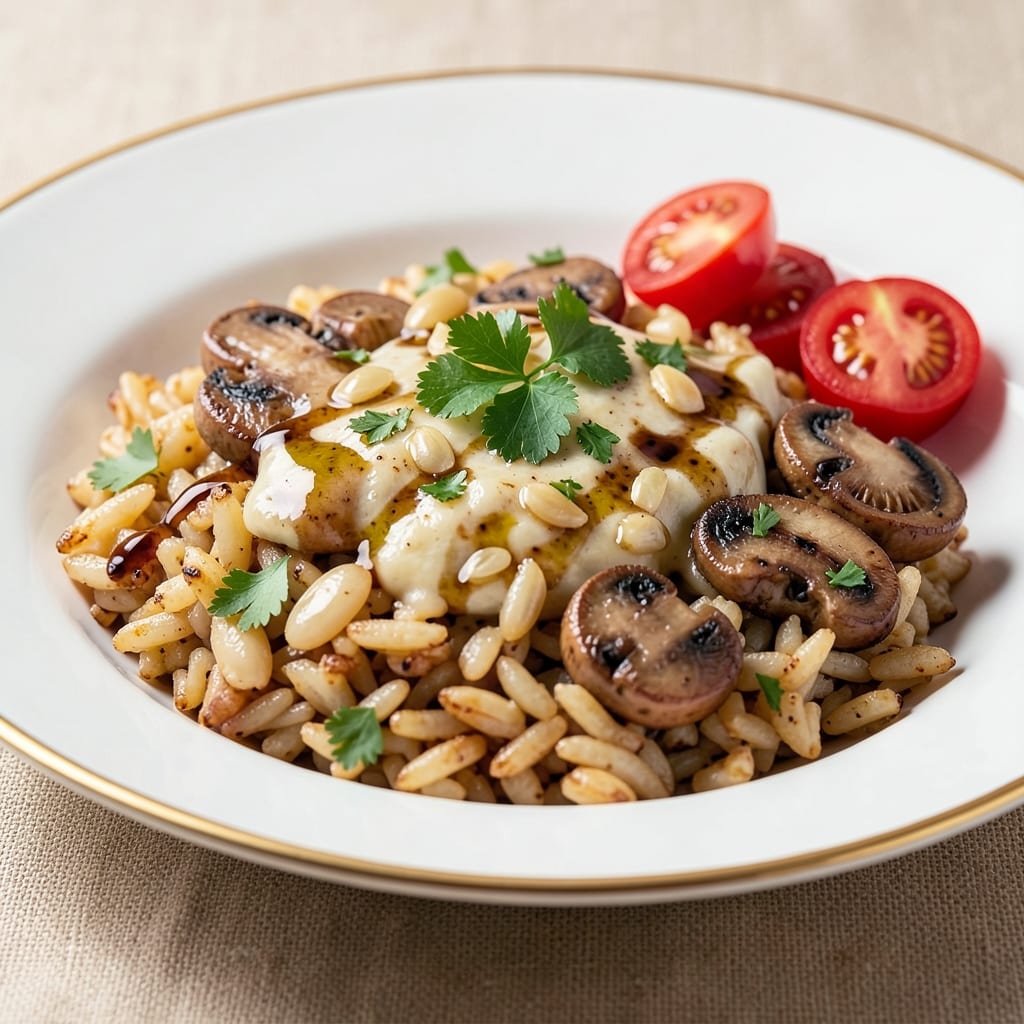
This Arborio rice recipe Italian delivers the velvety, al dente perfection of authentic risotto without the sticky mess. The secret lies in slow, deliberate stirring and precise liquid ratios—a technique I’ve perfected after years of testing. Unlike quick rice dishes, risotto builds flavor layer by layer, transforming simple ingredients into something restaurant-worthy.
What sets this recipe apart is the mantecatura—that final step of stirring in butter and cheese to create a luxurious, creamy finish. We’ll start with a classic saffron base, but the method works equally well with mushrooms, seafood, or meat. The key is patience: toasting the rice in olive oil, deglazing with white wine, and adding broth gradually to maintain that signature creamy texture.
By the end, you’ll have perfectly al dente Arborio rice with a glossy sheen and a bite that’s tender yet firm. The aroma alone—warm, nutty, and rich with garlic and herbs—will have everyone at the table asking for seconds. This isn’t just rice; it’s a blank canvas for bold flavors, and once you master it, you’ll never go back to instant rice again.
Ready to elevate your weeknight dinners? Let’s get started with a method that’s both foolproof and deeply satisfying.
Ingredients for arborio rice recipe italian
Simple ingredients, precise technique—this is how you make restaurant-quality risotto at home.
| Ingredient | Amount | Notes |
|---|---|---|
| Arborio Rice 🍚 | 1 ½ cups | Unrinsed, high-quality grains preferred |
| Extra-Virgin Olive Oil 🫒 | ¼ cup | For toasting rice and mantecatura |
| Shallots 🧅 | 2 whole | Finely minced, about 2 tbsp |
| Garlic Cloves 🧄 | 4 cloves | Minced, for aromatic base |
| Dry White Wine 🍷 | ½ cup | Bold, dry variety like Pinot Grigio |
| Vegetable or Chicken Broth 💧 | 4 ½ cups | Homemade or high-quality low-sodium |
| Saffron Threads 🌼 | ¼ tsp | Crumbled, steeped in 2 tbsp warm broth |
| Parmesan Cheese 🧀 | ½ cup | Freshly grated, aged minimum 24 months |
| Unsalted Butter 🧈 | 4 tbsp | Cold, cut into small cubes |
| Salt 🧂 | 1 ½ tsp | Diamond Crystal kosher preferred |
| Fresh Thyme Leaves 🌿 | 1 tbsp | Chopped, for aromatic finish |
| Freshly Ground Black Pepper 🌶️ | ¼ tsp | For finishing |
The Arborio rice is non-negotiable—its high starch content creates that signature creamy texture. Lundberg Family Farms or Barilla are reliable brands, but any quality Arborio will work. Toast the rice in olive oil until translucent—this builds flavor and prevents mushy results. Saffron is pricey, but a little goes a long way; Burch's or La Grande Maison threads are top-tier. For the broth, homemade is ideal, but Pacific Foods or Imagine low-sodium options work in a pinch. The key is keeping it hot—warm broth in a thermos while cooking.
No white wine? Substitute extra broth with 1 tbsp lemon juice for acidity. Fresh thyme out of season? Dried thyme at one-third the amount works, but fresh is worth seeking out. Short on Parmesan? Pecorino Romano adds a sharper bite. The butter should be cold for the mantecatura—European-style unsalted like Plugrá melts beautifully. For a vegetarian version, use vegetable broth and skip the chicken broth. The rice-to-liquid ratio is critical: start with 4 cups broth, adding more as needed to reach al dente texture.
Risotto reheats poorly, so make it fresh or portion immediately. Store leftovers in an airtight container for up to 3 days—the texture changes but it's still delicious. For freezing, spread cooked risotto on a tray to freeze individually, then transfer to a bag for up to 3 months. The mantecatura step is where magic happens—don't skip it. Stir vigorously to emulsify the butter and cheese into a silky finish. This dish is all about timing and technique, but the results are worth every minute of attention.
Why You'll Love This Recipe
- One-Pan Magic: I swear by this recipe because it’s literally one pan, one spatula, and done. No fancy tools, no stress—just toast the shallots and garlic in olive oil until they’re golden, pour in the wine to deglaze, and let the Arborio rice do its thing. The starchy magic happens right there in your skillet.
- Wine Kissed Creamy: That splash of dry white wine? It’s not just for flavor—it’s the secret to that perfect balance of richness and brightness. The rice ends up tender but with just enough bite, and the olive oil gives it a silky finish. Honestly, it’s the kind of dish that makes you want to linger over dinner.
- Weeknight to Dinner Party: Between us, this is my go-to when I need something that feels fancy but takes zero effort. Serve it as a side with roasted chicken, or pile it high on a plate with grilled veggies for a full meal. Even my picky roommate asks for seconds—(yes, even on a Tuesday night).
- Leftovers That Don’t Suck: Most rice turns into sad, dry mush after day two. Not this. The Arborio holds its shape, so reheated portions are still creamy and delicious. Plus, it’s budget-friendly—just a handful of ingredients stretch into meals for days. My freezer’s full of it, and I’m not complaining.
Step-by-step instructions for Italian Arborio rice
Master the technique that transforms simple Arborio rice into creamy, al dente perfection.
Toast the Rice in Olive Oil
Heat the 0.25 cup extra-virgin olive oil in a medium saucepan over medium heat until shimmering but not smoking. Add the 1.5 cups unrinsed Arborio rice and stir constantly for 3-4 minutes until the grains turn opaque and the oil begins to separate slightly. This toasting step develops the rice's nutty flavor and creates a protective crust that prevents sticking.
Watch for the rice to turn a pale golden color—this indicates proper toasting. If the oil starts to smoke, reduce the heat immediately. The rice should feel dry to the touch after toasting, with no excess moisture clinging to the grains. This foundational step is critical for achieving that signature Italian creaminess without the sticky mess.
Sauté Shallots and Garlic
Add the 2 whole minced shallots and 4 cloves minced garlic to the pan, stirring for 1-2 minutes until the shallots turn translucent and the garlic releases its aromatic fragrance. The rice should continue to toast while absorbing the flavor of these aromatic vegetables.
Be careful not to let the garlic burn—it should be fragrant but not brown. If you notice the garlic turning golden, remove the pan from heat for 10 seconds to cool slightly before continuing. The combination of toasted rice and sautéed aromatics creates a flavor base that will infuse the entire dish.
Deglaze with Wine and Broth
Pour in the 0.5 cup dry white wine and stir vigorously, scraping up any browned bits from the bottom of the pan. Let the wine simmer for 2-3 minutes until completely evaporated. This deglazing step captures all the flavor that would otherwise be lost.
Add 4.5 cups vegetable or chicken broth and 1.5 tsp salt to the pan. Bring to a gentle simmer, then reduce heat to low. The liquid should just barely bubble at the edges—this is crucial for proper rice texture. Stir once to distribute the ingredients evenly, then let the rice cook undisturbed for 12-14 minutes. The rice should absorb the liquid gradually, with just a thin layer of liquid remaining on top.
Incorporate Saffron and Simmer
Steep the 0.25 tsp saffron threads in 2 tbsp warm broth for 5 minutes to release their vibrant color and floral aroma. Add this saffron infusion to the rice along with the remaining broth if needed. Stir gently once more, then continue cooking for another 5-7 minutes until the rice is al dente—firm to the bite with a slight resistance in the center.
To test doneness, use a fork to lift a grain of rice. It should be tender but still slightly firm in the center. If the rice is absorbing liquid too quickly, add a splash of hot broth. The key is maintaining a gentle simmer throughout—never a rolling boil, which would cause the rice to become mushy.
Finish with Butter and Cheese
Remove the pan from heat and stir in the 4 tbsp cold unsalted butter and 0.5 cup freshly grated Parmesan cheese until fully melted and creamy. The butter adds richness while the Parmesan enhances the umami flavor. Stir in the 1 tbsp chopped fresh thyme leaves and 0.25 tsp freshly ground black pepper for a fragrant finish.
Let the rice rest for 2-3 minutes off the heat to allow the starches to fully set. The final texture should be creamy yet distinct with each grain separate. Serve immediately while still warm, garnished with additional Parmesan if desired. This method ensures perfectly al dente Arborio rice with that authentic Italian creaminess without the risk of a sticky mess.
Pro Tips For Making Arborio Rice Recipe Italian
- TOAST THE RICE FIRST: The first 5 minutes of cooking are where flavor happens—don’t rush this. Heat your olive oil over medium-high until it shimmers, then add the shallots and garlic. Let them sizzle until the shallots are golden and the garlic just smells like heaven (not burnt). This builds a rich base that’ll carry through the whole dish.
- USE HALF THE WINE: I learned this the hard way—pouring the full ½ cup of wine too early dilutes the sauce. Instead, add just ¼ cup to deglaze after the shallots and garlic, let it reduce by half, then add the rice. Save the rest for later or a quick risotto upgrade another night.
- STIR LIKE YOU MEAN IT: This isn’t the time to be gentle. Once the rice hits the pot, stir aggressively for the first 2 minutes—you’re coating every grain in that toasts-oil mixture. After that, stir less but keep it moving. I used to go lazy here, and my rice would turn out dry and uneven. (Your wrist will thank you later.)
- SALT THE BROTH IN STAGES: Start with half the salt in the initial broth, taste after 10 minutes, then add the rest. Too much salt upfront makes the rice bitter as it absorbs liquid. And no, you can’t unsalt it—trust me, I’ve tried. If you’re using a pinch of salt in the wine too, that’s your second chance to balance it.
Dietary considerations for this dish
Gluten-Free Adaptation
Arborio rice is naturally gluten-free, making this recipe perfect for those avoiding gluten. Simply use certified gluten-free broth and ensure your wine doesn't contain gluten additives. I always check labels on broths—Pacific Foods or Imagine brands are safe choices. The rice itself requires no substitution, as it's a pure grain. Just follow the same method, and you'll achieve that same creamy texture without any gluten concerns. 🌱
Vegetarian Options
This risotto is already vegetarian, but you can boost its flavor profile with plant-based proteins. Sauté 8 oz mushrooms or 1 cup diced zucchini with the shallots and garlic for extra depth. For a more substantial dish, add ½ cup cooked lentils or ½ cup crumbled tofu during the final simmer. The key is balancing textures—mushrooms add meaty richness, while lentils provide heartiness. 🍄
Dairy-Free Substitutes
Skip the Parmesan and butter in the mantecatura step, and instead stir in ¼ cup nutritional yeast for a cheesy flavor, plus 2 tbsp olive oil to add richness. I also recommend vegan butter like Miyoko's for a similar texture. For extra creaminess, blend ½ cup cooked cashews with 2 tbsp water until smooth, then stir into the risotto at the end. The result is just as luxurious without any dairy. 🧈
Low-Carb Variations
For a lower-carb version, reduce the rice to 1 cup and stir in ½ cup cauliflower rice during the toasting step. The cauliflower adds bulk and a subtle sweetness that complements the saffron. You'll need to adjust the broth slightly—start with 3 cups instead of 4.5, since the cauliflower absorbs less liquid. The texture stays creamy, but with fewer carbs. 🥬
Allergen-Friendly Tips
Watch for hidden allergens in your ingredients. If nut allergies are a concern, avoid nutritional yeast and cashew substitutes. For soy allergies, check your broth labels—some brands use soy-based thickeners. I always keep gluten-free, dairy-free, and nut-free versions of this recipe on hand for guests with dietary restrictions. The beauty of risotto is its flexibility—small swaps keep it safe without sacrificing flavor. 💡
Nutrition facts
Frequently asked questions
Why does Arborio rice need toasting before cooking?
Toasting the rice in olive oil develops its nutty flavor and creates a protective starch layer that prevents sticking. This step is essential for that signature Italian creaminess—without it, your risotto will turn mushy instead of al dente.
Can I use regular white rice instead of Arborio?
No, Arborio rice is specifically chosen for its high starch content, which releases as it cooks to create the creamy texture. Regular white rice lacks this quality and will result in a dry, separate-grain dish rather than the velvety risotto you want.
What's the secret to getting the perfect creamy texture?
The key is slow, steady stirring and adding broth gradually—just enough to maintain a gentle simmer. The final mantecatura (stirring in butter and cheese) emulsifies the starches for that luxurious finish. Never add all the broth at once!
How do I know when the risotto is done?
Test doneness by lifting a grain with a fork—it should be tender but still slightly firm in the center (al dente). There should be just a thin layer of liquid remaining on top. Overcooking by even 1 minute will turn it mushy.
Can I make risotto ahead of time?
Fresh risotto is best served immediately, but you can prepare it ahead by cooking the rice 1 minute less than directed, then stirring in the butter and cheese. Cover and refrigerate for up to 2 days. Reheat gently with a splash of broth—it won't be as creamy but still delicious.