
Desserts
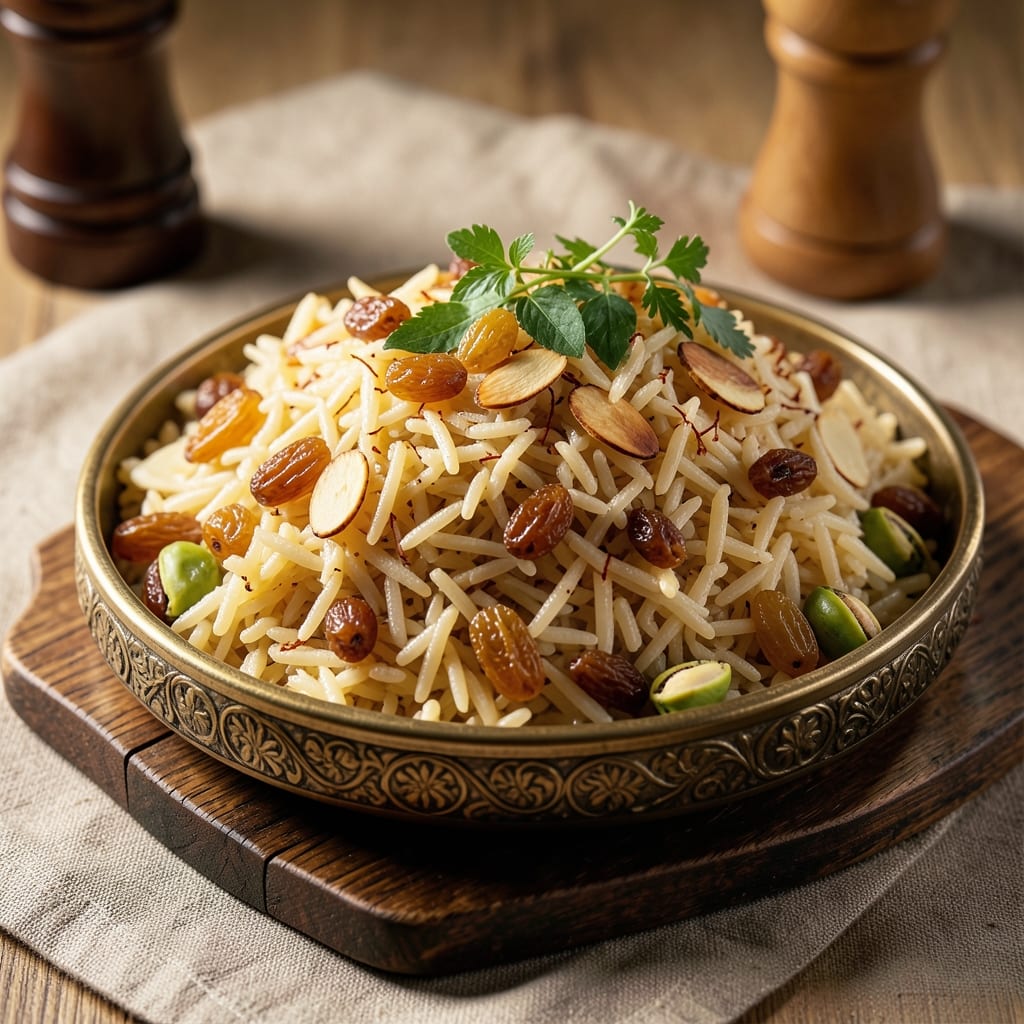
This Arabic sweet rice recipe brings the essence of Middle Eastern hospitality to your table with its fragrant saffron and delicate rosewater notes. 💛 The dish, known as Riz bi'l Hob or "rice with love," is traditionally served at celebrations, where its golden grains and floral aroma create an unforgettable centerpiece. What makes this recipe special is the balance of textures—soft, fragrant rice with tender raisins and toasted nuts, all infused with warm spices like cinnamon and cardamom.
The foundation of this dish lies in its slow cooking process, where basmati rice simmers in a rich, sweetened broth until each grain is tender yet distinct. Unlike many sweet rice dishes, this version incorporates ghee for a luxurious depth of flavor, while rosewater and saffron elevate it to something truly extraordinary. The result is a dish that feels both comforting and celebratory, perfect for special occasions or when you want to impress guests with a taste of tradition.
By the time you serve this, your kitchen will be filled with the intoxicating scent of saffron and rosewater, and each bite will deliver a harmonious blend of sweet, nutty, and floral flavors. The dish pairs beautifully with grilled meats or as a standalone dessert, making it versatile enough for any meal. Whether you're recreating a family recipe or exploring Middle Eastern cuisine for the first time, this sweet rice will leave a lasting impression.
Ready to master this timeless dish? The instructions are straightforward, and the ingredients—many of which you may already have—come together to create something truly magical. Let’s get started on this fragrant journey to the heart of Arabic culinary tradition.
Ingredients for arabic sweet rice
Pantry staples meet exotic flavors in this fragrant rice dish—think saffron, rosewater, and toasted nuts.
| Ingredient | Amount | Notes |
|---|---|---|
| Long-Grain Basmati Rice 🍚 | 2 cups | Uncooked, rinsed thoroughly |
| Ghee 🧈 | ½ cup | Clarified butter for rich flavor |
| Saffron Threads 💛 | ¼ tsp | High-quality, soaked in 1 tbsp warm water |
| Rosewater 🌹 | 1 tbsp | Pure, food-grade only |
| Golden Raisins 🍇 | ½ cup | Plump, not shriveled |
| Slivered Almonds 🥜 | ¼ cup | Toasted lightly for crunch |
| Ground Cinnamon 🌿 | 1 tsp | Freshly ground preferred |
| Ground Cardamom 🌿 | ½ tsp | Whole pods crushed if available |
| Pistachios 🌰 | ¼ cup | Shelled, roughly chopped |
| Granulated Sugar 🍚 | ½ cup | White or light brown |
| Salt 🧂 | ½ tsp | Fine sea salt preferred |
| Water 💧 | 3 cups | Filtered or spring water |
| Orange Blossom Water 🍊 | 1 tsp | Optional, for extra floral note |
Saffron is the star here, so don't skimp—the good stuff costs more but makes all the difference. I grab mine from Penzeys or the bulk spice section at Whole Foods, where it's labeled clearly. Rosewater should be pure, food-grade only—avoid perfumes or cosmetics. For the nuts, toast them yourself (5 minutes in a dry pan) for that extra crunch. Pistachios and almonds add texture, but if you're feeling adventurous, swap in hazelnuts or walnuts. The ghee? Use full-fat, organic if possible—it's what gives this dish that luxurious depth.
No saffron? Turmeric at half the amount will give you color, but no floral flavor. Short on rosewater? A few drops of orange blossom water (if you have it) or even a splash of vanilla extract in a pinch. The raisins can be dried cranberries if you prefer tartness. For the spices, if you've got whole cardamom pods, toast and grind them fresh—game changer. The sugar is just for sweetness here, but if you want to cut calories, coconut sugar works one-to-one. And if you're feeling fancy, add a pinch of ground ginger for warmth.
This rice tastes even better the next day—honestly, the flavors meld more. Store it in an airtight container in the fridge for up to 4 days, or freeze portions for 3 months. I like to portion it into individual servings so it's ready to reheat for guests. If you're serving this at a gathering, make a double batch—the scent alone will have everyone asking what's for dinner. The nuts and raisins keep well too, so you can prep those ahead of time and just assemble when ready.
Why You'll Love This Recipe
- No-Fuss Ingredients: I swear by this list—just rice, ghee, saffron, and raisins. That’s it. No chopping, no blending, no last-minute grocery runs. The raisins soften perfectly while the rice cooks, and the saffron? One tiny pinch transforms everything. Honestly, I keep these staples in my pantry just for this.
- Golden, Fragrant Magic: The moment the ghee melts into the rice, that nutty aroma fills the kitchen. Saffron threads steeped in warm water? Pure luxury. A splash of rosewater ties it all together—sweet, floral, and just enough to make your taste buds sit up. (Yes, even on a Tuesday night.)
- Weeknight to Celebration: This rice is my go-to for lazy dinners, but it also feels fancy enough for guests. Serve it alongside grilled chicken or lamb, and suddenly your meal feels like a feast. Or pack it for lunch—it reheats beautifully and tastes just as good cold.
- Budget-Friendly Luxury: Ghee might sound fancy, but a little goes a long way. Saffron is pricey, but you only need a thread or two. Golden raisins? Cheap and cheerful. This recipe stretches easily for leftovers, and I’ve fed a crowd with just one big pot. My secret weapon for stretching meals without breaking the bank.
Step-by-step instructions for Arabic sweet rice
Here's how to create this fragrant, floral-infused rice dish that's perfect for special occasions.
🍳 Step 1: Toast the Nuts and Spices
Heat the 0.5 cup ghee in a large, heavy-bottomed pot over medium heat until it shimmers but doesn't smoke. Add the 0.25 cup slivered almonds and 0.25 cup pistachios and toast for 2-3 minutes until they turn golden and release their aroma.
Real talk: Don't walk away during this step. Toasting too long will burn the nuts and make them bitter. You'll see them start to dance in the pot—that's your signal they're ready. Remove the nuts with a slotted spoon and set them aside on a plate. In the same pot, add the 1 tsp ground cinnamon and 0.5 tsp ground cardamom, stirring for 30 seconds until fragrant. This step builds the aromatic foundation of your dish.
👨🍳 Step 2: Prepare the Saffron Infusion
While the spices toast, soak the 0.25 tsp saffron threads in 1 tablespoon warm water for 5 minutes to extract their vibrant color and flavor. In a small bowl, whisk together the saffron infusion, 1 tablespoon rosewater, 1 teaspoon orange blossom water, and 0.5 cup granulated sugar until the sugar dissolves completely.
This floral-sweet mixture is what transforms ordinary rice into something extraordinary. Here's the thing—don't skip the warm water for the saffron. Cold water won't extract the color properly, and you'll end up with pale, flavorless rice. The sugar helps balance the floral notes and prevents the rice from becoming too fragrant.
🍳 Step 3: Cook the Rice with Fragrant Layers
Add the 2 cups long-grain basmati rice to the pot with the spices and stir to coat it evenly. Pour in the 3 cups water and bring to a boil over high heat. Once boiling, reduce heat to low and stir in the saffron-sugar mixture. Add the 0.5 cup golden raisins and the toasted nuts, then cover the pot with a tight-fitting lid.
Simmer for 15 minutes without lifting the lid. This low-and-slow approach allows the rice to absorb the flavors evenly. After 15 minutes, add the 0.5 teaspoon salt and stir gently. The salt should be added later to prevent the rice from becoming gummy. This is the moment that matters: the rice should be tender but still have a slight bite—it'll finish cooking with the residual heat.
⏰ Step 4: Rest and Fluff to Perfection
Turn off the heat and let the rice sit covered for 10 minutes. This resting period is crucial—it allows the steam to redistribute and the rice to finish cooking evenly. After resting, gently fluff the rice with a fork, being careful not to mash the grains. The rice should be tender with a slight resistance when pressed between your fingers.
If you find any grains that are still firm, you can cover the pot and return it to low heat for another 2-3 minutes to finish cooking. The final texture should be separate grains with a delicate, fragrant aroma. Your kitchen should smell like a blend of warm spices, floral notes, and toasted nuts—this is your reward for following the steps carefully.
Pro Tips For Making Arabic Sweet Rice
- Bloom the Saffron First: I learned this the hard way—dry saffron threads straight into hot ghee taste like disappointment. Instead, steep them in 2 tablespoons warm water for 10 minutes first, then strain. The liquid carries the color and aroma into the rice, not just on top.
- Toast Raisins Until Golden: Skip the raw raisins—they’ll just turn mushy. Dry-toast them in a separate pan with 1 teaspoon ghee until puffed and fragrant (about 5 minutes). They’ll add texture and depth that store-bought soaked raisins can’t match.
- Use a Heavy Pot: Thin stainless steel or nonstick? You’re asking for uneven cooking. A heavy-bottomed pot (even a small Dutch oven) distributes heat better, preventing scorched ghee at the edges while keeping the rice tender. Trust me, your rice will thank you.
- Add Rosewater Last: Too early, and the alcohol burns off unevenly. Stir in the rosewater with the final splash of water—just before covering the pot. This keeps the floral notes bright and prevents that harsh, cooked-alcohol smell. (Yes, even if you’re impatient like me.)
Pro cooking tips for perfect results
Ghee Over Water
This recipe uses ghee instead of water for cooking the rice, which creates a richer, more aromatic base. The key is to start with 0.5 cup ghee in your pot—it should shimmer but not brown. Ghee has a higher smoke point than butter, so it won’t burn easily. If you’re short on ghee, you can substitute with butter or neutral oil, but the flavor won’t be as luxurious. I’ve found that using grass-fed ghee adds a subtle sweetness that complements the saffron and rosewater perfectly. 🧈
Saffron Activation
The saffron threads must be soaked in warm water for at least 5 minutes before adding them to the rice. Cold water won’t extract the vibrant color or deep flavor. I like to crush the threads slightly with the back of a spoon to release more of their essence. If you’re using high-quality saffron, you’ll notice the water turns a beautiful golden hue—this is your sign it’s ready. Pro tip: Save the leftover saffron water for cocktails or desserts; it’s packed with flavor. 💛
Low-and-Slow Simmer
After adding the rice, water, and saffron mixture, reduce the heat to low and let it simmer gently for 15 minutes. The lid should stay on the entire time to trap steam and infuse the rice evenly. Avoid peeking or stirring too much—this disrupts the cooking process. If you see bubbles forming too vigorously, reduce the heat slightly. The goal is tender rice with distinct grains, not mushy or undercooked. 🔥
Salt Timing Matters
Add the 0.5 teaspoon salt only after the initial 15-minute simmer. Salting too early can make the rice absorb too much water and turn gummy. Stir gently when adding the salt to distribute it evenly. If your rice is still firm after resting, return it to low heat for 2-3 minutes to finish cooking. The final texture should be fluffy yet distinct, with each grain separate and fragrant. 💡
Resting for Perfection
Letting the rice rest for 10 minutes after cooking is non-negotiable. This step allows the steam to redistribute, ensuring every grain absorbs the flavors evenly. During this time, resist the urge to fluff or check the rice—patience is key. When you finally fluff it with a fork, you’ll notice the grains separate beautifully, releasing that intoxicating aroma of saffron, rosewater, and toasted nuts. Trust me, this makes all the difference. ✨
Nut Toasting Tricks
Toast the almonds and pistachios in the same pot where you’ll cook the rice—this transfers their nutty aroma directly into the dish. Toast them for 2-3 minutes until golden, then remove them immediately to prevent burning. If you’re short on time, you can toast them in a dry skillet, but the flavor won’t be as integrated. For extra crunch, sprinkle a pinch of flaky sea salt over the nuts before adding them to the rice. 🥜
Nutrition facts
Frequently asked questions
Can I make this sweet rice without saffron?
Yes, but the dish will lose its signature golden color and floral depth. For a substitute, use ½ teaspoon turmeric (for color) plus ¼ teaspoon cardamom (for warmth) to mimic some of the flavor. The texture will remain the same, but the aroma won't be as complex. If you're feeling adventurous, try ½ teaspoon annatto powder for color and a pinch of vanilla extract for sweetness.
How do I store leftover Arabic sweet rice?
Store in an airtight container in the fridge for up to 4 days, or freeze for 3 months. Reheat gently in a pot with 1 tablespoon water over low heat until warmed through. For best results, portion into single servings before freezing so you can reheat just what you need. The flavors actually improve overnight—it's even more fragrant the next day!
What's the difference between this and Makrouk?
This recipe is Riz bi'l Hob (rice with love), while Makrouk is a layered rice dish wrapped in banana leaves with meat and spices. Makrouk uses short-grain rice and is steamed, while this version uses basmati rice simmered in a sweet broth. Both are delicious but serve different purposes—Makrouk is more of a main dish, while this sweet rice works as a dessert or side.
Can I make this rice less sweet?
Reduce the sugar to ¼ cup and omit the raisins if you prefer a milder sweetness. The natural sweetness from the nuts and ghee will still shine through. For a savory version, replace the sugar with ½ teaspoon salt and add 1 teaspoon lemon zest instead of rosewater. The floral notes will still complement the spices beautifully.
Why does my rice turn out mushy?
Mushy rice usually happens from one of three issues: too much water, stirring while cooking, or adding salt too early. Stick to the 1:1.5 rice-to-water ratio (2 cups rice to 3 cups water), avoid peeking under the lid, and add salt only after the initial 15-minute simmer. If it's still mushy after resting, spread it on a baking sheet and bake at 300°F for 10 minutes to dry it out.