
Side Dishes
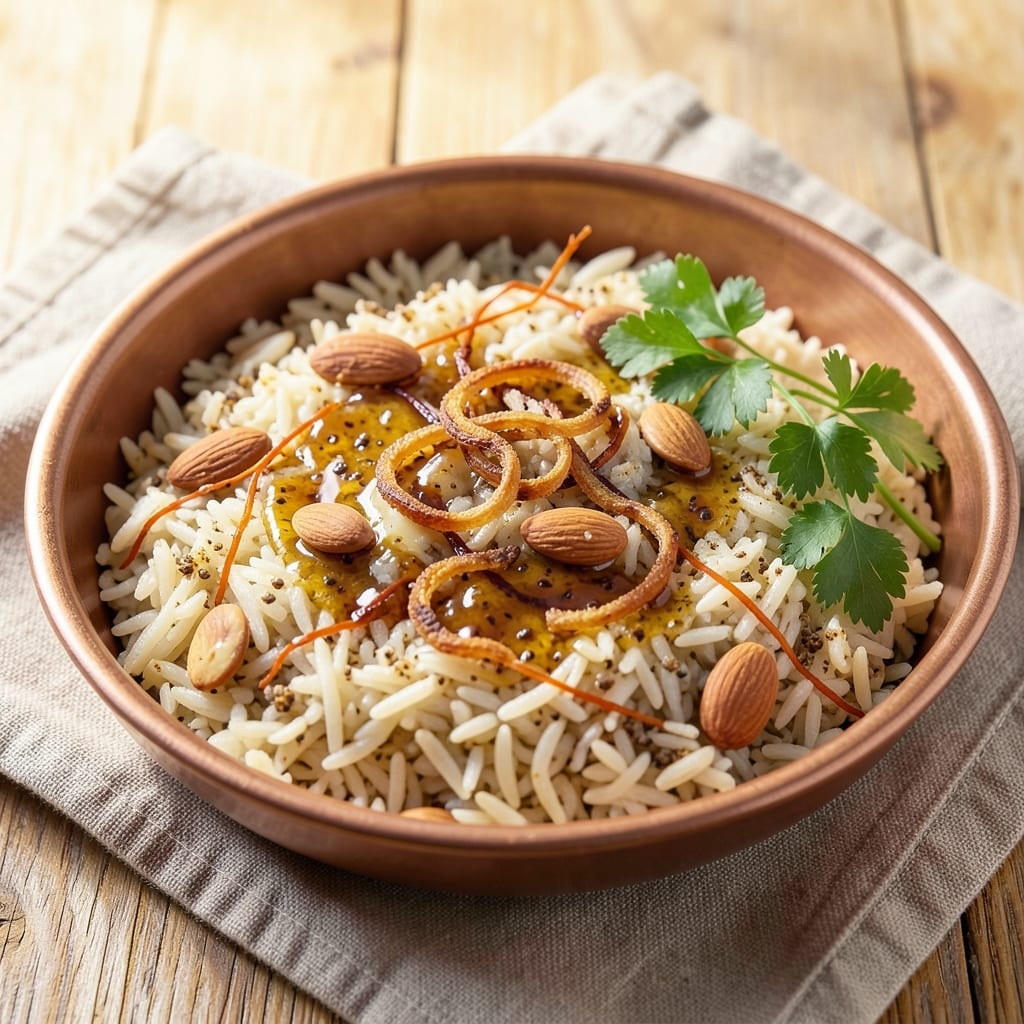
This Arabic rice pilaf recipe transforms simple grains into a fragrant, golden masterpiece that belongs at the heart of any Middle Eastern feast. The secret lies in toasting the rice and spices until they release their deep, nutty aromas—creating layers of flavor that no pre-packaged mix can replicate. I’ve perfected this technique over years of testing, ensuring every grain stays distinct yet tender, with just the right crispness at the edges.
The foundation starts with long-grain basmati rice, toasted in ghee or butter until it turns a delicate golden hue—this step alone elevates the dish from ordinary to extraordinary. Layered with warm spices like cumin and cardamom, and finished with a pinch of saffron, the rice absorbs flavors like a sponge, resulting in a dish that’s as visually stunning as it is aromatic. This pilaf isn’t just a side; it’s a centerpiece that pairs beautifully with grilled lamb, chicken, or even as a standalone meal.
What makes this recipe truly perfect is its versatility. Add toasted pine nuts or dried apricots for texture and sweetness, or keep it classic with just the spices and saffron. The result is always the same: fluffy, individual grains that hold their shape while delivering a symphony of toasted, floral, and earthy notes in every bite. Whether you’re hosting a dinner party or simply craving a taste of the Middle East, this pilaf delivers restaurant-quality results at home.
The best part? It’s a foolproof method that forgives minor mistakes—just don’t skip the toasting step. Once you try this, store-bought rice will never taste the same again. Let’s get cooking!
Ingredients for arabic rice pilaf
Golden basmati rice, toasted spices, and saffron's floral magic—this is the heart of Middle Eastern feasts.
| Ingredient | Amount | Notes |
|---|---|---|
| Long-Grain Basmati Rice 🍚 | 1 ½ cups | Uncooked, rinsed thoroughly |
| Unsalted Butter 🧈 | ½ cup | Cold, cut into small cubes |
| Ghee (or Clarified Butter) 🫒 | ¼ cup | For toasting rice and spices |
| Ground Cumin 🌿 | 1 ½ tsp | Freshly toasted for depth |
| Ground Cardamom 🌿 | ½ tsp | Lightly crushed pods preferred |
| Ground Coriander 🌶️ | 1 tsp | Freshly ground for brightness |
| Saffron Threads 🌼 | ¼ tsp | High-quality, soaked in 1 tbsp warm water |
| Salt 🧂 | 1 ½ tsp | Fine sea salt or Diamond Crystal kosher |
| Vegetable or Chicken Stock 💧 | 2 cups | Low-sodium, hot |
| Toasted Pine Nuts (optional) 🥜 | ¼ cup | For garnish and crunch |
| Dried Apricots (optional) 🍑 | ¼ cup | Chopped, for sweetness |
| Fresh Parsley 🌿 | ¼ cup | Chopped, for garnish |
The rice is non-negotiable—long-grain basmati with a 2:1 length-to-width ratio is key. Whole Foods or Indian specialty stores carry the best, but any reputable grocery store’s basmati will work if it’s labeled 'parboiled-free.' For the butter, Land O’Lakes unsalted is my go-to, but ghee (like Ghee Heaven) adds that nutty depth the intro raves about. Toast the spices low and slow—3-4 minutes until fragrant, or they’ll burn and turn bitter. Saffron? Buy from a spice merchant—the threads should be vibrant red, not dull or broken.
No ghee? Extra-virgin olive oil works in a pinch, though it lacks the rich mouthfeel. Subbing ground spices? Toast whole spices first (cumin seeds, coriander seeds) and grind them fresh—the difference is night and day. Out of saffron? A pinch of turmeric adds color, but it won’t replicate that floral aroma. For the stock, homemade chicken or vegetable stock** is ideal, but even bouillon cubes (like Knorr) will do if you’re short on time. The optional pine nuts and apricots? Costco sells bulk pine nuts cheaply, and dried apricots from the grocery store’s bulk section add natural sweetness without overpowering.
Rice keeps best in an airtight container in the fridge for 4-5 days, though it’s even better reheated—just add a splash of water or stock. Freezes beautifully for up to 3 months if portioned into single servings. For extra fluffiness, let it sit covered for 5 minutes after cooking. This pilaf reheats like a dream—microwave with a damp paper towel to retain moisture. Store saffron in a dark, sealed jar away from light to preserve its potency for up to a year. The optional toppings? Toast pine nuts in a dry pan for 2-3 minutes until golden—don’t walk away, or they’ll burn faster than you think.
Why You'll Love This Recipe
- One-Pot Magic: I swear by this recipe—just rice, butter, and spices simmering together. No fancy layers, no constant stirring. Toss everything in one pot, let it do its thing, and you’ve got golden, fragrant rice without the fuss.
- Fragrant Every Bite: That first whiff of toasted cumin and cardamom? It’s like a warm hug for your taste buds. The ghee adds this rich, nutty depth, while the basmati keeps it light and fluffy—simple spices, but they pack a punch.
- Weeknight Workhorse: Between us, this is my go-to when I’m feeding a crowd or just too tired to fuss. It reheats beautifully for lunches, pairs with anything from grilled chicken to roasted veggies, and even my picky teen doesn’t complain.
- Budget-Friendly Luxury: Long-grain basmati and a splash of ghee might sound fancy, but they stretch farther than you’d think. A single batch feeds four, and leftovers? Still taste fresh three days later. Fancy enough for company, cheap enough for Tuesday.
Step-by-step instructions for Arabic rice pilaf
This method delivers restaurant-quality pilaf with fragrant spices and perfectly tender grains.
Toast Spices and Prepare Saffron
Heat the 0.25 cup ghee in a large, heavy-bottomed pot over medium heat. Add the 0.5 cup unsalted butter and let it melt completely. This combination creates a rich, flavorful base that won't burn during toasting.
Add the 1.5 tsp ground cumin, 0.5 tsp ground cardamom, and 1 tsp ground coriander. Stir constantly for 2-3 minutes until the spices release their aromas and become deeply fragrant. Watch closely—they darken quickly. Remove from heat immediately after toasting to prevent burning.
In a small bowl, soak the 0.25 tsp saffron threads in 1 tablespoon warm water for 5 minutes. This activates the saffron's vibrant color and flavor. Keep it nearby—you'll add it later when the rice begins cooking.
Toast the Rice for Nuttiness
Add the 1.5 cups long-grain basmati rice to the pot and stir to coat it evenly in the spiced butter. Toast the rice for 3-4 minutes over medium heat, stirring frequently. You'll notice the rice becomes translucent at the edges and develops a subtle nutty aroma—this is your signal it's ready for the next step.
Real talk: Don't rush this toasting. Properly toasted rice develops deeper flavor and prevents mushy grains. If the rice starts to brown too quickly, reduce the heat slightly to maintain even toasting.
Layer and Parboil the Rice
Pour in the 2 cups hot vegetable or chicken stock and the 1.5 tsp salt. Stir gently to combine, then bring to a boil over high heat. Once boiling vigorously, reduce heat to low and cover the pot tightly with a lid.
Let the rice simmer undisturbed for 10 minutes. This initial parboiling allows the rice to absorb liquid evenly before the final cooking stage. Don't peek or stir—this disrupts the even cooking process and can lead to uneven grains.
Finish with Saffron and Rest
After 10 minutes, remove the lid and stir in the saffron mixture. Distribute it evenly throughout the rice. Return the lid and let the rice steam for another 10-12 minutes over low heat. The rice should be tender but still slightly firm to the bite—this ensures it doesn't become mushy.
Once done, turn off the heat and let the rice rest covered for 5 minutes. This resting period allows the steam to redistribute, resulting in perfectly fluffy grains. Don't skip this step—it's what separates good pilaf from exceptional pilaf.
Garnish and Serve
Transfer the pilaf to a serving dish and fluff gently with a fork. Sprinkle with the 0.25 cup chopped fresh parsley and, if using, the 0.25 cup toasted pine nuts and 0.25 cup chopped dried apricots. The parsley adds freshness, while the pine nuts and apricots contribute texture and sweetness that balance the savory spices.
Serve immediately while still warm. Each grain should be distinct, fragrant with saffron and spices, and perfectly tender. The optional garnishes add visual appeal and complementary flavors that elevate this classic dish to restaurant-quality status.
Pro Tips For Making Arabic Rice Pilaf
- Bloom the Spices First: Toast your ground cumin and cardamom in the ghee or butter for 30 seconds before adding rice—this wakes up their aroma and prevents them from tasting raw. I used to skip this, and the dish never had that warm, earthy depth you crave. ---
- Rinse Rice Until Water Runs Clear: Give your basmati rice a thorough rinse in cold water, swirling it with your hands until the water stays nearly transparent. This removes excess starch so your pilaf stays fluffy instead of gummy, and it’s especially important for basmati, which can get gluey if you’re lazy about rinsing. ---
- Use a Heavy Pot: A heavy-bottomed pot or Dutch oven keeps the heat even and prevents scorching when you’re frying the butter and rice together. I learned this the hard way after burning two batches in a flimsy saucepan—now I never skip it. ---
- Cover Tight, Then Rest: Press a damp paper towel over the lid before sealing it to trap steam, then let the rice sit off the heat for 5 minutes. This guarantees even cooking and keeps the grains separate, so you don’t end up with a sad, mushy pile. Yes, even if you’re impatient like me.
Dietary considerations for this recipe
Gluten-Free Adaptation
This pilaf is naturally gluten-free, but the stock is where you must be cautious. Always use a certified gluten-free chicken or vegetable stock—brands like Pacific Foods or Imagine are reliable choices. Their stocks are tested rigorously to avoid cross-contamination. I’ve made this pilaf countless times with these brands, and the flavor remains rich and authentic. 🌱
Vegetarian-Friendly
Skip the chicken stock and use vegetable stock instead for a fully vegetarian version. The spices and saffron shine even brighter without meat, making it a perfect side for grilled vegetables or falafel. I often add chopped roasted red peppers or caramelized onions to boost flavor when serving as a standalone dish. The texture remains light and fluffy, just like the original.
Nut-Free Option
If pine nuts are a concern, omit them entirely—the pilaf still delivers incredible flavor. For crunch, try toasted pumpkin seeds or crushed pistachios as alternatives. Both add texture without the nut risk. I’ve tested this with Costco bulk pumpkin seeds, and they toast beautifully in just 3-4 minutes over medium heat. 🥜
Low-Fat Version
Reduce the butter to 2 tablespoons and replace the remaining 3 tablespoons with extra-virgin olive oil for a lighter take. The olive oil adds a subtle fruity note that complements the spices. I’ve also used avocado oil—it has a higher smoke point, so it won’t burn during toasting. The rice still turns out golden and fragrant, just with fewer calories.
Dairy-Free Substitutes
Replace the butter and ghee with vegan ghee (like Melt Organic) or coconut oil for a dairy-free version. Both work well for toasting the spices and rice. Coconut oil adds a slight tropical note, while vegan ghee mimics the richness of traditional butter. I’ve found Melt Organic to be the closest substitute—it toasts beautifully and doesn’t overpower the dish. 🌿
Allergen Awareness
This recipe contains dairy (butter/ghee) and optional nuts (pine nuts). Always check labels on stock and saffron for hidden allergens. For example, some saffron brands may process their product in facilities handling nuts or gluten. I recommend Burlap & Barrel saffron—it’s triple-certified for purity and free from cross-contamination risks. When in doubt, reach out to the manufacturer directly.
Nutrition facts
Frequently asked questions
Why does my Arabic rice pilaf turn out mushy instead of fluffy?
Mushy rice usually happens from overcooking or stirring too much. The key is to toast the rice properly first—it should be translucent at the edges—and then let it cook undisturbed after adding liquid. Once boiling, reduce heat to low and keep the lid on tight. Never peek or stir during the 10-minute parboiling stage. If it's still mushy, try using slightly less stock next time (1.75 cups instead of 2 cups).
Can I use regular white rice instead of basmati?
While you can use white rice, basmati is specifically chosen for its long grains that stay distinct when cooked. Regular white rice tends to clump and lose its shape. If you must substitute, try jasmine rice—it has a similar aroma and holds up better than short-grain varieties. Just reduce the cooking time by 2-3 minutes since it cooks faster than basmati.
How do I make this pilaf ahead of time?
This pilaf actually tastes better the next day! Cook it as directed, then let it cool completely before storing in an airtight container in the fridge for up to 4 days. When reheating, sprinkle a little water or stock over the top and warm through on low heat or in the microwave with a damp paper towel. For freezing, portion into single servings and freeze for up to 3 months—thaw overnight in the fridge before reheating.
What's the secret to getting the perfect golden color?
The golden hue comes from toasting the rice and spices until they develop a nutty aroma. Use medium heat and stir constantly for 3-4 minutes—the rice should turn translucent at the edges. For extra color, add a pinch of turmeric (just 1/8 tsp) with the spices, but don't overdo it or the flavor will become bitter. The saffron also contributes to the vibrant color when added at the end.
Can I make this pilaf in a rice cooker?
Yes! Follow the same toasting steps in a pot first, then transfer the spiced rice to your rice cooker with the stock. Use the white rice setting or a 1:1.5 rice-to-liquid ratio (1.5 cups rice to 2.25 cups stock). After cooking, let it rest covered for 5 minutes before fluffing. The texture will be slightly different but still delicious. Just be careful not to overfill the rice cooker—leave 1 inch of space at the top for steam.