
Main Courses
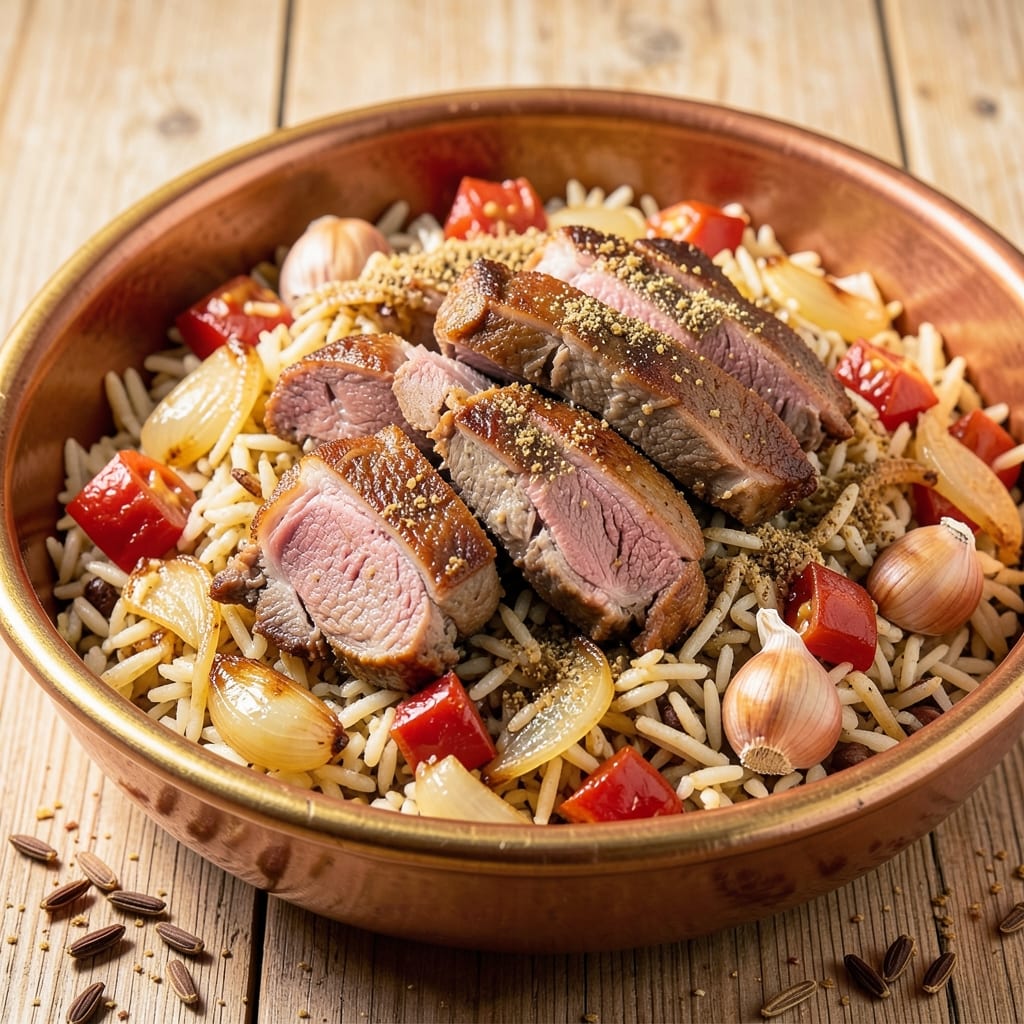
This Arabian kabsa rice recipe brings the heart of Saudi Arabia to your kitchen with its fragrant blend of spiced lamb, tomatoes, and aromatic rice—all cooked together in one pot. 🌟 The dish is a celebration of tradition, where tender meat and fragrant spices create a symphony of flavors that’s both comforting and impressive. What makes kabsa special is its layered complexity: the slow-cooked lamb infused with cardamom and cinnamon, the tomatoes that deepen in flavor, and the basmati rice that absorbs every last bit of the savory broth.
The beauty of this recipe lies in its simplicity and depth. You’ll start by browning the lamb to develop rich, caramelized flavors, then layer in onions, garlic, and spices that transform the dish into something truly aromatic. The tomatoes and rice cook together, creating a fragrant, cohesive meal that’s perfect for gatherings or a special weeknight dinner. Every bite delivers a balance of tender meat, slightly chewy rice, and a burst of warm spices.
What sets kabsa apart is its versatility—it’s a complete meal in one pot, with the rice soaking up all the juices and flavors from the lamb and spices. The result is a dish that’s hearty, satisfying, and deeply flavorful, with each component playing its part in harmony. Whether you’re serving it with a fresh salad or warm flatbread, kabsa is a dish that feels like a hug in every bite.
This recipe is designed to be approachable yet authentic, making it perfect for both beginners and seasoned cooks. The step-by-step process ensures you’ll achieve restaurant-quality results at home, with tips to adjust the spice level or swap in chicken for a lighter option. Let’s bring the flavors of Arabia to your table with this one-pot wonder.
Ingredients for arabian kabsa rice
Spiced lamb, fragrant rice, and tomatoes—all cooked together in one aromatic pot.
| Ingredient | Amount | Notes |
|---|---|---|
| Lamb Shoulder 🐑 | 2 lb | Bone-in for flavor, cut into chunks |
| Basmati Rice 🍚 | 1 ½ cups | Uncooked, long-grain preferred |
| Canned Crushed Tomatoes 🍅 | 15 oz | San Marzano preferred for sweetness |
| Yellow Onions 🧅 | 2 whole | Medium size, finely chopped |
| Garlic Cloves 🧄 | 6 cloves | Peeled, minced finely |
| Ground Cumin 🌿 | 1 tbsp | Toasted for deeper flavor |
| Ground Coriander 🌿 | 1 tbsp | Freshly ground preferred |
| Ground Cardamom 🌿 | 1 tsp | Freshly ground pods |
| Ground Cinnamon 🌿 | ½ tsp | Freshly ground preferred |
| Ground Black Pepper 🌶️ | ½ tsp | Freshly cracked |
| Salt 🧂 | 1 ½ tsp | Kosher or sea salt |
| Vegetable Oil 🫒 | ¼ cup | For browning lamb |
| Fresh Ginger 🌿 | 1 tbsp | Grated, fresh preferred |
| Fresh Cilantro 🌿 | ¼ cup | Chopped, for garnish |
| Lemon Juice 🍋 | 1 tbsp | Freshly squeezed |
The lamb shoulder is the heart of this dish—bone-in cuts stay juicier and add depth. Look for grass-fed lamb at Whole Foods or your local Middle Eastern market if possible. The San Marzano tomatoes make a difference here (trust me, the flavor is sweeter), but any good-quality crushed tomatoes work. Fresh ginger and garlic? Don't skip these—they're what make kabsa sing. For the spices, Penzeys or bulk bins at natural food stores give you the freshest, most aromatic powders. Toast your cumin and coriander in a dry pan for 30 seconds before adding to the pot—game-changer for flavor.
No lamb? Chicken thighs work perfectly (use 2 lbs boneless, skinless). Short on San Marzano tomatoes? Any good crushed tomatoes will do—just taste first. The rice? Jasmine works too, but basmati holds up better to the long cooking. For extra heat, add a pinch of cayenne or a chopped red chili pepper. The lemon juice at the end brightens everything—don't skip it. And if you're worried about the lamb being too rich, serve it with a simple cucumber-tomato salad to balance the meal.
This dish tastes even better the next day as flavors meld. Store leftovers in an airtight container in the fridge for up to 4 days. Freezes beautifully for 3 months—portion into containers before freezing so you can grab just what you need. The rice will dry out if reheated with liquid, so sprinkle a splash of water or broth when warming. Garnish with fresh cilantro right before serving—it adds that final pop of freshness that makes it feel special.
Why You'll Love This Recipe
- One-Pot Magic: I swear by this recipe when I’m too tired to wash a million dishes. The lamb shoulder and rice cook together—no separate pots, no fuss—just rich, fragrant layers of flavor with minimal cleanup. Honestly, the only thing I scrub afterward is my conscience for not making it more often.
- Garlic-Tomato Bomb: That can of crushed tomatoes and fresh garlic? It’s the secret weapon. The tomatoes melt into the lamb, caramelizing just enough to balance the sharpness of the onions, while the garlic infuses everything with warmth. Between us, I’ve tasted fancier versions, but this combo—simple yet explosive—always wins.
- Leftovers That Shine: This dish begs to be made ahead. The flavors deepen overnight, and reheating it? Perfect. I pack it for lunches, freeze portions for lazy days, or serve it cold the next afternoon with a squeeze of lemon. (Yes, even on a Tuesday.)
- Budget Feast: Lamb shoulder stretches farther than you’d think, and basmati rice fills bowls generously. I’ve fed six people for under $20 with this—no compromises on taste, just smart shopping. Plus, the canned tomatoes cut prep time without sacrificing depth. Solid.
Step-by-step instructions for Arabian kabsa rice
Here's how to create this fragrant, one-pot masterpiece that brings the Middle East to your kitchen.
🔥 Step 1: Brown the Lamb for Deep Flavor
Heat the 0.25 cup vegetable oil in a large, heavy-bottomed pot over medium-high heat. Add the 2 lb lamb shoulder cut into 1.5-inch chunks and brown on all sides—this takes about 8-10 minutes. You're looking for a deep golden crust on each piece. I press down gently with a spatula during the first minute to prevent curling.
Once browned, remove the lamb and set it aside. The fond (those browned bits) is pure flavor—don't scrape it out! This step builds the aromatic base for your kabsa. If you see the oil smoking excessively, reduce the heat slightly to maintain control without losing that sear.
👨🍳 Step 2: Build the Spice Base
In the same pot, add the 2 whole yellow onions (finely chopped) and cook for 5 minutes until softened and golden. Add the 6 cloves garlic cloves (minced) and 1 tbsp fresh ginger (grated), cooking for another 1 minute until fragrant—this should take about 30 seconds at medium heat.
Now stir in the 1 tbsp ground cumin, 1 tbsp ground coriander, 1 tsp ground cardamom, 0.5 tsp ground cinnamon, 0.5 tsp ground black pepper, and 1.5 tsp salt. Cook the spices for 1 minute until you can smell that warm, earthy aroma—this is when the spices begin releasing their essential oils and flavors.
🍳 Step 3: Simmer the Tomato Sauce
Pour in the 15 oz canned crushed tomatoes and bring everything to a gentle simmer. Return the browned lamb to the pot, nestling it into the spiced tomato mixture. Cover and cook on low heat for 45 minutes, stirring occasionally to prevent sticking. You'll notice the lamb softening and the sauce reducing slightly—this is when all those flavors meld together.
Here's the thing—I like to check the lamb after 30 minutes to see if it's tender. If it's still firm, add ¼ cup water to the pot and continue cooking. The sauce should be thick but not dry, with a rich, deep red color that's almost like a fragrant syrup coating the lamb.
🥘 Step 4: Cook the Rice to Perfection
Rinse the 1.5 cups basmati rice under cold water until the water runs clear, then add it to the pot. Stir gently to distribute the rice evenly among the lamb pieces. Pour in 3 cups water (yes, it looks like too much, but trust me) and bring to a boil over medium-high heat.
Once boiling, reduce heat to low, cover tightly, and simmer for 15 minutes. Don't peek! The rice needs to steam undisturbed. After 15 minutes, turn off the heat and let it sit covered for another 10 minutes. This resting period allows the rice to absorb any remaining moisture and develop that perfect texture—separate grains with a slight bite.
🍽️ Step 5: Finish and Serve with Freshness
Fluff the rice gently with a fork, then stir in the 1 tbsp lemon juice and 0.25 cup fresh cilantro (chopped). The lemon brightens the rich flavors while the cilantro adds a fresh finish. Taste and adjust seasoning if needed—sometimes the lamb needs a little more salt, especially if you used bone-in pieces.
Serve immediately in a large bowl, garnished with extra cilantro if you're feeling fancy. The aroma alone will have everyone gathering around the table. Each bite should deliver tender lamb, fragrant rice infused with spice, and that perfect balance of sweetness from the tomatoes. Pair with warm flatbread and you've got a complete Arabian feast.
Pro Tips For Making Arabian Kabsa Rice
- Sear the Lamb First: Don’t rush this—get your pan smoking hot and let those lamb pieces develop a deep brown crust. I used to skip this, and the flavor just didn’t have that same richness. Five minutes per side, no crowding, or you’ll steam instead of sear.
- Toast the Rice Dry: Before adding water, spread the raw basmati in the pot and dry-toast it for 2-3 minutes on medium heat. This isn’t just about nuttiness—it prevents the rice from turning mushy later. (Yes, even if you’re impatient like me.)
- Simmer, Don’t Boil: Once the rice is cooking, keep the heat low enough that you barely see bubbles. I learned this the hard way—boiling turns kabsa into glue. A gentle simmer for 12-15 minutes after adding water is what makes the grains separate perfectly.
- Use Tomato Paste, Not Just Canned Tomatoes: Skip the extra can of crushed tomatoes—just 1-2 tablespoons of tomato paste mixed into the onion-garlic base thickens the sauce and deepens the flavor. It’s the thing that matters most for that authentic kabsa richness. (Your future self will notice.)
Health benefits of this dish
Protein Powerhouse
Lamb shoulder provides high-quality protein—about 40 grams per serving—essential for muscle repair and immune function. The bone-in cut adds collagen and gelatin, which break down during cooking to create a rich, flavorful broth that enhances the rice. This makes kabsa not just satisfying but also packed with nutrients your body needs. 💪
Spice Benefits
The aromatic spices in kabsa—cardamom, cinnamon, and cumin—offer more than just flavor. Cardamom aids digestion and reduces bloating, while cinnamon helps regulate blood sugar levels. Cumin is rich in iron and magnesium, supporting energy production and muscle function. Together, they create a symphony of health benefits that elevate this dish beyond a simple meal. ✨
Tomato Antioxidants
Crushed tomatoes bring lycopene, a powerful antioxidant that supports heart health and reduces inflammation. The cooking process actually increases lycopene absorption, making this dish a heart-healthy choice. San Marzano tomatoes, with their natural sweetness, provide additional vitamin C and potassium, balancing the richness of the lamb. 🍅
Complex Carbs
Basmati rice delivers fiber-rich complex carbohydrates that provide sustained energy. The long-grain variety has a lower glycemic index than white rice, helping maintain steady blood sugar levels. When combined with the protein from lamb, this creates a balanced meal that keeps you full and energized for hours. 🍚
Fresh Ingredient Boost
Fresh cilantro and lemon juice add vitamin K, vitamin C, and antioxidants that support skin health and immune function. The bright acidity of lemon also aids digestion and helps balance the richness of the lamb. These finishing touches make kabsa not just delicious but also a nutrient-dense meal. 💛
Meal Satisfaction
This one-pot dish delivers complete nutrition—protein from lamb, complex carbs from rice, healthy fats from tomatoes, and fiber from vegetables. The combination creates a satisfying meal that supports overall wellness while delivering bold, aromatic flavors. It’s the perfect balance of taste and nutrition in every bite. 🌟
Nutrition facts
Frequently asked questions
Can I make kabsa with chicken instead of lamb?
Chicken thighs work beautifully—use 2 lbs boneless, skinless and reduce the cooking time to 30-35 minutes after adding the sauce. The spices will still infuse perfectly, and the chicken stays juicy. For extra flavor, marinate the chicken in the spice blend for 30 minutes before cooking.
Why does my kabsa rice turn out mushy?
Overcooking or peeking while the rice steams are the usual culprits. Always use low heat after boiling and resist opening the lid for 25 minutes. If the rice is still firm after resting, it needs more time—just cover and let it sit another 5 minutes. Rinsing the rice thoroughly before cooking also helps prevent mushiness.
What's the secret to authentic kabsa flavor?
Toasting your spices in the pot for 1 minute before adding tomatoes unlocks their full aroma. The key is also browning the lamb deeply—this creates the Maillard reaction, which builds complex flavors. Don't skip the lemon juice at the end; it brightens all the rich, warm spices and balances the dish.
How do I make kabsa vegetarian?
Swap the lamb for 2 cups chickpeas (cooked) or 1 large eggplant (diced and roasted). Use 1 tbsp vegetable oil instead of lamb fat, and add 1 tsp smoked paprika to deepen the flavor. The rice and spice blend will still create that satisfying, aromatic experience without meat.
Can I prepare kabsa ahead of time?
Yes! Kabsa tastes even better the next day as flavors meld. Store in an airtight container in the fridge for 4 days or freeze for 3 months. When reheating, sprinkle with 1 tbsp water or broth to restore moisture—microwave on 50% power for 2 minutes, then let it sit covered for 5 minutes.