
Main Courses
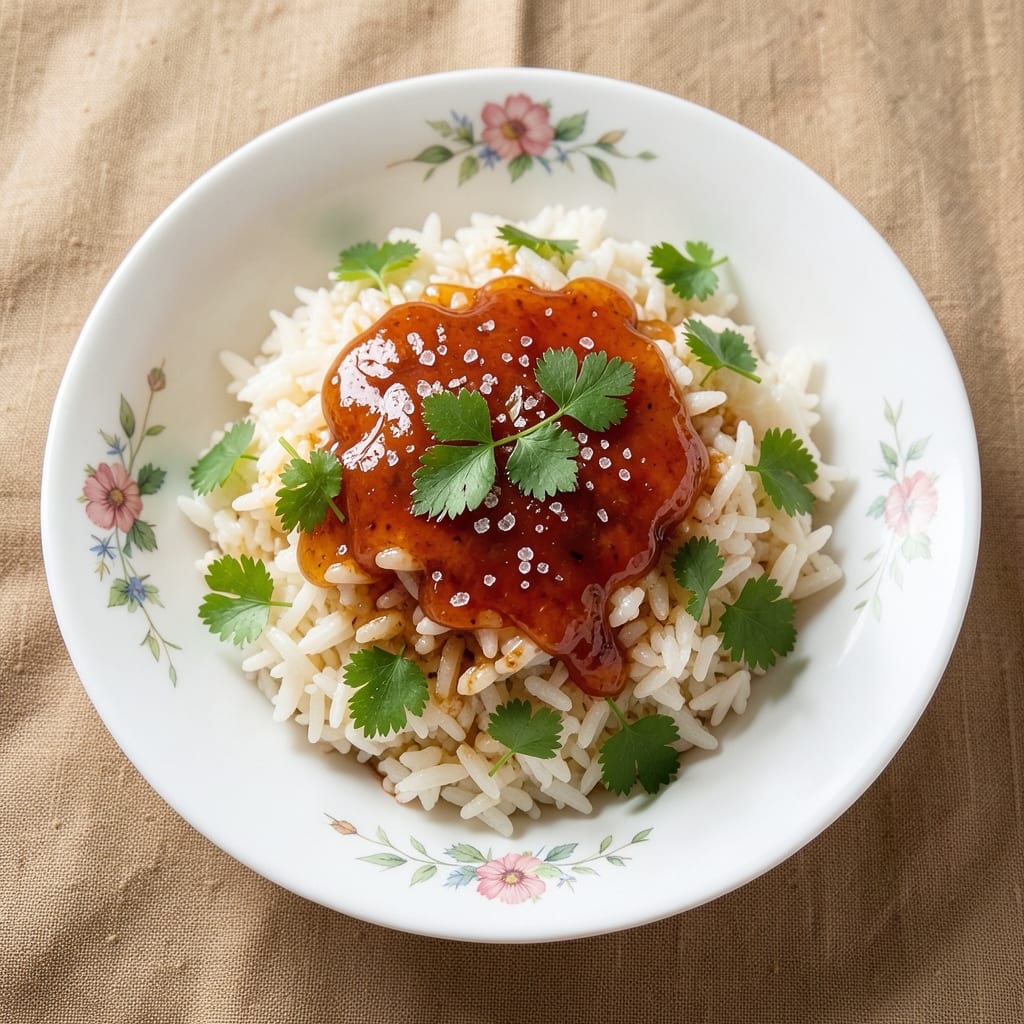
This apple cider vinegar rice recipe transforms ordinary grains into fragrant, tangy perfection with just one simple addition. The acidity brightens the rice while keeping it fluffy and separate, creating a dish that's surprisingly complex yet effortless to prepare. I developed this technique after realizing how much a splash of vinegar elevates simple rice dishes.
The secret lies in the cooking process: soaking the rice briefly in apple cider vinegar-infused water before simmering creates that signature tangy aroma while preventing mushy grains. This method works beautifully with long-grain white rice, though basmati or jasmine varieties add their own delightful textures. The vinegar also helps balance rich proteins like chicken or pork, making it an ideal side dish.
What you'll achieve is rice with a delicate tangy flavor and perfect texture—no more dry or sticky grains. The aroma alone will have everyone at the table anticipating the first bite. This versatile rice pairs beautifully with roasted meats, grilled vegetables, or even as a base for stir-fries. The best part? It requires just one pot and minimal effort.
For extra depth, consider adding a pinch of sugar to balance the acidity or fresh herbs like parsley for brightness. The possibilities for customization are endless while maintaining that signature apple cider vinegar essence. Let's get started on creating this restaurant-quality side dish at home.
Ingredients for apple cider vinegar rice
Nine simple ingredients transform ordinary rice into fragrant, tangy perfection with restaurant-quality aroma.
| Ingredient | Amount | Notes |
|---|---|---|
| Long-Grain White Rice 🍚 | 1 ½ cups | Uncooked, rinsed thoroughly |
| Apple Cider Vinegar 🍏 | ¼ cup | Raw, unfiltered preferred |
| Water 💧 | 2 ½ cups | Filtered preferred for purity |
| Salt 🧂 | ½ tsp | Diamond Crystal kosher salt |
| Granulated Sugar 🍚 | ¼ tsp | Optional for acidity balance |
| Fresh Parsley 🌿 | ¼ cup | Chopped, for garnish and brightness |
| Garlic Cloves 🧄 | 1 whole | Minced, optional for depth |
| Unsalted Butter 🧈 | 1 tbsp | For finishing, optional |
| Olive Oil 🫒 | 1 tsp | Extra-virgin for finishing |
The apple cider vinegar is non-negotiable here—Bragg or Texas Pete are my go-tos, but any raw, unfiltered variety works. Look for organic options at Whole Foods or high-quality grocery stores like Harris Teeter for maximum flavor. The rice should be long-grain white (like Uncle Ben's Converted or Lundberg Family Farms), as it holds up best to the vinegar's acidity. Freshly minced garlic and parsley elevate the dish, but dried herbs at half the amount work in a pinch. For extra depth, consider jasmine or basmati rice—their floral notes complement the vinegar beautifully.
No apple cider vinegar? White vinegar or lemon juice can substitute at the same amount, though the flavor will differ slightly. Running short on parsley? Fresh cilantro or dill adds a different but equally bright note. The sugar is truly optional—skip it if you prefer a sharper tang, but it helps balance the acidity beautifully. For a richer finish, toasted sesame oil (1/2 tsp) instead of olive oil adds an Asian-inspired twist. The butter is purely for finishing—omit for a lighter dish, but it adds luxurious texture when melted over the top.
This rice reheats beautifully—simply add a splash of water and cover for 5 minutes. Keeps 3-4 days in the fridge, though the texture softens slightly over time. For best results, store in an airtight container with a paper towel pressed on top to absorb excess moisture. Freezes for up to 3 months if portioned into single servings. The vinegar-infused aroma actually intensifies when reheated, making it perfect for meal prep. Garnish with fresh herbs just before serving to maintain vibrant color and flavor.
Why You'll Love This Recipe
- Five-Ingredient Magic: The pantry already has everything—no specialty shopping, no last-minute grocery runs. Just rice, vinegar, water, salt, and sugar. That’s it. I swear, I’ve made this while waiting for dinner to cook elsewhere.
- Tangy Twist: The apple cider vinegar cuts through the rice’s starchiness, giving it a bright, almost buttery finish. A pinch of sugar balances the sharpness—like a secret kiss of caramel. Honestly, it’s the kind of flavor that makes plain rice feel fancy.
- Meal Prep MVP: This rice reheats like a dream—no mushy texture, no dried-out edges. I make a big batch on Sundays and pair it with proteins all week. (Yes, even on a Tuesday night when I’m exhausted.)
- Budget Brightener: A splash of vinegar stretches the rice’s flavor without breaking the bank. It’s the kind of dish that makes $5 worth of groceries feel like a gourmet meal. My college self would’ve loved this trick.
Step-by-step instructions for apple cider vinegar rice
Master this one-pot technique for perfectly fluffy rice with bright, tangy notes.
Rinse the Rice Thoroughly
Place the 1.5 cups of long-grain white rice in a fine-mesh strainer and rinse under cold water for 30 seconds. Swirl the rice gently with your fingers to remove excess starch—this prevents gummy texture. Repeat until the water runs clear. I like to do this over the sink rather than a bowl to avoid losing rice in the process.
Drain well and transfer the rinsed rice to a medium saucepan. The reason for rinsing is simple: unrinsed rice releases excess starch during cooking, which can make the grains stick together. This step ensures each grain remains distinct and fluffy. For best results, use filtered water as it contains fewer minerals that can affect texture.
Combine Ingredients and Bring to a Boil
In the same saucepan, add the 0.25 cup of apple cider vinegar, 2.5 cups of water, 0.5 tsp of salt, and 0.25 tsp of granulated sugar. Stir gently to combine—you want the vinegar to disperse evenly without creating bubbles. Place the saucepan over medium-high heat and bring the mixture to a rolling boil.
Here's the thing—apple cider vinegar plays two crucial roles: it tenderizes the rice slightly and adds that signature tangy aroma. The sugar is optional but balances the acidity beautifully. Once boiling, you'll see bubbles form vigorously around the edges of the pan—this is your signal that the liquid is ready for the next step.
Cook Until Liquid Absorbs
Once boiling, reduce heat to low and cover the saucepan tightly with a lid. Let the rice simmer for 15 minutes without lifting the lid. The steam will work its magic, cooking the rice evenly while preserving its shape. Set a timer so you don't forget—disturbing the rice at this stage can release starch and ruin the texture.
After 15 minutes, check the rice by lifting the lid slightly. You're looking for a dry, fluffy appearance with no visible liquid. If there's still moisture, cover and cook for another 2-3 minutes. The rice should be tender but still slightly firm to the bite—it will finish cooking from residual heat during the resting period.
Rest and Finish with Aromatics
Remove the saucepan from heat and let the rice rest, covered, for 10 minutes. This resting period allows the steam to redistribute and the grains to fully absorb any remaining moisture. Don't skip this step—it's what transforms good rice into exceptional rice. During this time, you can prepare the finishing touches.
In a small skillet, heat the 1 tsp of olive oil over medium heat. Add the minced 1 whole garlic clove and cook for 30 seconds until fragrant but not browned. Remove from heat and stir in the 1 tbsp of unsalted butter until melted. Pour this fragrant butter mixture over the rested rice and gently fold in the 0.25 cup of chopped fresh parsley. The parsley adds brightness and color, while the butter enhances the overall richness.
Pro Tips For Making Apple Cider Vinegar Rice
- TOAST THE RICE FIRST: Before adding water, dry-toast the rice in the pot for 2-3 minutes on medium-high heat. This step deepens the nutty flavor and prevents the vinegar from making the rice mushy—trust me, it’s worth the extra minute. ---
- USE RAW APPLE CIDER: Skip the pasteurized stuff—raw, unfiltered apple cider vinegar adds tangy depth and subtle cloudiness that pasteurized versions lack. If you’re in a pinch, add a splash of lemon juice at the end, but it won’t be the same. ---
- DON’T STIR AFTER VINEGAR: Once you pour in the vinegar, resist the urge to stir. Let it sit for 30 seconds so the acid can break down the starches and infuse evenly—stirring too soon just chases the flavor away. ---
- SALT THE WATER LATE: Add salt only after the water and vinegar have come to a boil, not before. The vinegar’s acidity throws off salt balance if they mingle too early, and you’ll end up guessing how much to add later.
Best sauces and condiments for this dish
Tangy Garlic Yogurt Sauce
This creamy sauce takes the star role by amplifying the apple cider vinegar's bright notes. Mix ½ cup plain Greek yogurt with 1 tbsp apple cider vinegar, 1 minced garlic clove, ½ tsp lemon zest, and a pinch of salt. The yogurt softens the vinegar's acidity while adding protein-rich creaminess. Drizzle over the rice just before serving for a restaurant-worthy finish. 💛
Spicy Sriracha Mayo
For heat lovers, blend ¼ cup mayonnaise with 1 tsp apple cider vinegar and ½ tsp sriracha until smooth. The vinegar's tang cuts through the mayo's richness while the sriracha adds a fiery kick. Spread a thin layer on top of the rice or mix it in for a bold flavor twist. I love using Hellmann's mayo for its neutral taste.
Honey-Lime Dressing
Create a refreshing topping by whisking 2 tbsp olive oil, 1 tbsp honey, 1 tbsp apple cider vinegar, and 1 tbsp fresh lime juice. The honey balances the vinegar's sharpness while the lime adds zesty brightness. Drizzle lightly over the rice or use it as a marinade for grilled chicken or fish served alongside. 🍋
Umami Miso Glaze
For an Asian-inspired touch, mix 1 tbsp white miso paste with 1 tsp apple cider vinegar and 1 tsp maple syrup. Thin with 1 tbsp water until pourable. The miso deepens the vinegar's complexity with savory umami notes. Drizzle over the rice and broil for 2 minutes to create a caramelized crust.
Herbed Butter Finish
Infuse 2 tbsp softened butter with 1 tsp chopped chives, ½ tsp chopped dill, and ½ tsp apple cider vinegar. Melt this mixture over the cooked rice and stir gently. The herbs add freshness while the vinegar keeps the rice's signature tang. This method elevates the dish with minimal effort and maximum flavor impact.
Nutrition facts
Frequently asked questions
Can I use any type of vinegar in this recipe?
Apple cider vinegar is ideal for its complex, slightly sweet flavor, but white vinegar or even lemon juice will work in a pinch. For best results, stick with raw, unfiltered apple cider vinegar—it adds depth and aroma that other vinegars can't match. If substituting, reduce the amount by 10% to avoid overpowering the rice.
How do I prevent the rice from getting mushy?
Rinsing the rice thoroughly before cooking removes excess starch, which is the #1 cause of mushiness. Also, never lift the lid during the 15-minute simmering time—this releases steam and disrupts the cooking process. Finally, let the rice rest for 10 minutes after cooking to allow moisture to redistribute evenly.
What's the best way to store leftover apple cider vinegar rice?
Store in an airtight container with a paper towel pressed on top to absorb excess moisture. Keeps fresh for 3-4 days in the fridge, though texture softens slightly over time. For longer storage, freeze portions for up to 3 months. Reheat gently with a splash of water to restore fluffiness.
Can I make this recipe in a rice cooker?
Yes! Use the same ratio of rice to liquid (1:1.5), but add the apple cider vinegar to the water before starting. The rice cooker's gentle heat will preserve the vinegar's flavor beautifully. Just stir in the garlic butter and parsley after cooking—rice cookers don't have a "rest" function, so fold these in immediately after the rice is done.
Why does my rice smell so strong?
The intense aroma comes from the apple cider vinegar's fermentation process—it's actually a good sign! The smell will mellow as the rice cools. If it's too strong for your taste, reduce the vinegar to 2 tablespoons next time. The flavor will still be tangy but less overpowering.