
Main Courses
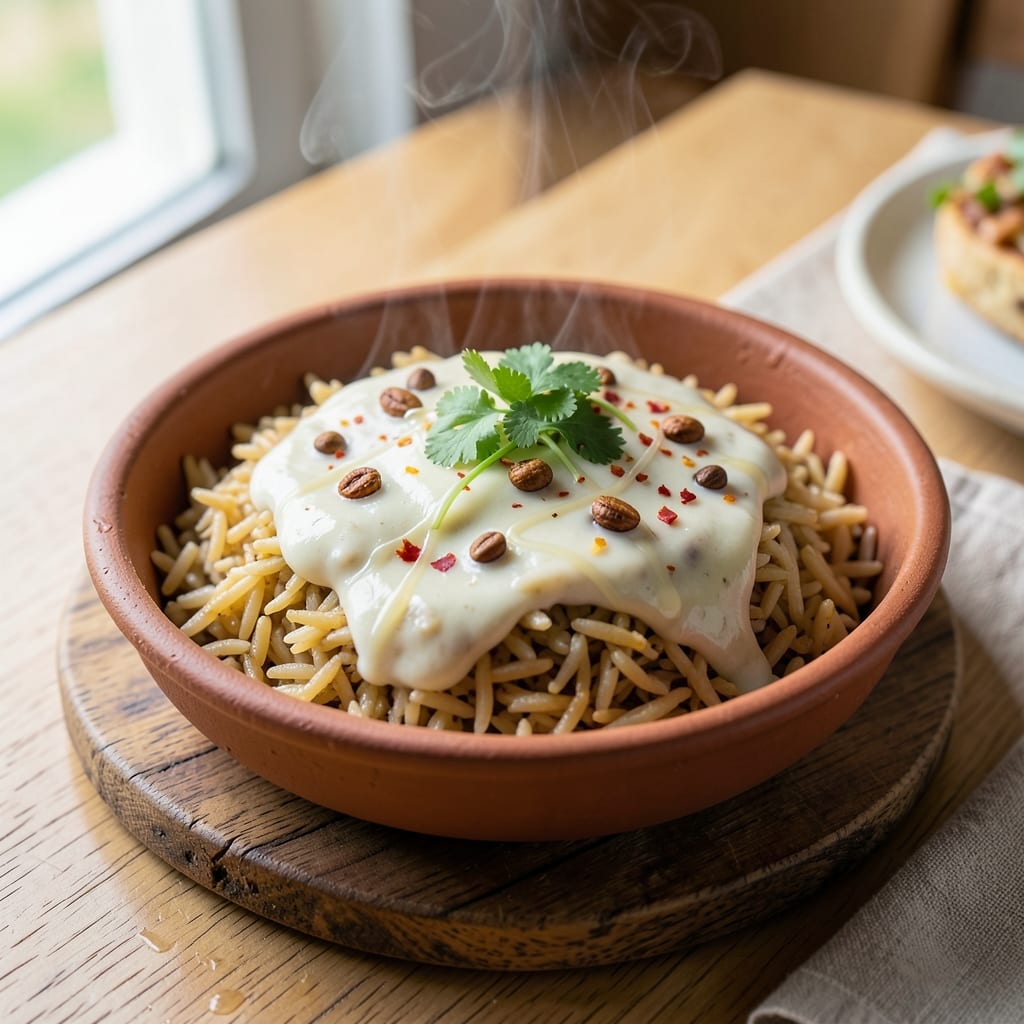
This Anglo-Indian coconut rice recipe brings the aromatic essence of colonial-era Indian kitchens to your stovetop, where fragrant basmati rice meets the creamy richness of coconut milk and warm spices like turmeric and cardamom. The dish captures the fusion of British and Indian culinary traditions, where one-pot simplicity meets bold, layered flavors—perfect for a comforting family meal or a special occasion. What makes this recipe special is the balance of textures: tender rice grains infused with coconut's gentle sweetness, contrasted by the earthy warmth of tempered spices.
The foundation of this dish lies in its tempering technique, a hallmark of Anglo-Indian cooking where whole spices are gently fried in ghee until they release their aromatic oils. This step transforms ordinary rice into something deeply flavorful, with notes of cinnamon, cloves, and mustard seeds that linger long after the first bite. The coconut milk not only adds creaminess but also enhances the rice's natural fragrance, creating a dish that's both comforting and sophisticated.
By the time you serve this coconut rice, your kitchen will be filled with the intoxicating aroma of turmeric and spices, and your table will be ready for a meal that feels like a celebration. It pairs beautifully with curries, grilled meats, or even as a standalone dish with a side of raita. The recipe is designed to be foolproof, ensuring that even if you're new to Anglo-Indian cooking, you'll achieve restaurant-quality results with minimal effort.
Whether you're serving it for a weeknight dinner or a festive gathering, this coconut rice is a versatile centerpiece that adapts effortlessly to your menu. The instructions are straightforward, and the ingredients are easy to find, making it a go-to recipe for anyone looking to explore the rich flavors of Anglo-Indian cuisine. Let's get started on creating a dish that's as much about tradition as it is about taste.
Ingredients for anglo indian coconut rice
Fragrant basmati rice meets aromatic spices and creamy coconut milk for a one-pot Anglo-Indian masterpiece.
| Ingredient | Amount | Notes |
|---|---|---|
| Basmati Rice 🌾 | 1 cup | Long-grain, uncooked, rinsed well |
| Full-Fat Coconut Milk 🥥 | 13 ½ oz | Canned, unsweetened variety |
| Ghee 🧈 | ½ cup | Clarified butter for authentic flavor |
| Yellow Turmeric Powder 🌿 | 1 tsp | Bright, vibrant color preferred |
| Ground Cardamom 🌶️ | ½ tsp | Freshly ground for best aroma |
| Mustard Seeds 🌱 | 1 tsp | Whole, yellow variety preferred |
| Bay Leaf 🍃 | 1 whole | Fresh or dried, removed before serving |
| Cinnamon Sticks 🌿 | 2 pieces | 1-inch pieces for tempering |
| Cloves 🌶️ | 4 whole | Lightly crushed for aroma |
| Salt 🧂 | 1 tsp | Diamond Crystal preferred |
| Water 💧 | 2 cups | Filtered or spring water preferred |
| Fresh Cilantro 🌿 | ¼ cup | Chopped, for garnish (optional) |
The spices are where this dish shines. Whole mustard seeds and cinnamon sticks from Penzeys Spices or your local Indian market add depth—don't substitute ground versions. The coconut milk should be full-fat (the canned kind from Thai Kitchen or Goya works perfectly). For ghee, Kerala brand from Indian stores has the best flavor, but Ghee Pure by Gowardhan from regular supermarkets is a great backup. Fresh turmeric root? Grate it yourself—powdered works but lacks that vibrant color. Cardamom is non-negotiable here; the green pods are ideal if you can find them.
No mustard seeds? Cumin seeds at half the amount will work in a pinch, though the flavor won't be identical. Running short on cinnamon? Star anise or cassia bark can substitute, but reduce to 1 stick. The bay leaf can be omitted entirely if you're short, but it adds that subtle earthy note. For the rice, jasmine rice in a bind? It'll work, but basmati's distinct grain shape is what makes this dish special. The cilantro is purely decorative—skip it if you're not a fan, but it brightens up the final dish beautifully.
This keeps for 4 days in the fridge, though it tastes best within 2 days. Reheat gently with a splash of water or coconut milk to restore creaminess. For leftovers, store in an airtight container with the lid slightly ajar to prevent sogginess. The spices intensify over time, so it actually gets more flavorful as it sits. Freezes beautifully for 3 months—portion into single servings before freezing for easy reheats. The tempered spices lose potency when reheated, so this is best enjoyed fresh from the pot.
Why You'll Love This Recipe
- One-Pot Magic: I swear by this recipe when I’m too tired to wash pots—just rice, coconut milk, and a pinch of spices simmered together. No straining, no fuss, and the ghee gives it that golden richness without extra effort.
- Creamy with a Kick: That full-fat coconut milk makes every bite velvety smooth, while the turmeric and cardamom add warmth that lingers. Honestly, the first time I tasted it, I thought, "Why haven’t I done this sooner?"
- Lunchbox Hero: Between us, this is my go-to for meal prep—stays fluffy for days and tastes just as good cold as it does hot. Toss in some fried peas or a boiled egg, and it’s a packed lunch that actually gets eaten.
- Budget Luxury: Ghee might sound fancy, but a little goes a long way, and coconut milk stretches the rice into a satisfying, restaurant-worthy dish. Not the prettiest, but the taste makes up for it—and my wallet thanks me.
Step-by-step instructions for Anglo-Indian coconut rice
This fragrant one-pot dish delivers rich coconut aroma and vibrant turmeric color—simple steps for restaurant-quality results.
Temper the Spices in Ghee
Heat the 0.5 cup ghee in a heavy-bottomed pot over medium heat until it shimmers but doesn't smoke. Add the 2 pieces cinnamon sticks, 4 whole cloves, and 1 whole bay leaf, letting them sizzle for 30 seconds until fragrant. This gentle toasting awakens their aromatic oils without burning.
Next, add the 1 tsp mustard seeds and watch them pop and dance—this is your signal they're ready. Immediately stir in the 1 tsp yellow turmeric powder and 0.5 tsp ground cardamom, cooking for another 30 seconds until the spices bloom into a warm, earthy aroma. The ghee should take on a golden hue and emit a toasty coconut-cinnamon fragrance. If it darkens too quickly, reduce the heat slightly to prevent burning.
Toast the Rice and Add Coconut Milk
Add the 1 cup basmati rice to the spiced ghee and stir for 1-2 minutes until each grain turns translucent at the edges. This dry toasting prevents mushiness and enhances the nutty rice flavor. Pour in the 2 cups water and bring to a gentle boil, then immediately reduce heat to low and stir once to distribute the rice evenly.
Once the water returns to a simmer, pour in the 13.5 oz full-fat coconut milk all at once. Add the 1 tsp salt and give the pot one final stir. The mixture should look creamy and opulent—this is where the magic begins. Cover the pot with a tight-fitting lid and let it cook undisturbed for 15 minutes. The rice will absorb the coconut milk gradually, developing that signature Anglo-Indian texture.
Simmer to Perfect Texture
After 15 minutes, check the rice by lifting a grain with a fork—it should be tender but still hold its shape with a slight bite. If it's not quite done, continue cooking for another 5 minutes on low heat. The coconut milk should be mostly absorbed, leaving behind a thick, velvety rice with a glossy sheen. If the rice feels dry before it's fully cooked, add 2-3 tablespoons of water and stir gently.
This is where patience pays off—the rice should finish cooking in its own steam. The coconut milk's natural richness creates a fragrant, slightly sticky texture that's neither dry nor mushy. The spices should infuse the rice completely, giving each bite a warm, aromatic depth. Turn off the heat once the rice reaches perfect doneness, then let it sit covered for 5 minutes to allow the flavors to meld.
Garnish and Serve
Remove the bay leaf, cinnamon sticks, and any remaining cloves before serving. Fluff the rice gently with a fork, then transfer it to a serving dish. Sprinkle with the 0.25 cup fresh cilantro for a bright, herbal contrast. The finished rice should have a vibrant yellow hue from the turmeric, with pockets of creamy coconut milk and a subtle spice warmth in every bite.
Serve immediately while the aroma is at its peak. The rice pairs beautifully with grilled meats, curries, or as a standalone dish with a side of yogurt. The combination of toasted spices, rich coconut, and delicate rice creates that quintessential Anglo-Indian comfort that's both elegant and satisfying. Enjoy while warm—this dish tastes best straight from the pot!
Pro Tips For Making Anglo Indian Coconut Rice
- TOAST THE RICE FIRST: I learned this the hard way—skipping the dry toast in ghee makes the rice turn mushy when you add coconut milk. Heat the rice in ghee over medium-low for 3-4 minutes until it smells nutty and the grains look translucent at the edges. This step is non-negotiable for that signature Anglo-Indian texture.
- USE LESS WATER THAN YOU THINK: Basmati rice absorbs coconut milk differently than plain water, so cut your usual water by 20%. For 1 cup rice, use 1 cup coconut milk + ½ cup water—this keeps the grains distinct instead of turning it into porridge. (Yes, even if you're impatient like me.)
- STRAIN THE COCONUT MILK: The thick, creamy layer at the bottom of canned coconut milk is where all the flavor hides. Strain it through a fine sieve before using—this removes the gritty bits that make your rice taste off. I skip this, and the dish feels dull; I do it, and the aroma doubles.
- SPICE THE GHEE, NOT THE RICE: Bloom your cardamom and turmeric in the ghee before adding rice—this prevents bitter flavors from overcooking. Heat the ghee until it shimmers, add the spices, and let them sizzle for 10 seconds. The rice will absorb the aroma better this way. (Your future self will notice the difference.)
Essential equipment for great anglo indian coconut rice
Heavy-Bottomed Pot
For this recipe, a heavy-bottomed pot is non-negotiable—it prevents hot spots that can burn your spices and ghee. I recommend a 5-quart stainless steel pot like the All-Clad Stainless Steel Saucepan or a Le Creuset Dutch oven for even heat distribution. These pots maintain consistent temperatures, which is crucial when tempering spices and simmering the rice. Avoid thin aluminum or non-stick pans—they can't handle the ghee's high smoke point or the gentle simmering required for perfect rice texture. 🔥
Fine-Mesh Strainer
A fine-mesh strainer is essential for rinsing your basmati rice before cooking. I use a stainless steel strainer from OXO because it's durable and rinses easily. This step removes excess starch, preventing the rice from becoming gummy. For the final presentation, a strainer also helps remove the bay leaf and cinnamon sticks neatly before serving. A colander works in a pinch, but a dedicated strainer makes the process cleaner and more efficient.
Wooden Spoon
Stirring the rice and spices requires a wooden spoon—specifically, a long-handled one like the OXO Good Grips Wooden Spoon (12 inches). Wood won't react with the ghee or spices, and its gentle heat conduction prevents scorching. The long handle gives you better control when tempering the spices, especially the mustard seeds that pop energetically. Avoid metal spoons—they can scratch non-stick coatings (if using a hybrid pot) and may react with acidic ingredients over time.
Measuring Spoons
Precision matters with spices like cardamom and turmeric. Invest in a set of stainless steel measuring spoons with clear markings—I love the Westmark Stainless Steel Measuring Spoons for their durability and accuracy. A ¼ teaspoon of ground cardamom can make a noticeable difference, and too much turmeric will overpower the dish. These spoons are also great for measuring the ½ cup ghee and 1 teaspoon salt accurately. Avoid plastic spoons—they can absorb odors and degrade over time.
Tight-Fitting Lid
The right lid ensures even steaming for perfectly fluffy rice. A glass or metal lid with a tight seal—like the one that comes with Le Creuset cookware—traps steam perfectly while allowing you to peek at the rice's progress. If your pot doesn't have one, a silicone pot lid from OXO works well. Avoid loose-fitting lids or foil—they let steam escape, leading to unevenly cooked or dry rice. The lid should sit snugly to maintain the dish's creamy coconut aroma throughout cooking. ✨
Optional: Spice Grinder
For freshly ground cardamom, a small spice grinder like the Spice Grinder by KitchenAid makes all the difference. Whole cardamom pods lose potency quickly, and grinding them fresh enhances the dish's aroma. If you don't have one, a mortar and pestle works too—just crush 2-3 pods to get about ½ teaspoon of ground cardamom. Freshly ground spices release more flavorful oils, making your coconut rice taste even more vibrant. Store-bought ground cardamom is fine, but freshly ground adds that restaurant-quality depth. 💫
Nutrition facts
Frequently asked questions
Can I use jasmine rice instead of basmati for this recipe?
While jasmine rice will work, basmati is ideal for this dish because its long grains maintain their shape better after cooking. The basmati's distinct aroma and texture create that signature Anglo-Indian feel. If you must use jasmine, add 1 extra tablespoon of coconut milk to compensate for its stickier nature.
What's the best way to substitute ghee if I don't have any?
Use butter or coconut oil in a 1:1 ratio, but expect slightly different flavors. Ghee's high smoke point and neutral taste make it perfect for tempering spices. If using butter, add it at the end to avoid burning. For a closer match, melt ½ cup unsalted butter and strain out the milk solids before using.
How do I know when the rice is perfectly cooked?
Test doneness by lifting a grain with a fork—it should be tender with a slight resistance (al dente). The rice should also have absorbed most of the coconut milk but still feel moist. If it's undercooked, simmer for 3-5 more minutes covered. Overcooked rice becomes mushy, so monitor closely during the last 5 minutes of cooking.
Can I make this coconut rice vegetarian?
This recipe is naturally vegetarian as written. For extra protein, serve with chickpea curry, tofu stir-fry, or spiced paneer. The coconut rice's rich flavors pair beautifully with plant-based proteins. Just ensure your ghee is vegetarian-certified if that's a concern.
Why does my coconut rice smell amazing but taste bland?
This usually happens when spices aren't toasted properly or the rice cooks too long.