
Main Courses
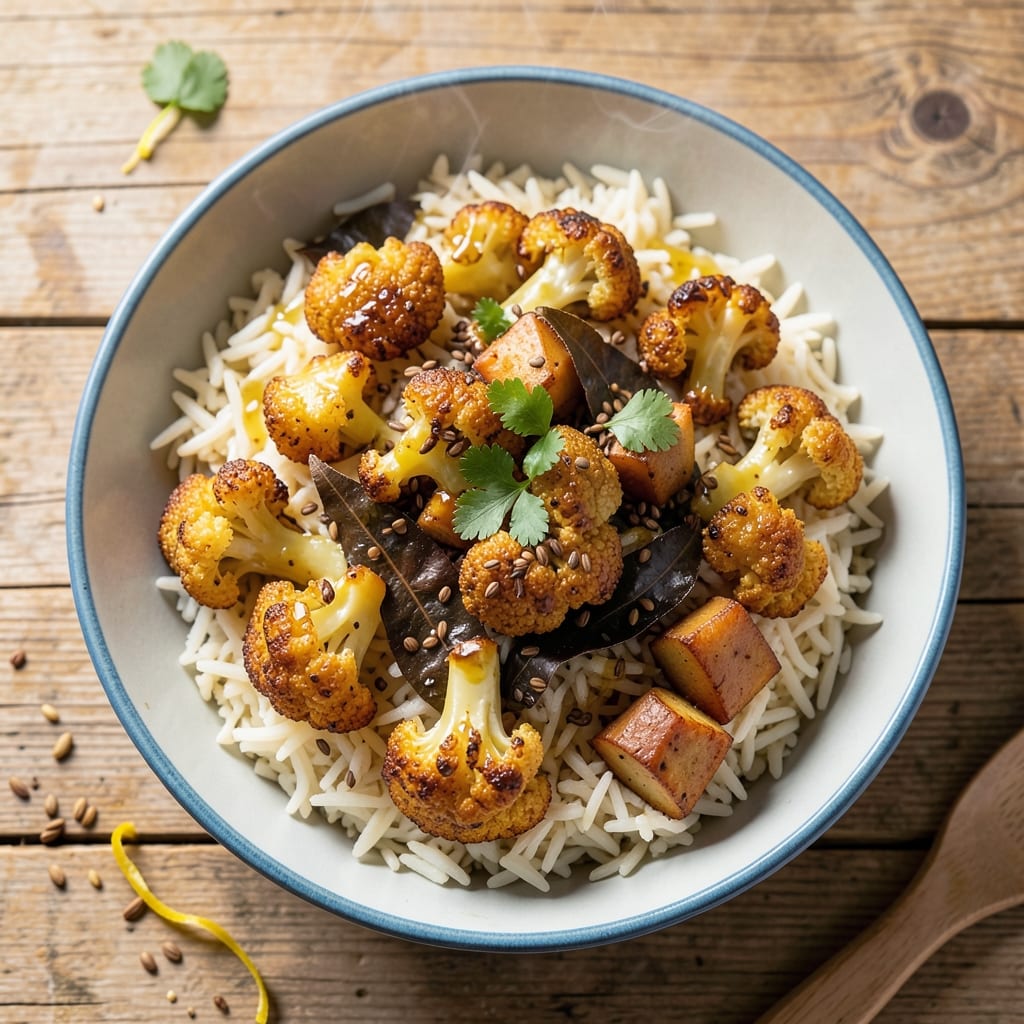
This aloo gobi rice recipe brings the heart of North Indian home cooking to your table with its fragrant basmati and spiced potato-cauliflower pilaf. The magic lies in slow-cooked vegetables infused with warm spices, served alongside perfectly fluffy rice that soaks up every bit of flavor. I’ve refined this dish over years to balance authenticity with modern convenience—no complicated techniques, just layers of taste that make it a weeknight staple.
The secret starts with tempering whole spices in ghee until they sing, then simmering cauliflower and potatoes until tender yet firm. A touch of yogurt and garam masala transforms simple vegetables into a dish that’s rich, aromatic, and deeply satisfying. The rice cooks separately but absorbs the curry’s essence, creating a complete meal in one pot. For extra depth, finish with fresh cilantro and a squeeze of lemon—simple touches that elevate everything.
What you’ll end up with is a one-pot wonder that’s vegetarian-friendly, protein-rich, and adaptable to spice preferences. The dish pairs beautifully with cooling raita or a simple salad, balancing its warmth. Perfect for feeding a family or meal prepping, this recipe delivers restaurant-quality results with minimal effort. Let’s get cooking—your taste buds will thank you.
Pro tip: For extra richness, stir in a spoon of cashew paste at the end, or keep it vegan by using coconut oil instead of ghee. The key is patience—let the spices bloom and the vegetables soften gradually. This isn’t just a recipe; it’s a flavor journey worth every minute. Ready to transform your dinner routine?
Ingredients for aloo gobi rice
Fragrant basmati, tender cauliflower, and spiced potatoes transform into a one-pot vegetarian masterpiece.
| Ingredient | Amount | Notes |
|---|---|---|
| Basmati Rice 🍚 | 1 cup | Uncooked, long-grain preferred |
| Cauliflower 🥬 | 1 lb | Fresh, cut into florets |
| Russet Potatoes 🥔 | 1 ½ lb | Peeled, cut into 1-inch cubes |
| Ghee 🧈 | ½ cup | Clarified butter for richness |
| Whole Cumin Seeds 🌿 | 1 tbsp | Toasted for aromatic depth |
| Bay Leaves 🍃 | 2 whole | Fresh or dried |
| Green Cardamom Pods 🌿 | 4 whole | Lightly crushed |
| Black Cardamom Pods 🌿 | 2 whole | Optional, for smoky depth |
| Cinnamon Sticks 🌿 | 2 whole | Broken into small pieces |
| Plain Yogurt 🥛 | ½ cup | Whisked smooth |
| Garam Masala Powder 🌶️ | 1 ½ tbsp | Store-bought or homemade |
| Fresh Cilantro 🌿 | ¼ cup | Chopped, for garnish |
| Lemon Juice 🍋 | 1 tbsp | Freshly squeezed |
| Salt 🧂 | 1 tsp | To taste, adjust as needed |
| Water 💧 | 2 ½ cups | For rice cooking |
The spices are where the magic happens. Whole cumin seeds and cardamom pods toast beautifully in ghee—listen for that sizzle, it means they're releasing their oils. Patel Brothers or Madhur are my go-to for whole spices, but the grocery store bulk section works too. Fresh bay leaves add a subtle earthiness, while cinnamon brings warmth. If you can't find black cardamom, skip it—this dish shines without it. The potatoes and cauliflower should be evenly sized so they cook at the same pace, and Russets hold up better than waxy varieties in this slow cook.
No ghee? Coconut oil works perfectly for a vegan version, though it lacks that rich buttery note. Short on cardamom? Substitute with 1 tsp ground cardamom, but you'll miss the aromatic complexity. The yogurt is non-negotiable—it tenderizes the vegetables and adds creaminess. Full-fat works best, but Greek yogurt in a pinch adds protein. For garam masala, MDH or Everest blends are reliable, but if you're feeling adventurous, toast cumin, coriander, and cinnamon yourself for a custom blend. The lemon juice at the end brightens everything—don't skip it, even if you're not a huge lemon fan.
This dish tastes even better the next day as flavors meld. Store leftovers in an airtight container for up to 4 days in the fridge. For meal prep, double the recipe and freeze half in portions—just reheat with a splash of water. The rice stays fluffy if you spread it on a tray to cool before storing. Garnish with cilantro right before serving—it wilts fast, so wait until the last minute. Serve with a side of raita or a simple cucumber salad to balance the richness.
Why You'll Love This Recipe
- One-Pot Magic: I swear by this recipe when I’m too tired to scrub pots—just toss everything in one pan with the rice, let it simmer, and walk away. The cauliflower and potatoes soften into golden perfection while the spices infuse the rice right there, no transfers needed.
- Cumin-Kissed Comfort: That first crack of whole cumin seeds in ghee? Pure aroma therapy. The earthy warmth lingers as the potatoes develop a crispy edge and the cauliflower stays tender—like a hug in a bowl, but one that actually fills you up.
- Lunchbox Legend: Between us, this is my secret weapon for packed lunches. The flavors only get better after a day in the fridge, and the rice-to-veggie ratio means it reheats like a dream. (Yes, even on a Tuesday night.)
- Budget Boost: Russet potatoes and cauliflower are my wallet’s best friends, and ghee stretches further than oil here. A single batch feeds four for under $5, and the leftovers? Still delicious three days later—no sad, dry rice in sight.
Step-by-step instructions for aloo gobi rice
This aromatic pilaf brings together tender potatoes and cauliflower with fragrant basmati rice—simple steps for restaurant-quality flavor.
Prepare the Vegetables and Whole Spices
Begin by washing and cutting the 1 lb cauliflower into even florets, about 1-inch in size, and peeling the 1.5 lb russet potatoes into 1-inch cubes. Set them aside in separate bowls. In a small skillet over medium-low heat, dry-toast the 1 tbsp whole cumin seeds for 30 seconds until fragrant—this unlocks their deep, nutty aroma.
While the cumin toasts, lightly crush the 4 whole green cardamom pods and 2 whole black cardamom pods (if using) with the side of a knife, and break the 2 whole cinnamon sticks into small pieces. Add these to the skillet with the 2 whole bay leaves and toast for another 30 seconds until the spices release their oils and fill your kitchen with warm, spicy notes. Remove from heat immediately to prevent burning—over-toasted spices turn bitter.
Sauté Vegetables in Ghee
In a large, heavy-bottomed pot, melt the 0.5 cup ghee over medium heat until it shimmers and smells nutty. Add the potato cubes first and cook for 5 minutes, stirring occasionally, until they begin to soften slightly and develop a golden hue. The ghee’s high smoke point ensures no burning, while its rich flavor infuses the potatoes.
Push the potatoes to one side of the pot and add the cauliflower florets. Stir gently to coat them in the ghee, then sprinkle with the 1 tsp salt. Cook for 5-6 minutes until the cauliflower begins to soften and the potatoes are tender but still hold their shape. Here’s the thing—don’t rush this step. The vegetables need time to absorb the ghee’s flavor and develop a slight caramelization.
Build the Spiced Yogurt Marinade
In a small bowl, whisk together the 0.5 cup plain yogurt with the 1.5 tbsp garam masala powder until smooth. The garam masala should dissolve completely, creating a thick, fragrant paste. This marinade will tenderize the vegetables further and add depth to the dish. If the mixture seems too thick, add 1 tablespoon of water to loosen it.
Pour the spiced yogurt over the sautéed vegetables, stirring well to coat every piece. Let the mixture sit for 5 minutes—this allows the yogurt’s acidity to mellow and the spices to meld. Meanwhile, rinse the 1 cup basmati rice under cold water until the water runs clear, then drain. This removes excess starch and prevents the rice from becoming gummy.
Layer and Cook the Pilaf
Add the drained rice to the pot with the marinated vegetables, stirring gently to combine. Pour in the 2.5 cups water and bring to a boil over high heat. Once boiling, reduce the heat to low, cover the pot with a tight-fitting lid, and let it simmer for 15 minutes. This initial cooking allows the rice to absorb some liquid and soften slightly.
After 15 minutes, gently fluff the rice with a fork, then stir in the toasted whole spices you prepared earlier. The spices will infuse the rice with their aromatic oils as it cooks. Return the lid and simmer for another 10-12 minutes until the rice is tender and the liquid has been absorbed. The rice should be light and fluffy, with no excess water in the pot. If it’s still too moist, uncover and cook for another 2-3 minutes to evaporate the remaining liquid.
Finish and Serve
Once the rice is cooked, remove the pot from heat and let it sit, covered, for 5 minutes. This resting period allows the steam to redistribute, ensuring every grain is perfectly cooked. Stir in the 1 tbsp lemon juice and 0.25 cup chopped fresh cilantro, tossing gently to incorporate. The lemon brightens the dish, cutting through the richness of the ghee, while the cilantro adds a fresh, herbal note.
Serve the aloo gobi rice immediately, garnished with an extra sprinkle of cilantro if desired. The dish should be fragrant, with tender vegetables and fluffy rice infused with warm, spiced notes. Pair it with a side of raita or a simple cucumber salad for a complete meal. The key to this recipe is patience—letting the spices toast properly and the rice cook undisturbed ensures a dish that’s both comforting and full of flavor.
Pro Tips For Making Aloo Gobi Rice
- CUT POTATOES EVENLY: Grab a mandoline or a sharp knife—uneven chunks mean some potatoes turn to mush while others stay raw. Aim for 1-inch cubes, and soak them in cold water for 10 minutes first to remove excess starch. Trust me, your rice won’t turn into a gluey mess when the potatoes break down properly. ---
- DRY CAULIFLOWER WELL: Pat those florets thoroughly with a kitchen towel before frying, or they’ll steam instead of crisp up. I used to skip this, and my gobi always ended up soggy—now it’s got that perfect golden crunch that makes the whole dish sing. ---
- LOW AND SLOW FOR RICE: Once the rice is cooking, reduce the heat to the lowest setting and let it simmer uncovered. I learned this after burning the bottom of three pots—basmati needs gentle love, not aggressive boiling, to stay fluffy and separate. ---
- TOAST CUMIN SEEDS FIRST: Bloom those cumin seeds in ghee for 30 seconds until they pop and smell like heaven. Skipping this step means your dish will taste flat—no shortcut here, just let them sizzle until the aroma hits your kitchen.
Regional styles of these flavors
Punjabi Aloo Gobi
In Punjab, this dish is often made with a slightly richer spice profile, using 1 tsp shahi jeera (black cumin) alongside regular cumin for depth. I like adding ½ cup chopped onions sautéed in ghee before the vegetables to build a fragrant base. The Punjabi version also includes 1 tsp kasuri methi (dried fenugreek leaves) at the end for a unique, earthy aroma that’s unmistakable. Serve with makki ki roti (corn flatbread) for an authentic experience. 🌿
South Indian Style
In Tamil Nadu and Karnataka, aloo gobi often incorporates curry leaves and mustard seeds for a tangy kick. Start by tempering ½ tsp mustard seeds, 5-6 curry leaves, and 1 dried red chili in ghee until they pop. Then proceed with the potatoes and cauliflower. The South Indian version also includes ½ cup grated coconut at the end for a sweet, nutty contrast. Use short-grain rice instead of basmati for a stickier texture. 🥥
Goan Fusion Twist
Goa’s Portuguese influences shine in this variation, where vinegar replaces yogurt for a tangy twist. Sauté the vegetables with 1 tbsp goan vinegar and 1 tsp sugar to balance flavors. Add ½ cup chopped coriander and 2 tbsp grated coconut at the end. Serve with Goan pao (bread) or steamed rice. The Goan version also includes 1 tsp fennel seeds in the tempering for a licorice-like warmth. 🌶️
North Indian Home-Style
This is the classic version you’ll find in Delhi and UP homes, where simplicity reigns. The key here is slow cooking—simmer the vegetables for 20-25 minutes until they’re fork-tender but still hold their shape. Add ½ cup water at the end to prevent drying out. Garnish with lemon wedges and serve with dal tadka for a complete meal. The North Indian style relies on homemade garam masala for the best flavor. 💛
Bengali Aloo Gobi
In West Bengal, this dish often includes mustard oil instead of ghee, adding a pungent depth. Temper ½ tsp mustard seeds in 2 tbsp mustard oil until they splutter, then add the vegetables. The Bengali version also includes 1 tsp turmeric and ½ tsp asafoetida (hing) for a distinct flavor. Serve with steamed rice and luchi (deep-fried dough balls) for a festive touch. 🌟
Hyderabadi Spiced
Hyderabadi aloo gobi is all about bold flavors—use 1 tsp red chili powder and ½ tsp turmeric in the yogurt marinade. Add 1 tsp chaat masala at the end for a tangy, spicy kick. The Hyderabadi style also includes ½ cup chopped mint leaves alongside cilantro. Serve with mirchi ka salan (chili curry) for a spicy contrast. This version is perfect for those who love heat! 🔥
Nutrition facts
Frequently asked questions
Can I make this dish without yogurt?
Yes, you can substitute yogurt with ½ cup coconut milk or even ½ cup water mixed with 1 tbsp lemon juice to maintain moisture and acidity. The yogurt adds creaminess and helps tenderize the vegetables, but these alternatives work in a pinch. For extra richness, stir in 1 tbsp cashew paste at the end.
How do I adjust the spice level?
For milder flavor, reduce the garam masala to 1 tsp and skip the black cardamom. For heat lovers, add ½ tsp red chili powder with the yogurt marinade or finish with ½ tsp chaat masala. Always taste as you go—spices build up during cooking!
Can I use frozen cauliflower and potatoes?
Fresh is best, but if using frozen, thaw and pat completely dry before cooking. Frozen veggies release more moisture, which can make the rice soggy. To fix this, reduce the water to 2 cups instead of 2.5 cups and cook uncovered for the last 2 minutes to evaporate excess liquid.
What's the best way to store leftovers?
Store in an airtight container for up to 4 days in the fridge. For longer storage, freeze portions for 3 months. Reheat gently on the stove with 1-2 tbsp water to restore moisture. The rice may dry out slightly—cover with a damp paper towel while reheating.
Why did my rice turn out mushy?
Overcooking or stirring too much releases starch, making rice gummy. Next time, use 1:1.5 rice-to-water ratio (like here) and avoid lifting the lid while cooking. If it’s too moist, spread it on a tray to cool, then reheat uncovered. For extra fluffiness, add 1 tsp lemon juice when reheating.