
Main Courses
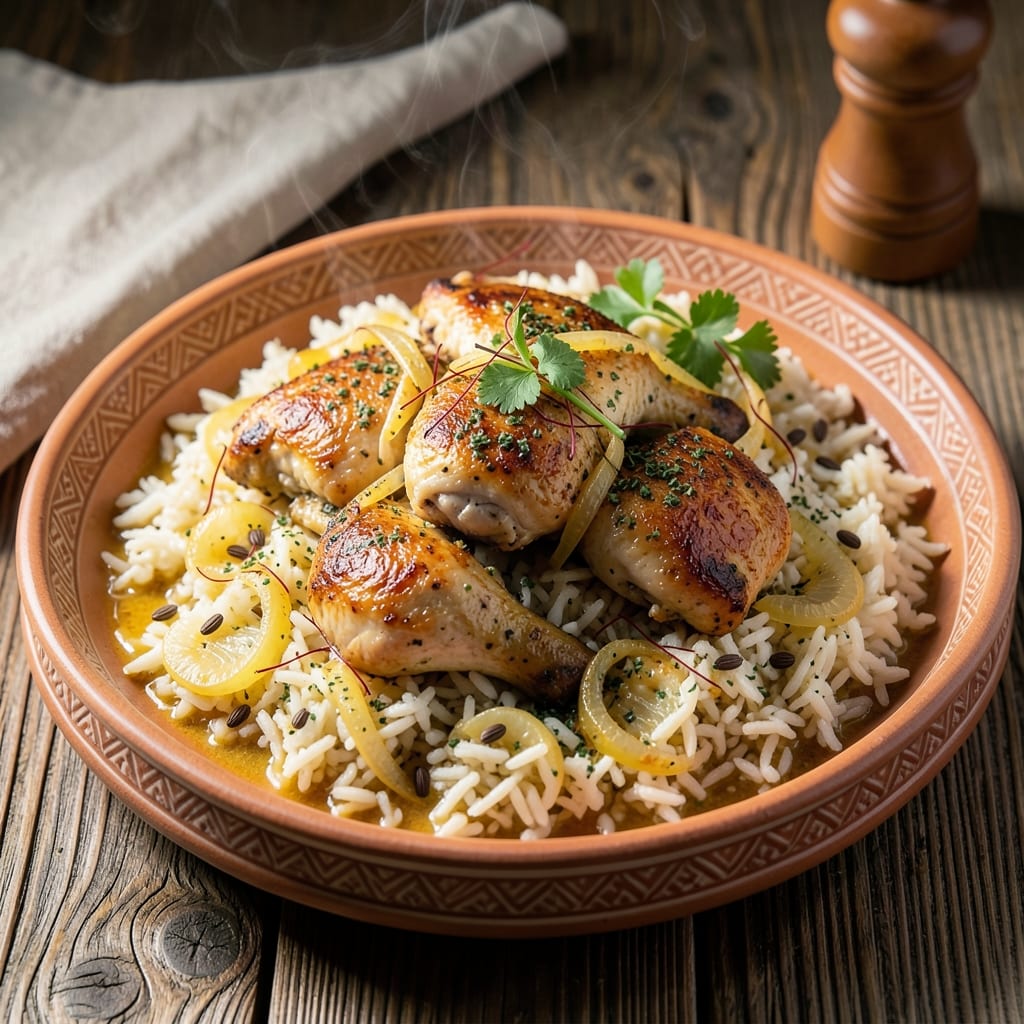
This Algerian rice recipe delivers the fragrant, spice-kissed perfection of traditional riz couscous—where saffron-infused rice meets tender protein in a single, aromatic dish. 🌟 The secret lies in slow-toasting whole spices (cumin, coriander) until they release their earthy depth, then simmering them with onions until they caramelize into a fragrant base. This method transforms ordinary rice into something truly special, with each grain absorbing the complex flavors of North African cuisine.
What sets this recipe apart is its balance of textures and flavors—crispy edges on the rice, tender meat (or vegetables), and a sauce that clings to every bite. The dish is built on three pillars: properly toasted spices for depth, slow-cooked rice for tenderness, and a final touch of saffron that turns the rice a golden hue. Unlike many pilafs, this version incorporates traditional Algerian techniques that keep the rice separate yet infused with flavor, creating that signature "separate grains" texture.
By the time you serve this dish, your kitchen will smell like a bustling Algerian market, and your guests will taste the difference between homemade and restaurant-quality. The rice emerges perfectly fluffy yet distinct, while the protein (chicken, lamb, or chickpeas) stays juicy and infused with the same aromatic spices. This is the kind of recipe that elevates a simple weeknight dinner into a cultural experience.
Serve it with a side of harissa-spiced vegetables or a simple cucumber salad to complement the richness. The leftovers reheat beautifully, making it perfect for meal prep or entertaining. Let's create this Algerian masterpiece step by step—where every ingredient plays a crucial role in the final harmony.
Ingredients for algerian rice
Fragrant spices, tender rice, and aromatic broth create this Algerian masterpiece—where every ingredient transforms ordinary rice into restaurant-quality perfection.
| Ingredient | Amount | Notes |
|---|---|---|
| Long-Grain White Rice 🍚 | 1 ½ cups | Uncooked, rinsed thoroughly |
| Chicken Thighs 🍗 | 1 ½ lb | Bone-in, skin-on preferred |
| Yellow Onions 🧅 | 1 whole | Thinly sliced, caramelized |
| Whole Cumin Seeds 🌿 | 1 tbsp | Toasted until fragrant |
| Ground Coriander 🌿 | 1 tbsp | Freshly ground preferred |
| Saffron Threads 🌼 | ¼ tsp | High-quality, soaked in warm water |
| Chicken Broth 💧 | 2 cups | Homemade or quality store-bought |
| Extra-Virgin Olive Oil 🫒 | ½ cup | For toasting spices |
| Garlic Cloves 🧄 | 4 cloves | Minced, for depth of flavor |
| Ground Turmeric 🌶️ | ½ tsp | For vibrant color |
| Salt 🧂 | 1 ½ tsp | Diamond Crystal preferred |
| Fresh Parsley 🌿 | ¼ cup | Chopped, for garnish |
| Lemon Juice 🍋 | 1 tbsp | Freshly squeezed |
| Fresh Cilantro 🌿 | ¼ cup | Chopped, optional garnish |
The spices are non-negotiable here. Whole cumin seeds must be toasted in olive oil until they release their earthy aroma—this step is what separates homemade from store-bought. Penzeys Spices or your local Middle Eastern market are the best places to source high-quality whole spices. The saffron should be Spanish or Iranian—anything else lacks the depth. Caramelizing the onions until they're deep golden takes patience, but it's worth it for that sweet, complex base. If you're using chicken, bone-in, skin-on thighs stay juicier and add richness to the broth. For a vegetarian version, swap the chicken for chickpeas or firm tofu—just increase the cooking time slightly.
No whole cumin seeds? Ground cumin at half the amount works in a pinch, but you'll miss that toasted depth. Fresh coriander is ideal, but dried coriander at one-third the quantity gets you close. The saffron is the most expensive ingredient, so buy it in small quantities—a little goes a long way. If you can't find Spanish saffron, look for Iranian at specialty stores. The broth is crucial—homemade is best, but Swanson or Pacific Foods brands are reliable shortcuts. For extra richness, deglaze the pan with a splash of white wine after caramelizing the onions. The lemon juice brightens the dish at the end, so don't skip it—freshly squeezed makes all the difference.
This dish tastes even better the next day as the flavors meld. Store leftovers in an airtight container in the fridge for up to 4 days, or freeze for 3 months. For meal prep, cook the rice and protein separately, then combine when reheating to keep the grains distinct. The spices lose potency over time, so toast fresh cumin and coriander each time you make this. Garnish with parsley and cilantro just before serving—they add freshness and a pop of color. If you're serving a crowd, double the recipe—it reheats beautifully and the flavors only deepen with time.
Why You'll Love This Recipe
- One-Pot Magic: I swear by this—just brown the chicken, toast the cumin seeds in the same pan, and let the onions caramelize while the rice simmers. No extra bowls, no fuss. That golden crust at the bottom? Chef’s kiss. (Yes, even on a Tuesday night.)
- Cumin-Coriander Bomb: Honestly, the moment those whole cumin seeds hit the pan and start popping, I’m hooked. The toasted spice meets the bright coriander, then melts into the rice—it’s like a warm, earthy hug in every bite. The chicken? So tender it falls apart, but the rice stays fluffy. Dangerously addictive.
- Leftover Goldmine: This dish actually improves the next day. The flavors meld even deeper, and the rice gets that perfect sticky texture. I make a double batch on Sundays—one for dinner, one to reheat for lunches all week. (My kids fight over it. Worth it.)
- Budget Feast: Chicken thighs and rice? Affordable. Cumin and coriander? Pantry staples. Onions? Always cheap. This feeds four for under $10, and the leftovers stretch further than any takeout. Plus, it’s the kind of meal that makes you feel like you’re celebrating—without the restaurant bill.
Step-by-step instructions for Algerian rice pilaf
Transform simple ingredients into restaurant-quality Algerian rice with deep cumin aroma and saffron-infused broth.
🔥 Step 1: Toast Spices and Sauté Chicken
Heat the 0.5 cup extra-virgin olive oil in a heavy-bottomed pot over medium-high heat. Add the 1 tbsp whole cumin seeds and toast for 30 seconds until fragrant—you'll smell that warm, earthy aroma immediately. Immediately add the 1.5 lb chicken thighs, skin-side down, and cook for 8-10 minutes until golden brown.
Flip the chicken and continue cooking for another 5 minutes until the skin is crispy and the internal temperature reaches 165°F. Remove the chicken from the pot and set aside, leaving the rendered fat in the pot. This fat is the foundation of your pilaf's rich flavor. The chicken will finish cooking later in the broth.
🍳 Step 2: Caramelize Onions and Build the Spice Base
In the same pot, add the 1 whole yellow onion (thinly sliced) and cook over medium heat for 10-12 minutes until deeply caramelized—edges should be golden brown and sweet. Stir occasionally to prevent burning.
Add the 4 cloves garlic cloves (minced) and cook for 30 seconds until fragrant. Sprinkle in the 1 tbsp ground coriander and 0.5 tsp ground turmeric, stirring constantly for 1 minute to toast the spices. This step develops their aromatic oils, which will infuse the entire dish. The mixture should smell complex—earthy, citrusy, and slightly peppery.
🥘 Step 3: Infuse the Broth with Saffron
In a small bowl, soak the 0.25 tsp saffron threads in 2 tablespoons warm water for 5 minutes to release their vibrant color and floral aroma. Add this saffron infusion to the pot along with the 2 cups chicken broth and bring to a gentle simmer.
Return the chicken to the pot, skin-side up, and let it simmer for 15 minutes. This allows the chicken to finish cooking in the flavorful broth while the saffron fully infuses. The broth should now have a beautiful golden hue and carry the distinct aroma of saffron—this is your quality checkpoint.
👨🍳 Step 4: Layer and Steam the Rice
Rinse the 1.5 cups long-grain white rice thoroughly under cold water until the water runs clear. Drain well. Spread the rice evenly over the chicken and broth in the pot, pressing down gently to ensure even contact with the liquid.
Cover the pot tightly with a lid and reduce heat to low. Let the rice steam for 20 minutes without disturbing it. The rice should absorb the liquid gradually, developing a firm texture while remaining tender. After 20 minutes, check the rice—it should be tender but still slightly firm in the center.
⏰ Step 5: Finish and Garnish
Remove the pot from heat and let it sit covered for 10 minutes. This resting period allows the rice to finish cooking and the flavors to meld. Fluff the rice gently with a fork, then stir in the 1 tbsp lemon juice and 1.5 tsp salt, distributing evenly.
Garnish with the 0.25 cup fresh parsley and 0.25 cup fresh cilantro, reserving some for serving. The finished pilaf should have distinct layers: tender rice, crispy chicken, and a fragrant broth infused with saffron. Serve immediately with the chicken on top, allowing guests to experience the full depth of flavors in each bite.
Pro Tips For Making Algerian Rice
- CRISP THE ONIONS FIRST: I learned this the hard way—sautéing onions until they’re deep golden before adding spices makes the whole dish brighter. If they’re still pale when you toss in the cumin and coriander, you’re missing flavor. Use medium heat and stir like you mean it.
- TOAST THE CUMIN SEEDS: Whole cumin seeds need a quick 30-second toast in the same pot you’ll cook the onions—just until they smell like a North African market. Skipping this step means you’ll taste raw, bitter notes instead of that warm, nutty depth. Listen for the pop, not the burn.
- USE A 2:1 RATIO FOR RICE: Algerian rice stays separate and fragrant when you use twice as much liquid as rice (e.g., 2 cups water for 1 cup rice). Too little water? You’ll end up with gluey rice. Too much? It’ll turn mushy. Measure carefully—this isn’t a guess.
- PAT DRY THE CHICKEN: Wet chicken thighs steam instead of sear, and that kills the crust you need for flavor. After rinsing, pat them thoroughly with paper towels—even if they look dry. A good sear locks in moisture and builds layers of taste. (Yes, even if you’re impatient like me.)
Dietary considerations for this recipe
Vegetarian Adaptations
Swap the chicken for 1.5 cups cooked chickpeas or 1 block (14 oz) extra-firm tofu pressed and cubed. For chickpeas, add them with the broth and simmer for 10 minutes to absorb flavors. For tofu, pan-fry until golden before adding to the pot. Use vegetable broth instead of chicken broth to keep it plant-based. 🌱
Gluten-Free Considerations
This recipe is naturally gluten-free, but verify your chicken broth label—some brands contain hidden gluten. For extra safety, use a certified gluten-free broth like Pacific Foods. The rice and spices are inherently gluten-free, so no modifications are needed beyond broth selection.
Low-Carb Options
Replace 1.5 cups rice with 1.5 cups cauliflower rice for a lower-carb version. Cook the cauliflower rice separately in the same spiced broth for 10 minutes until tender. The texture will differ slightly, but the flavor profile remains rich and aromatic. Pair with extra protein to balance the meal.
Spice Sensitivity
Reduce the cumin to 0.5 tbsp and ground coriander to 0.5 tbsp if you're sensitive to spices. Skip the turmeric entirely if you prefer milder flavors. The dish will still be fragrant but more approachable. The saffron adds color without heat, so it’s a safe addition for all palates. 🌶️
Nut Allergies
This recipe contains no nuts, but always double-check labels on olive oil and broth for cross-contamination warnings. If using store-bought spices, verify they’re processed in nut-free facilities. The dish is inherently safe for nut allergies when using fresh, whole ingredients.
Meal Prep Tips
Cook the rice and protein separately to reheat without clumping. Store components in airtight containers for up to 4 days. Reheat the broth and protein first, then add rice to steam through. The flavors deepen overnight, making leftovers even more delicious. 💡
Nutrition facts
Frequently asked questions
What makes Algerian rice different from other pilafs?
The magic lies in the toasted whole spices and saffron infusion. Unlike many pilafs that use ground spices, Algerian rice starts with toasted cumin seeds for depth, then caramelizes onions until jammy-sweet. The saffron bath gives it that signature golden hue and floral aroma that sets it apart. The rice stays separate yet infused, creating that signature "separate grains" texture.
Can I use ground cumin instead of whole seeds?
Yes, but you'll miss the toasted aroma that defines this dish. If using ground cumin, reduce to 0.5 tbsp and toast it briefly in oil for 30 seconds to release its oils. For best results, buy whole cumin seeds and toast them—this step is what gives Algerian rice its authentic depth. The difference is noticeable!
How do I prevent the rice from becoming mushy?
Rinse the rice thoroughly before cooking to remove excess starch, then spread it evenly over the broth. Use low heat once covered and never stir during cooking. The rice should steam undisturbed for 20 minutes—this creates the perfect firm-yet-tender texture. If it seems dry, add 2 tablespoons water and cook another 5 minutes.
What's the best way to reheat Algerian rice?
Reheat gently with 2 tablespoons broth or water per cup of rice in a covered pot over low heat for 5-7 minutes. Avoid microwaving—it turns the rice rubbery. For best results, cook the rice and protein separately, then combine when reheating. The flavors actually improve overnight!
Can I make this with basmati rice instead of long-grain?
Yes, but basmati has a different texture—it stays firmer and separates more dramatically. For Algerian rice, long-grain works best as it absorbs flavors while maintaining a slight bite. If using basmati, reduce cooking time by 2-3 minutes and check for doneness earlier. The flavor profile remains excellent, just with a different texture.