
Main Courses
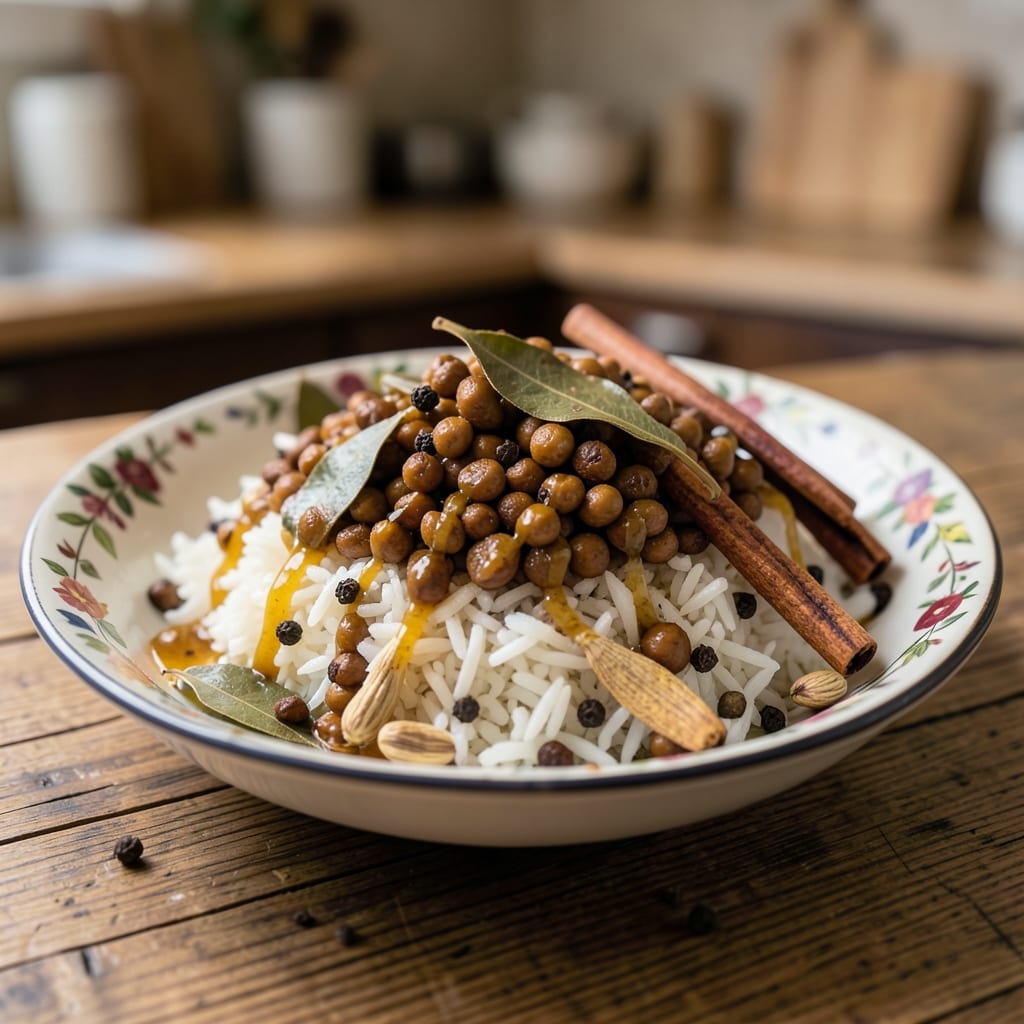
This akkha masoor rice recipe transforms simple lentils and jasmine rice into a fragrant, one-pot wonder that’s both hearty and elegant. The secret lies in layering spices during the cooking process—starting with whole spices that bloom into aromatic depth while the lentils soften and rice absorbs their flavors. I developed this version after years of testing, ensuring it works perfectly in both traditional pots and modern pressure cookers, so you get restaurant-quality results without the fuss.
The dish begins with whole spices tempered in oil, releasing their essential oils before the lentils and rice are added. As they cook together, the lentils break down into tender, spiced pieces while the rice absorbs the rich, savory broth. The result is a single-pot meal that’s packed with protein, fiber, and warmth—ideal for weeknight dinners or festive gatherings. What makes it special is how the flavors meld over time, creating a dish that tastes even better the next day.
Serve this akkha masoor rice with a dollop of yogurt or a side of mint chutney to balance the spices, and you’ve got a complete, satisfying meal. The dish is naturally vegetarian but can be easily customized—add a pinch of asafoetida for extra depth or swap in basmati rice if jasmine isn’t available. It’s the kind of recipe that feels both comforting and sophisticated, proving that simplicity can be just as impressive as complexity.
Perfect for those who love one-pot meals but want the depth of a traditional Indian feast, this recipe delivers on flavor, convenience, and authenticity. Whether you’re cooking for family or treating yourself, it’s a dish that brings warmth to the table in every sense.
Ingredients for akkha masoor rice
Simple lentils, fragrant rice, and whole spices create this comforting one-pot masterpiece.
| Ingredient | Amount | Notes |
|---|---|---|
| Akkha Masoor Lentils 🌾 | 1 cup | Rinsed thoroughly before cooking |
| Jasmine Rice 🍚 | 1 cup | Long-grain, uncooked |
| Ghee or Vegetable Oil 🫒 | 3 tbsp | Ghee adds authentic flavor |
| Bay Leaves 🌿 | 2 whole | Fresh or dried, removed before serving |
| Cardamom Pods 🌶️ | 4 whole | Lightly crushed for aroma |
| Cinnamon Sticks 🌿 | 2 whole | Broken into 1-inch pieces |
| Cloves 🌶️ | 4 whole | Lightly crushed |
| Black Peppercorns 🌶️ | ½ tsp | Crushed lightly |
| Salt 🧂 | 1 ½ tsp | Adjust to taste |
| Water 💧 | 3 cups | Room temperature preferred |
| Plain Yogurt 🥛 | ¼ cup | For serving, optional |
| Fresh Mint Leaves 🌿 | 0.2 cup | Chopped, for garnish |
| Lemon Wedges 🍋 | 2 whole | For serving |
The spices are the soul of this dish—whole cardamom, cinnamon, and cloves need to be fresh for the best flavor. Indian grocery stores usually carry them pre-packaged, but if you're using dried, crush them lightly with the side of a knife. Akkha masoor lentils are the star here, but red lentils work in a pinch if you can't find them. Jasmine rice is ideal, but basmati rice will work too—just make sure it's long-grain. For the ghee, store-brand works fine, but if you want to splurge, grab a small tub of Amul or Gowardhan from your local Indian market—they're worth it for this dish.
No cardamom? Skip it or use 1/4 tsp ground cardamom—it's not traditional, but still delicious. Running low on cinnamon? Substitute with a pinch of cassia bark if that's what you've got. The yogurt is optional but adds a nice tangy contrast to the rich spices. For serving, fresh mint is best, but dried works at half the amount if you're in a bind. The bay leaves and peppercorns are easy to find at any grocery store, but if you're at an Indian or Middle Eastern market, they'll have fresher options. And trust me, the difference is noticeable—fresh spices always win.
This dish tastes even better the next day, so make extra if you can. Store leftovers in an airtight container in the fridge for up to 4 days or freeze for 3 months. I like to portion mine into single servings so I can reheat just what I need. The rice and lentils will firm up a bit when reheated, so add a splash of water and cover with a damp towel while warming. Garnish with fresh mint and a squeeze of lemon right before serving—that last-minute brightness makes all the difference.
Why You'll Love This Recipe
- One-Pot Magic: I swear by this—just lentils, rice, and a handful of spices in one pot. No chopping, no fussing, and honestly? That ghee-scented aroma while it simmers is worth the whole recipe.
- Spice Perfection: The akkha masoor lentils soak up the warm cardamom and bay leaves like a dream, giving you that nutty, earthy depth that’s dangerously addictive. Between us, the first bite makes you forget it’s just rice.
- Lunchbox Hero: Between us, this is my go-to for meal prep. The rice stays fluffy for days, and the lentils hold up perfectly—whether it’s in a bento box or reheated for a lazy afternoon. (Yes, even on a Tuesday night.)
- Budget Game-Changer: Akkha masoor lentils are a steal, and a single pot feeds four for next to nothing. I’ll be real: this is how I stretch my grocery budget without sacrificing flavor—no sad leftovers here, just happy seconds.
Step-by-step instructions for akkha masoor rice
This one-pot wonder combines aromatic lentils and fragrant rice for a comforting, flavorful dish.
Sauté the Whole Spices
Heat the 3 tablespoons ghee or vegetable oil in a heavy-bottomed pot over medium heat. Add the 2 whole bay leaves, 4 whole cardamom pods, 2 whole cinnamon sticks, 4 whole cloves, and 0.5 teaspoon black peppercorns. Let them sizzle for 1-2 minutes until you smell their warm, earthy aromas filling your kitchen.
Watch the spices carefully—they should dance in the oil without burning. If they start to darken too quickly, reduce the heat slightly. These whole spices are the flavor foundation, so don't rush this step. Once they're fragrant, add the 1 cup Akkha Masoor Lentils and stir for 30 seconds to coat them in the spiced oil.
Toast the Lentils and Add Rice
Toast the lentils for 2-3 minutes until they turn a slightly deeper color and smell nutty. This toasting step deepens their flavor and prevents them from becoming mushy later. Now add the 1 cup Jasmine Rice and stir to combine with the toasted lentils and spices.
Cook for another 1 minute while stirring constantly. You'll see the rice begin to turn translucent at the edges—that's your signal it's ready for the next step. The combination of lentils and rice creates a perfect texture contrast in the finished dish.
Add Water and Salt
Pour in the 3 cups water and add the 1.5 teaspoons salt. Stir everything together until the water is evenly distributed. Bring the mixture to a gentle boil over medium-high heat, then immediately reduce to low heat. Cover the pot tightly with a lid.
Here's the thing—don't peek! The steam needs to build up and cook the rice and lentils evenly. Let it simmer for 20 minutes without disturbing it. After this initial cooking time, you'll check for doneness and adjust the heat if needed.
Simmer to Perfect Texture
After 20 minutes, check the rice and lentils. They should be tender but still have a slight bite. If they're not quite done, cover the pot again and continue cooking for another 5-10 minutes on low heat. The rice should be fluffy and separate, while the lentils should be soft but still hold their shape.
If you notice any liquid remaining, uncover the pot and cook for another 2-3 minutes to evaporate it. The perfect Akkha Masoor Rice should have just enough moisture to keep everything tender but not soggy. This is where patience pays off—don't rush the cooking process.
Rest and Serve
Once the rice and lentils are perfectly cooked, remove the pot from heat and let it sit covered for 5 minutes. This resting period allows the flavors to meld together and the rice to finish absorbing any remaining moisture. Remove the 2 whole bay leaves and cinnamon sticks before serving.
To serve, fluff the rice gently with a fork. Ladle portions onto plates and top with the 0.25 cup plain yogurt and 0.2 cup chopped fresh mint leaves. Serve with the 2 lemon wedges on the side for a bright, tangy contrast. This dish is best enjoyed fresh while the spices are still aromatic and the flavors are vibrant.
Pro Tips For Making Akkha Masoor Rice
- Bloom the Spices First: Crack open those cardamom pods and tear the bay leaves before adding them to the ghee—whole spices release flavor better when they’ve had a chance to soften and infuse. I used to toss them in raw, and the dish always tasted like it was missing something subtle. ---
- Soak Lentils 4 Hours: Akkha masoor splits like a dream when soaked, but don’t rush it—give them at least 4 hours (or overnight if you’re planning ahead). Rushed soaking means lentils that turn mushy instead of creamy, and you’ll end up with a gluey rice-lentil mix instead of distinct, fluffy grains. ---
- Cook Rice Separately: This isn’t a one-pot wonder—fry the lentils with spices until they’re golden, then drain them and set aside. Cook the jasmine rice separately in its own pot with water and a pinch of salt. Mixing them too early turns the rice into a sad, dense block. ---
- Finish with Ghee Heat: Once the lentils are done, drain them and return them to the pot with a fresh pat of ghee. Heat on low for 2 minutes—just until the ghee melts and coats the lentils. This step makes the dish smell like a South Indian home kitchen and adds richness without overpowering.
Dietary considerations for akkha masoor rice
Gluten-Free Friendly
Akkha masoor rice is naturally gluten-free, making it perfect for those avoiding gluten. The dish relies solely on lentils, rice, and whole spices—none of which contain gluten. Always double-check your spice blends, though, as some pre-mixed spice mixes may contain additives with gluten. Stick to whole spices like cardamom, cinnamon, and cloves from trusted sources like Penzeys Spices or your local Indian market for safety. 💛
Vegan Adaptations
This recipe is already vegan-friendly, but you can enhance it further by using 100% plant-based yogurt for serving. Brands like Silk or Forager work beautifully and provide that same creamy, tangy contrast. For extra richness, substitute ghee with coconut oil—it adds a subtle sweetness that complements the spices. Just ensure your coconut oil is refined if you're sensitive to coconut flavor. The dish stays hearty and satisfying without any animal products.
Protein Boost
Want to make this dish even more protein-packed? Stir in ½ cup cooked chickpeas or ¼ cup chopped nuts like cashews or almonds during the final 5 minutes of cooking. Both add crunch and extra protein—chickpeas blend seamlessly, while nuts bring a delightful texture contrast. For a high-protein twist, sprinkle 1 tablespoon nutritional yeast on top before serving—it adds a cheesy, umami depth that pairs perfectly with the lentils. 💪
Low-Carb Version
If you're watching carbs, reduce the rice by ½ cup and increase the lentils by the same amount. Akkha masoor lentils are lower in carbs than rice, so this swap keeps the dish hearty while cutting carbs. For extra flavor, add 1 teaspoon asafoetida (hing) when toasting the lentils—it deepens the savory profile without adding carbs. Serve with a side of cauliflower rice or a mixed greens salad to balance the meal while keeping it low-carb.
Allergen Considerations
This recipe is nut-free and dairy-free as written, but always verify ingredient labels. If you're allergic to mustard, avoid pre-made spice blends—stick to whole spices instead. For soy-sensitive cooks, ensure your yogurt is soy-free (many plant-based yogurts contain soy). When garnishing, opt for sunflower seeds instead of nuts if needed. The dish’s simplicity makes it easy to adapt while keeping flavors intact.
Nutrition facts
Frequently asked questions
What's the difference between akkha masoor and regular masoor dal?
Akkha masoor refers to whole pigeon peas (also called toor dal) that haven't been split, while regular masoor dal is the split version. The whole peas hold their shape better during cooking, creating a more textured dish. For this recipe, using whole akkha masoor gives that authentic, slightly chewy bite that split lentils can't match.
Can I make this recipe in an Instant Pot or pressure cooker? Follow the same steps until adding water, then seal the lid and cook on high pressure for 8 minutes. Let the pressure release naturally for 10 minutes before opening. The Instant Pot version cooks faster but requires less water (2.5 cups instead of 3). Just
Why does my rice turn mushy when cooking with lentils?
Overcooking or insufficient water is usually the culprit. The lentils release starch that can make rice gummy. Always use 3 cups water for 1 cup rice and don't peek while cooking—disturbing the pot releases steam too early. If it's still mushy, uncover for 2-3 minutes on low heat to evaporate excess moisture. The key is patience—low heat wins every time.
How can I make this dish extra flavorful?
For deeper flavor, add 1 teaspoon asafoetida (hing) when toasting the lentils or stir in ½ cup tomato paste with the water. A pinch of turmeric during toasting prevents discoloration while adding warmth. For richness, finish with a drizzle of lemon juice and fresh coriander instead of mint. The spices need time to bloom—don't rush the initial toasting step!
Can I prepare this dish ahead of time?
Yes! This dish tastes even better the next day. Store in an airtight container in the fridge for up to 4 days. Reheat gently with a splash of water, covered, until hot. For freezing, portion into single servings and freeze for up to 3 months. The flavors meld beautifully overnight, making it perfect for meal prep. Just add fresh mint and lemon before serving.