
Main Courses
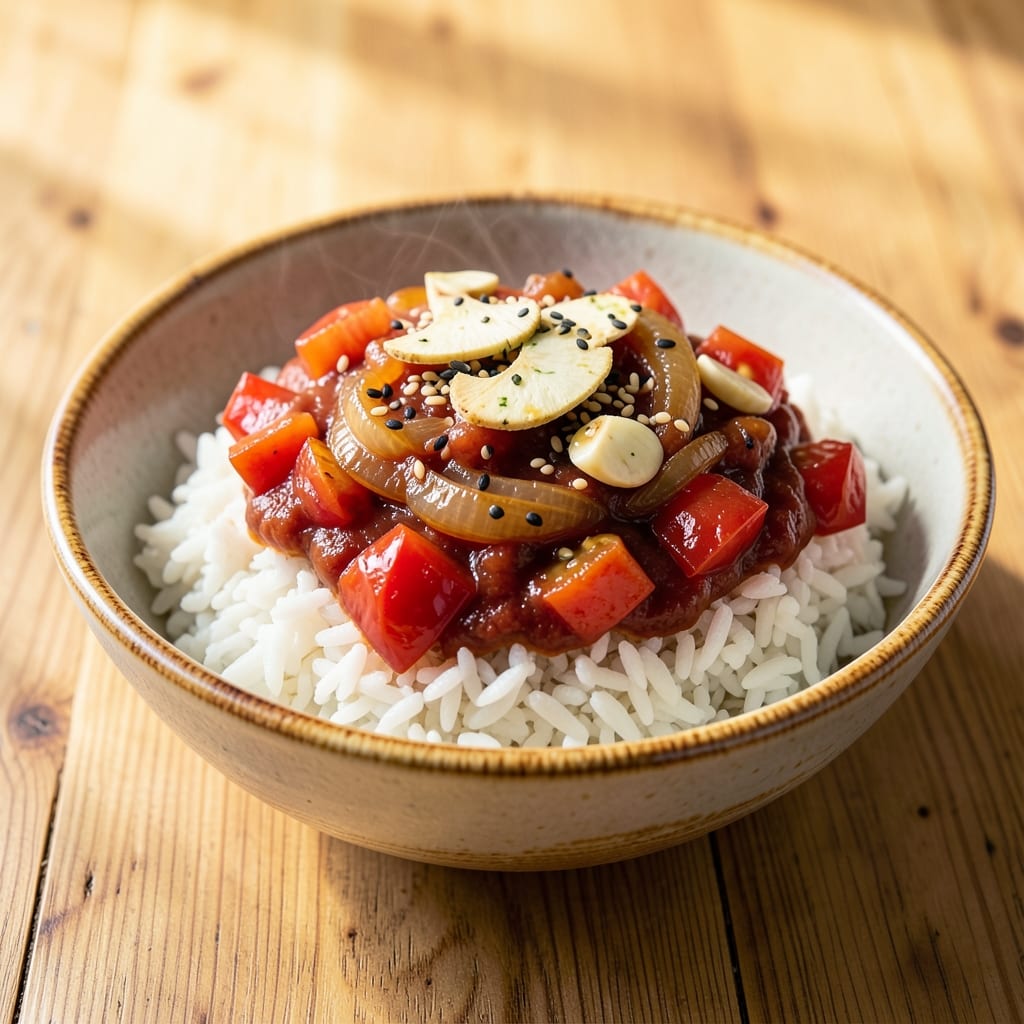
This African dry rice recipe transforms simple grains into a fragrant, spice-infused bowl that carries the soul of West African cuisine. The foundation lies in perfectly parboiled rice, infused with a rich tomato-pepper base that simmers into a deep, aromatic sauce. What makes this dish special is how it balances bold flavors—smoky thyme, earthy ginger, and the warmth of cayenne—without overpowering the natural taste of the rice.
The beauty of this recipe is its adaptability. Whether you're serving it with grilled chicken, fried fish, or plantains, the rice stands as the heart of the meal, absorbing flavors while maintaining its signature texture. The key technique is the slow cooking process, which allows the spices to meld into the rice, creating a dish that's both comforting and complex. It's the kind of recipe that feels like a celebration, yet comes together with straightforward steps.
By the time you're done, you'll have a golden, slightly crispy rice dish with layers of smoky, spicy, and slightly sweet undertones. The aroma alone will have everyone at the table anticipating each bite, while the texture offers the perfect contrast—tender rice with just enough bite. This is the kind of meal that turns a simple dinner into a memorable experience, all while keeping the kitchen process manageable.
Pair it with your choice of protein or enjoy it as a standalone dish. The best part? Leftovers taste even better the next day, making it ideal for meal prep or feeding a crowd. Let's get started on this flavor-packed bowl that brings a taste of West Africa to your dinner table.
Ingredients for african dry rice
Simple grains and bold spices create this fragrant West African-inspired rice bowl.
| Ingredient | Amount | Notes |
|---|---|---|
| Long-Grain White Rice 🌾 | 2 cups | Uncooked, rinsed thoroughly |
| Diced Tomatoes 🍅 | 14 ½ oz | Canned, fire-roasted preferred |
| Tomato Paste 🍅 | 2 tbsp | Smooth, not chunky |
| Fresh Ginger 🧄 | 1 tbsp | Grated, finely minced |
| Yellow Onion 🧅 | 1 whole | Medium size, diced small |
| Garlic Cloves 🧄 | 4 cloves | Fresh, minced finely |
| Dried Thyme 🌿 | 1 tsp | Or 1 tbsp fresh thyme |
| Ground Cayenne Pepper 🌶️ | ½ tsp | Adjust for heat preference |
| Ground Black Pepper 🌶️ | ½ tsp | Freshly ground preferred |
| Salt 🧂 | 1 ½ tsp | Kosher or sea salt |
| Vegetable Oil 🫒 | 3 tbsp | Light or canola oil |
| Chicken Broth 💧 | 2 cups | Low-sodium preferred |
| Bay Leaves 🍃 | 2 whole | Dried, removed before serving |
The rice is the star, so pick long-grain white rice—it stays separate and absorbs flavors beautifully. For the tomatoes, fire-roasted canned tomatoes add smoky depth, but fresh diced tomatoes work too if you're in season. Fresh ginger is a must—Trader Joe's or Asian markets usually have the freshest. I always grab extra because it keeps for weeks in the freezer. The onion and garlic should be finely diced; smaller pieces mean more flavor infusion during the slow cooking process. If you're short on time, pre-minced garlic from a jar works in a pinch, but fresh is worth the extra minute.
No fire-roasted tomatoes? Regular canned tomatoes with a pinch of smoked paprika mimic that flavor. Fresh thyme unavailable? Dried thyme at one-third the amount gets you close. Want to dial down the heat? Swap cayenne for red pepper flakes—they're milder but still pack a punch. The chicken broth can be subbed with vegetable broth for a vegetarian version. For the oil, stay away from heavy oils like coconut—light or canola oil keeps the rice from getting greasy. The bay leaves add subtle earthiness; remove them before serving so they don't leave a bitter taste.
This rice tastes even better the next day as the flavors meld. Store leftovers in an airtight container in the fridge for up to 5 days. For freezing, portion into individual servings—3 months is the max, but the texture can get a bit mushy. I always make double batches because it reheats perfectly for quick lunches. The rice reheats best in a skillet with a splash of water or broth to restore moisture. If you're meal prepping, cook the rice one day and assemble the dish the next—flavors develop overnight.
Why You'll Love This Recipe
- Pantry Magic: This dish lives in my cabinet—no fresh herbs or specialty items needed. The tomato paste and ginger do all the heavy lifting while you chop one onion and toss in whatever tomatoes you have on hand.
- Deep Umami Bite: That tomato paste? It’s the secret weapon—caramelized with onions until it’s rich and slightly sweet, then balanced by fresh ginger. The rice soaks it up like a sponge, giving every bite a slow-simmered depth.
- Lunchbox Hero: I make a big batch on Sundays because it reheats like a dream—no soggy rice here. Pack it cold for work or warm it up with a fried egg on top for a proper meal in minutes.
- Budget Stretch: Long-grain rice and basic veggies? This feeds four for under $5. Honestly, it’s the kind of dish that makes me feel like I’m cooking gourmet without breaking the bank—or my grocery budget.
Step-by-step instructions for West African spice-infused grain bowl
Let's build this fragrant, flavor-packed West African rice dish that balances heat, acidity, and aromatic spices perfectly.
Sauté the Aromatics Until Deeply Fragrant
Heat the 3 tablespoons vegetable oil in a medium pot over medium heat. Add the 1 whole yellow onion, diced small, and cook for 4-5 minutes until soft and translucent. You'll notice the onions begin to caramelize slightly at the edges—that's when they're ready for the next step.
Add the 4 cloves garlic cloves, minced finely, and cook for 30 seconds until the raw garlic aroma disappears. Here's the thing—don't let the garlic burn. It should smell sweet and inviting, not bitter. Immediately stir in the 1 tablespoon fresh ginger and cook for another 30 seconds until the ginger loses its sharp bite and melds with the garlic and onions.
Build the Spiced Tomato Base
Add the 14.5 oz diced tomatoes and 2 tablespoons tomato paste to the pot. Stir well to combine with the aromatic vegetables. Sprinkle in the 1 teaspoon dried thyme, 0.5 teaspoon ground cayenne pepper, 0.5 teaspoon ground black pepper, and 1.5 teaspoons salt. Let this mixture simmer uncovered over medium heat for 8-10 minutes, stirring occasionally.
You're looking for the tomatoes to break down and form a thick, rich sauce. The cayenne will bring heat, but the tomatoes and ginger will balance it with their natural sweetness. If the sauce gets too thick before the tomatoes soften, add 2-3 tablespoons water to keep it moving. The bay leaves can go in now—they'll infuse subtle earthy notes without overpowering.
Toast the Rice for Nuttiness and Flavor
Rinse the 2 cups long-grain white rice thoroughly under cold water until the water runs clear. This removes excess starch that would make the rice mushy. Add the rinsed rice to the pot and stir to coat it evenly in the tomato mixture. Increase the heat to medium-high and let the rice toast for 2-3 minutes, stirring constantly.
You'll see the rice begin to turn slightly translucent at the edges—that's your signal it's ready for the liquid. This toasting step develops a nutty flavor that's essential to West African rice dishes. Don't skip it, even if it seems like too much rice for the pot. The rice will absorb the liquid perfectly in the next step.
Simmer the Rice Until Perfectly Dry
Pour in the 2 cups chicken broth and bring the mixture to a gentle boil. Reduce the heat to low and cover the pot with a tight-fitting lid. Here's where patience comes in—simmer for 20 minutes without lifting the lid. The rice will absorb all the liquid and cook through.
After 20 minutes, check the rice. It should be tender but still slightly firm in the center. If it's not quite done, replace the lid and cook for another 5 minutes. The key is to let the rice cook dry—this creates that signature West African texture where each grain stays distinct. If you peek too often, steam will escape and the rice won't cook properly.
Rest and Fluff for Perfect Texture
Once the rice is tender and all the liquid has been absorbed, remove the pot from heat. Let it sit covered for 5 minutes—this resting period allows the steam to finish cooking the rice evenly. Here's a pro tip: don't stir the rice during this time. The grains need to separate naturally.
After resting, fluff the rice gently with a fork, being careful not to mash the grains. Remove the 2 whole bay leaves before serving. The finished rice should have a beautiful golden hue from the tomato base, with each grain distinct and fragrant with thyme, ginger, and cayenne. Serve immediately with your favorite protein or vegetables to complete the West African-inspired meal.
Pro Tips For Making African Dry Rice
- TOAST THE ONIONS: Cook the sliced onions in oil until they’re a deep golden brown—almost caramelized—before adding anything else. I learned this the hard way: skipping this step means your rice will taste flat and underdeveloped. The longer you let those onions sweat, the richer the base flavor becomes. ---
- PULSE THE TOMATO PASTE: Thin the tomato paste with a splash of water or broth before mixing it in—about 2 tablespoons per 3 tablespoons paste. This prevents clumping and ensures it dissolves smoothly into the rice. (Yes, even if the recipe doesn’t say it. Trust me.) ---
- HALT THE RICE AT AL DENTE: Cook the rice until it’s just firm to the bite—like when you press a grain between your teeth and it still has a little resistance. Overcooking turns it mushy, and that’s the fast track to soggy dry rice. Taste-test at 10 minutes if you’re unsure. ---
- GINGER SHOULD SINGE: Burn the fresh ginger slices slightly—just until the edges blacken—before grinding or chopping. The smoky char adds depth that raw ginger can’t match. (This isn’t about aesthetics; it’s about flavor.)
Creative variations of these flavors
Jollof Rice Fusion
Transform this classic into a Jollof Rice variation by adding 1 tablespoon curry powder and 1 teaspoon smoked paprika to the tomato base. Use fire-roasted tomatoes> and 1 scotch bonnet pepper> (seeds removed for less heat) for that signature West African heat. Serve with grilled chicken or fried plantains for an authentic touch. 🌶️
Waakye-Inspired
For a Ghanaian Waakye twist, add ½ cup black-eyed peas> (cooked) to the rice during the simmering phase. Include 1 tablespoon palm oil> (or vegetable oil) for that signature red hue and rich flavor. Top with shredded beef or chicken> and serve with fried plantains or boiled eggs. This version is heartier and perfect for brunch or a weekend feast.
Vegetarian Adaptation
Skip the chicken broth and use vegetable broth> instead. Add 1 cup mixed vegetables> (bell peppers, carrots, and peas) during the simmering phase. For extra protein, stir in 1 cup cooked lentils> or chickpeas> at the end. Garnish with fresh cilantro and a squeeze of lemon for brightness. This version is just as flavorful and satisfying!
Spicy Peanut Crunch
Add a peanut sauce twist by mixing 2 tablespoons peanut butter>, 1 tablespoon soy sauce>, and 1 teaspoon sriracha> in a small bowl. Drizzle this over the finished rice and top with crushed peanuts> and chopped cilantro. This fusion brings a creamy, nutty contrast to the spicy tomato base—trust me, it’s a crowd-pleaser! 🥜
Coconut-Lime Twist
For a tropical take, stir in ½ cup coconut milk> during the simmering phase and finish with 1 tablespoon lime juice> and 2 tbsp chopped cilantro>. The coconut milk adds a subtle creaminess, while the lime brightens up the dish. Serve with grilled shrimp or tofu for a lighter, refreshing meal that still packs flavor.
Meal Prep Version
Double the recipe and store in airtight containers for up to 5 days>. To reheat, add 1-2 tablespoons water or broth> and cover with a lid. Microwave for 2-3 minutes> or heat on the stovetop over low heat> for 5-7 minutes**>. The flavors actually deepen over time, making it perfect for busy weeknights or meal prep. 📅
Nutrition facts
Frequently asked questions
Why does African dry rice need toasting?
The toasting step is crucial for developing that signature nutty flavor and crispy texture. When you toast the rice in the tomato base for 2-3 minutes, it creates a subtle crunch and deeper aroma that sets it apart from regular rice dishes. This technique is common in West African cooking and gives the rice its authentic character.
Can I use instant rice instead of long-grain?
Instant rice won't give you the same texture or flavor profile. The long-grain rice needs time to absorb all the liquid and develop that perfect dry, separate-grain consistency. If you're short on time, try using brown rice instead—it takes longer to cook but adds a nice chewy texture and nutty flavor.
How do I adjust the heat level?
Start with the 0.5 teaspoon cayenne pepper as written, then adjust to taste. For milder heat, reduce to ¼ teaspoon or swap for red pepper flakes. If you love spice, add ½ teaspoon more cayenne or include a scotch bonnet pepper (seeds removed) with the tomatoes. Always taste as you go!
What's the best protein pairing?
This rice pairs beautifully with grilled chicken, fried fish, or smoked sausage. For a complete meal, try jerk chicken or spicy West African stew meat. Vegetarians can use tofu, chickpeas, or black-eyed peas mixed into the rice. The key is balancing the rich tomato flavors with something that complements—not overpowers—the dish.
Why does my rice turn out mushy?
Mushy rice usually means either too much liquid or not enough cooking time.