
Main Courses
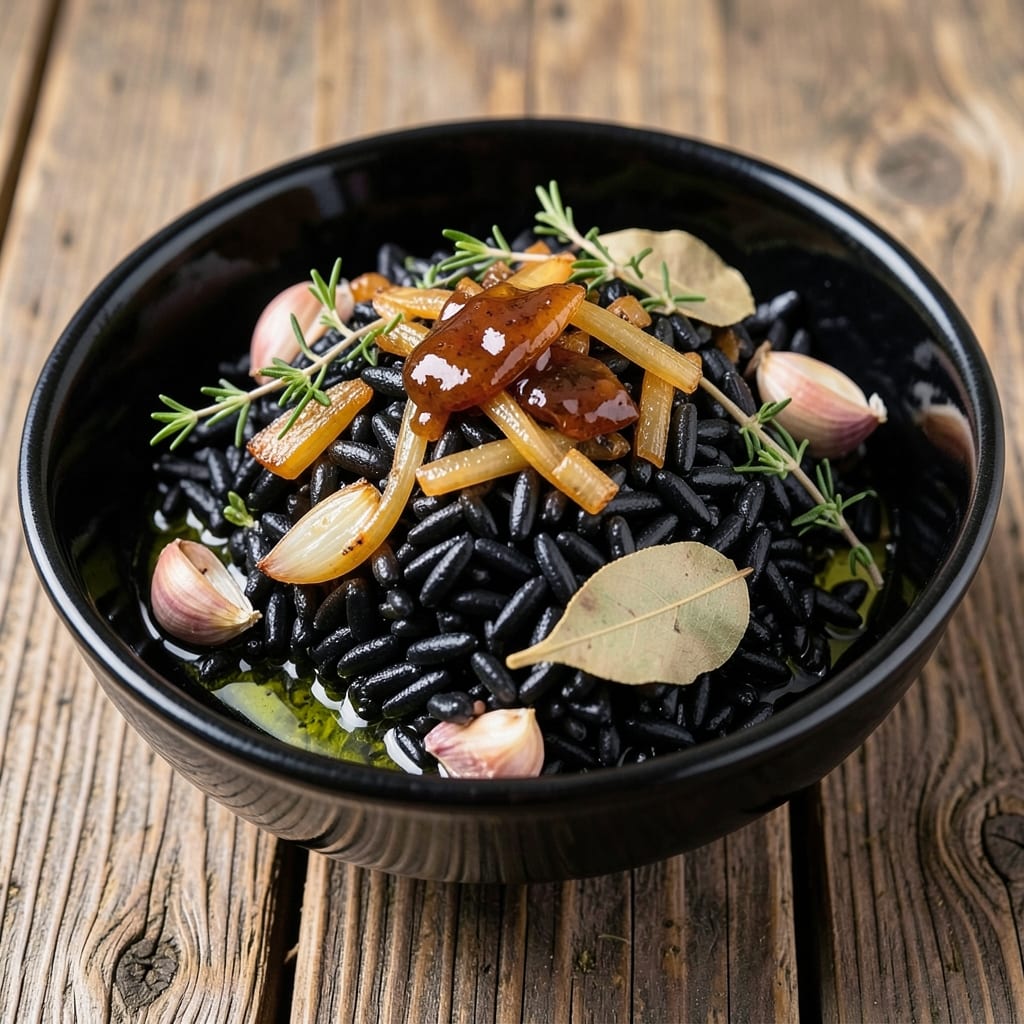
This African black rice recipe transforms simple grains into a dish rich with deep purple hues and nutty earthiness that feels like a culinary journey. The secret lies in proper soaking and cooking techniques that unlock its unique texture and antioxidant power. I developed this method after discovering how traditional African cooking elevates this ancient grain beyond ordinary rice dishes.
The process begins with thorough rinsing to remove excess starch, followed by soaking to soften the grains and enhance their natural sweetness. Cooking it with aromatic spices like thyme and garlic creates layers of flavor that pair beautifully with West African dishes. This method ensures each grain remains firm yet tender, with that signature deep purple color that makes every bite visually stunning.
What makes this recipe special is its versatility—serve it alongside peanut stew, grilled fish, or roasted vegetables for a complete meal. The nutty flavor and chewy texture make it a standout centerpiece, while its high antioxidant content adds a healthful twist. This is rice cooking reimagined, where tradition meets modern nutrition in every bite.
Perfect for special occasions or weeknight dinners, this dish delivers restaurant-quality results with minimal effort. The key is patience—soaking and cooking times are worth it for the incredible flavor and texture. Let's get started on creating this vibrant, nutrient-packed staple that will impress anyone at your table.
Ingredients for african black rice
These twelve ingredients transform ordinary rice into a vibrant, nutrient-rich West African staple.
| Ingredient | Amount | Notes |
|---|---|---|
| African Black Rice 🌾 | 1 cup | Uncooked, rinsed thoroughly |
| Water 💧 | 3 cups | Filtered preferred for clarity |
| Olive Oil 🫒 | 2 tbsp | Extra-virgin for best flavor |
| Garlic Cloves 🧄 | 4 cloves | Minced finely for aroma |
| Fresh Thyme 🌿 | 1 tbsp | Leaves only, chopped |
| Bay Leaves 🍃 | 2 whole | Dried or fresh |
| Salt 🧂 | 1 tsp | Diamond Crystal preferred |
| Black Peppercorns 🌶️ | ½ tsp | Freshly cracked |
| Yellow Onion 🧅 | 1 whole | Medium size, diced |
| Tomato Paste 🍅 | 1 tbsp | San Marzano preferred |
| Vegetable Oil 🫒 | 1 tbsp | For sautéing |
| Lemon Juice 🍋 | 1 tbsp | Freshly squeezed |
African black rice is the star here—look for it in specialty stores or online if your supermarket doesn't carry it. The grains should be deep purple-black and free of debris. Whole Foods or African markets often have the best quality. If you can't find it, forbidden black rice from Asian markets works as a substitute. The key to unlocking its rich flavor is proper soaking—at least 4 hours, or overnight for best results. This removes excess starch and enhances the nutty sweetness. Fresh thyme is ideal, but dried works at half the amount if you're in a pinch.
No fresh thyme? Dried oregano at half the amount gives a similar earthy note. The tomato paste can be skipped if you prefer a simpler flavor profile, but it adds depth that pairs beautifully with the nutty rice. For the onion, yellow or red onions both work—just dice them evenly. The olive oil matters here—extra-virgin adds fruity notes that complement the rice's natural earthiness. If you're short on time, use vegetable oil for sautéing and reserve the olive oil for finishing. The lemon juice brightens everything—freshly squeezed is best, but bottled works in a bind.
This rice reheats beautifully—store in an airtight container for up to 5 days in the fridge. For longer storage, freeze portions for up to 3 months. The grains hold up well to reheating, though they may lose some of their vibrant color. To preserve that deep purple hue, avoid overcooking and keep the lid on the pot. Leftovers make great lunches or pair perfectly with grilled fish and roasted vegetables. The rice's chewy texture and rich flavor make it a centerpiece worth prepping ahead.
Why You'll Love This Recipe
- Five-Ingredient Magic: I swear, this recipe is one of those rare dishes where the ingredients list looks shorter than the actual meal. Just rice, water, olive oil, garlic, and thyme—no fancy prep, no hidden steps. Honestly, I’ve made it while scrolling through my phone mid-conversation.
- Earthy Depth: That deep purple-black rice? It’s not just pretty—it’s packed with nuttiness that grows richer as it cooks. The garlic and thyme caramelize into something almost buttery, and the rice stays firm with a whisper of chew. (Yes, even on a Tuesday night.)
- Meal Prep MVP: Between us, this is my go-to for lunches all week. Cook a big batch, and it reheats like a dream—no mushy texture, no sad leftovers. I’ll be real: I’ve eaten it cold straight from the fridge, and it’s still solid.
- Budget-Friendly Power: African black rice is pricier than white rice, but a single bag lasts me forever. A few cloves of garlic and a sprig of thyme stretch across multiple meals, and the olive oil? I use it for everything. Not the prettiest, but the taste makes up for it every time.
Step-by-step instructions for African black rice with savory aromatics
Transforming African black rice into a vibrant, flavorful dish requires patience and precision.
Sauté the Aromatics in Olive Oil
Heat the 2 tablespoons olive oil in a medium saucepan over medium heat. Add the 1 whole yellow onion, diced into even ¼-inch pieces, and cook for 5-6 minutes until the onions soften and become translucent. The oil should shimmer but not smoke—this ensures the onions caramelize rather than burn.
Next, add the 4 cloves garlic cloves, minced finely, and stir for 30 seconds until fragrant. The garlic should release its aroma without browning. Immediately add the 1 tablespoon fresh thyme and 2 whole bay leaves, stirring to combine. Let the mixture cook for another 1 minute until the thyme leaves release their earthy scent. This aromatic base forms the flavor foundation for the rice.
Toast the Tomato Paste and Add Seasonings
Reduce the heat to medium-low and add the 1 tablespoon tomato paste, spreading it evenly across the bottom of the pan. Cook for 2-3 minutes, stirring constantly, until the tomato paste darkens slightly and develops a rich, caramelized depth. This step enhances the umami flavor and prevents the rice from becoming bland.
Add the 1 teaspoon salt and 0.5 teaspoon black peppercorns, freshly cracked, to the pan. Stir well to distribute the seasonings evenly throughout the tomato paste. The salt should dissolve completely, and the peppercorns should release their sharp aroma. This is the moment to taste and adjust seasoning if needed—though the tomato paste and olive oil already provide a strong flavor base.
Cook the African Black Rice to Perfect Texture
Add the 1 cup African black rice, rinsed thoroughly, to the pan and stir to coat the grains evenly in the tomato paste and aromatics. Pour in the 3 cups water and bring the mixture to a gentle boil over medium-high heat. Once boiling, reduce the heat to low and cover the pan tightly with a lid.
Simmer for 35-40 minutes until the rice absorbs all the liquid and the grains become tender. The rice should be fork-tender, with a slight bite remaining at the center. If the rice begins to stick or dry out before fully cooking, add 2-3 tablespoons water at a time to maintain moisture. The lid should remain on the pan during this entire process to trap steam and prevent evaporation.
Finish with Lemon Juice for Brightness
Once the rice is tender, remove the pan from heat and let it sit covered for 5 minutes. This resting period allows the grains to absorb any remaining liquid and develop a cohesive texture. After resting, stir in the 1 tablespoon lemon juice and 1 tablespoon vegetable oil. The lemon juice brightens the dish, cutting through the richness of the tomato paste and olive oil, while the vegetable oil adds a silky finish.
Fluff the rice gently with a fork, ensuring the grains separate and release any excess moisture. The final dish should have a deep purple hue, a nutty earthiness, and a balance of savory, tangy, and aromatic flavors. Serve immediately while the rice is still warm, allowing the vibrant colors and textures to shine.
Pro Tips For Making African Black Rice
- Rinse Twice, Then Soak: African black rice is packed with tannins, which turn your pot into a murky swamp if you skip this. Rinse it twice under cold water—swirl it around, let the water get cloudy, then drain—then soak for 30 minutes. I learned this the hard way after staring at a gray, gluey mess that refused to fluff.
- Toast the Garlic Low: Don’t blast those cloves on high or they’ll burn before they perfume the rice. Sauté them in olive oil over medium-low heat until they’re golden and just starting to smell sweet—about 5 minutes. Medium heat is your friend here; high heat is how you end up with bitter, acrid garlic.
- Use a Tight Lid, But Vent It: African black rice needs steam, but a sealed lid on high heat turns it into a science experiment. Crack the lid slightly after the first 5 minutes to let excess steam escape, then seal it again. This keeps the rice from turning mushy while still building flavor—my grandmother’s trick for perfect texture every time.
- Finish with Thyme Sprigs: Tuck a few fresh thyme sprigs into the rice during the last 10 minutes of cooking, then remove them before serving. The leaves infuse the rice with aromatic oils without overpowering it. (Yes, even if you’re impatient like me—just don’t skip the last 10 minutes.)
Common mistakes when making your african black rice
Skipping the Soak
African black rice needs that 4-hour soak (or overnight) to soften its tough outer layer and remove excess starch. I’ve seen people skip this step and end up with hard, chalky grains that lack flavor. The soak unlocks the nutty sweetness and ensures even cooking. If you’re short on time, at least soak it for 2 hours—it makes a noticeable difference. 🌾
Overcrowding the Pot
Using a pot that’s too small forces the rice to steam instead of cook properly, leading to mushy, uneven grains. I recommend a medium saucepan that gives the rice room to expand. If your pot is shallow, use less rice per batch—about ½ cup per 3 cups water. Overcrowding is the #1 reason for gummy, undercooked rice.
Ignoring the Resting Time
After cooking, letting the rice rest for 5 minutes under the lid redistributes moisture and firms up the grains. Skipping this step results in a sticky, uneven texture. I’ve made this mistake too—trust me, the difference is dramatic. Set a timer so you don’t forget!
Using the Wrong Water Ratio
The 3:1 water-to-rice ratio is critical for African black rice. Too much water washes away flavors, while too little leads to dry, crunchy grains. I’ve seen recipes suggest 2:1 ratios, but this rice needs more hydration to soften properly. Stick to the 3 cups water per 1 cup rice guideline for perfect results.
Not Rinsing Thoroughly
Rinsing removes surface starch that can make the rice gummy. I’ve seen people give it a quick rinse and wonder why their dish turns out sticky. Rinse until the water runs clear—this takes about 3-4 minutes of swirling and draining. It’s worth the effort for that signature chewy texture.
High Heat Cooking
Simmering on low heat prevents the rice from turning mushy or burning at the edges. I’ve ruined batches by keeping the heat too high, which causes uneven cooking. Once boiling, reduce to the lowest setting that maintains a gentle simmer. Patience here ensures perfectly tender grains every time. ⏰
Nutrition facts
Frequently asked questions
What makes African black rice different from regular rice?
African black rice has a deep purple hue and nutty, earthy flavor that sets it apart from white or brown rice. It's packed with antioxidants (like anthocyanins) and maintains a chewy texture when cooked properly. The grains also contain more fiber and protein than standard rice varieties, making it a nutrition powerhouse.
Can I substitute forbidden black rice for African black rice?
Yes, you can use forbidden black rice as a substitute! Both varieties have similar deep purple colors and nutty flavors. Just follow the same soaking and cooking instructions—both types need the extra time to develop their signature texture. The main difference is availability (African black rice is harder to find outside specialty stores).
How do I store leftover African black rice?
Store cooked rice in an airtight container in the fridge for up to 5 days or freeze for 3 months. To reheat, add a splash of water and cover with a damp paper towel before microwaving. The texture stays chewy but may lose some vibrant color over time—keep this in mind if serving for visual appeal.
What's the best way to serve this rice?
This African black rice pairs beautifully with West African dishes like peanut stew, grilled fish, or roasted vegetables. For a complete meal, serve with a side of steamed greens and a squeeze of lime. The nutty flavor also works well with spicy dishes to balance the heat.
Why does my African black rice turn out mushy?
Mushy rice usually happens from overcooking or using too much water. Always stick to the 3:1 water-to-rice ratio and simmer on low heat after boiling. Also ensure you're using a pot large enough—overcrowding forces the rice to steam instead of cook properly. The resting time after cooking is crucial too!