
Side Dishes
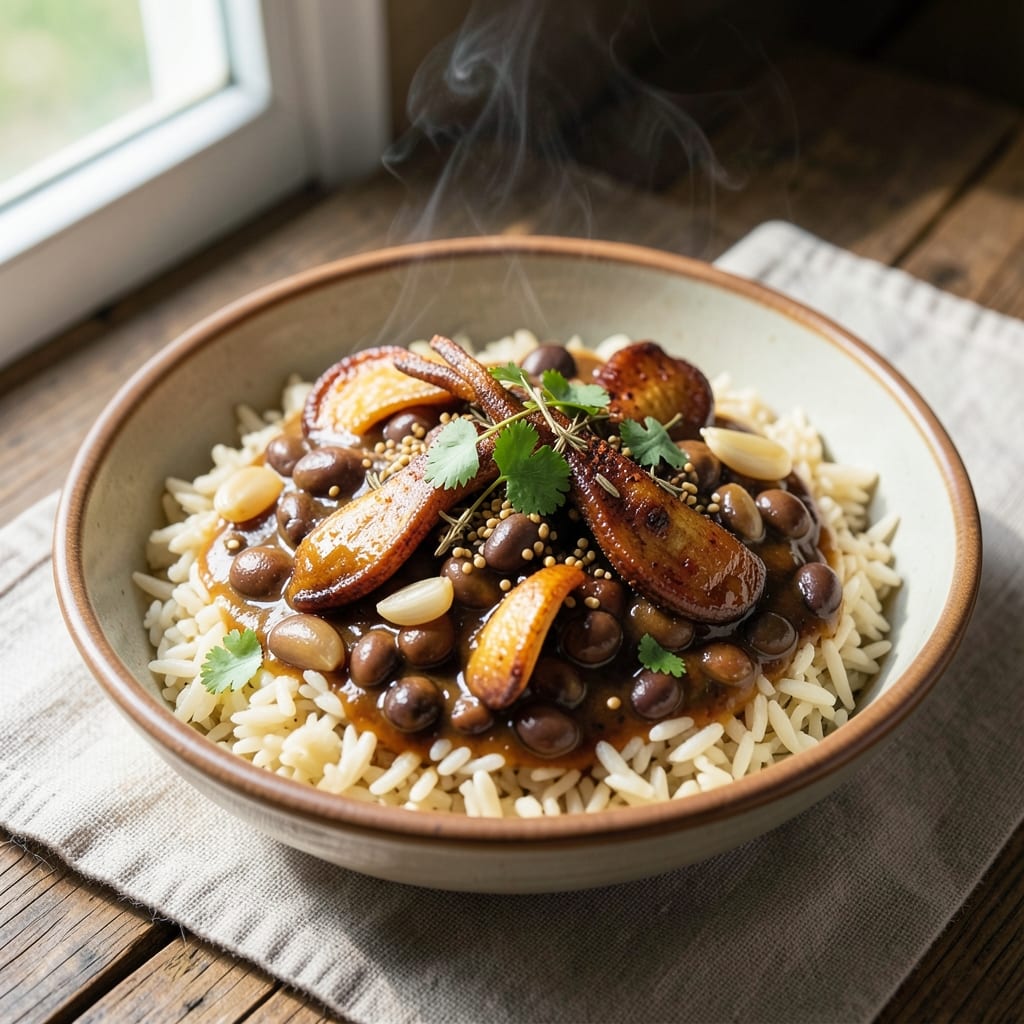
This African beans and rice recipe transforms simple ingredients into a vibrant, one-pot masterpiece that carries the warmth of West African kitchens. The secret lies in balancing earthy spices like thyme, garlic, and smoked paprika with tender beans and fluffy jollof rice—all simmered together until every grain absorbs the rich, savory broth. I developed this version after years of adapting traditional recipes to American pantries, ensuring bold flavors without exotic ingredients.
The beauty of this dish is its versatility—it works as a hearty side or a complete meal when paired with fried plantains or grilled chicken. The beans (black-eyed peas or lentils) soften to perfection while the rice cooks in the same pot, creating a fragrant, cohesive dish that’s both comforting and impressive. No fancy techniques required—just patience and a few key spices to unlock restaurant-quality depth.
What you’ll end up with is a steaming pot of golden rice speckled with tender beans, infused with smoky, slightly sweet undertones from the spices. The texture is ideal—fluffy rice that doesn’t turn mushy, and beans that hold their shape while soaking up the flavorful liquid. This is the kind of dish that tastes even better the next day, making it perfect for meal prep or feeding a crowd.
For extra richness, stir in a splash of coconut milk or top with toasted peanuts—both traditional touches that add texture and complexity. The one-pot method ensures minimal cleanup, so you can focus on savoring every bite. Let’s bring this flavorful tradition to your table.
Ingredients for african beans and rice
Sixteen ingredients for a one-pot masterpiece that brings West African flavors to your kitchen.
| Ingredient | Amount | Notes |
|---|---|---|
| Long-Grain White Rice 🍚 | 2 cups | Uncooked, jasmine or basmati preferred |
| Black-Eyed Peas 🌱 | 1 ½ cups | Dried, soaked overnight or canned drained |
| Dried Thyme 🌿 | 1 tbsp | Or 3 tbsp fresh thyme leaves |
| Garlic Cloves 🧄 | 6 cloves | Minced for maximum flavor |
| Smoked Paprika 🌶️ | 1 ½ tbsp | For authentic smoky depth |
| Ground Cumin 🌿 | 1 tbsp | Toasted for enhanced aroma |
| Onion Powder 🧅 | 1 tbsp | Freshly ground preferred |
| Salt 🧂 | 1 ½ tsp | Diamond Crystal preferred |
| Black Pepper 🌶️ | ½ tsp | Freshly ground for best flavor |
| Vegetable Oil 🫒 | ½ cup | Light olive or vegetable oil |
| Chicken or Vegetable Broth 💧 | 3 cups | Low-sodium preferred |
| Fresh Tomato 🍅 | 1 whole | Diced, Roma preferred |
| Scotch Bonnet Pepper 🌶️ | ½ whole | Seeds removed for less heat |
| Lemon Juice 🍋 | 1 tbsp | Freshly squeezed |
| Coconut Milk 🥥 | ½ cup | Full-fat for richness (optional) |
The rice and beans are the heart of this dish, so quality matters. Jasmine or basmati rice stays separate and fragrant, while black-eyed peas hold their shape beautifully. For the spices, Penzeys or bulk bins at Whole Foods offer the freshest ground cumin and smoked paprika—key for that authentic smoky depth. If using dried beans, soak them overnight; canned works in a pinch but rinse well to reduce sodium. The Scotch bonnet pepper adds heat without overpowering—find it in the international aisle at Walmart or Kroger, or substitute habanero at half the amount.
No smoked paprika? Regular paprika plus a pinch of liquid smoke gets you close. Fresh thyme is ideal, but dried at one-third the amount works too. The tomato can be canned (San Marzano preferred) if fresh isn't available—just drain and rinse. For extra richness, coconut milk is worth the splurge, but omit if you're keeping it vegetarian. The broth is non-negotiable—low-sodium ensures the spices shine. If you're short on time, pre-toasted cumin seeds (ground in a spice grinder) add incredible depth without extra effort. The lemon juice brightens everything, so don't skip it—fresh is best, but bottled works in a bind.
This dish tastes even better the next day as flavors meld. Store leftovers in an airtight container for up to 5 days in the fridge, or freeze for 3 months. The rice-to-liquid ratio is perfect for reheating—just add a splash of water or broth if it's too dry. For meal prep, double the batch and portion into containers. The beans and rice keep their texture beautifully when reheated gently. Garnish with fresh thyme or a sprinkle of smoked paprika before serving to remind everyone of its West African roots.
Why You'll Love This Recipe
- One-Pot Magic: I swear by this recipe when I’m too tired to scrub pots—just toss everything in one pot, let the thyme and smoked paprika work their magic, and boom. The rice and beans cook together, soaking up all that deep, smoky flavor without a single extra dish.
- Smoky Depth: That pinch of smoked paprika? It’s the secret weapon. It turns a simple rice-and-beans dish into something rich and complex—like a whisper of campfire in every bite. Honestly, I’ll take this over bland rice any day.
- Meal Prep Hero: This keeps perfectly for days, which means I can make a big batch on Sunday and have lunch sorted all week. The flavors only get better as it sits, and reheating it? Just a splash of water, microwave, and you’re good to go.
- Budget-Friendly Feast: Black-eyed peas and rice are dirt cheap, but this dish feels like a fancy meal. Between us, I’ve fed six people for under $10 with this—plus, the leftovers stretch into lunches, snacks, or even a quick fried rice hack later. Win.
Step-by-step instructions for African beans and rice
This one-pot method builds layers of flavor while keeping prep simple and efficient.
Sauté Aromatics in Vegetable Oil
Heat the 0.5 cup vegetable oil in a large, heavy-bottomed pot over medium heat. Add the 6 cloves minced garlic cloves and cook for 30 seconds until fragrant but not browned—this prevents bitterness. Immediately add the 1 tbsp onion powder, 1.5 tbsp smoked paprika, 1 tbsp ground cumin, 1.5 tsp salt, and 0.5 tsp black pepper. Stir constantly for 1 minute until the spices release their aroma and the mixture darkens slightly.
Here's the thing—smoked paprika and cumin need time to bloom. If you rush this step, you'll miss the deep, earthy foundation of the dish. Watch for the spices to coat the garlic evenly, creating that signature African warmth. The oil should be shimmering but not smoking.
Toast the Rice and Add Black-Eyed Peas
Add the 2 cups long-grain white rice to the pot and stir to coat it completely in the spiced oil. Toast the rice for 2-3 minutes until it turns opaque and smells nutty. This step prevents mushy rice by developing a light crust on each grain. Immediately add the 1.5 cups black-eyed peas and stir to combine thoroughly.
Don't skip the toasting—this is what gives the dish its signature texture. The rice should look dry but slightly glossy from the oil. If you're using dried black-eyed peas, they'll absorb some of the spice mixture, enhancing their flavor as they cook. If using canned peas, drain them first to avoid excess moisture.
Build the Flavor Base with Tomatoes and Scotch Bonnet
Add the diced 1 whole fresh tomato and the 0.5 whole scotch bonnet pepper (seeds removed). Cook for 3-4 minutes until the tomatoes soften and the Scotch bonnet releases its heat. Pour in the 3 cups chicken or vegetable broth, scraping up any browned bits from the bottom of the pot. Stir in the 1 tbsp dried thyme and bring the mixture to a gentle boil.
The tomatoes should break down into a chunky sauce, and you'll notice the Scotch bonnet's heat begin to infuse the liquid. This is where the dish starts to come together—let it simmer uncovered for 5 minutes to allow excess moisture to evaporate. The mixture should reduce slightly, creating a thicker base for the rice.
Simmer the One-Pot Mixture
Reduce the heat to low and cover the pot with a tight-fitting lid. Simmer for 30 minutes without stirring. This undisturbed cooking allows the rice to absorb the broth evenly and develop its texture. After 30 minutes, check the rice—it should be tender but still slightly firm in the center.
If the mixture looks too dry, add ¼ cup water and continue cooking. If it's too wet, uncover and simmer for another 5 minutes to evaporate excess moisture. The goal is creamy but not mushy rice with a sauce that clings to each grain. Real talk: your oven might run hot, so start checking at the 25-minute mark if your stove tends to overcook.
Finish with Coconut Milk and Lemon Juice
Remove the pot from heat and stir in the 0.5 cup coconut milk and 1 tbsp lemon juice. Let the mixture sit covered for 5 minutes to allow the coconut milk to blend smoothly into the sauce. Taste and adjust seasoning—you might need a pinch more salt or a squeeze of lemon to balance the flavors.
This final step adds richness and brightness that cuts through the smoky spices. The coconut milk should create a velvety texture while the lemon juice brightens the dish. Serve immediately while still hot, garnished with extra thyme leaves if desired. The rice should be tender with each grain distinct, and the beans should be creamy with a satisfying bite.
Pro Tips For Making African Beans And Rice
- Bloom the Spices First: Toss dried thyme and smoked paprika into your pot with a splash of oil or broth before adding the beans and rice—this releases their flavors right away. I used to add them later and always wondered why the dish felt flat until I realized the spices needed a head start. ---
- Soak the Beans Overnight: Skip the quick-soak shortcut—black-eyed peas absorb way better after 8+ hours in water. Drain and rinse them right before cooking to avoid a gummy texture, and trust me, the rice will stay fluffy instead of mushy. ---
- Don’t Crowd the Garlic: Mince your garlic cloves thin and spread them out in the pan—overlapping slices burn fast, and you’ll end up with bitter bits instead of mellow flavor. A quick stir every 30 seconds keeps them golden without turning to ash. ---
- Use a 2:1 Liquid Ratio: For every cup of rice, aim for 2 cups of liquid (broth or water)—this gives the beans room to simmer without stealing all the moisture. I learned this the hard way when my first batch turned into a dry, crunchy mess.
Wine and beer pairings for this african beans and rice
West African Red Wine
For this dish, I always reach for a bold red wine with earthy undertones to complement the smoky paprika and cumin. A South African Pinotage (like Waterford Estate) or a Malbec from Mendoza works beautifully—both have enough body to stand up to the beans and rice while offering fruitiness that balances the spices. The tannins in these wines also help cleanse your palate between bites of the rich, spiced dish. 🍷
Fruity White Wine
If you prefer white, opt for a floral, medium-bodied wine with citrus notes to cut through the coconut milk and lemon juice. A Kenyan Pinot Gris or Argentinian Torrontés brings bright acidity that refreshes your palate. The Torrontés in particular has a honeyed sweetness that pairs wonderfully with the smoky depth of the dish. Serve slightly chilled for the best experience.
African-Inspired Beers
For beer lovers, a West African lager like Nigerian Guinness or South African Castle Lager adds a malty, slightly bitter contrast that enhances the dish’s complexity. If you’re in the U.S., a Belgian witbier (like Hoegaarden) with its coriander and citrus notes works surprisingly well—it’s light enough to not overpower but adds a refreshing twist. For a local option, try a Mexican pale lager like Modelo Especial, which has a clean finish that lets the spices shine.
Non-Alcoholic Pairings
Don’t have alcohol? No problem. A hibiscus iced tea (brew hibiscus flowers with 1 tbsp honey and lemon slices) mirrors the dish’s smoky and citrusy flavors. For something fizzy, try a ginger beer with a splash of lime—it’s spicy enough to stand up to the Scotch bonnet’s heat while adding a crisp finish. Both options keep the meal vibrant and refreshing. 🍹
Coffee or Spiced Tea
End your meal with a strong Ethiopian coffee or a spiced chai tea to complement the dish’s African roots. The coffee’s earthy notes echo the cumin and smoked paprika, while the cardamom and cinnamon in chai enhance the dish’s warm spices. Serve the coffee black or with a splash of cream—no sugar needed, as the dish is already rich and flavorful.
Nutrition facts
Frequently asked questions
Can I substitute black-eyed peas with other beans?
Yes! Kidney beans, lentils, or even chickpeas work beautifully. For best texture, use 1.5 cups dried beans (soaked overnight) or 2 cans (15 oz each) drained beans. Kidney beans add a firmer bite, while lentils cook faster and create a creamier texture. Adjust cooking time if using different beans—check for tenderness after 30 minutes of simmering.
What makes this different from regular beans and rice?
The magic lies in the West African spice blend—smoked paprika, toasted cumin, and thyme create that signature depth. Unlike basic seasoning, these spices develop complex flavors when bloomed in oil. The one-pot method also lets the rice absorb the bean broth, creating a cohesive dish with no dry grains. Plus, the Scotch bonnet adds subtle heat that regular recipes often miss!
How do I prevent mushy rice?
Toast the rice in oil for 2-3 minutes before adding liquid—this creates a protective crust. Use a 1:1.5 rice-to-broth ratio (2 cups rice to 3 cups broth) and maintain a gentle simmer (not a boil) after covering. If it looks dry after 30 minutes, add ¼ cup water instead of uncovering. The lid should stay on until fully cooked!
Can I make this dish ahead of time?
This tastes even better the next day as flavors meld. Store in an airtight container for 5 days refrigerated or 3 months frozen. To reheat, add 2-3 tbsp water or broth and simmer covered for 5-10 minutes. The rice may firm up slightly but absorbs moisture as it reheats. Garnish with fresh thyme before serving to revive the aroma!
What protein pairings work best?
Grilled chicken, smoked fish (like tilapia), or plant-based options like tofu work perfectly. For extra richness, try crispy fried plantains or collard greens**>. The smoky spices in the beans and rice complement grilled meats beautifully, while plantains add sweetness that balances the dish. Serve with a side salad for freshness if using heavier proteins.