
Main Courses
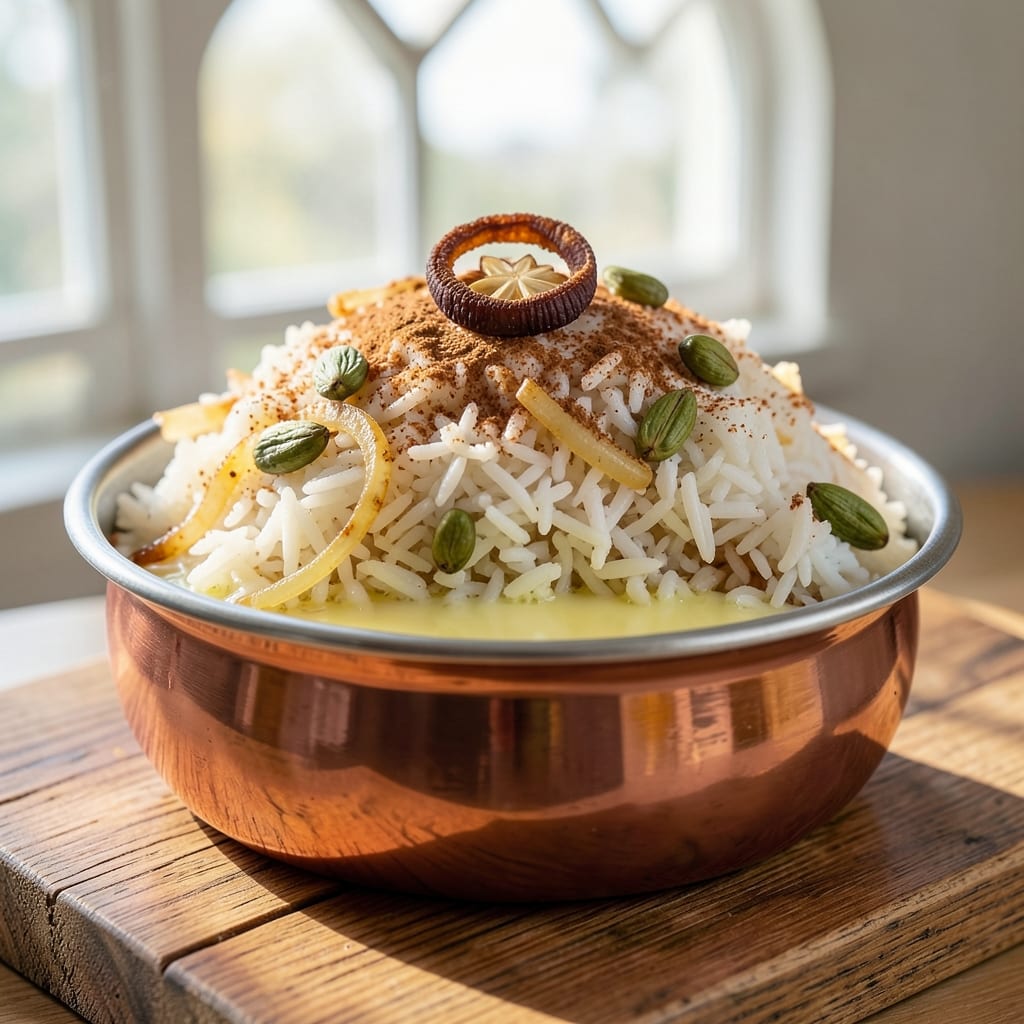
This Afghan basmati rice recipe delivers the fragrant, spiced pilaf that defines Afghan cuisine, where cardamom and raisin infuse every grain. The secret lies in proper soaking and layering techniques that create that signature tender yet distinct texture. What makes this dish special is how the spices bloom during cooking, releasing aromatic oils that transform simple rice into a complex, flavorful centerpiece.
By following this method, you'll achieve perfectly separate grains with a delicate balance of sweetness from raisins and warmth from cardamom and cinnamon. The dish serves as both a satisfying main course and elegant accompaniment to grilled meats or curries. Each bite offers a harmonious blend of textures and flavors that define Afghan hospitality.
Ingredients for afghan basmati rice
Twelve ingredients transform plain rice into Afghan hospitality's aromatic centerpiece.
| Ingredient | Amount | Notes |
|---|---|---|
| Basmati Rice 🍚 | 1 ½ cups | Uncooked, long-grain preferred |
| Water 💧 | 3 cups | Room temperature preferred |
| Unsalted Butter 🧈 | ½ cup | Cold, cubed for blooming |
| Green Cardamom Pods 🌿 | 10 whole | Lightly crushed, seeds only |
| Ground Cinnamon 🍃 | ½ tsp | Freshly ground preferred |
| Yellow Onion 🧅 | 1 whole | Medium, finely diced |
| Golden Raisins 🍇 | ½ cup | Plump, not shriveled |
| Salt 🧂 | 1 ½ tsp | Diamond Crystal preferred |
| Fresh Ginger 🌿 | 1 tbsp | Finely grated, peeled |
| Extra-Virgin Olive Oil 🫒 | 1 tbsp | For final drizzle |
| Fresh Parsley 🌿 | ¼ cup | Chopped, for garnish |
| Whole Milk 🥛 | ¼ cup | For richness, optional |
The cardamom and cinnamon are non-negotiable for that signature Afghan warmth. Whole pods work best—lightly crush them to release the oils without turning to paste. Penzeys or bulk bins at Whole Foods carry the freshest, but the grocery store stuff is fine if it smells vibrant. For the raisins, Golden or Thompson varieties plump up beautifully—avoid the tiny, dried-out kind. The basmati rice should be long-grain and unbroken—look for brands like Kirkman or Mahagiri in the international aisle.
No cardamom pods? Ground cardamom at half the amount works, but you'll lose some texture. Swap raisins for dried apricots chopped fine if you prefer fruitier notes. Fresh ginger is ideal, but ground ginger at one-third the amount gets you close. The milk is optional—omit if you prefer a lighter texture. For the onion, yellow or red both work, but yellow has slightly more sweetness. If you're short on time, pre-diced onions from the fridge section save chopping hassle.
Soak the rice for 30 minutes minimum—this is key for those signature separate grains. Store any extra rice in an airtight container for 3-4 days in the fridge, or freeze for up to 3 months. The spices lose potency over time, so use them within 6 months of opening. For a quicker version, parboil the rice 5 minutes before layering, but traditionalists will insist on the full soak.
Why You'll Love This Recipe
- Five-Ingredient Magic: This recipe is my go-to when I forget everything else. Just rice, water, butter, and two spices—no fancy prep, no stress. The cardamom and cinnamon do all the heavy lifting while you boil water.
- Fragrant Every Bite: That first whiff of toasted cardamom pods? Pure comfort. The butter melts into the rice just enough to make it tender but never greasy, with a warm, spiced aroma that lingers. Honestly, it’s the kind of dish that makes your whole kitchen smell like a home.
- Weeknight to Holiday: I make this for lazy dinners, potlucks, or even as a side for curry night. It’s neutral enough to pair with anything—meat, veggies, or just a sprinkle of fried onions—but still feels special enough for company. (Yes, even on a Tuesday night.)
- Leftovers That Don’t Suck: Unlike some rice dishes, this stays fluffy and fragrant for days. I often double the batch because it’s cheap to make and reheats like a dream—no drying out, no sad textures. My lunchbox thanks me every time.
Step-by-step instructions for Afghan basmati rice
Here's the method for crafting restaurant-quality Afghan pilaf with aromatic cardamom and sweet raisins.
Bloom the Butter and Toast the Spices
In a heavy-bottomed pot over medium heat, melt the 0.5 cup unsalted butter until it begins to foam and release its nutty aroma. This process, called blooming, enhances the butter's flavor. Once melted, add the 10 whole green cardamom pods and 0.5 tsp ground cinnamon, stirring constantly for 1 minute until fragrant.
Watch the spices closely—they'll darken slightly as they toast, releasing their essential oils. The cardamom should smell sweet and floral, while the cinnamon adds warmth. This aromatic base forms the foundation of your pilaf's distinctive flavor profile. Remove the cardamom pods after toasting, but leave the cinnamon in the butter.
Sauté Onion and Ginger Until Golden
Add the finely diced yellow onion to the pot and cook over medium heat for 5-7 minutes, stirring frequently, until softened and beginning to turn golden. The onions should caramelize slightly at the edges, adding depth of flavor. When they're translucent, add the 1 tbsp finely grated fresh ginger and cook for another 30 seconds until the raw aroma disappears.
This step develops the pilaf's sweetness and complexity. The onions should be tender but not browned—if they darken too much, they'll become bitter. You'll know they're ready when they release their moisture and begin to stick lightly to the bottom of the pot.
Toast the Raisins and Add Rice
Increase heat to medium-high and add the 0.5 cup golden raisins, stirring constantly for 1-2 minutes until they plump and turn glossy. This quick toasting enhances their natural sweetness and prevents them from turning mushy during cooking. Immediately add the 1.5 cups basmati rice, stirring to coat each grain with the fragrant butter mixture.
The raisins should be warm but not burning—if they darken too much, remove them briefly from the pot. This step ensures your pilaf has the perfect balance of sweet and savory flavors. The rice grains should be well-coated with butter, which prevents them from sticking together during cooking.
Parboil the Rice and Add Liquid
Pour in the 3 cups water and bring to a boil over high heat. Once boiling vigorously, reduce heat to medium-low and add the 1.5 tsp salt. Stir once to distribute the salt evenly, then let the rice cook undisturbed for 5 minutes. This initial boiling parboils the rice, helping it absorb liquid evenly and preventing mushiness.
During this time, you'll see small bubbles form around the rice grains. After 5 minutes, stir gently once more to prevent the rice from sticking to the bottom. The goal is to create a light, fluffy texture rather than a dense, sticky mass. The water should be mostly absorbed by the end of this step.
Simmer and Finish with Milk and Oil
Reduce heat to low and cover the pot with a tight-fitting lid. Let the rice steam for 15-18 minutes, without disturbing it. The rice is done when all the liquid is absorbed and the grains are tender but still slightly firm to the bite. If the bottom begins to brown too much, place a damp paper towel under the lid to prevent scorching.
Once cooked, remove the pot from heat and let it sit covered for 5 minutes. Then stir in the 0.25 cup whole milk and 1 tbsp extra-virgin olive oil, mixing gently to distribute evenly. The milk adds richness, while the olive oil creates a silky texture. Finally, fluff the rice with a fork and garnish with 0.25 cup chopped fresh parsley for freshness.
Pro Tips For Making Afghan Basmati Rice
- TOAST THE SPICES FIRST: I learned this the hard way—skipping the toasting step makes the cardamom and cinnamon smell like perfume instead of flavor. Lightly toast the whole cardamom pods in the butter for 30 seconds until fragrant (watch closely—burnt spices taste bitter), then crush them with a mortar and pestle or the back of a spoon. This releases the oils that actually make the rice taste like Afghanistan, not just "spiced rice."
- USE 1:2 RATIO, NO EXCUSES: Basmati rice absorbs water like a sponge, but 1 part rice to 2 parts water is non-negotiable here. After rinsing, measure your rice and water precisely—no eyeballing. If you’re worried about sticking, add a pinch of salt to the water (even with unsalted butter), but don’t overdo it. The rice will turn out fluffy, not gummy, and you’ll avoid the "why is this mushy?" panic.
- COVER TIGHTLY, NO GAPS: This isn’t the time for a loose lid. Press a kitchen towel or foil directly onto the surface of the rice to trap steam—no air gaps. I used to think a regular lid was fine, but the top layer always dried out. After burning three batches, I finally figured out: seal that pot like it’s a pressure cooker (but not actually a pressure cooker—just keep it snug). Remove the lid only when the rice is done and the steam has fully dissipated.
- SWAP WHOLE FOR GROUND CARDAMOM: Ground cinnamon is fine, but whole cardamom pods are the upgrade. If you’re short on time, crush 2-3 pods (about ½ teaspoon ground equivalent) in the butter with a pinch of cinnamon. Sounds weird, but it works: the whole pods infuse the butter better, and you avoid the gritty texture of pre-ground spices. Plus, it cuts the prep time by half—no need to measure.
Creative variations of this dish
Spiced Lamb Pilaf
Transform this dish into a hearty main by adding 1 lb ground lamb to the butter-spice mixture after toasting the onions. Cook the lamb until browned, then proceed with the raisins and rice as directed. The lamb absorbs the cardamom and cinnamon beautifully, creating a rich, savory centerpiece. Serve with a dollop of plain yogurt and extra parsley for a restaurant-worthy meal. 🌟
Vegetarian Lentil Version
Swap the lamb for 1 cup cooked brown lentils mixed into the rice after the parboiling step. Add ½ tsp turmeric and ½ tsp cumin with the spices for extra depth. This protein-packed version keeps the dish vegetarian while maintaining the signature Afghan flavors. Garnish with toasted almond slices for crunch and texture.
Citrus-Infused Variation
Zest 1 orange and add it with the ginger for a bright, citrusy twist. Replace half the raisins with chopped dried apricots, and finish with a drizzle of orange blossom water (find it in Middle Eastern markets). This variation works beautifully with grilled chicken or as a standalone dish. The citrus cuts through the richness while enhancing the cardamom's floral notes.
Nutty Pistachio Crunch
Toast ¼ cup shelled pistachios> in a dry pan until golden, then chop them coarsely. Fold these into the rice during the final fluffing step. The pistachios add a satisfying crunch and nutty depth that pairs perfectly with the sweet raisins. For extra flair, sprinkle with edible gold leaf> before serving—this feels luxurious but takes just seconds.
Herb-Forward Garnish
Swap parsley for chopped fresh cilantro> or mint> for a fresher finish. Add 1 tbsp chopped scallions> and a pinch of sumac> for tangy brightness. This variation works especially well with grilled meats or as a refreshing side dish. The herbs add a vibrant pop of color while keeping the dish light and aromatic.
Slow-Cooker Adaptation
For hands-off cooking, combine all ingredients (except milk and olive oil) in your slow cooker and cook on low for 3 hours> or high for 2 hours>. Stir in the milk and oil after cooking, then let sit covered for 10 minutes**> before fluffing. This method works well for entertaining—just set it and forget it! The slow cooking enhances the spices' flavors while keeping the rice perfectly tender. ✨
Nutrition facts
Frequently asked questions
Why does Afghan basmati rice need soaking?
Soaking for 30 minutes minimum removes excess starch, which prevents the grains from sticking together. This creates the signature separate, fluffy texture that defines Afghan pilaf. The rice absorbs water more evenly, resulting in perfectly tender grains with a delicate bite. Pro tip: Use room-temperature water for even better results.
Can I substitute white rice for basmati?
While you can use white rice, it won't achieve the same texture or flavor profile. Basmati's long grains and aromatic qualities are essential for this dish. If you must substitute, use jasmine rice as a closer alternative, though it won't have the same floral notes. The soaking time may need adjustment—start with 20 minutes and check frequently.
What if my rice turns out mushy?
Mushy rice usually means too much liquid or insufficient stirring during cooking. For next time, reduce water by ¼ cup and stir gently once after the initial boil. If it's already done, spread it on a baking sheet and bake at 350°F for 15 minutes to dry it out. The cardamom and cinnamon will still shine through, but the texture will be firmer.
How do I make this dish extra flavorful?
Boost the depth by adding ½ tsp saffron threads steeped in 2 tbsp warm milk during the final stirring step. Or infuse the butter with 1 tsp rosewater while blooming. For a smoky touch, add ¼ tsp smoked paprika with the cinnamon. These additions elevate the dish without altering the traditional method.
Can I prepare this ahead of time?
Yes! This dish tastes even better the next day. Store in an airtight container in the fridge for 3-4 days. Reheat gently with a splash of water or milk over low heat, stirring occasionally. For serving, fluff with a fork and garnish with fresh parsley. The flavors meld beautifully overnight, making it perfect for meal prep.