
Main Courses
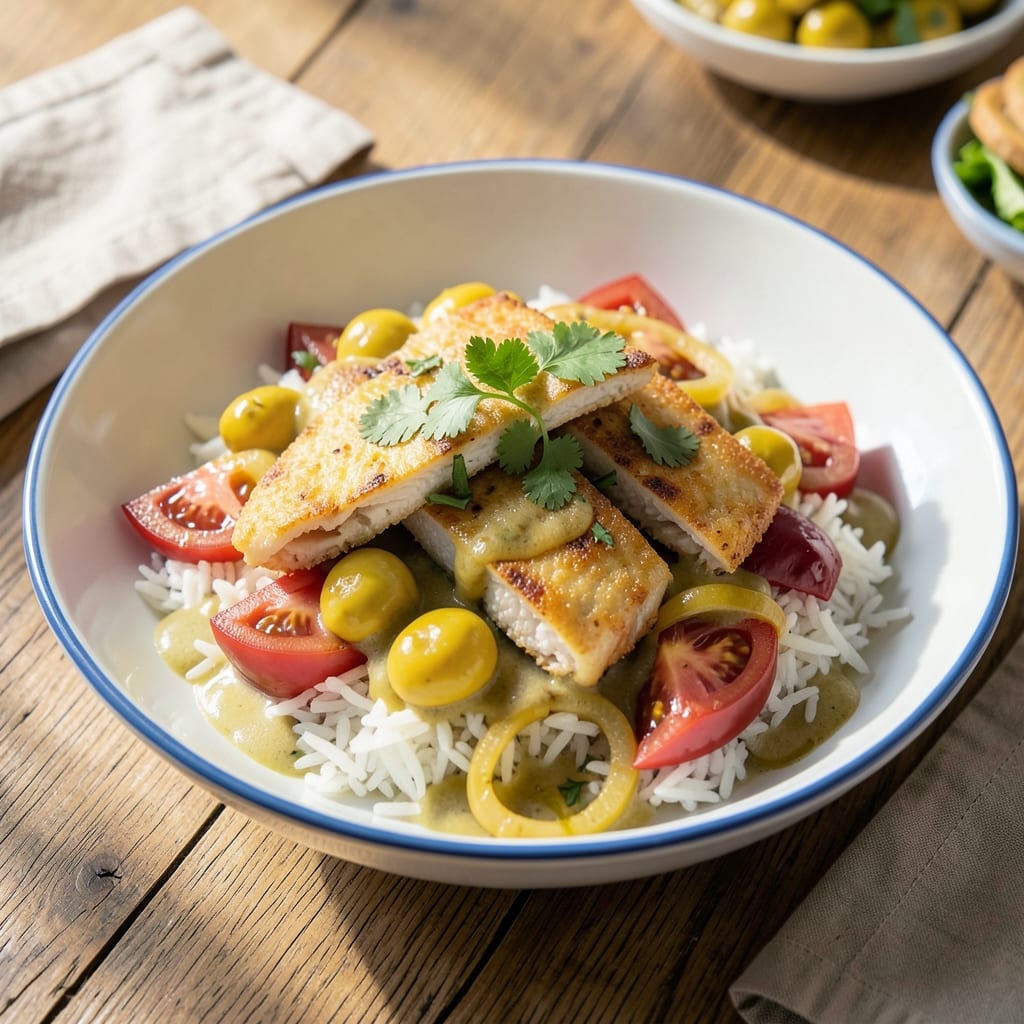
This ackee and rice recipe captures Jamaica’s beloved breakfast tradition in one flavorful, fast one-pot meal—where tender saltfish, creamy ackee, and fragrant rice cook together into a single, hearty dish. The key lies in properly soaking the saltfish to remove excess salt and simmering it just until flaky, while the rice absorbs the rich coconut milk and spiced tomato base. Every bite delivers the perfect balance of savory, slightly sweet, and briny flavors that define Jamaican comfort food.
The beauty of this recipe is its simplicity: one pot, minimal prep, and no fuss. You’ll start by curing the saltfish overnight (a crucial step for safety and flavor), then combine it with ackee, tomatoes, onions, and a blend of thyme, garlic, and Scotch bonnet for depth. The dish simmers until the rice is tender and the flavors meld into a cohesive, aromatic whole—no separate pans or complicated techniques required. It’s the kind of meal that transforms a simple breakfast into a celebration.
What makes this ackee and rice recipe truly special is how it delivers restaurant-quality results at home. The saltfish becomes fork-tender without falling apart, the ackee stays creamy yet distinct, and the rice soaks up the coconut milk and spices for a dish that’s both comforting and vibrant. Serve it with fried dumplings or a side of avocado for the full Jamaican experience. Here’s how to make it.
This dish is more than just a meal—it’s a taste of Jamaica’s culinary heart. The one-pot method ensures easy cleanup, while the slow simmering develops layers of flavor that store-bought versions can’t match. Whether you’re cooking for a crowd or treating yourself to a taste of the Caribbean, this recipe delivers authenticity and satisfaction in every bite. Let’s get started.
Ingredients for ackee rice
Pantry staples meet Caribbean flavors in this one-pot Jamaican breakfast classic.
| Ingredient | Amount | Notes |
|---|---|---|
| Saltfish 🐟 | 12 oz | Cured, soaked overnight |
| Ackee 🍈 | 2 cans | Fresh or canned, drained |
| Long-Grain White Rice 🍚 | 1 ½ cups | Uncooked, rinsed well |
| Coconut Milk 🥥 | 1 can | 13.5 oz can, full-fat |
| Tomatoes 🍅 | 2 medium | OR 1 cup diced canned tomatoes |
| Yellow Onion 🧅 | 1 whole | Medium, finely chopped |
| Garlic Cloves 🧄 | 4 cloves | Minced for depth |
| Scotch Bonnet Pepper 🌶️ | 1 whole | Seeded, chopped (adjust for heat) |
| Fresh Thyme 🌿 | 2 tbsp | Leaves only, chopped |
| Olive Oil 🫒 | 2 tbsp | For sautéing |
| Salt 🧂 | 1 ½ tsp | Adjust to taste |
| Black Peppercorns 🌶️ | ½ tsp | Freshly ground |
| Vegetable Oil 🫒 | 2 tbsp | For frying dumplings |
| All-Purpose Flour 🌾 | ½ cup | For dumplings |
| Water 💧 | ½ cup | For dumpling dough |
The saltfish is non-negotiable—look for high-quality salt-cured fillets from Caribbean markets or specialty stores like Whole Foods. Soaking overnight in water (changed twice) removes excess salt and ensures tender texture. Ackee is trickier to find fresh, so canned ackee in tomato sauce works perfectly—just drain well. The rice should be long-grain white, like Uncle Ben's or Jasmine, for that perfect texture. For coconut milk, full-fat canned versions like Thai Kitchen give the richest flavor.
No Scotch bonnet? Habanero or jalapeño will work, but reduce to half the amount—this pepper packs serious heat. Fresh thyme is ideal, but dried thyme at one-third the amount works in a pinch. Short on tomatoes? Canned diced tomatoes save time, just drain the liquid. The dumpling dough can be made ahead and refrigerated for 2 days—just fry fresh when ready. For extra richness, some cooks add a splash of heavy cream at the end, though traditional versions keep it dairy-free.
This dish tastes even better the next day—3-4 days in the fridge, covered tightly. Freeze portions for up to 3 months by storing in airtight containers. The dumplings reheat beautifully in a skillet with a little oil. For serving, keep the rice slightly undercooked (it finishes steaming in the pot) and fluff it gently with a fork. Leftovers make fantastic lunches—pack with a side of fried plantains for the full Jamaican experience.
Why You'll Love This Recipe
- One-Pot Magic: I swear by this recipe—just toss everything into one pot, simmer, and boom, dinner’s ready. No fancy techniques, no extra dishes to wash. The saltfish flakes apart perfectly while the ackee soaks up all that coconut creaminess.
- Taste Like Jamaica: That first bite? It’s like a hug in food form—the buttery ackee with its slightly sweet, custardy texture, the saltfish adding that salty depth, and the tomatoes cutting through the richness. Honestly, nothing else comes close.
- Lunchbox Hero: Between us, this is my go-to for meal prep. Pack it in containers, and it stays fresh for days—perfect for work lunches or kids’ school meals. The rice holds its shape, and the ackee stays creamy (no soggy disappointments here).
- Budget Breakfast Fix: Saltfish and ackee are staples for a reason—they’re affordable, filling, and turn a simple rice cooker into a flavor powerhouse. Plus, leftovers reheat beautifully, so you’re not scrambling for breakfast ideas. (Yes, even on a Tuesday.)
Step-by-step instructions for ackee and rice
This Jamaican classic comes together in one pot with minimal fuss—just follow the sequence.
Prepare the Saltfish and Ackee
Begin by soaking the 12 oz saltfish in cold water for at least 4 hours (or overnight) to remove excess salt. Rinse thoroughly and drain before use. While the saltfish soaks, drain the 2 cans ackee and set aside, reserving any liquid from the cans.
In a large pot, combine the drained ackee with the 1.5 cups long-grain white rice and the reserved ackee liquid. Add the 1 can coconut milk, 2 medium tomatoes (or 1 cup diced canned tomatoes), and 1 whole yellow onion (finely chopped). Stir gently to distribute the ingredients. This forms the flavorful base for your dish.
Sauté Aromatics and Build the Base
Heat 2 tbsp olive oil in a separate skillet over medium heat. Add the 1 whole yellow onion (if not already added to the pot), 4 cloves garlic (minced), 1 whole Scotch bonnet pepper (seeded and chopped), and 2 tbsp fresh thyme. Sauté for 3-4 minutes until the onions soften and the garlic releases its aroma.
Pour this aromatic mixture into the pot with the ackee and rice. Stir in the 1.5 tsp salt and 0.5 tsp black peppercorns (freshly ground). Add the drained saltfish, breaking it into smaller pieces. Bring the mixture to a gentle boil, then reduce heat to low and cover the pot. Let it simmer for 20 minutes to allow the flavors to meld.
Cook the Rice to Perfection
After 20 minutes, check the rice for doneness. It should be tender but still slightly firm—ackee rice is best when the grains hold their shape. If the rice needs more time, continue simmering for another 5-10 minutes, stirring occasionally to prevent sticking. The liquid should be mostly absorbed, but a slight moisture remains for creaminess.
Real talk: If the rice feels undercooked, add 2-3 tablespoons of water and cover again for 5 minutes. Overcooking turns the rice mushy, so keep an eye on it. Once the rice is just right, remove the pot from heat and let it rest, covered, for 5 minutes. This resting step ensures even cooking and better texture.
Fry the Dumplings (Optional but Traditional)
While the rice rests, prepare the dumplings by mixing 0.5 cup all-purpose flour, 0.5 cup water, and a pinch of salt in a bowl until smooth. Heat 2 tbsp vegetable oil in a small skillet over medium heat until shimmering. Drop small spoonfuls of the dumpling dough into the oil and fry for 1-2 minutes per side until golden brown.
Drain the fried dumplings on paper towels and serve them alongside the ackee rice. These crispy dumplings add a delightful textural contrast to the soft, creamy rice. If you skip them, the dish is still complete—just less traditional.
Serve Immediately with Confidence
Fluff the ackee rice gently with a fork, ensuring the saltfish pieces are evenly distributed. Taste and adjust the seasoning if needed—sometimes the saltfish needs a little more salt, or the Scotch bonnet pepper could use a pinch of sugar to balance the heat.
Serve the dish hot, straight from the pot, with the fried dumplings on the side. Each bite should deliver a harmonious blend of smoky saltfish, buttery ackee, and the rich creaminess of coconut milk. This one-pot wonder captures the essence of Jamaican comfort food—simple, flavorful, and deeply satisfying.
Pro Tips For Making Ackee Rice
- SOAK SALTED FISH FIRST: That salty, dried saltfish needs a good 30-minute soak in warm water before cooking—trust me, your taste buds will notice the difference. I used to skip this and wondered why my dish always tasted like a science experiment gone wrong. Rinse it thoroughly after soaking, or you’ll end up with a briny disaster.
- SAUTE TOMATOES UNTIL SOFT: Don’t just toss those tomatoes in and call it a day—cook them down until they’re almost mushy, about 5-7 minutes on medium heat. This builds flavor that’ll carry through the whole dish, especially when you add the coconut milk later. (Yes, even if you’re impatient like me.)
- USE FRESH COCONUT MILK: Canned coconut milk works, but nothing beats the richness of fresh—if you’re feeling fancy, blend your own. If not, at least check the can for separation; shaking it vigorously before adding ensures a smoother, creamier texture. Skim off any hard fat that rises to the top first.
- STEAM RICE SEPARATELY: Cooking rice in the same pot as the ackee and saltfish? Bad idea. The rice will turn out gloppy and flavorless. Instead, steam the rice separately in a rice cooker or pot with a tight lid, then mix it in at the very end. Your grains will stay fluffy, and the dish won’t turn into a sad, mushy pile.
Flavor customization for these flavors
Spice Level Control
Adjust the heat by controlling the Scotch bonnet pepper—start with ½ pepper for mild heat, or use the whole pepper for authentic Jamaican fire. For a smoky twist, add ½ tsp smoked paprika when sautéing the aromatics. If you prefer sweetness, toss in 1 tbsp brown sugar at the end to balance the spice. 🌶️
Coconut Milk Variations
Swap the standard coconut milk for light coconut milk if you prefer a lighter texture, or use ½ can coconut milk + ½ can evaporated milk for extra creaminess. For a dairy-free option, add ¼ cup unsweetened almond milk at the end. Traditionalists swear by full-fat Thai Kitchen coconut milk for the richest flavor.
Protein Swaps
Out of saltfish? Use 12 oz firm white fish like snapper or cod, or 12 oz smoked oysters for a briny twist. For vegetarians, replace the saltfish with 1 can chickpeas (drained) and add 1 tsp Old Bay seasoning for a seafood-like flavor. The ackee’s buttery texture still shines through.
Rice Texture Tweaks
For firmer rice, reduce the coconut milk by ¼ cup and add ¼ cup water instead. For extra fluffiness, rinse the rice 3 times before cooking. If you love chewy rice, use jasmine rice instead of long-grain white. The key is always to undercook slightly—it finishes steaming while resting.
Herb and Spice Boosts
Infuse the coconut milk with 1 cinnamon stick while heating for warmth, or add 1 tsp ground ginger when sautéing the aromatics. For depth, stir in 1 tsp soy sauce at the end—it enhances the umami without overpowering. Fresh herbs like cilantro or parsley sprinkled on top add brightness at serving time. 🌿
Sweet and Tangy Balance
Brighten the dish with 1 tbsp lime juice or 2 tbsp tomato paste for tang. For sweetness, fold in ½ cup diced pineapple (reserved from canned pineapple) or a pinch of nutmeg. A drizzle of hot honey on top ties all the flavors together beautifully. Trust me, this makes the dish sing! 🎶
Nutrition facts
Frequently asked questions
Why does saltfish need to soak overnight in this Jamaican rice dish?
Soaking removes excess salt and cures the fish, making it tender and safe to eat. The longer it soaks (up to 12 hours), the milder it becomes—just change the water 2-3 times during soaking. Skipping this step can leave your dish overly salty or tough.
What makes ackee rice different from regular rice and beans?
This dish combines three key elements: ackee (a buttery fruit with a texture like scrambled eggs), saltfish (smoky and briny), and coconut milk (rich and creamy). Unlike rice and beans, it’s a one-pot meal with bold Caribbean flavors—think of it as Jamaica’s answer to a hearty breakfast casserole.
Can I make this ackee rice dish without dumplings?
The dumplings are traditional but optional. If you skip them, serve with fried plantains, avocado slices, or a side of callaloo (Jamaican greens) for extra flavor. The rice and ackee combo is already satisfying on its own—just add a squeeze of lime for brightness.
How do I fix mushy rice in ackee rice?
Mushy rice usually means overcooking or too much liquid. If it happens, remove the pot from heat immediately and let it rest 5 minutes uncovered. The residual heat will finish cooking the rice without turning it mushy. For next time, reduce the coconut milk by ¼ cup or cook on slightly lower heat.
Is ackee safe to eat raw?
Never eat ackee raw—it contains hypoglycin A, a toxin that can be deadly. The fruit is only safe when fully ripe and cooked (like in this recipe). Always use canned ackee or fresh ackee from a trusted source, and cook it thoroughly to neutralize any remaining toxins.