
Main Courses
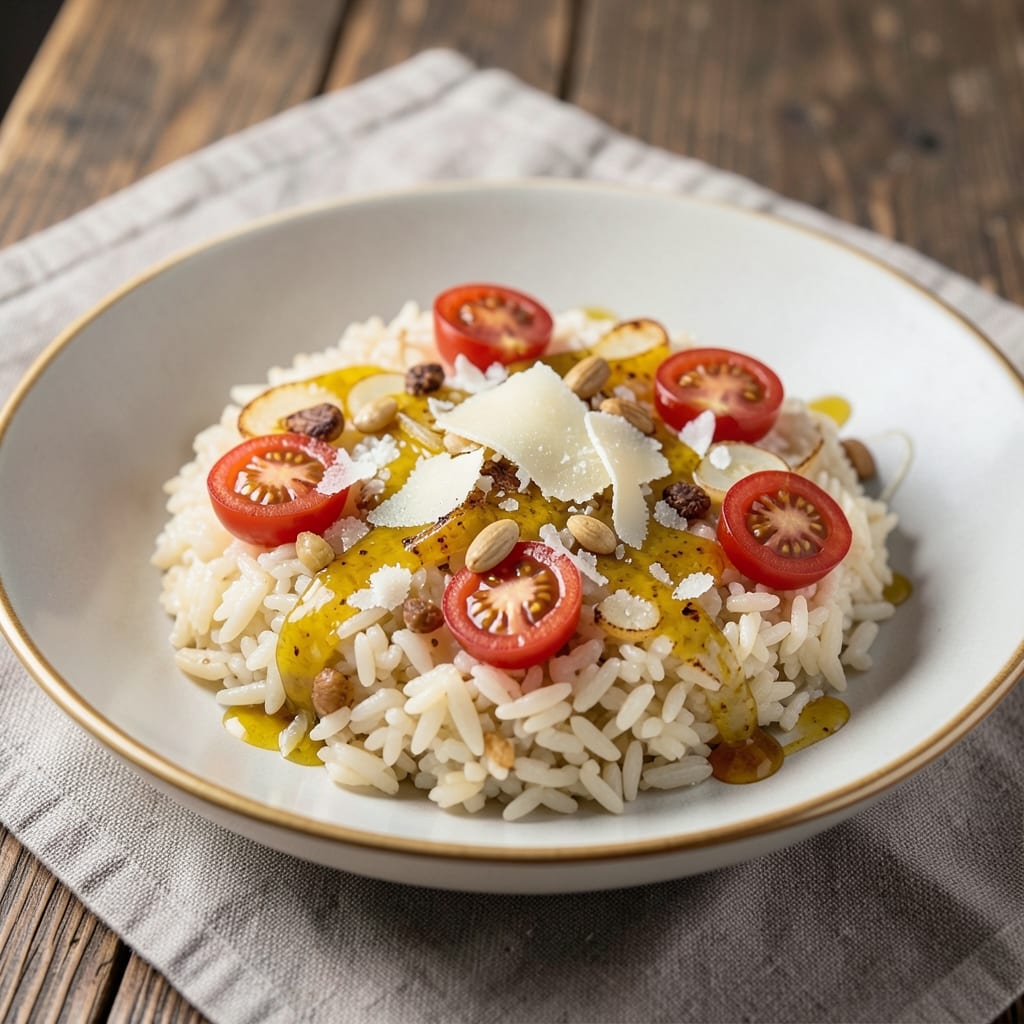
This Aborio rice recipe transforms simple ingredients into a luxurious saffron-infused risotto with a buttery, crispy top that rivals any restaurant dish. The secret lies in the risotto method—slowly toasting the rice, stirring in liquid gradually, and finishing with a crispy crust that adds texture and depth. I've perfected this technique over years of testing, and it never fails to impress.
The process begins with gently toasting the rice in olive oil until it releases its nutty aroma, then deglazing with white wine for a bright, clean flavor. Saffron infuses the broth with its signature golden hue and earthy sweetness, while Parmesan adds umami richness. The key is patience—letting the rice absorb liquid slowly creates that signature creamy texture.
What you'll end up with is a dish that's creamy yet structured, fragrant with saffron, and topped with a golden, buttery crust that adds a satisfying crunch. Each bite delivers perfectly al dente rice, infused with warm spices and finished with a touch of crispy magic. This is risotto that feels special enough for company but simple enough for weeknights.
The beauty of this recipe is its adaptability—swap the saffron for turmeric for a budget-friendly version, or add mushrooms and truffle oil for extra decadence. Serve immediately with a sprinkle of fresh herbs and a glass of white wine for the full experience. Let's get started on this restaurant-quality risotto.
Ingredients for aborio rice
The perfect balance of creamy rice, saffron aroma, and crispy butter crust starts with these essential ingredients.
| Ingredient | Amount | Notes |
|---|---|---|
| Aborio Rice 🌾 | 1 ½ cups | Unrinsed, high-quality Arborio |
| Extra-Virgin Olive Oil 🫒 | ½ cup | High-quality, fruity variety |
| Saffron Threads 🌼 | ¼ tsp | High-quality, finely crushed |
| Dry White Wine 🍷 | 1 cup | Medium-bodied, like Pinot Grigio |
| Vegetable Broth 💧 | 4 cups | Homemade or high-quality low-sodium |
| Parmesan Cheese 🧀 | ¾ cup | Freshly grated, aged Parmigiano-Reggiano |
| Garlic Cloves 🧄 | 4 cloves | Fresh, minced for toasting |
| Shallots 🧅 | 2 whole | Small, thinly sliced |
| Unsalted Butter 🧈 | 3 tbsp | Cold, cubed for finishing |
| Salt 🧂 | 1 ½ tsp | Diamond Crystal kosher salt |
| Black Pepper 🌶️ | ½ tsp | Freshly ground |
| Fresh Parsley 🌿 | ¼ cup | Chopped, for garnish |
The Aborio rice is non-negotiable—its high starch content creates that signature creamy texture. Gourmet Grocer or specialty Italian markets carry the best quality, but any reputable grocery store should have it. Look for bags labeled 'Arborio' or 'Carnaroli'—these are the risotto varieties. Saffron is pricey, but splurge on threads, not powder—they infuse better. For the broth, homemade is ideal, but Pacific Foods low-sodium is my go-to store-bought shortcut. The Parmesan should be Parmigiano-Reggiano—none of that pre-shredded stuff. Freshly grated makes all the difference in that final umami punch.
No saffron? Turmeric at one-third the amount gives color and earthiness, though it lacks saffron's floral notes. Running out of white wine? Dry vermouth or even apple juice works in a pinch. The shallots can be swapped for 1 small yellow onion, but they add a milder, sweeter flavor. For a vegetarian-friendly version, ensure your broth is veggie-based. The butter should be unsalted—you control the seasoning here. If you're feeling fancy, add a pinch of nutmeg to the broth for warmth. And trust me, the crispy top is worth the extra minute of toasting those butter cubes under the broiler.
Risotto is best served immediately, but you can hold it for 20-30 minutes in a low oven if needed. Store leftovers in an airtight container for up to 3 days, though texture suffers after the first day. The saffron-infused broth keeps for 5 days in the fridge—great for future risottos. For a crispy top, the secret is toasting the butter cubes until golden and bubbly. If you're making this ahead, cook the rice slightly underdone and finish it with extra broth and butter at the end. This dish is all about timing, but the payoff is worth every minute.
Why You'll Love This Recipe
- One-Pot Magic: I swear by this—no chopping, no fuss, just dump and stir. The Aborio rice handles itself while the saffron infuses the broth, so you’re left with minimal cleanup and maximum flavor.
- Golden Threads Glow: That saffron? It’s not just a fancy touch—it turns the rice into this luminous, buttery yellow with a subtle floral kick. Honestly, it’s the kind of detail that makes a simple dish feel like a restaurant special.
- Weeknight to Weekend: I make this for busy nights, but it’s also my go-to for dinner parties. The wine adds depth, so it feels fancy, yet the broth keeps it light enough for summer. (Yes, even on a Tuesday night.)
- Budget Luxury: Aborio rice is affordable, and a splash of white wine stretches the flavor without breaking the bank. Plus, leftovers reheat like a dream—just add a drizzle of olive oil, and it’s just as good the next day.
Step-by-step instructions for saffron-infused risotto with buttery crispy top
Here's the method for restaurant-quality risotto with a golden, crispy finish—every step matters.
Toast the Aromatics and Bloom the Saffron
Heat the 0.5 cup extra-virgin olive oil in a large, heavy-bottomed pot over medium heat. Add the 2 whole shallots and 4 cloves minced garlic cloves, cooking for 3-4 minutes until the shallots soften and become translucent. You'll notice the shallots release their sweet aroma and the garlic begins to turn golden—this is your signal they're ready.
In a small bowl, steep the 0.25 teaspoon saffron threads in the 1 cup dry white wine for 5 minutes. The saffron will release its vibrant color and earthy aroma, infusing the wine with its signature floral notes. Keep this mixture nearby—you'll add it shortly. The wine should be at room temperature for even distribution.
Cook the Aborio Rice to Al Dente
Add the 1.5 cups unrinsed Aborio rice to the pot, stirring to coat the grains evenly in the olive oil. Cook for 2 minutes, stirring constantly, until the rice becomes translucent at the edges. This step is critical—it prevents the rice from becoming mushy later. The rice should look slightly glossy but not browned.
Pour in the saffron-infused wine and stir until fully absorbed. Let the mixture simmer for 2-3 minutes until the wine evaporates completely. Now, begin adding the 4 cups vegetable broth, one ladle at a time. Stir frequently and wait until each addition reduces by about half before adding the next. This gradual process releases the rice's starch, creating that signature creamy texture. The rice should cook for 18-20 minutes total, until it's tender but still has a slight bite—al dente.
Finish with Parmesan and Build the Crispy Top
Once the rice is al dente, remove the pot from heat. Stir in the 0.75 cup freshly grated Parmesan cheese and 0.5 teaspoon black pepper until fully combined. The cheese should melt smoothly into the rice, adding richness and depth of flavor. Taste and adjust seasoning with the 1.5 teaspoons salt if needed—risotto should be seasoned like the sea.
For the crispy top, spread the risotto evenly in the pot. Use the back of a spoon to create a slight depression in the center. Dot the surface with the 3 tablespoons cold, cubed unsalted butter. Place the pot under a broiler for 2-3 minutes until the butter melts, bubbles, and the top turns deep golden brown and crispy. Watch closely—this happens quickly, and you want it to be crispy, not burnt.
Rest and Garnish for Perfect Texture
Remove the pot from the broiler and let the risotto rest for 2-3 minutes. This allows the flavors to meld and the crispy top to set. The residual heat will finish cooking the rice slightly, ensuring it's perfectly creamy without being mushy. Stir gently once before serving to redistribute any settled Parmesan.
Garnish each serving with the 0.25 cup chopped fresh parsley just before eating. The parsley adds a bright, fresh contrast to the rich, buttery risotto. Serve immediately—the crispy top will soften quickly, so enjoy it while it's at its peak. Each bite should deliver a perfect balance of creamy rice, crispy top, and aromatic saffron flavor.
Pro Tips For Making Aborio Rice
- Toast the Rice First: Heat your dry Aborio rice in a dry pan for 2 minutes before adding liquid—just until you catch an aroma and see tiny bubbles. This step thickens the starch and gives your risotto that signature creamy texture without overcooking the grains later.
- Bloom Saffron Properly: Crush those saffron threads between your fingers before adding them to warm broth—it releases more color and flavor. Then steep in ¼ cup hot broth for 5 minutes (covered) so it infuses fully. Skimp here, and your dish will taste like you used food coloring instead of real saffron.
- Wine in Stages: Don’t dump the entire glass of white wine at once—add half first, stir until absorbed, then add the rest. This prevents a boozy, undercooked mess and lets the alcohol cook off gradually, leaving just the right depth of flavor.
- Broth Temperature Matters: Keep your vegetable broth simmering in a separate pot, not boiling—you want it hot but not scalding when you ladle it in. Cold or boiling broth shocks the rice and ruins the creamy finish. A thermometer reading of 195°F (90°C) is ideal, but eyeballing "just below a rolling boil" works too.
Regional styles of aborio rice
Classic Italian Risotto
In Northern Italy, risotto originated as a humble peasant dish made with rice, broth, and whatever vegetables were available. The Veneto region perfected it using Aborio rice, which became the gold standard for its creamy texture. Traditional versions like risotto alla Milanese use saffron, while risotto al tartufo incorporates truffle oil. The key technique is the risotto method—adding broth gradually to release starches. 🌾
Spanish Paella Style
Spanish paella transforms Aborio rice into a vibrant, one-pan dish with saffron-infused broth, seafood, and chorizo. The Valencian method calls for toasting rice in olive oil until it develops a golden crust (socarrat). Unlike Italian risotto, paella uses short-grain Bomba rice (similar to Aborio) but often includes paprika for depth. Serve with alioli for dipping—this version is heartier and perfect for sharing.
French Pilaf Technique
French cuisine elevates Aborio rice into pilaf, where it's often cooked with white wine, mushrooms, and herbs like thyme. The French prefer a firmer texture, so they use less liquid and finish with a beurre manié (butter-flour paste) for creaminess. A classic poulet à la pilaf features chicken thighs braised with rice, creating a rich, one-pot meal. The French also love adding peas and ham for a rustic touch.
American Fusion Twist
In the U.S., Aborio rice stars in creamy casseroles and stuffed peppers, often with cheddar, jalapeños, and sour cream. A Southern favorite is cheesy rice, where Aborio rice is cooked with broth, butter, and sharp cheddar until ultra-creamy. For a modern twist, try smoky BBQ risotto with pulled pork, caramelized onions, and a drizzle of chipotle aioli. The crispy top technique works perfectly here too!
Japanese Kare Raisu
Japan's kare raisu (curry rice) often uses Aborio rice for its ability to absorb flavors. The rice is cooked with Japanese curry roux, coconut milk, and vegetables like carrots and potatoes. Unlike Italian risotto, the texture is lighter and slightly chewy. For a fusion version, add miso paste to the broth or top with furikake (Japanese seasoning) for an umami kick. 🍚
Middle Eastern Pilaf
In the Middle East, Aborio rice becomes pulao or biryani, layered with spices like cardamom, cinnamon, and turmeric. Persian chelo kabab pairs rice with grilled meat, while tabbouleh uses bulgur but can incorporate Aborio for extra creaminess. The key difference? Middle Eastern versions often use saffron, rosewater, or dried limes for aromatic depth. A buttery crispy top would be a delicious modern addition!
Nutrition facts
Frequently asked questions
Can I substitute Arborio rice with another type?
While Arborio is ideal for creamy risotto, you can use Carnaroli or Vialone Nano for similar results. For a quicker version, short-grain white rice works in a pinch, but expect a slightly less creamy texture. Never use long-grain rice—it lacks the necessary starch. The key is choosing a rice with high amylopectin content for that signature creaminess.
How do I prevent my risotto from being mushy?
Mushy risotto happens when rice absorbs too much liquid too quickly. Always add broth gradually, waiting until each addition reduces by about half before adding more. Stir frequently and keep heat at a gentle simmer—not a boil. The rice should cook for 18-20 minutes total, ending al dente. If it's still firm, add a splash of warm broth and let it sit off heat for 2-3 minutes to finish cooking.
What's the best way to make the crispy top?
The secret is using cold, cubed butter spread evenly over the risotto. Place the pot under the broiler for just 2-3 minutes until the butter melts and turns golden brown. Watch closely—it happens fast! For extra crunch, use a mix of butter and grated Parmesan on top. If your oven lacks a broiler, use a heatproof skillet over medium-high heat for 1-2 minutes instead.
Can I make this risotto ahead of time?
Risotto is best served immediately, but you can prep components ahead. Cook the rice slightly underdone (about 15 minutes instead of 20), then finish it with extra broth and butter at serving. For the crispy top, add it fresh. Alternatively, cook the rice completely, let it cool, then reheat with a splash of broth and butter. The texture won't be as perfect, but it's still delicious. Store leftovers in an airtight container for up to 3 days.
What's the secret to saffron's vibrant color?
Bloom the saffron in warm liquid for at least 5 minutes before adding to the rice. Use threads, not powder—they infuse better. For maximum color, steep saffron in the wine first, then use that infused liquid to cook the rice. If you're short on time, crush the threads slightly with your fingers to release more color. Avoid boiling the saffron—it destroys its delicate flavor.